



New Collaborative Design Lab for High School Students Launched in Fukuoka
Introduction
Kumanomics, a forward-thinking organization based in Setagaya, Tokyo, has unveiled a groundbreaking program called the “Inquiry-Based Collaborative Design Lab for High School Students”. This initiative has received funding from the Mitsubishi Mirai Ikusei Foundation for the 2026 academic year under its advanced educational projects category. This program is designed to transform conventional learning environments by shifting the focus from simply providing answers to fostering inquiry.
Concept of the Program
The central theme of the program emphasizes approaching problems with questions rather than relying on direct answers. By engaging local high school students, Kumanomics aims to inspire a fresh perspective that gears them towards developing their unique solutions. The backdrop for this educational endeavor is Sue Town in Fukuoka Prefecture, where local enterprises and community members have come together to create a vibrant setting for urban development and education.
The program is infused with Kumanomics’ distinctive approach to design thinking, allowing students to explore questions that lead to value creation. This collaborative effort also includes insights from the “Minna no Ryugakubu” association, which consists of students and professionals with overseas study experiences, broadening students' horizons from local to global perspectives.
The Goals of the Design Lab
The main objective of the “Inquiry-Based Collaborative Design Lab” is to connect participating high school students with diverse organizations, adults, and peers they would typically not interact with during their standard schooling. This environment encourages students to elevate their perspectives while continually refining their proposed actions through insights and feedback. As they engage with local industries, they will confront living questions not typically found in textbooks.
Kumanomics aims to break down barriers between public and private sectors to create an innovative educational model that encourages observation, insight, hypothesis building, and experimentation. This program positions itself uniquely by focusing on pressing real-world challenges faced by local businesses, allowing participants to gain hands-on experience and develop a dynamic understanding of how societies operate.
Collaboration and Learning Environment
The learning environment integrates Kumanomics, local businesses, and students returning from abroad, thus creating a space filled with authentic dialogue. Key elements include tackling local issues, understanding the reasons behind community structures, and letting varied perspectives collide in meaningful interactions. This transformative process deepens students’ understanding while fostering the necessary skills to question current norms.
The program intertwines three vital aspects: real challenges presented by local enterprises, fresh perspectives from those who have ventured outside their communities, and Kumanomics' capability to craft questions that lead to meaningful discussions. Through this platform, students will not only engage in what they learn but also embrace the vital skill of inquiry, learning from the diverse stories and backgrounds of local mentors and experienced individuals from abroad.
Program Details and Schedule
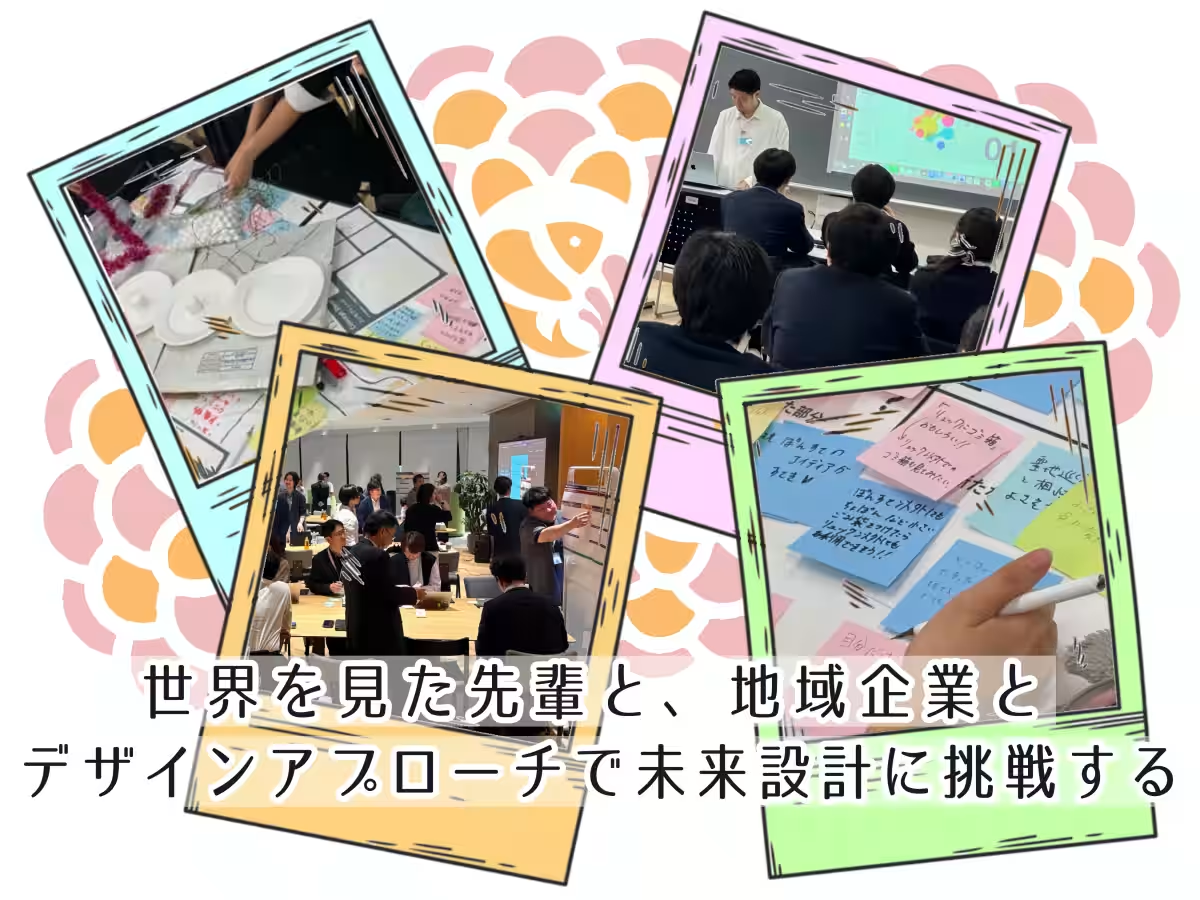
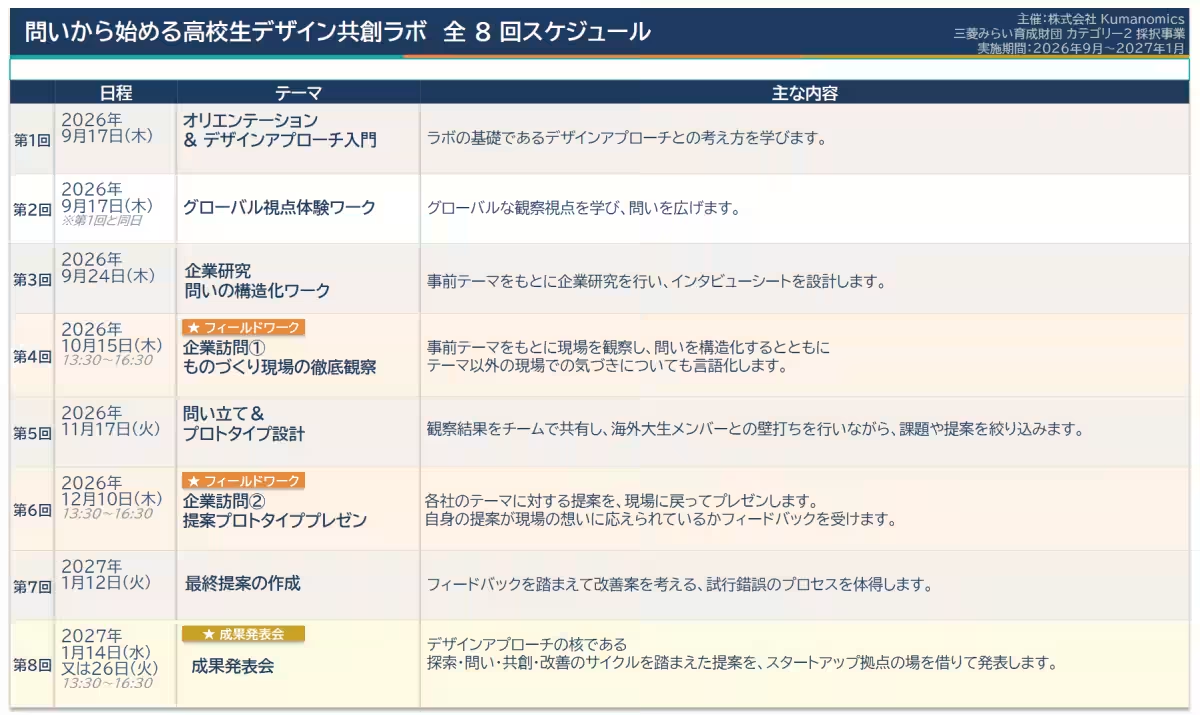
This program consists of a series of eight sessions, designed to integrate various formats, including on-site business visits, as well as traditional classes. The sessions aim to provide students with real insights into business operations, fostering a space for encouragement to delve deep into their inquiries.
High school students will directly engage with local entrepreneurs and craftspeople to ask critical questions, encouraging them to discover their potential innovations within the community. The program also invites experienced individuals who understand international contexts to share their insights and experiences.
Final Thoughts
In closing, the aim is to inspire students to explore their potential and societal possibilities through inquiry-based learning. This program not only promotes academic growth but also cultivates a spirit of entrepreneurship and critical thinking, vital for the future of our youth. As we strive to support students in questioning their environments, we look forward to seeing the innovative ideas that emerge from the lab.
For high school educators and guardians, this program offers genuine project-based learning, moving beyond traditional academic boundaries. It gives students a free, accessible way to immerse themselves into real-world projects, fostering growth and development beyond classroom walls. We encourage interested parties to apply for participation before the deadline of August 17, 2026.



Topics Other)

【About Using Articles】
You can freely use the title and article content by linking to the page where the article is posted.
※ Images cannot be used.
【About Links】
Links are free to use.