



Recent Survey Reveals Long-Term Urinary Incontinence in Men After Prostate Cancer Surgery
Recent Survey Reveals Long-Term Urinary Incontinence in Men After Prostate Cancer Surgery
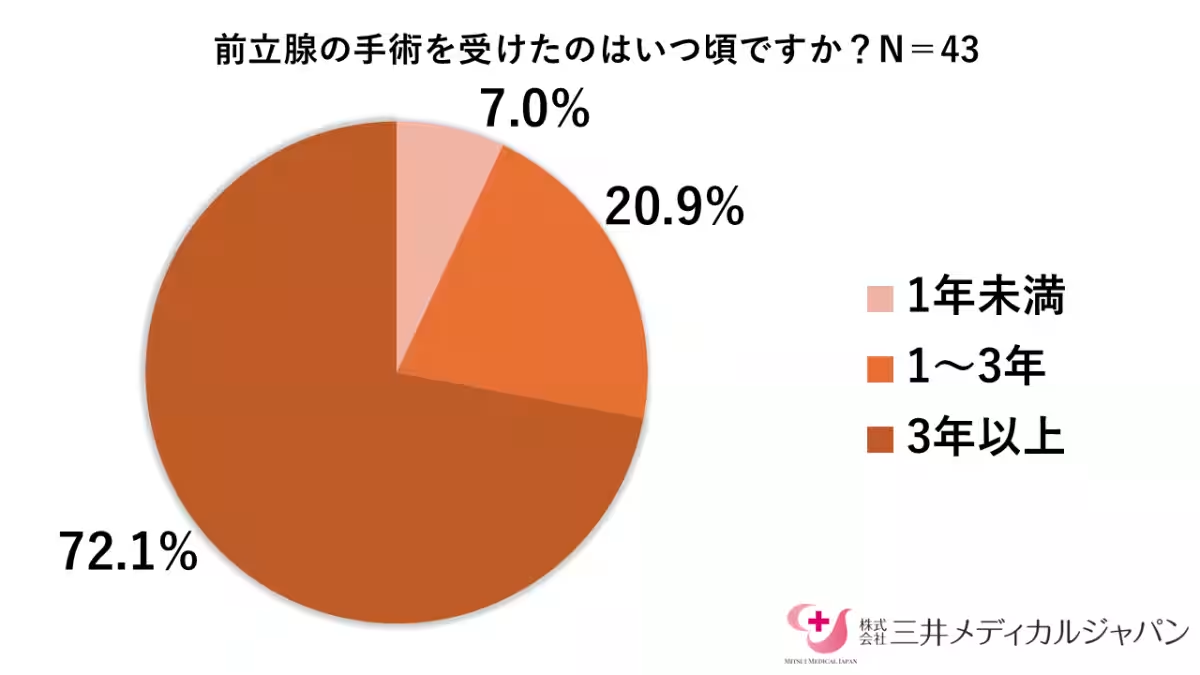
A recent investigation conducted by Mitsui Medical Japan shed light on the often-overlooked issue of urinary incontinence among men who underwent prostate cancer surgery. Performed between March 4 and 10, 2026, the study sampled 2,000 men aged 60 and above across Japan, eventually narrowing it down to 43 participants who had been diagnosed with prostate cancer and had undergone prostatectomy.
Key Findings of the Study
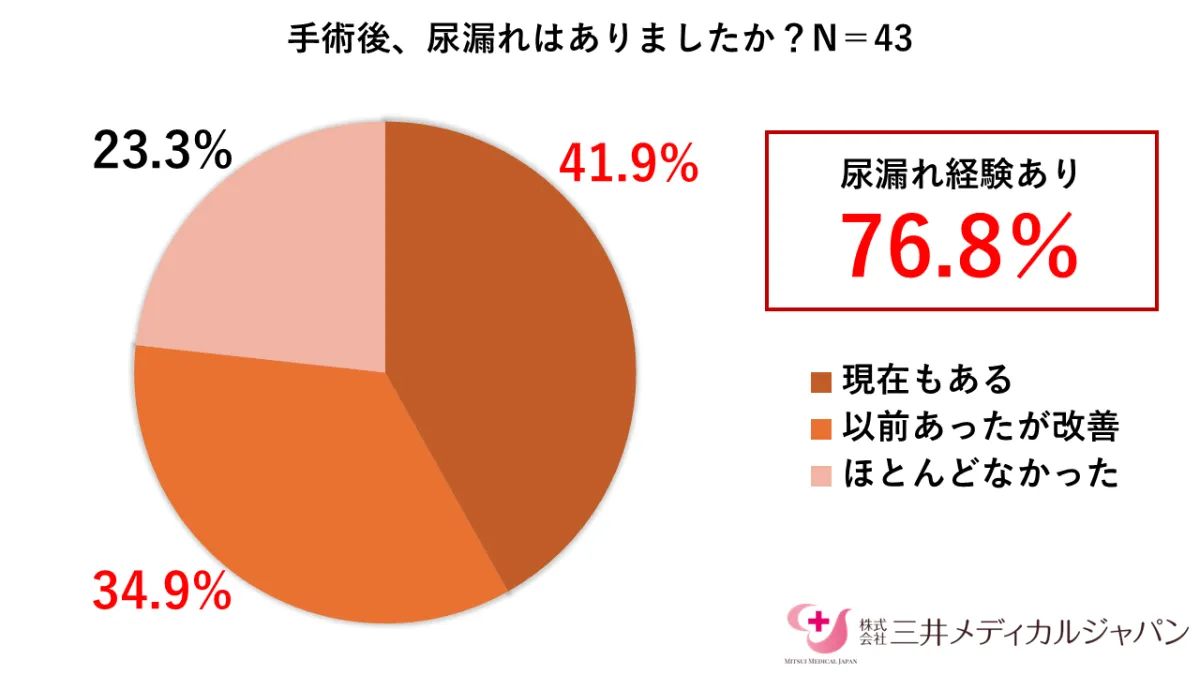
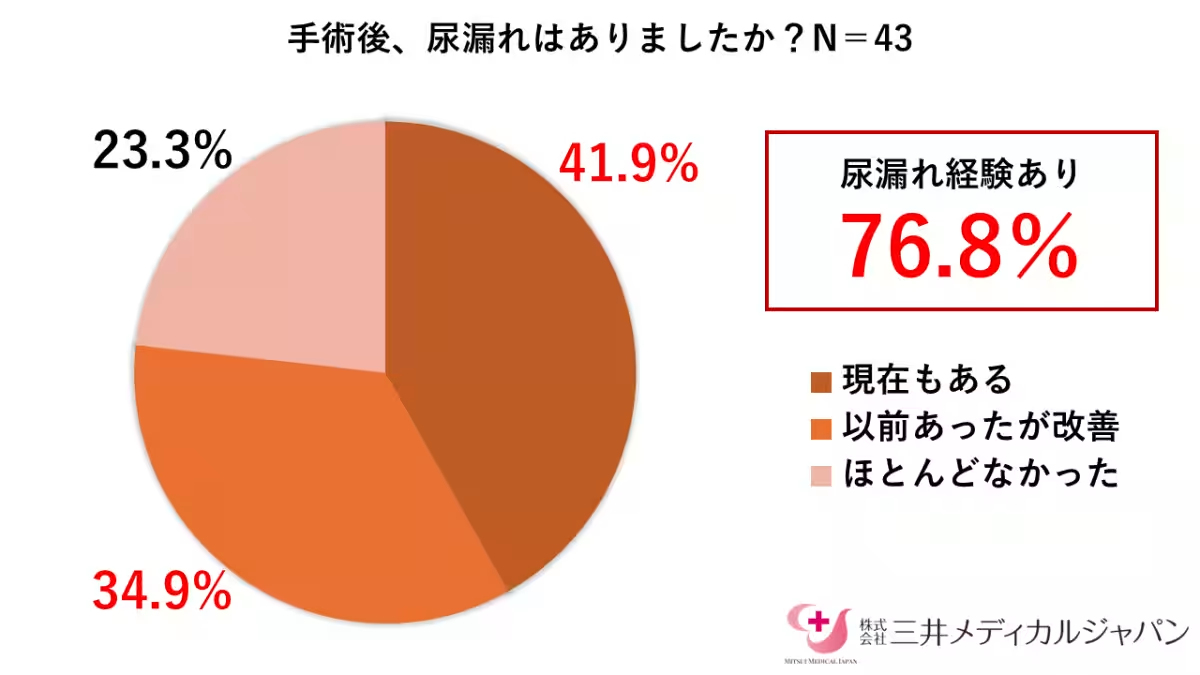
The results revealed that a staggering 76.8% of respondents had experienced urinary incontinence post-surgery, with 41.9% admitting they still encounter this problem today. This suggests that urinary incontinence is a significant concern long after the surgery.
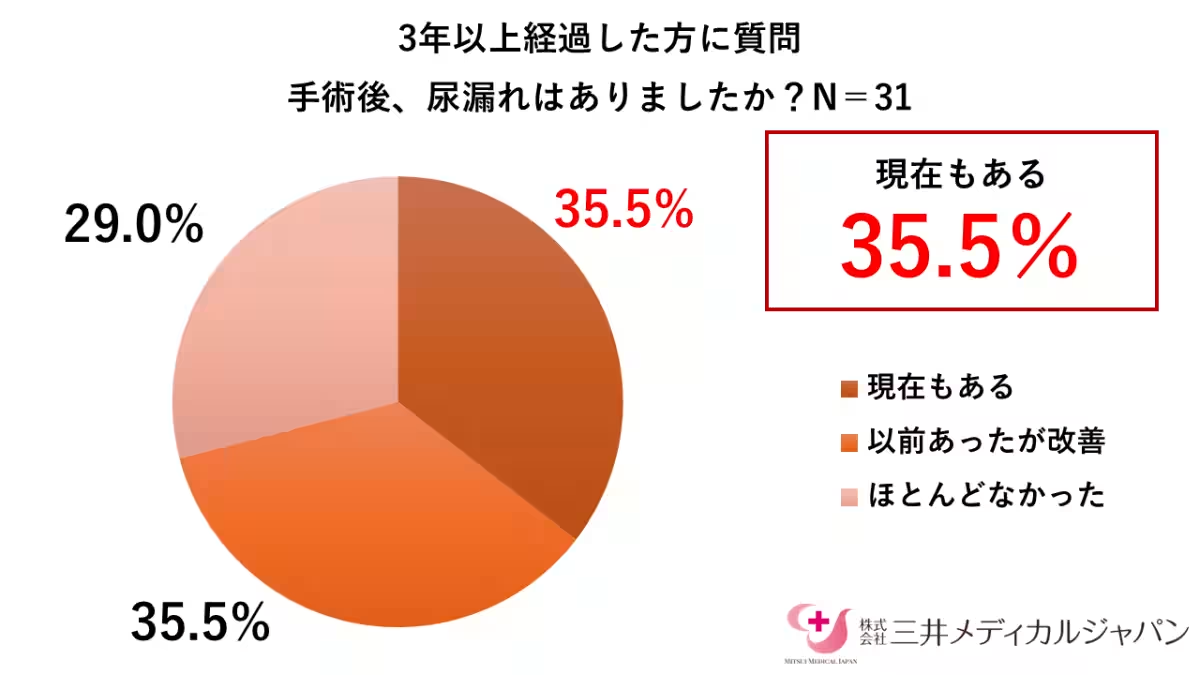
Furthermore, amongst the 31 individuals who had their surgery three years prior, 35.5% reported ongoing urinary issues. This statistic indicates that urinary incontinence is not just a short-term complication but can persist for an extended duration, affecting the quality of life for many survivors.
Additional Insights on Quality of Life
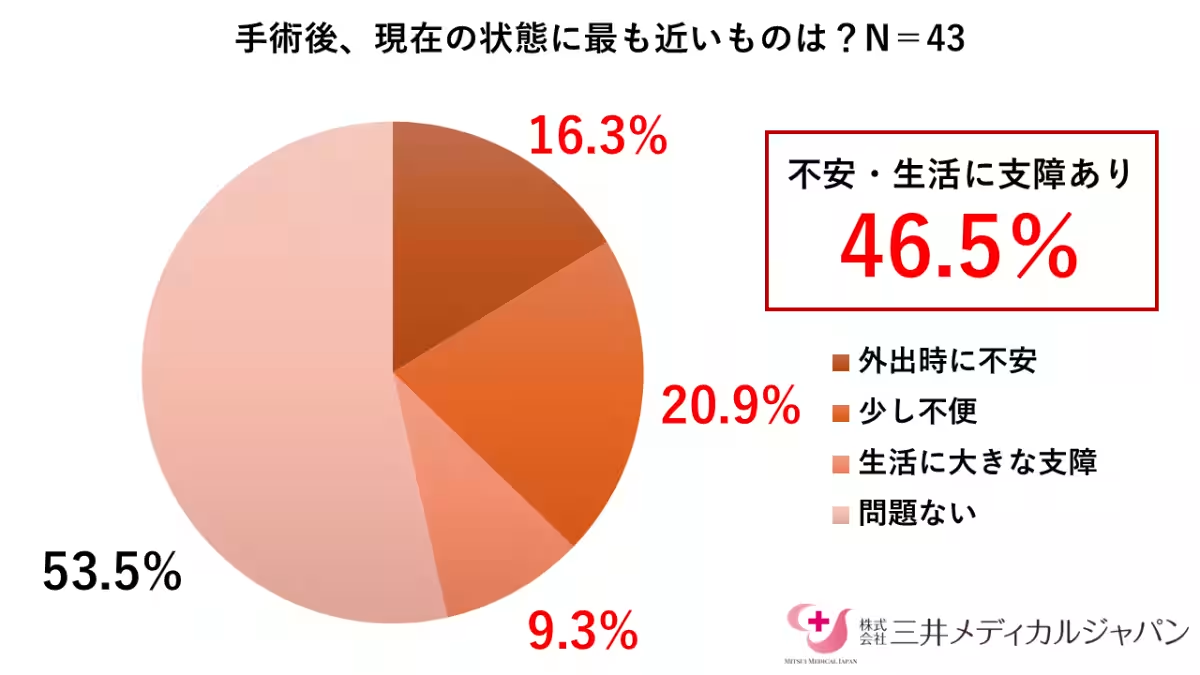
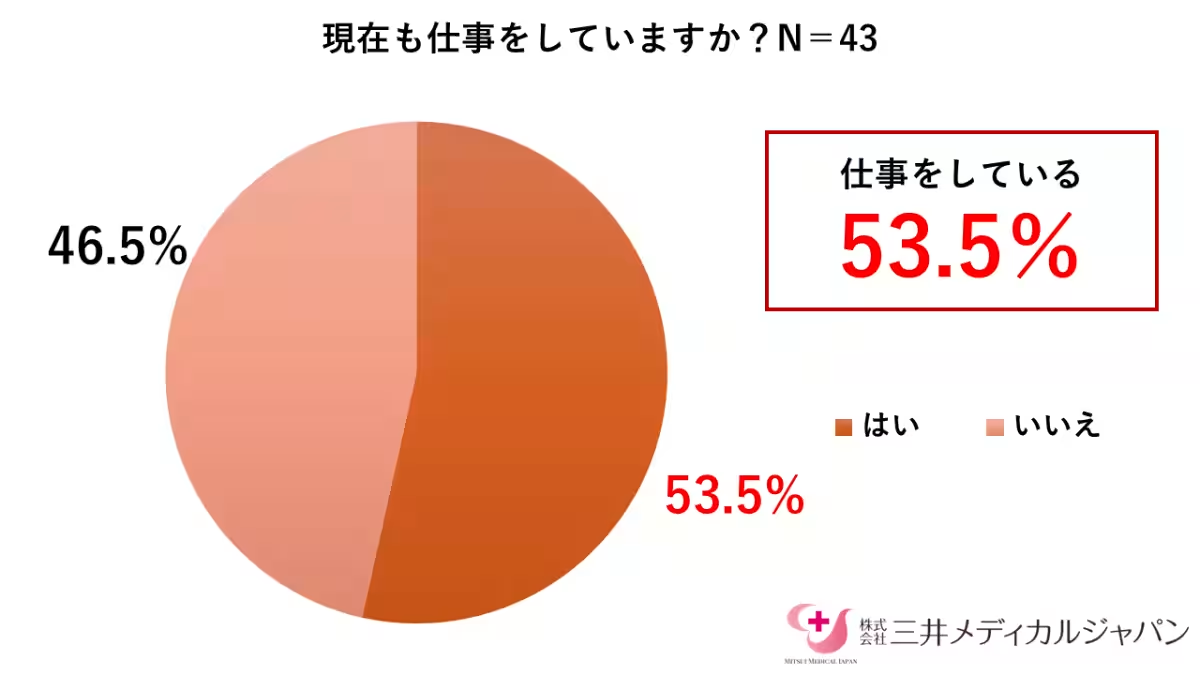
The survey also assessed the impact of these complications on daily life. Almost 46.5% reported feeling some degree of anxiety or inconvenience in their daily activities, particularly when going out. While 53.5% stated they had no issues, the fact that nearly half experienced some level of disruption highlights a widespread need for better management plans and support systems for these patients.
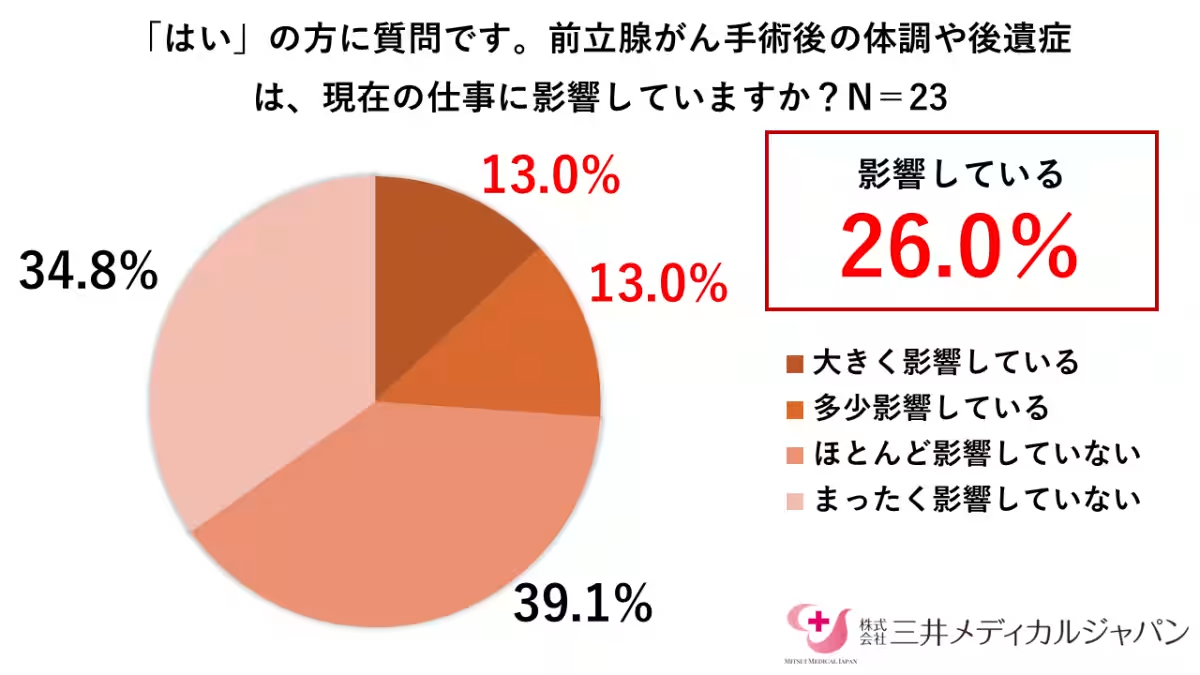
Interestingly, nearly one-quarter (26.0%) of those still in the workforce acknowledged that their post-operative health, including lingering side effects, affects their job performance. Although 39.1% indicated minimal to no impact on work, a notable segment of this population battles with integrating their health challenges into their careers.
Awareness of Treatment Options
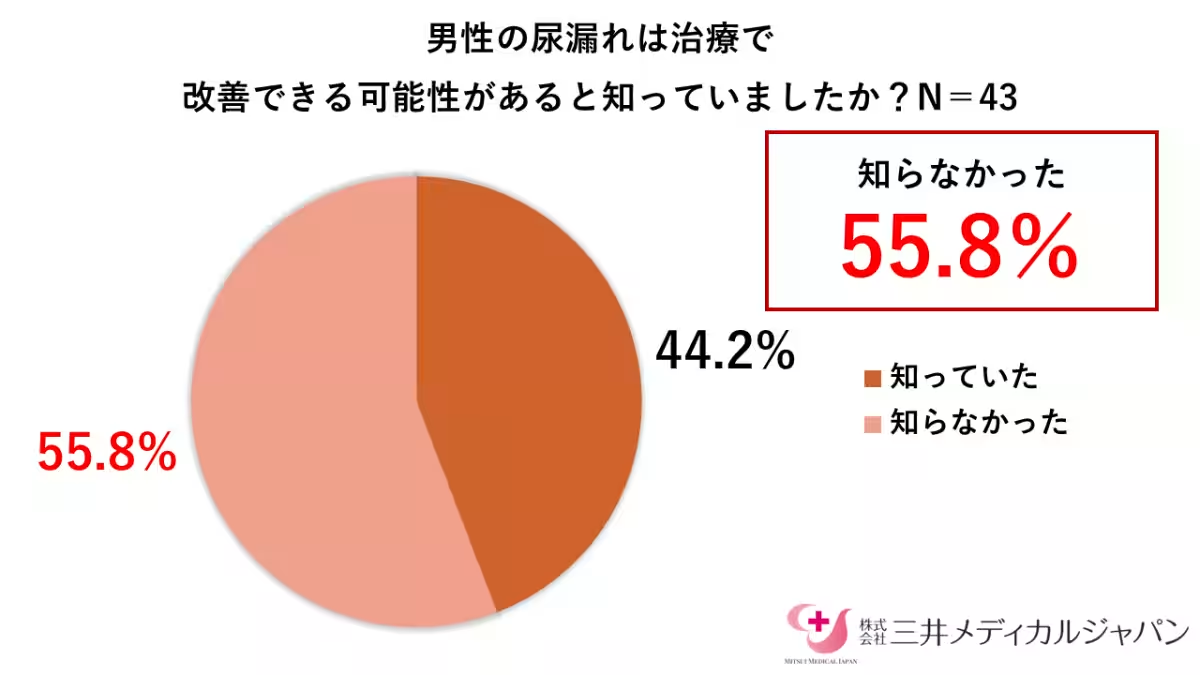
Worryingly, the survey found that a significant portion of participants—55.8%—were unaware that treatments exist to improve urinary incontinence in men. This lack of knowledge about potential solutions indicates a critical gap in patient education and suggests that many men suffer in silence without seeking help.
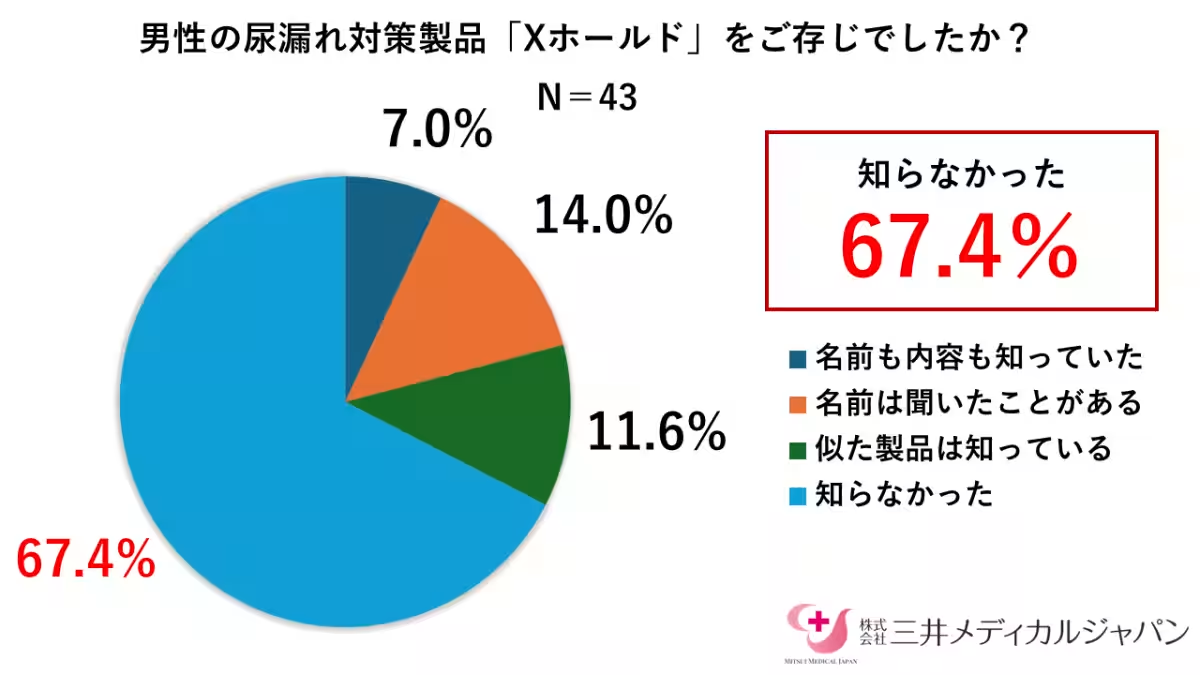
When asked about specific products available for managing urinary incontinence, only 32.6% were familiar with X-Hold, a supportive device designed to alleviate urinary issues post-surgery. With 67.4% unaware of such options, the data suggest an urgent need for greater awareness and outreach regarding innovative solutions.
Future Implications
As Mitsui Medical Japan’s representative, Keiko Mitsui, highlighted, it is vital to inform these patients about their options. Encouraging dialogue and providing accessible information can help men confront these issues more effectively, reducing stigma and improving quality of life. Health professionals should be proactive in sharing available treatments and creating a supportive environment for discussions surrounding urinary incontinence.
Conclusion
The findings underscore an essential need for increased awareness regarding urinary incontinence in prostate cancer survivors and highlight the importance of treatment options. As discussions around men's health evolve, emphasis on proactive care and education can drastically improve outcomes and quality of life for many who have faced these challenges.
For further information about urinary incontinence management and options like X-Hold, visit Mitsui Medical Japan's official website. It's time to break the silence and ensure every survivor knows they do not have to endure this alone.




Topics Health)
【About Using Articles】
You can freely use the title and article content by linking to the page where the article is posted.
※ Images cannot be used.
【About Links】
Links are free to use.