



Discovering a New Era in Cinema with the First Taxi Film Festival 'TAXIATER' in Tokyo
A Unique Cinematic Experience: Japan's First Taxi Film Festival
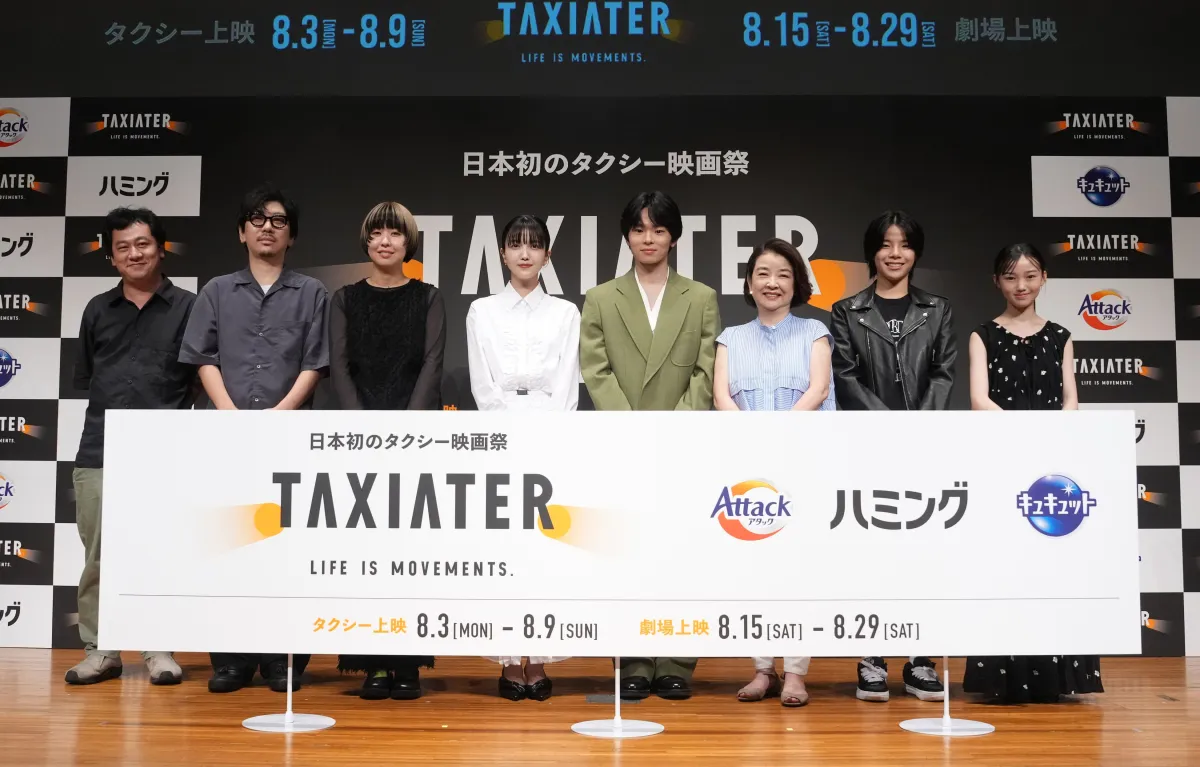
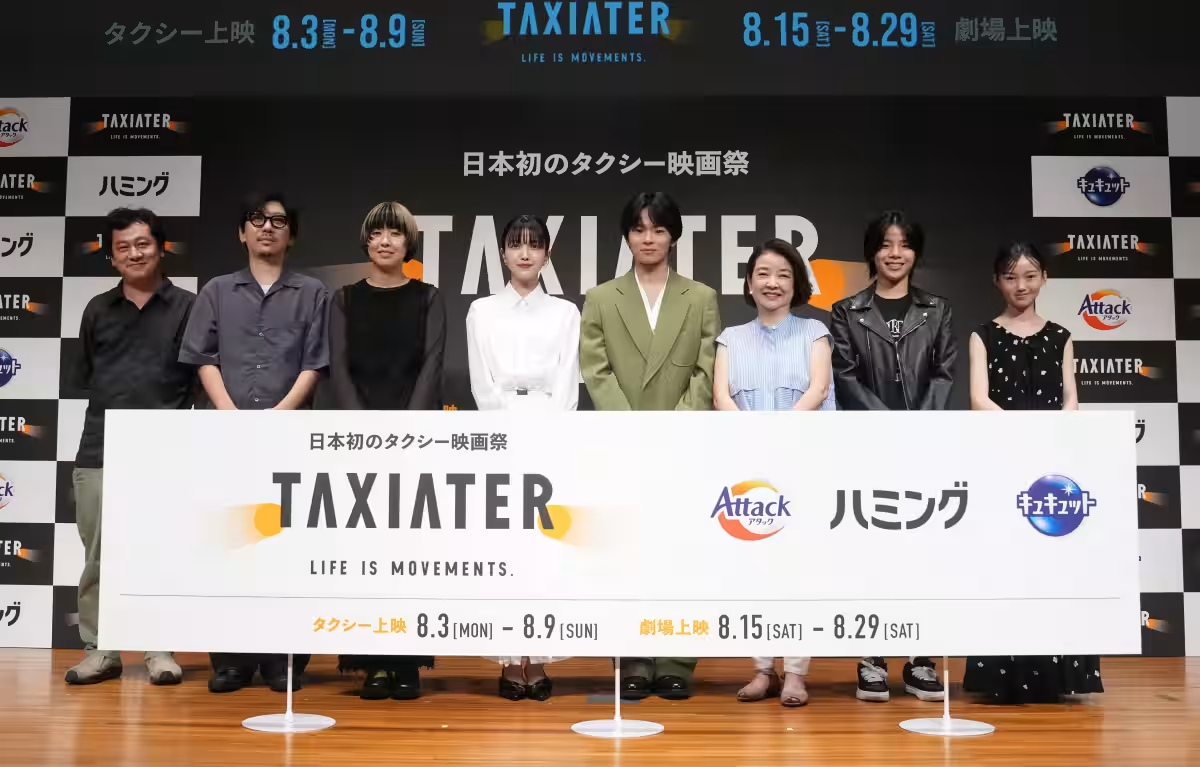
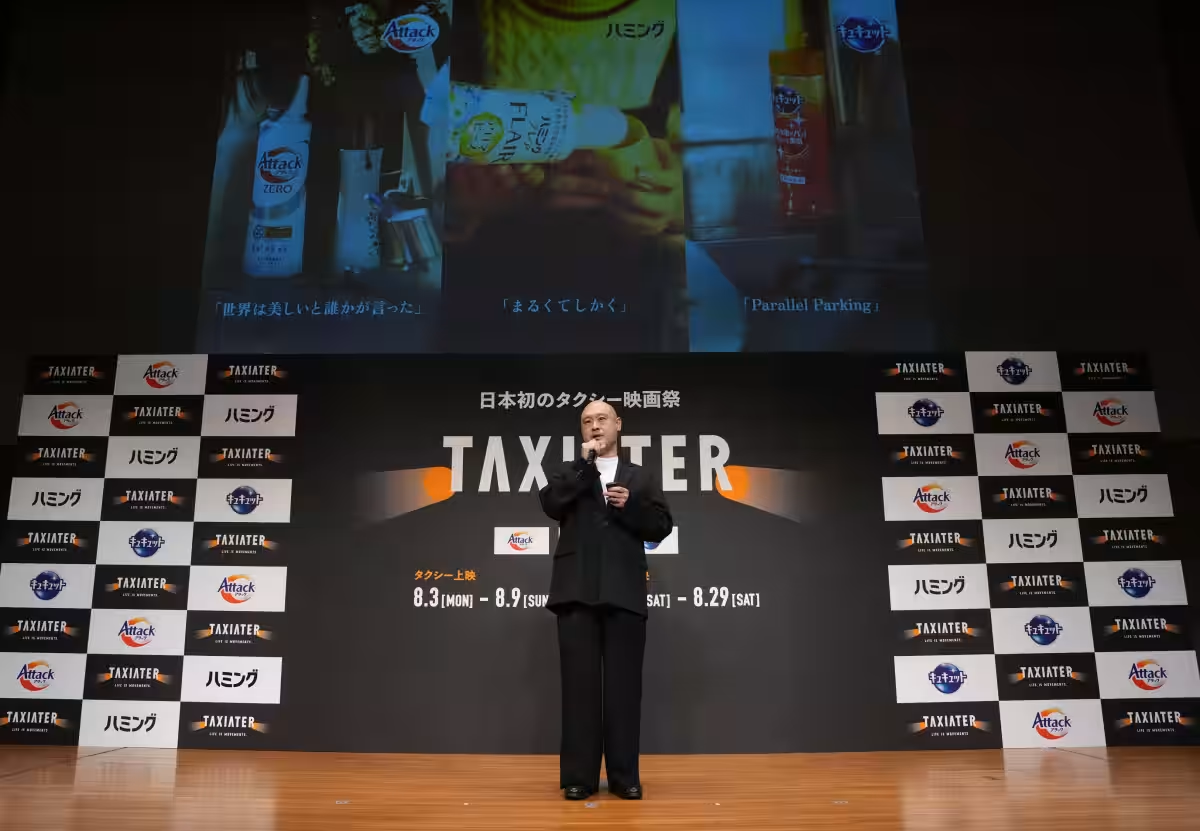
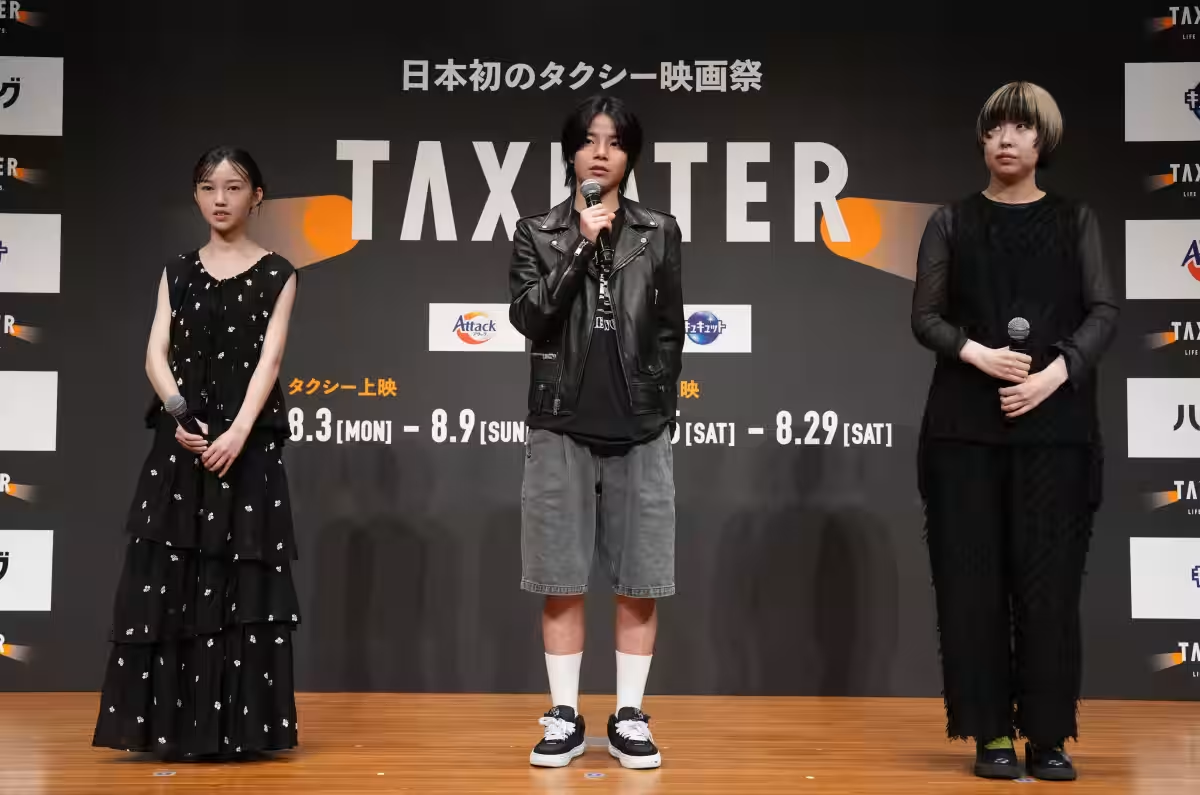
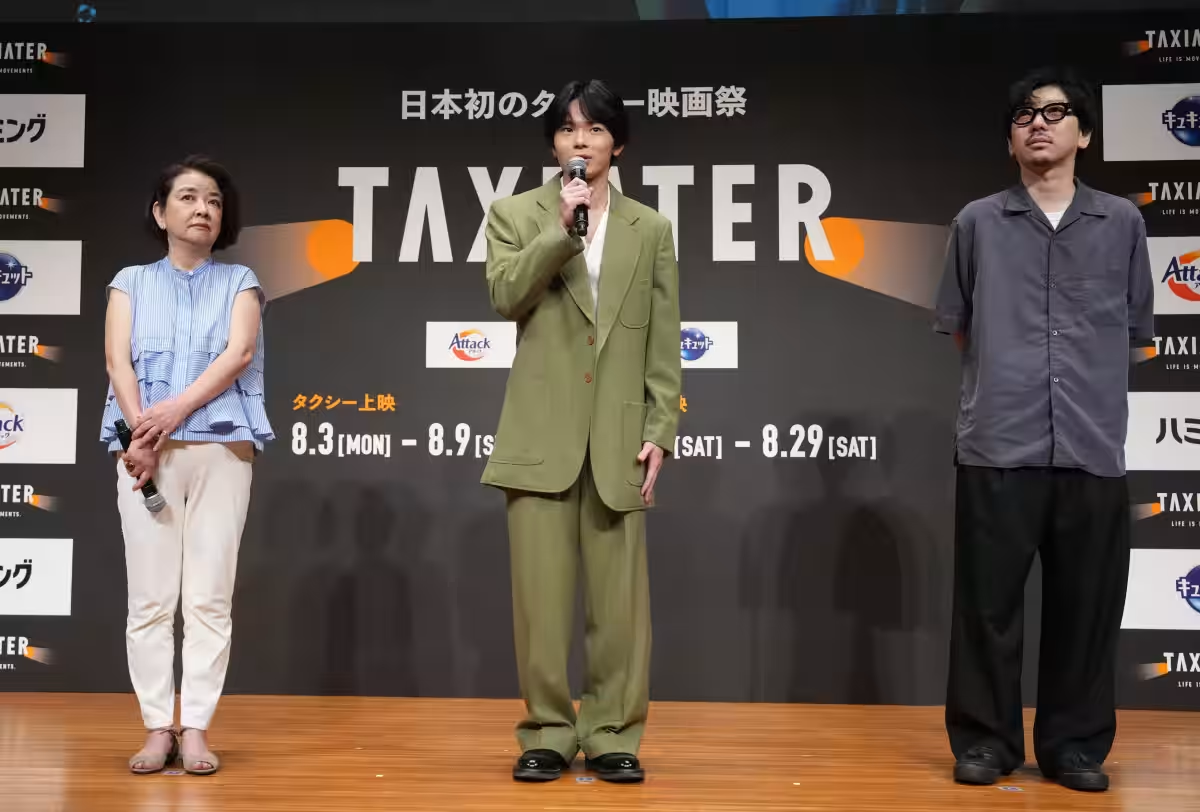
On August 5, dubbed 'Taxi Day', a historic event unfolded in Tokyo as the innovative 'TAXIATER' festival kicked off, marking Japan's first-ever taxi film festival. Over a week, a fleet of 100 taxis turned into mobile cinemas, offering an exclusive viewing experience of three newly produced short films crafted by an esteemed production team. This unique festival, organized by ENGINE Co., Ltd., took place at the iconic TOKYO FM Hall in Hanzomon, where directors and cast members engaged in lively discussions about their creative processes and the insights behind their films.
The Journey Begins
Celebrated as a pioneering move, 'TAXIATER' provided audiences an unparalleled blend of transportation and cinematic entertainment. Beginning from August 3 and spanning a week, the taxis showcased three short films, inviting passengers to immerse themselves in art during their daily commutes. Moreover, an extensive theatrical release is scheduled later in the month, where all films will simultaneously screen in select theaters across Ikebukuro, Shibuya, and Shimokitazawa, complete with special talks and events featuring the stars and directors.
Innovative Concepts and Collaborations
The vision behind 'TAXIATER' is transformative, aiming to forge a new connection between cinema and everyday life. As noted by ENGINE's CEO, Tetsuro Kubota, this project introduces an unprecedented way for audiences to access films amidst their busy lifestyles. He explained, “The first aspect of our approach is to screen films in taxis before traditional theater releases, thereby creating a fresh bridge between cinematic art and everyday viewers.”
The second novel concept presented by the festival is brand placement. While traditional product placement often lacks a deeper connection between the film's narrative and commercial brands, 'TAXIATER' features a collaborative approach where films are created with input from brands to share mutual concepts and ideologies, creating a coherent narrative that resonates with audiences.
Kao Corporation, the festival’s main sponsor, participated with three of its flagship brands — 'Attack', 'Humming', and 'Kyu Kyu' — each working with filmmakers to authentically weave brand narratives into the cinema experience. This collaborative effort ensures that products are not just placed for visibility but are part of a holistic storytelling process.
Spotlight on Talent
Among the featured filmmakers is Shiori Kubo, a prominent figure making waves following her graduation from the trailblazing idol group Nogizaka46. She stars in the short film “Someone Said the World is Beautiful.” During a live talk session, Kubo spoke of the transformative journey of taking on a role of a mother, reflecting on the challenges of expressing nuanced emotions. Collaborating with director Ryutaro Nakagawa, Kubo plunged deep into character preparation and conveyed heartfelt anecdotes about the complexities of motherhood during film shoots, expressing her joy in portraying new perspectives.
The festival has also placed emphasis on promoting social diversity through its narratives. For example, the film “Marukute Shikaku” tackles LGBTQIA+ themes, aiming to empower underrepresented voices. Director Nanako Komiyama shared her aspiration, stating, “We wanted to create a film that allows non-binary and LGBTQIA+ children to feel accepted in their identities.”
Turning Challenges into Art
Another notable film, “Parallel Parking,” addresses the realities faced by individuals living in vehicles, shedding light on their stories and fostering greater empathy. Director Sho Nagashima explained, “It's vital to acknowledge the individual narratives behind the struggles of those living in cars. We hope to inspire viewers to open their hearts and minds.”
Through this festival, the filmmakers hope to connect with audiences and inspire deeper conversations about societal norms and personal experiences. The initiative from 'TAXIATER' aligns perfectly with Kao’s mission of supporting personal growth and positivity through its products.
Conclusion
As Tokyo embraces this revolutionary cinema experience, the ‘TAXIATER’ festival stands out as a beacon of innovation, bringing art where it has never gone before. With such a promising start, this unique fusion of transportation and cinema heralds a new trend in film-going that is deeply integrated into people's lives. As the city transforms taxis into moving theaters, audiences can enjoy an extraordinary combination of storytelling and everyday commuting, opening avenues for new cinematic experiences.
For more information on 'TAXIATER', including details about the upcoming theatrical screenings and other associated events, visit the official website and follow their social media platforms.



Topics Entertainment & Media)
【About Using Articles】
You can freely use the title and article content by linking to the page where the article is posted.
※ Images cannot be used.
【About Links】
Links are free to use.