



Over 30% of Married Individuals Report Infidelity Experience Due to Dissatisfaction in Relationships
Understanding Marital Satisfaction and Infidelity
In a recent study conducted by MR Detective Agency, the dynamics of marital satisfaction were analyzed, revealing that dissatisfaction can lead to infidelity among married individuals. The survey, which focused on married men and women aged between 30 to 59, aimed to explore various aspects of their relationships and the potential implications of dissatisfaction.
Survey Overview
The study, titled "Marital Satisfaction Survey," included a sample of 655 married individuals living with their spouses. It utilized an internet-based methodology and was conducted over a period including June 15, 2026. It’s crucial to note the definition of satisfaction in marriage, which encompasses daily interactions, shared activities during weekends, physical affection, and sexual intimacy between partners. These aspects play a significant role in measuring the emotional distance or closeness between couples.
Key Findings
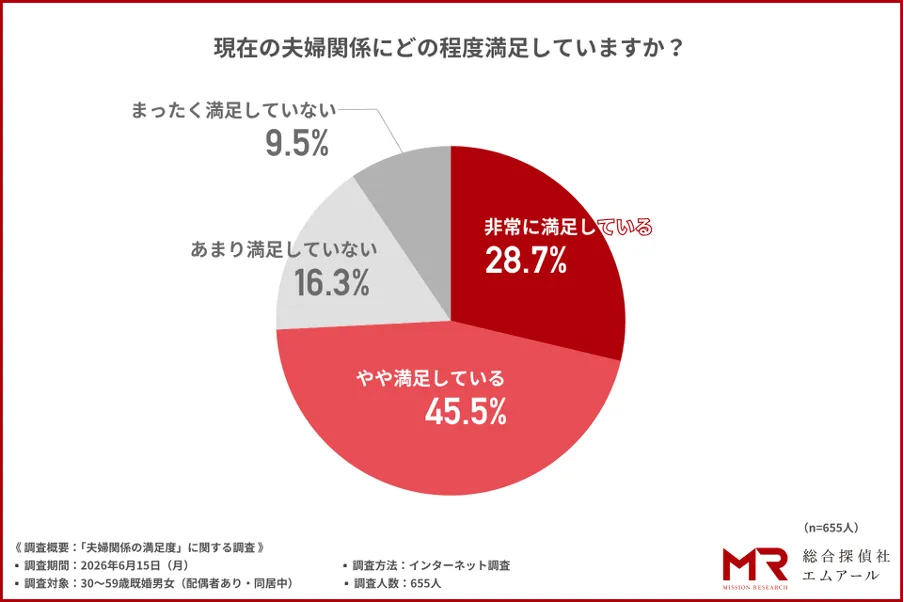
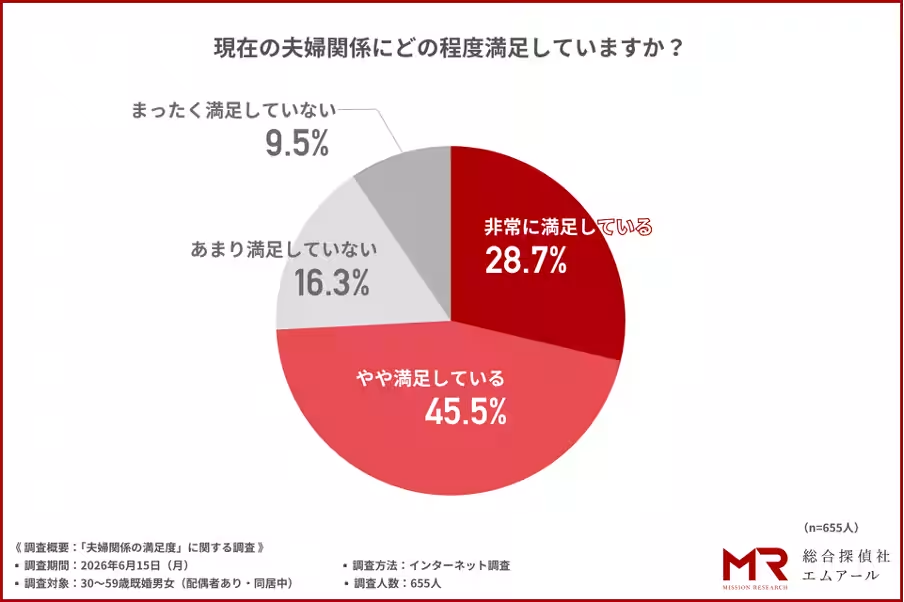
According to the results, an impressive 74.2% of respondents indicated that they felt satisfied in their marriage. This figure combines 28.7% of individuals who reported being "very satisfied" and 45.5% who claimed to be "somewhat satisfied." However, it’s alarming to discover that about 25.8% of respondents expressed various levels of dissatisfaction, clearly indicating a notable segment of married individuals harboring unhappiness in their relationships.
Communication Patterns
Frequency of Conversations
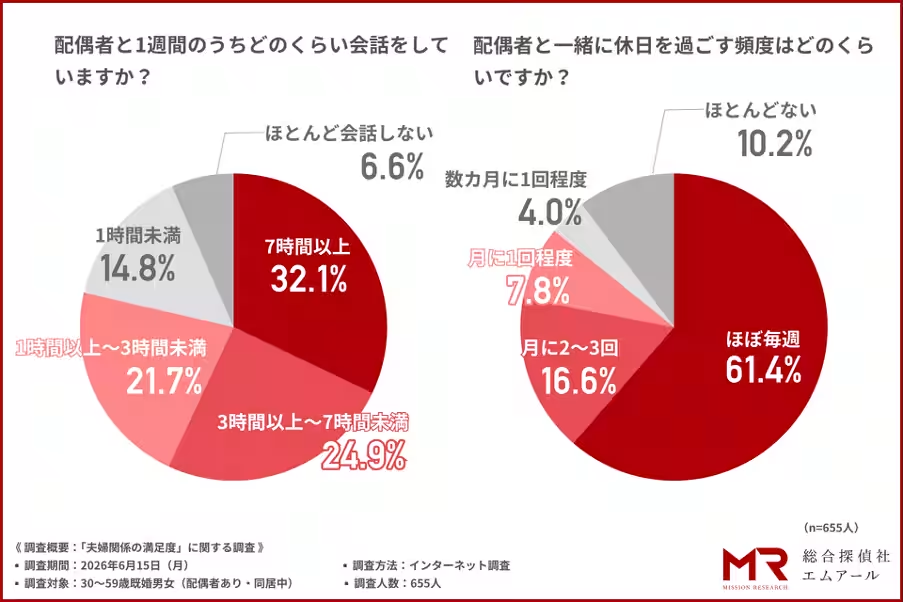
Participants were also asked about their weekly communication with their spouses. Approximately 32.1% of them stated that they engage in conversations for more than seven hours a week, while 24.9% reported interactions averaging three to seven hours weekly. It's concerning that around 20% noted they converse for an hour or less weekly. The survey further revealed that 61.4% of couples spent time together almost every weekend, underscoring that most married individuals prioritize shared leisure activities at least once a month.
Intimacy Levels
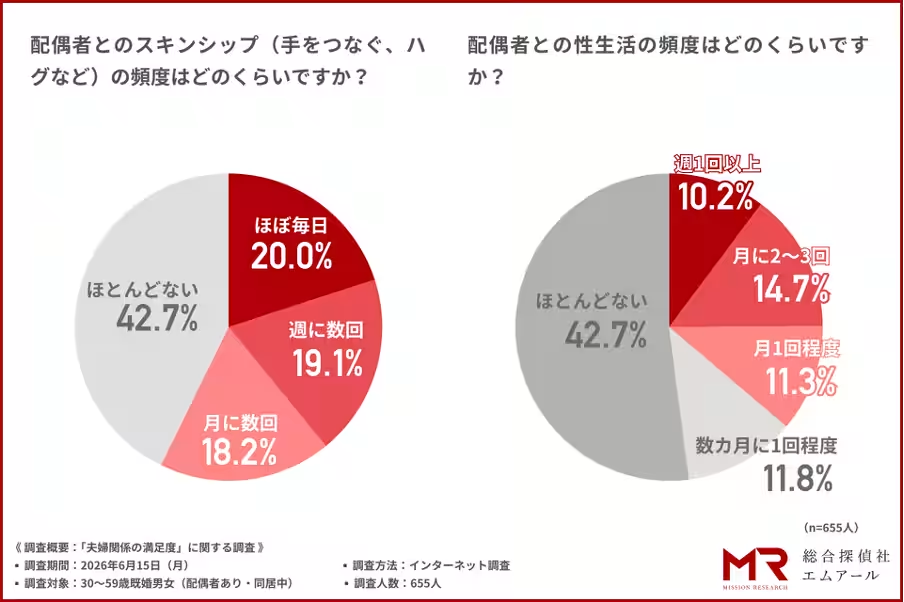
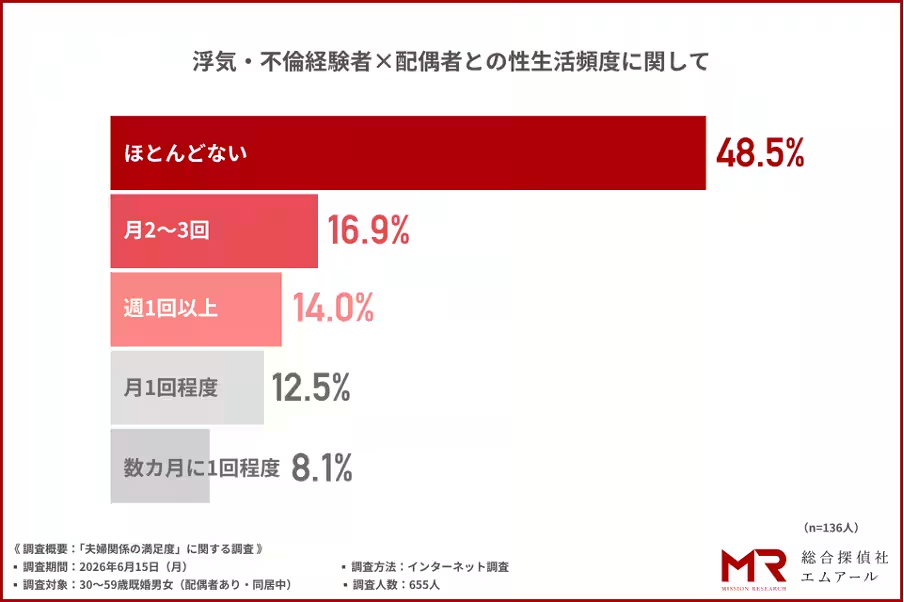
However, when it came to physical affection and sexual intimacy, the survey highlighted significant gaps. Over 42.7% of the respondents indicated minimal or no physical affection, showing that many couples do not regularly engage in habits like holding hands or hugging. This statistic mirrored the findings related to sexual activity, where 42.7% disclosed having little to no sexual intimacy. The numbers suggest a correlation between low intimacy levels and overall marital satisfaction.
Infidelity Insights
Experiences of Infidelity
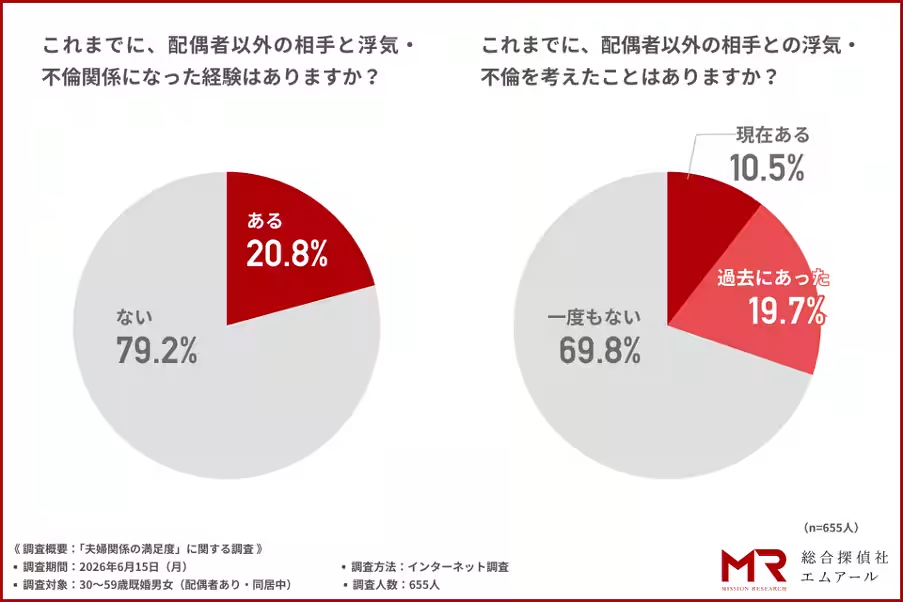
One of the striking revelations from the survey was that over 20% of respondents admitted to having participated in infidelity. When asked about the contemplation of infidelity, 30.2% stated they had either considered it currently or in the past. Factors driving individuals towards such decisions included marital dissatisfaction, lack of emotional connections, or the presence of unresolved conflicts within the marriage.
Underlying Reasons
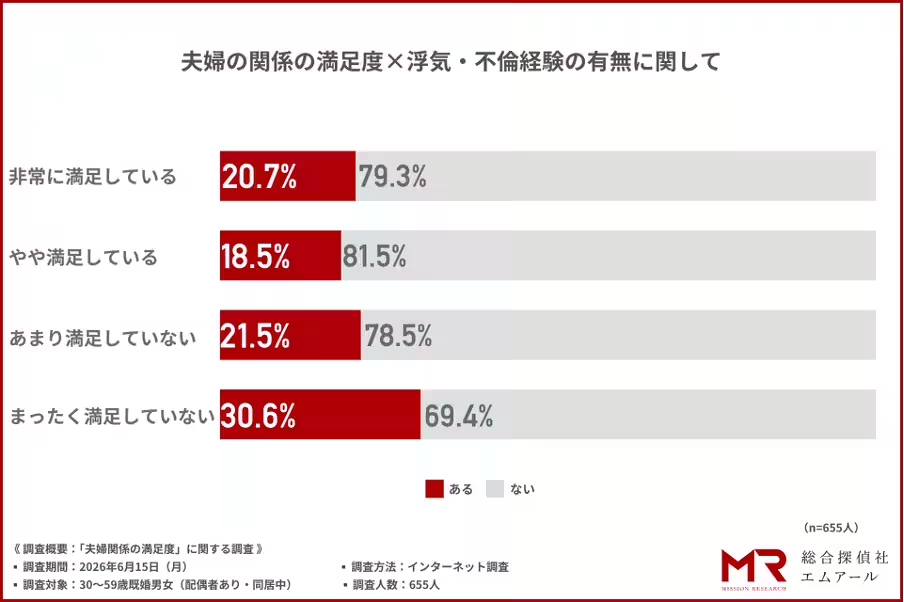
Many participants shared a range of experiences leading to infidelity: dissatisfaction with household responsibilities, dwindling romance, and encountering new connections during challenging times often fostered temptation. Notably, infidelity experiences were significantly higher among those dissatisfied with their marriages, where 30.6% of this group reported having been unfaithful.
Conclusion
The overall implications of this survey underscore the importance of fostering marital satisfaction to mitigate the risks of infidelity. While more than 70% of respondents affirm their happiness in their relationships, the findings are sobering for the 25% who openly express dissatisfaction. The correlation between satisfaction in marriage and the likelihood of infidelity suggests that couples should prioritize open communication, physical affection, and emotional connection to nurture a healthy relationship. As noted in the findings, reduced intimacy and communication not only signify discomfort in the relationship but may also serve as indicators of more serious underlying issues.
Ultimately, this survey not only sheds light on current marital trends but also urges couples to reflect on their relationships. Through nurturing each other’s emotional needs and maintaining a culture of open dialogue, couples can hopefully steer clear of the pitfalls of infidelity, allowing them to maintain fulfilling and satisfying marriages.
Topics People & Culture)
【About Using Articles】
You can freely use the title and article content by linking to the page where the article is posted.
※ Images cannot be used.
【About Links】
Links are free to use.