



The Hottest Ethnic Foods to Try This Summer of 2026: Ranking Revealed
The Rising Trend of Ethnic Cuisine in 2026
As May 29 marks Ethnic Day in Japan, the Japanese Ethnic Association, based in Chiyoda, Tokyo, has released its highly anticipated list of ethnic foods predicted to trend this summer. This year’s ranking showcases a fascinating dominance by Thai cuisine, with all top three spots taken by dishes hailing from Thailand’s Isaan region.
Top Three Ethnic Foods for Summer 2026
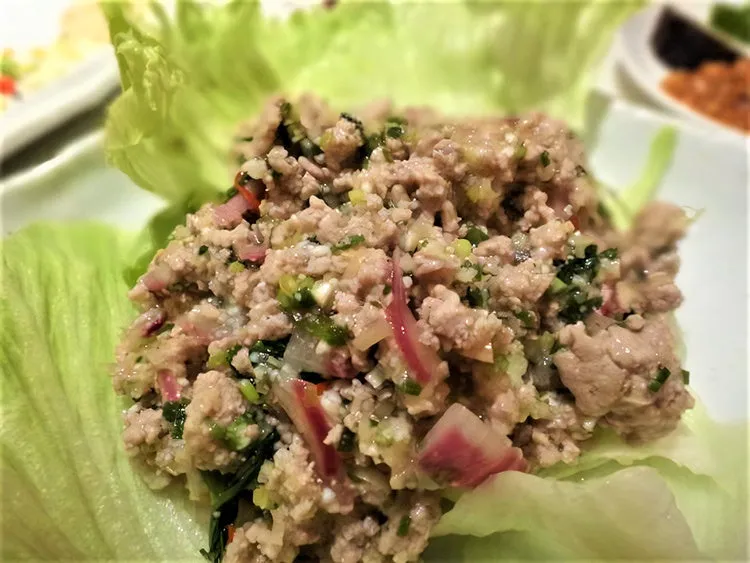
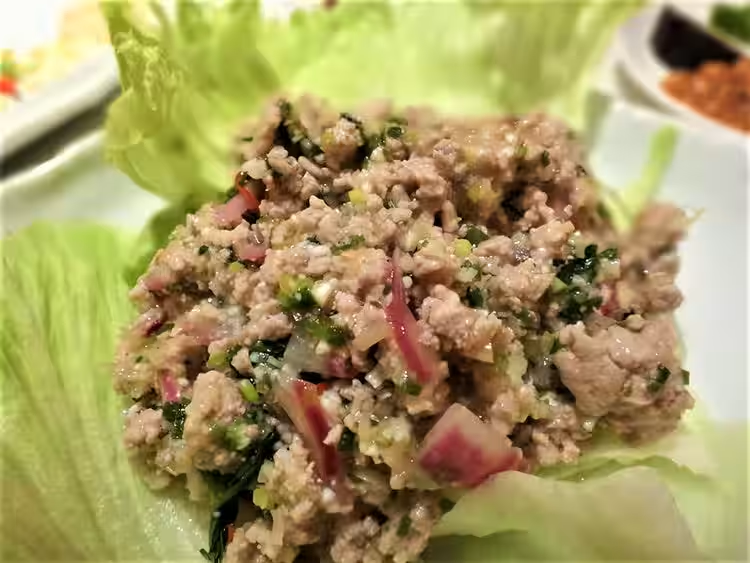
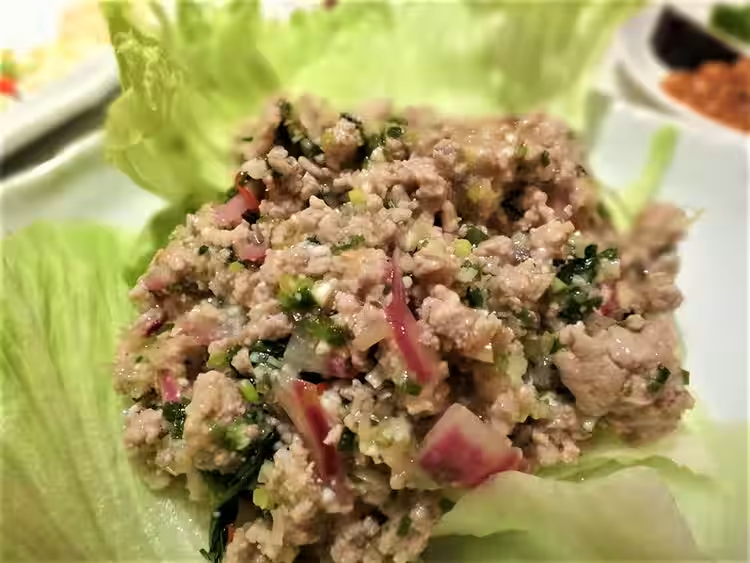
1. Larb (Laap)
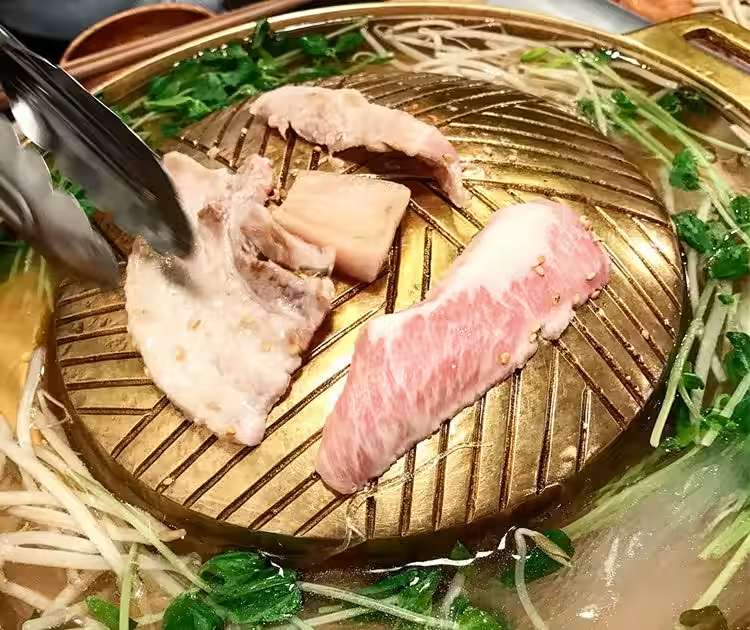
2. Mookata
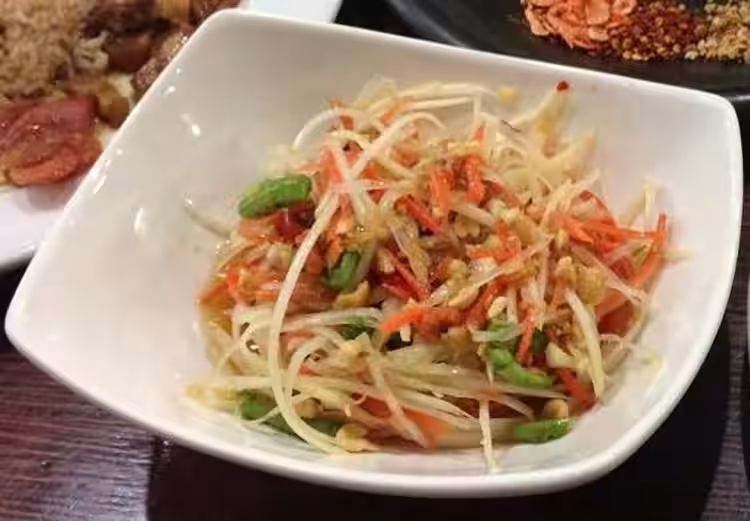
3. Som Tum
1. Larb – A Spicy Delight from Isaan
Larb, a traditional salad dish from Thailand’s northeastern region, has been embraced widely for its unique blend of spices. Crafted by mixing minced meat or fish with fresh herbs, chilies, fish sauce, lime, and roasted rice powder, this dish has crossed geographic boundaries. Today, it’s not uncommon to find Larb in eateries and restaurants throughout Bangkok. Its popularity has also surged among tourists who seek Larb-flavored snacks as souvenirs. As Japanese travelers increasingly explore Thailand’s northern cities, Larb has transitioned from being a mere Thai dish to being recognized as a traditional Isaan delicacy. With variations that cater to local tastes, Larb’s refreshing qualities make it a perfect fit for summer dining.
2. Mookata – A Unique Hotpot Experience
Mookata, a hybrid cooking style that marries barbecue with a shabu-shabu experience, utilizes a specially designed dome-shaped grill pot. It is believed to have been inspired by the Japanese yakiniku culture. This unique method allows diners to grill meats, while the nutritious vegetables simmer in the outer broth. Juicy morsels of meat cooked on the dome release flavors that enhance the broth, creating a delightful medley as diners enjoy both grilling and simmering simultaneously. Popular all across Thailand, Mookata is celebrated for its interactive dining experience, making it a go-to meal for gathering with friends.
3. Som Tum – A Spicy Green Papaya Salad
Som Tum, made from shredded green papaya, packs a punch with its ensemble of garlic, fish sauce, palm sugar, and chilies. In Bangkok, Som Tum Tai tends to be milder compared to the fiery versions from Isaan, offering a sweeter flavor that appeals particularly to women. This vibrant salad boasts various adaptations, from adding carrots and cucumbers to even serving it with vermicelli noodles. The balance of flavors in Som Tum perfectly showcases the essence of Thai cuisine, offering a healthy option for those seeking a spicy bite.
The Origins of the Ranking
The ranking was determined based on a survey conducted between May 12 and May 24, 2026, involving 100 members of the Japanese Ethnic Association. After previously featuring dishes like Achar and Biryani, this year marks a significant shift with a focus on Thai cuisine resonating profoundly with both the local population and visitors alike.
About the Japanese Ethnic Association
Founded in October 2014, the Japanese Ethnic Association aims to promote ethnic culture and cuisine within Japan. The association strives to create new culinary traditions by merging Japanese cuisine with ethnic influences while collaborating with local businesses and municipalities to foster cultural creativity. For more insights, visit their official website: Japanese Ethnic Association.
As summer approaches, there’s no better time to explore these dynamic flavors that ethnic cuisine offers! From the spicy twists of Larb to the engaging Mookata experience, this season promises to tantalize food lovers and newcomers alike.
Topics Consumer Products & Retail)

【About Using Articles】
You can freely use the title and article content by linking to the page where the article is posted.
※ Images cannot be used.
【About Links】
Links are free to use.