



Tsukuba University and Daiwa Life Next Develop Innovative Health Program for Building Managers
Introduction
In an innovative collaboration, Tsukuba University, located in Ibaraki Prefecture, and Daiwa Life Next, part of the Daiwa House Group headquartered in Minato-ku, Tokyo, have developed a health promotion program aimed at building managers. This initiative emerges from a thorough analysis involving around 2,400 building managers and the health check data of 1,700, paving the way for its implementation starting April 2026.
Purpose of the Program
The program is designed to mitigate musculoskeletal diseases and prevent injuries, ensuring that building managers can work healthily for longer periods. It features activities that can be easily integrated into their daily routines, encouraging continuous monitoring for daily health maintenance.
Background of Development
The role of building managers involves significant physical strain due to daily patrols, inspections, and standing tasks, emphasizing the need for a sustainable working environment. With an aging workforce becoming more prevalent, maintaining a healthy work-life balance for older employees is increasingly essential.
Daiwa Life Next has been proactive in promoting employee health as a certified health management corporation. A preliminary survey highlighted that building managers in this organization show positive trends in strength and physical fitness compared to their peers. However, it was noted that there is still room for improvement regarding balance and flexibility, which are crucial for preventing falls and injuries.
Leveraging Tsukuba University's extensive research on maintaining physical functions and work continuity in older ages, the two organizations collaborated to create this program.
Key Features of the Health Promotion Program
1. Data-Driven Program Design
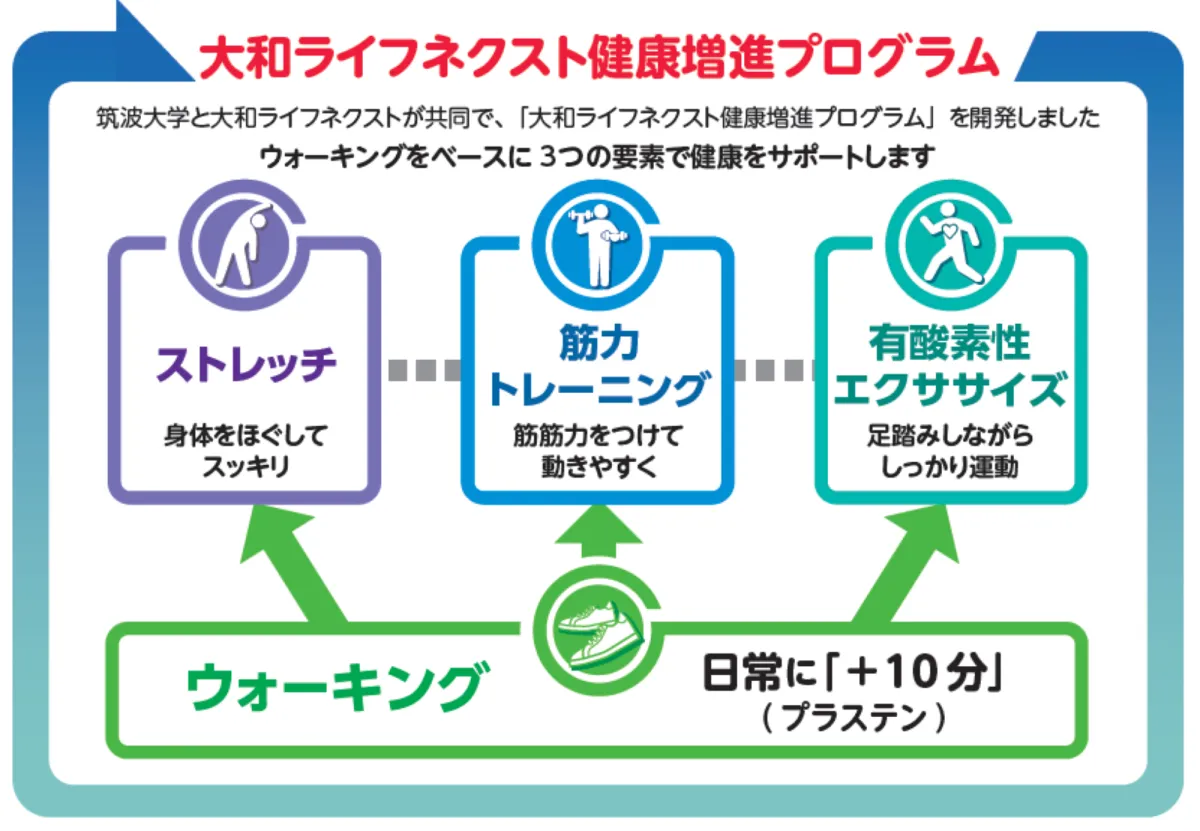
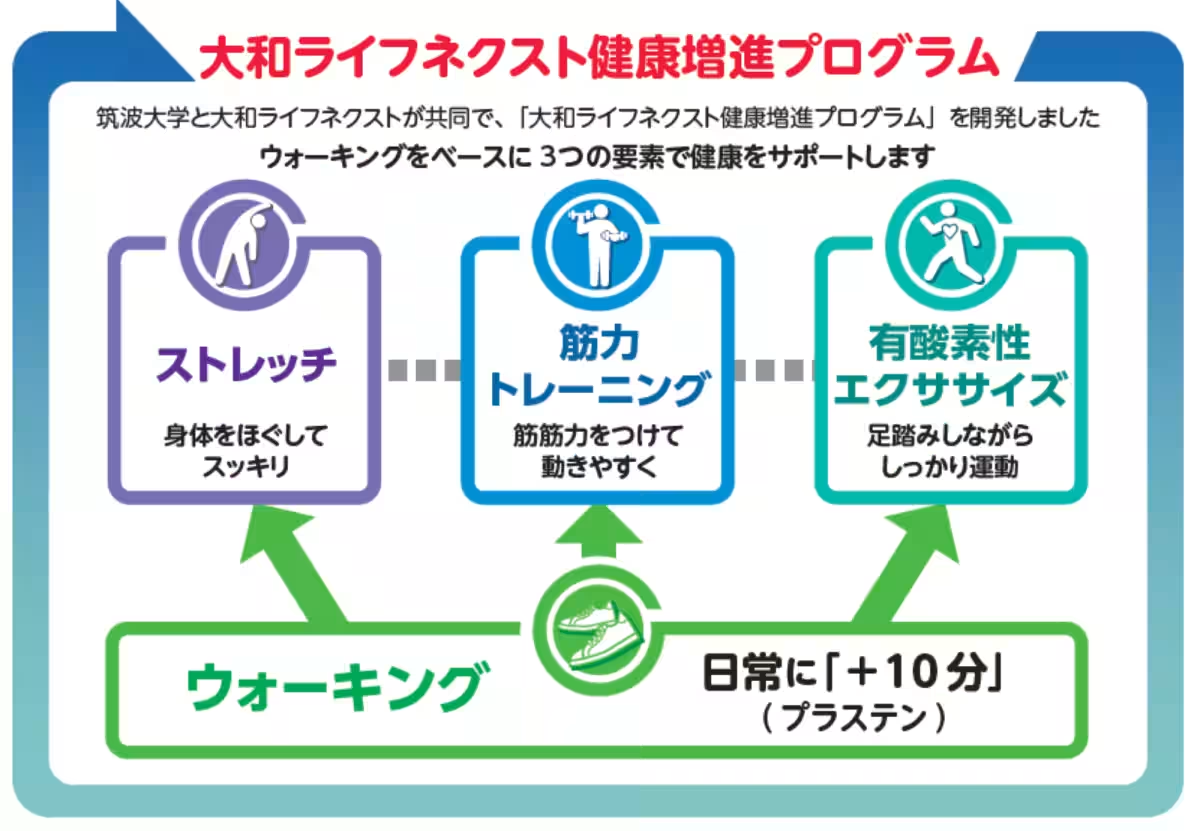
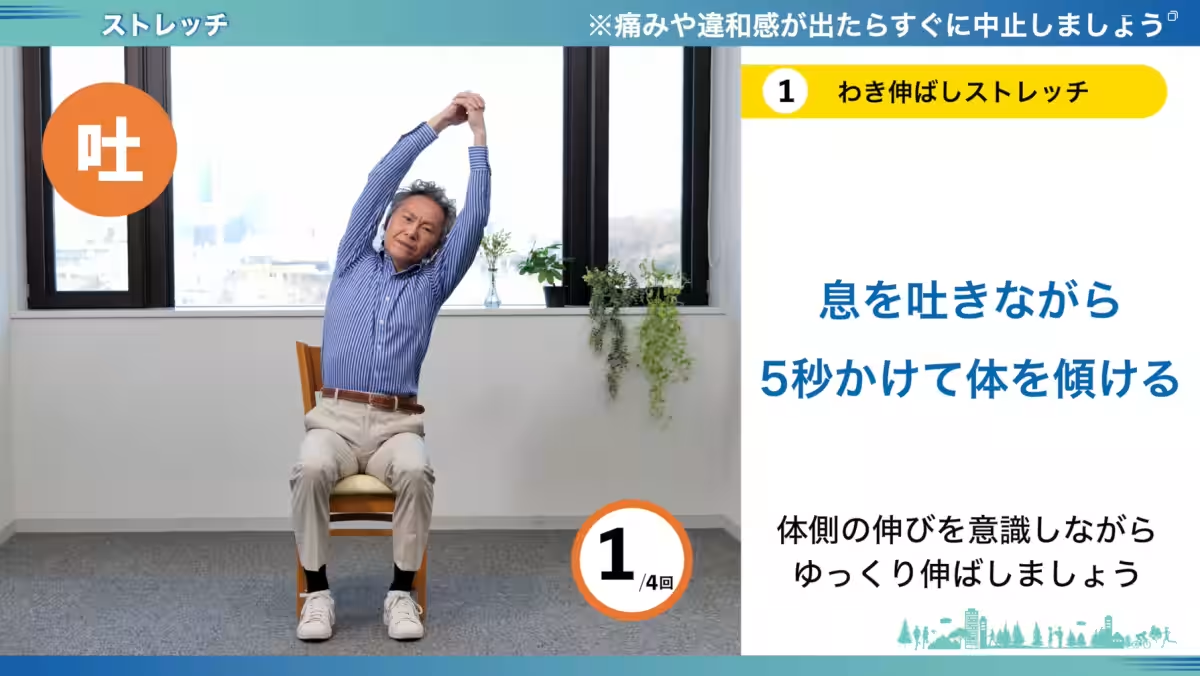
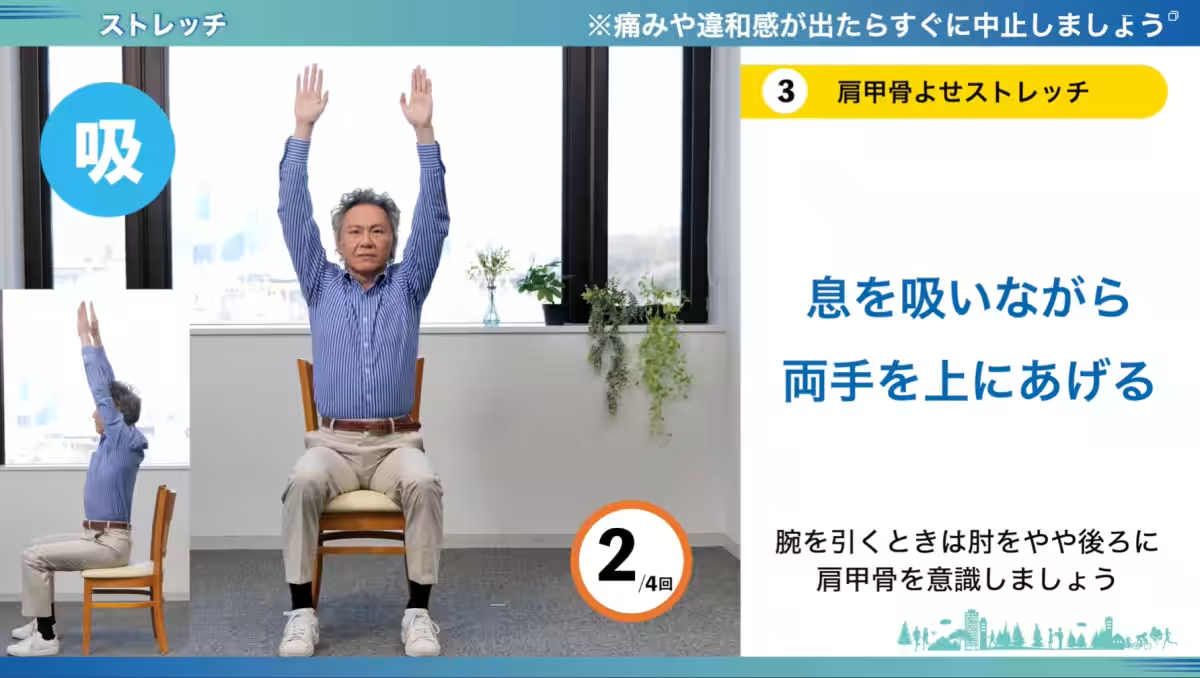
The program is built on insights gained from the survey and health data analysis of approximately 2,400 building managers. It integrates three types of exercises aimed at enhancing flexibility, strength, and balance - incorporating stretching for flexibility, strength training, and aerobic exercises for balance.
2. Effect Verification through Test Operations
- - Test Period: November 2024 - January 2025.
- - Participants: Six building managers aged 60 and above from Daiwa Life Next's Tokyo and Kanto branches, with pre-and post-test physical data.
- - Effectiveness Assessment Method: Validated through paired t-tests to discern statistically significant differences.
Summary of Results
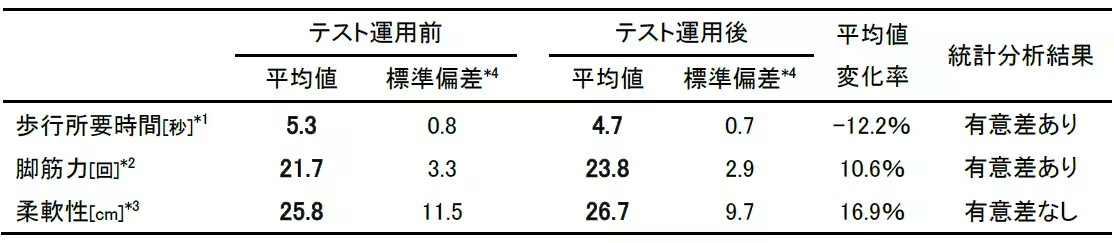
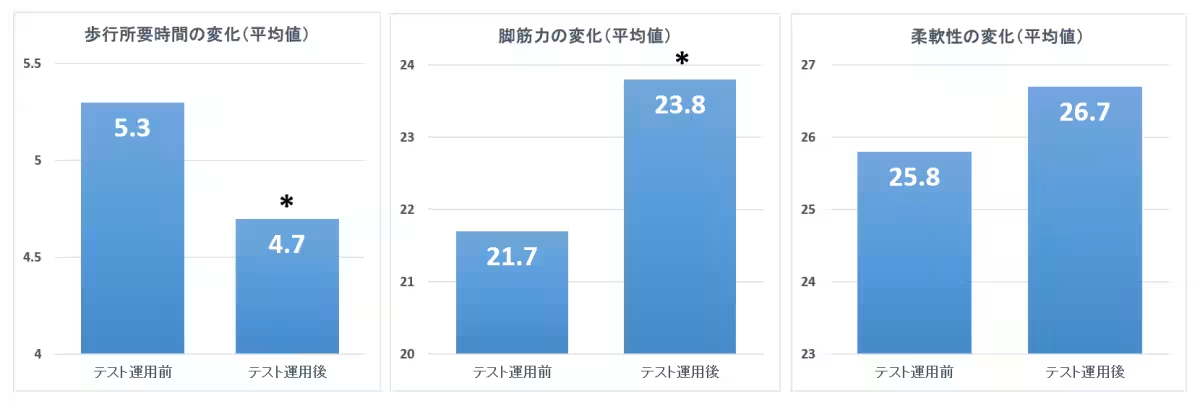
After two months of testing, improvements in walking ability and lower leg strength were statistically confirmed, suggesting the program's potential in injury prevention. While there were substantial individual differences in flexibility with no statistically significant results, a positive trend was observed in the average scores.
3. Quick and Practical “12-Minute” Program
Designed for convenience, this program can be conducted in a compact space within a short timeframe of 12 minutes, allowing easy integration into work routines during breaks or pre/post shifts. This approach builds awareness of physical decline and supports health maintenance.
Participant Feedback
A 69-year-old building manager expressed, "I was confident in my fitness, but incorporating various stretches during the test periods made me feel healthier than ever, allowing me to actively spend my weekends and enhance my work vitality. My well-being is key to enjoying my varied daily interactions."
Academic Insights
Associate Professor Tanabe from Tsukuba University remarked that in the era of an aging population, maintaining health while continuing to work has essential implications for both individuals and society. The importance of this program lies in its concerted effort to blend health maintenance with workplace productivity, particularly focusing on preventing falls and injuries.
Future Prospects
Moving forward, Daiwa Life Next will continue monitoring participation and absenteeism rates while enhancing health-related strategies for their workforce. The insights obtained from this health program will inform future health support measures, fostering a secure working environment for building managers.
Conclusion
By prioritizing the creation of a sustainable work environment through health promotion, this program aims to set a precedent for health initiatives across various sectors as society transitions into a super-aged future.
Topics Health)
【About Using Articles】
You can freely use the title and article content by linking to the page where the article is posted.
※ Images cannot be used.
【About Links】
Links are free to use.