




How Blockchain Technology is Transforming International Payment Processes
The Evolution of International Payments with Blockchain
In recent years, international payments have faced numerous challenges, including time delays, foreign exchange complexities, and banking hour restrictions. The emergence of blockchain technology offers potential solutions to these longstanding issues.
What is Blockchain?
Blockchain is a decentralized digital ledger that records transactions across multiple computers so that the recorded transactions cannot be altered retroactively. This technology has garnered attention for its application in cryptocurrencies, such as Bitcoin and Ethereum, but its potential goes far beyond just digital currency transactions.
The Challenges of International Transactions
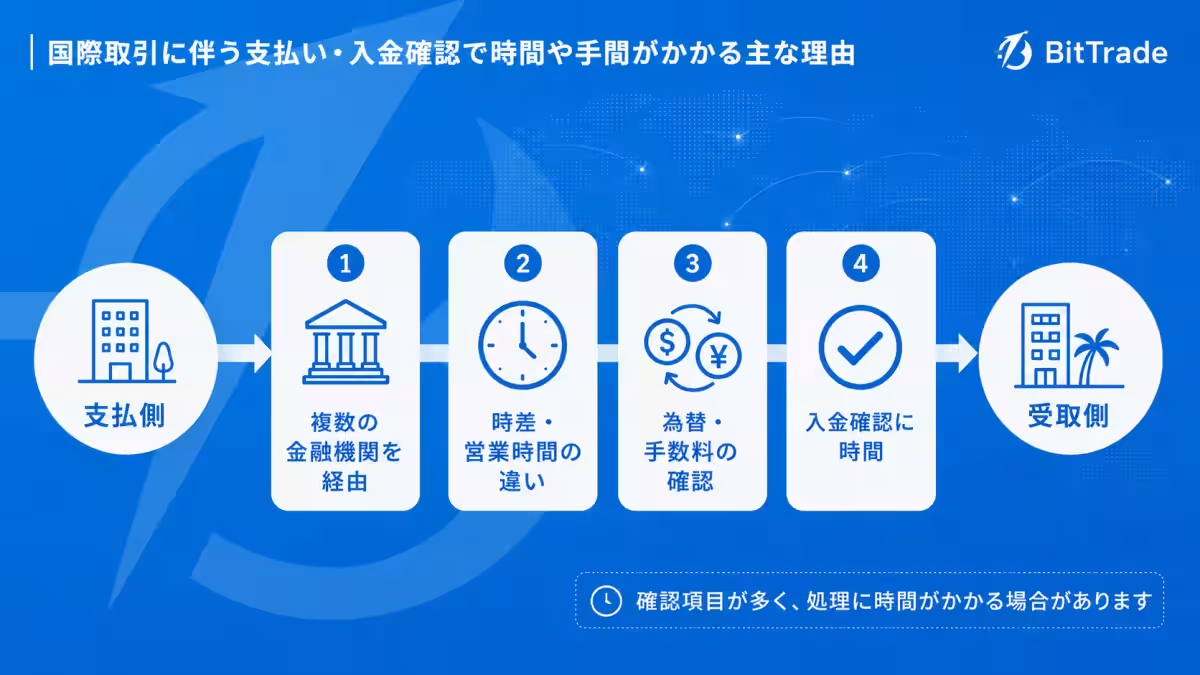
International transactions involve a multitude of factors that can complicate payments. Unlike domestic transactions, where payments are typically straightforward, international payments can require interactions with multiple financial institutions. Some challenges include:
- - Time Zones: Different banking hours around the world can delay processing times.
- - Exchange Rates: Fluctuating exchange rates can affect the actual amount received.
- - Fee Structures: Additional transaction fees can increase costs for businesses, especially for smaller transactions.
- - Verification Requirements: In absence of automation, verifying payment statuses and confirmations can be onerous.
These complexities highlight the need for innovative solutions in the realm of international finance.
Enter Stablecoins
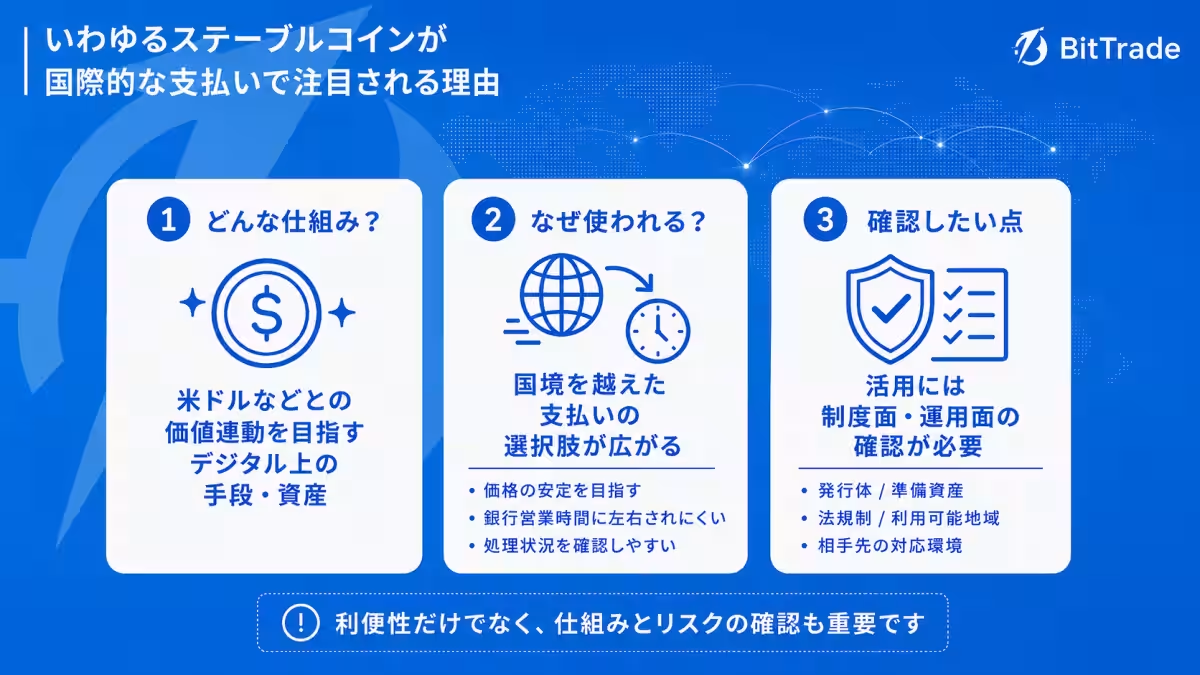
Stablecoins are designed to have a stable value by pegging their worth to a reserve of assets, usually traditional currencies. This creates a more predictable cryptocurrency option, making stablecoins ideal for international payments. Some compelling attributes include:
- - Reduced Volatility: Unlike Bitcoin or Ethereum, stablecoins are less susceptible to market swings, making them a more viable option for payment.
- - Borderless Transactions: Blockchain technology allows the transfer of assets across international borders without the accompanying constraints of traditional banks.
Real-World Implementations of Blockchain in Payments
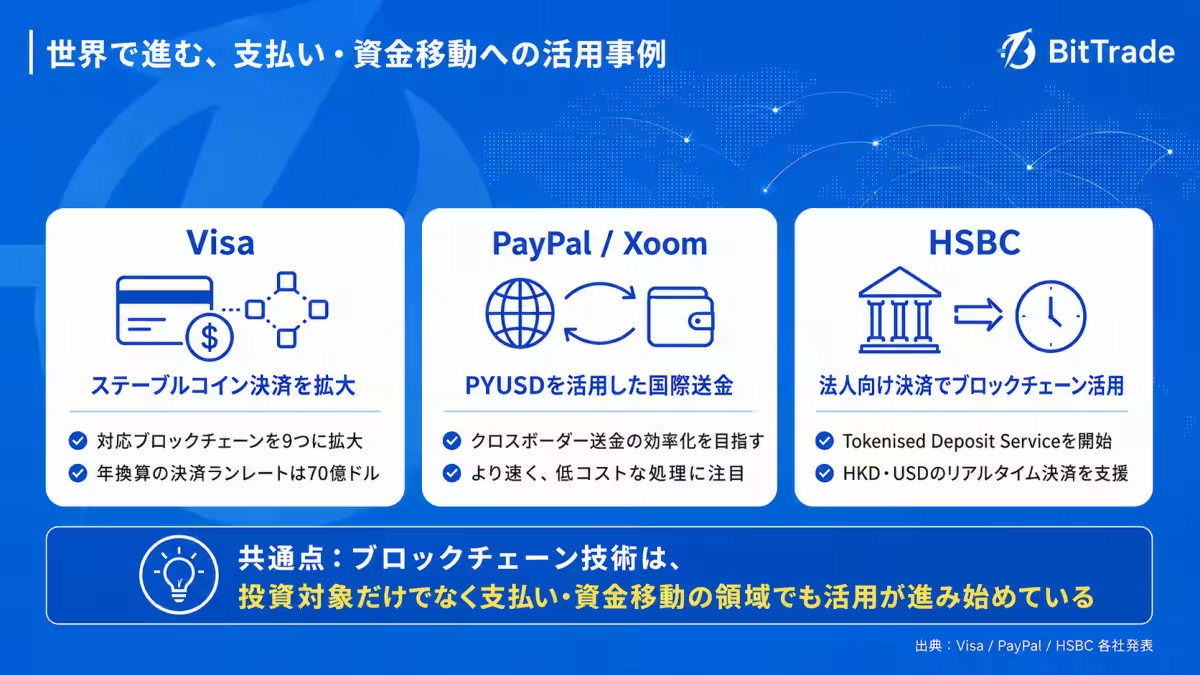
Globally, companies are starting to adopt blockchain and stablecoins into their payment infrastructures. Here are a few notable examples:
1. Visa: In early 2026, Visa expanded its pilot program for stablecoin payments to include nine different blockchains, demonstrating a rapid increase in transaction volumes and attempts to integrate with existing payment networks.
2. PayPal & Xoom: PayPal is leveraging stablecoin functionality in its Xoom service to facilitate faster cross-border payment processing, emphasizing the backend use of blockchain technology without making it a focal point for users.
3. HSBC: HSBC launched a Tokenised Deposit Service in Hong Kong, allowing corporations real-time payments among tokenized deposits. This service indicates a shift towards more efficient cash management strategies.
New Horizons for International Transactions
As businesses grow, effective payment and fund management solutions become increasingly crucial. Blockchain technology enhances the capacity for real-time payment confirmations, reduces the need for multiple bank verifications, and can streamline cross-border transactions significantly. It is vital to remember that while blockchain presents new possibilities, it is not a one-stop solution that resolves all existing issues. Regulatory considerations, accounting practices, and partner readiness need to be assessed before implementation.
BitTrade's Contribution to the Future of Payments
Recognizing the importance of blockchain technology, BitTrade has aligned itself with Japan's Trade Promotion Organization (JETRO) to explore how blockchain and digital assets can be utilized. Their extensive knowledge in cryptocurrency trading positions them well to contribute to broader discussions about technology’s role in international payments.
Conclusion
The financial landscape is witnessing significant transitions, particularly in the domain of international payments facilitated by blockchain technology. Companies like Visa, PayPal, and HSBC are already showcasing the practical applications of stablecoins and blockchain, paving the way for efficient financial operations across the globe. While there are many aspects to address regarding regulations and operational logistics, the increasing involvement of blockchain in international transactions signals a promising future for global commerce. BitTrade remains committed to educating and guiding its users through evolving technologies in the cryptocurrency space.


Topics Consumer Technology)

【About Using Articles】
You can freely use the title and article content by linking to the page where the article is posted.
※ Images cannot be used.
【About Links】
Links are free to use.