



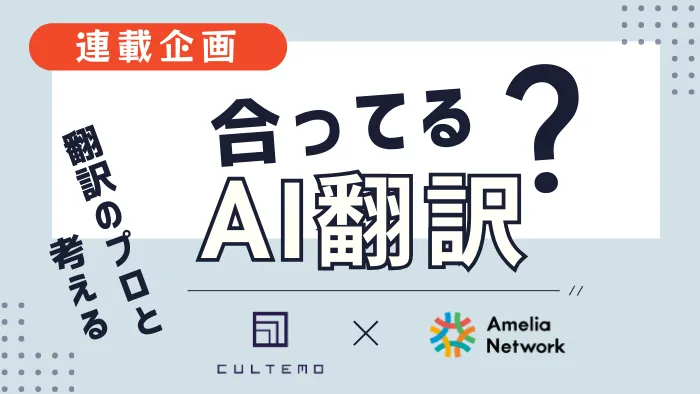
Understanding AI Translation: Insights to Recognize Misleading Translations
Delving into AI Translation
In recent years, AI translation has gained immense traction, thanks to tools like ChatGPT and DeepL. These platforms offer translations that sound incredibly natural, presenting a new set of challenges for business professionals. Despite their sophistication, many users find themselves asking, "Is this translation really accurate?" and "Can I use this without concerns?" This reflection highlights the need for a deeper understanding of AI translation, which is the primary aim of the newly launched series titled 'Is It Accurate? AI Translation' by Amelia Network and Cultemo.
The Birth of a New Column
Launched on December 15, 2025, this series arises from a growing awareness that, while AI translations appear seamless, they can often mask significant errors. The assumption that a natural-sounding sentence equates to an accurate one is a prevalent misconception. By focusing on the nuances of translation, the series intends to assist readers in adopting the right mindset when leveraging AI for their business needs.
Bridging the Gap
The underlying issue lies in the expectation that "natural equals accurate". Many users assume that the lack of glaring mistakes means the translation is appropriate for professional use. However, the truth is that the more subtle a translation appears, the easier it is for misunderstandings to slip through. This column aims to enlighten readers on the importance of maintaining a critical perspective, ensuring they use AI translations judiciously.
Key Features of the Series
The 'Is It Accurate? AI Translation' series comes with three key characteristics designed to make the content accessible and informative:
1. No Specialized Knowledge Required
Unlike many translation-related articles, this series doesn't require prior expertise in translation. It caters specifically to professionals who utilize AI translation tools in their daily work, ensuring the concepts are straightforward and easy to grasp.
2. Provided Insights from Translation Professionals
Each installment features insights from translation experts who highlight the common pitfalls of seemingly natural translations. Readers will learn exactly what to scrutinize to discern potential issues, empowering them to check translations effectively.
3. Learning through Concrete Examples
The articles will tackle frequent scenarios and expressions that can lead to misunderstandings. They will explain what can go wrong and why, with an aim to equip readers with knowledge and vigilance in real-world applications.
Exploring Common Missteps
Kimono Business's commitment to dissecting everyday occurrences in AI translation will be illustrated in various articles, addressing themes such as:
- - Pronouns and Ambiguity: How simple words like 'this' and 'that' can lead to confusion due to the context that AI might miss.
- - Robot-like Translations: Investigating translations that may be accurate in meaning but lack the fluidity of human writing.
- - Understanding Over-Interpretation: Instances where AI translates something that seems plausible yet is fundamentally incorrect.
- - The Challenge of Short Titles: Short phrases that AI struggles to translate correctly because they often contain multiple meanings.
- - AI's Misinterpretation Risks: How AI can distort messages based on its inherent biases.
Going forward, the column will continuously introduce themes that reflect the pressing need for understanding and accurately leveraging AI translation tools in business settings. As these applications evolve, cultivating the ability to evaluate their outputs critically is not just beneficial but essential.
Conclusion
The collaboration between Amelia Network and Cultemo not only represents a commitment to enhancing translation literacy but also underscores the need to highlight translators' indispensable role in today's AI-powered landscape. By fostering a deeper comprehension of AI translation's workings, the series encourages professionals to navigate their translations thoughtfully. As you engage with AI in your work, remember that understanding its limitations can lead to clearer and more effective communication.
For more insights or inquiries, reach out to the Fellow Academy or visit Amelia Network and Cultemo.


Topics Business Technology)
【About Using Articles】
You can freely use the title and article content by linking to the page where the article is posted.
※ Images cannot be used.
【About Links】
Links are free to use.