



The Impact of Exercise on Brain Activity During Cognitive Tasks: New Insights
The Impact of Exercise on Brain Activity During Cognitive Tasks: New Insights
In recent research conducted collaboratively by the National Institute of Advanced Industrial Science and Technology (AIST) and the University of Texas Southwestern Medical Center, significant findings were established regarding how physical exercise influences brain activity during cognitive tasks. This groundbreaking study, led by Dr. Ryota Asahara and his colleagues, employed advanced imaging technologies to reveal fascinating insights about the interplay between aerobic exercise, cognitive function, and the neural mechanisms involved.
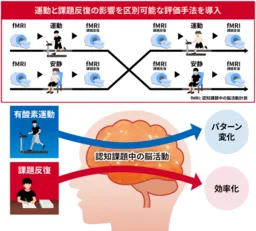
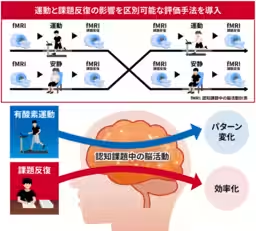
The research elucidated distinctions between the influences of exercise itself and the repeated performance of cognitive tasks—referred to as 'task repetition'. By using a robust study design, the researchers effectively observed how aerobic exercise modifies brain activity patterns while also evaluating the effects of task repetition on cognitive efficiency. These findings could have important implications for enhancing cognitive functions and preventing cognitive decline, especially in elderly populations.
Key Findings
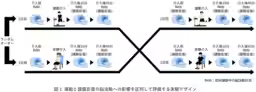
1. Differentiating Effects of Exercise vs. Task Repetition: Prior to this study, there was insufficient clarity on how exercise influenced brain activity compared to the cognitive task repetition effect. By employing a crossover study design with young and older adults, the researchers were able to isolate and analyze the specific impacts each factor had on brain functioning.
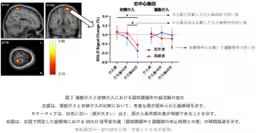
2. Changes in Brain Activity Patterns: The results demonstrated that aerobic exercise leads to significant changes in the neural correlates present during cognitive tasks, particularly emphasizing alterations in brain activity within the parietal and frontal regions. In contrast, task repetition contributed to a more efficient cognitive processing dynamic.
3. Enhancing Cognitive Function: Participants reported improvements in cognitive task performance post-exercise, aligning with previous findings that link physical activity to enhanced cognitive abilities. However, this study emphasizes the need for further exploration into how brain activity evolves due to exercise, suggesting that visible changes in brain function could motivate individuals to maintain their exercise routines.
Importance of Visualization in Cognitive Interventions
One of the critical revelations of this research is its potential to motivate individuals, especially older adults, to engage in regular physical activity. Often, the cognitive benefits of exercise are subtle and difficult to perceive in daily life. However, by visualizing changes in brain activity associated with exercise, individuals may more readily recognize the benefits, encouraging ongoing engagement with physical fitness regimes.
By illustrating the direct impacts of exercise on cognitive function—beyond just performance outcomes—this study urges a shift in focus towards underlying neural changes. Such a perspective not only enriches our understanding of cognitive mechanisms but also strengthens the rationale for integrating exercise into broader public health initiatives aimed at reducing dementia and cognitive decline's rising prevalence.
Future Directions for Research
Looking ahead, the team plans to explore the long-term effects of acute aerobic exercise on maintaining cognitive functions, emphasizing the development of practical strategies that can be easily integrated into daily routines. They also aim to enhance methodologies for assessing brain activity concerning aging impacts and task repetition.
The significance of this research has been recognized in various academic circles and will be published in the upcoming issue of the Journal of Magnetic Resonance Imaging, solidifying its role in fostering deeper insights into cognitive health through exercise.
In summary, this study paves the way for innovative interventions that leverage exercise to not only bolster cognitive function but also enrich quality of life, especially amidst an aging global populace. The implications of these findings resonate widely, advocating for an integrated approach that considers both physical and cognitive wellness in future healthcare planning.

Topics Health)
【About Using Articles】
You can freely use the title and article content by linking to the page where the article is posted.
※ Images cannot be used.
【About Links】
Links are free to use.