




Understanding the Critical Role of Electricity in Disaster Preparedness and the Need for Action
The Importance of Electricity in Disaster Preparedness
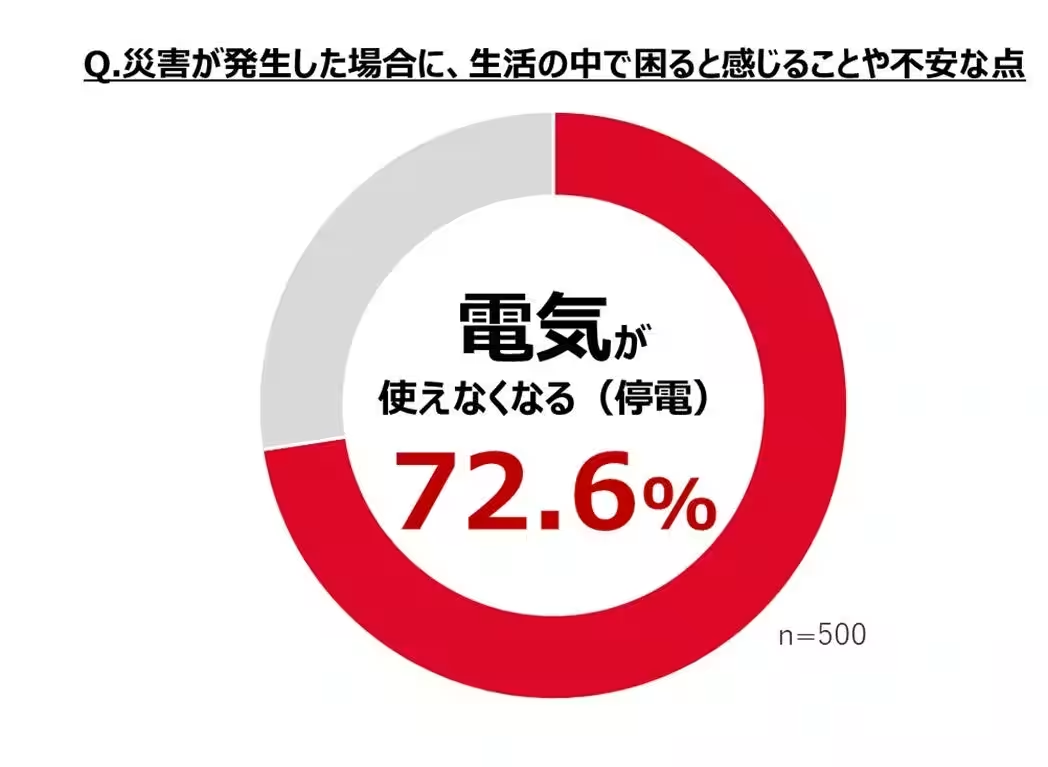
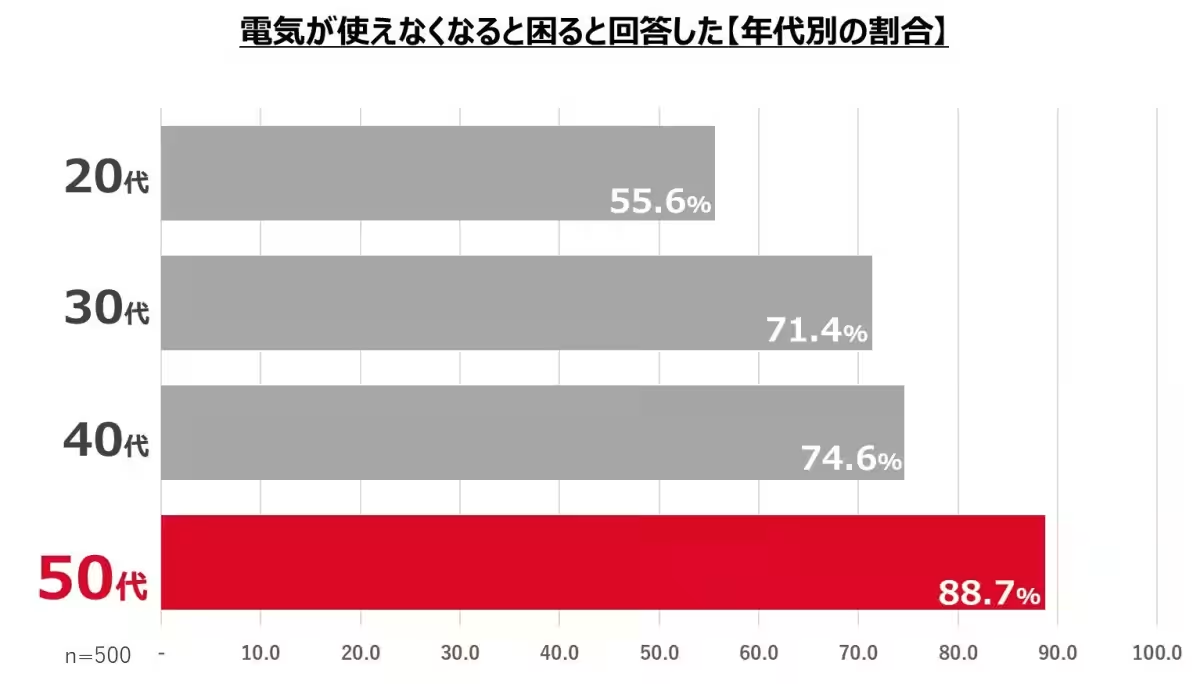
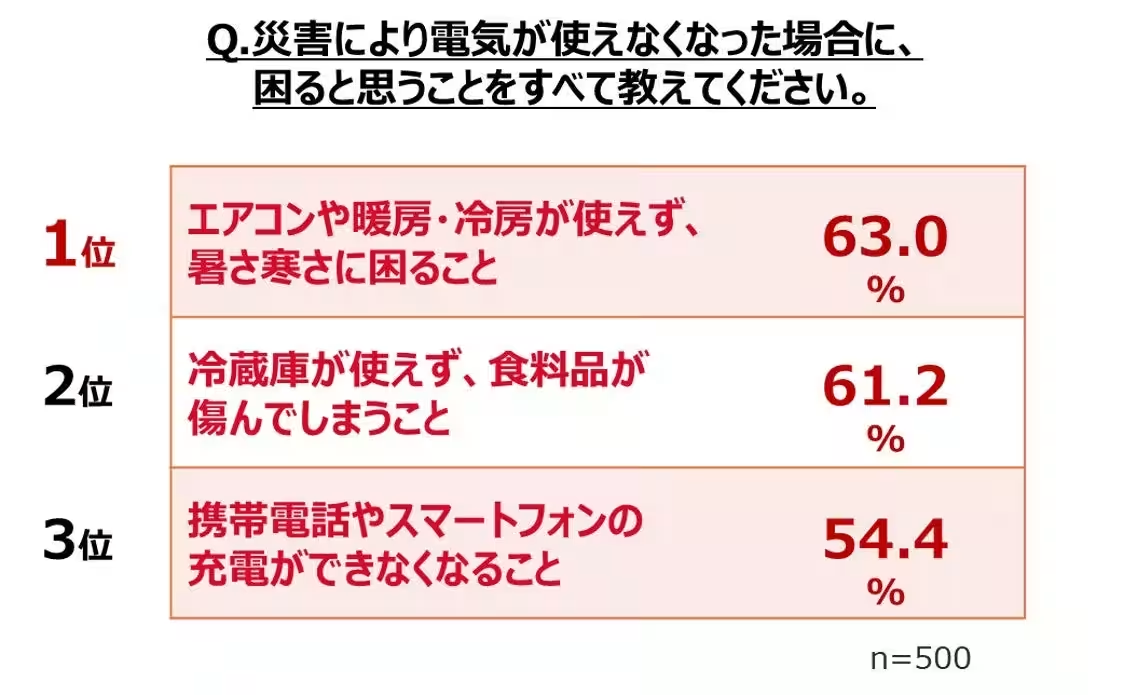
A recent survey conducted by Tokyo Electric Energy Partner Co., Ltd., revealed alarming insights regarding the public's perceptions and preparedness for disaster scenarios involving power outages. Over 72% of respondents expressed significant anxiety over the potential loss of electricity during disasters, particularly highlighting pressing concerns about the implications of not having power, such as the inability to use air conditioning, refrigeration, and basic lighting. Alarmingly, this anxiety is most pronounced among individuals in their 50s, with an estimated 88.7% expressing concerns about the ramifications of such outages.
Key Findings from the Survey
1. Anxiety Over Power Outages
Among the respondents, a staggering 72.6% identified power outages as a primary concern during disasters. The fear of losing electricity, which serves as a foundation for modern living, points to a broader recognition of its importance. Specifically, those in their 50s reported heightened levels of anxiety regarding potential power outages. The necessity for establishing a reliable source of electricity during emergencies underscores the vital role that power plays in everyday life.
2. Experiences of Disaster Victims
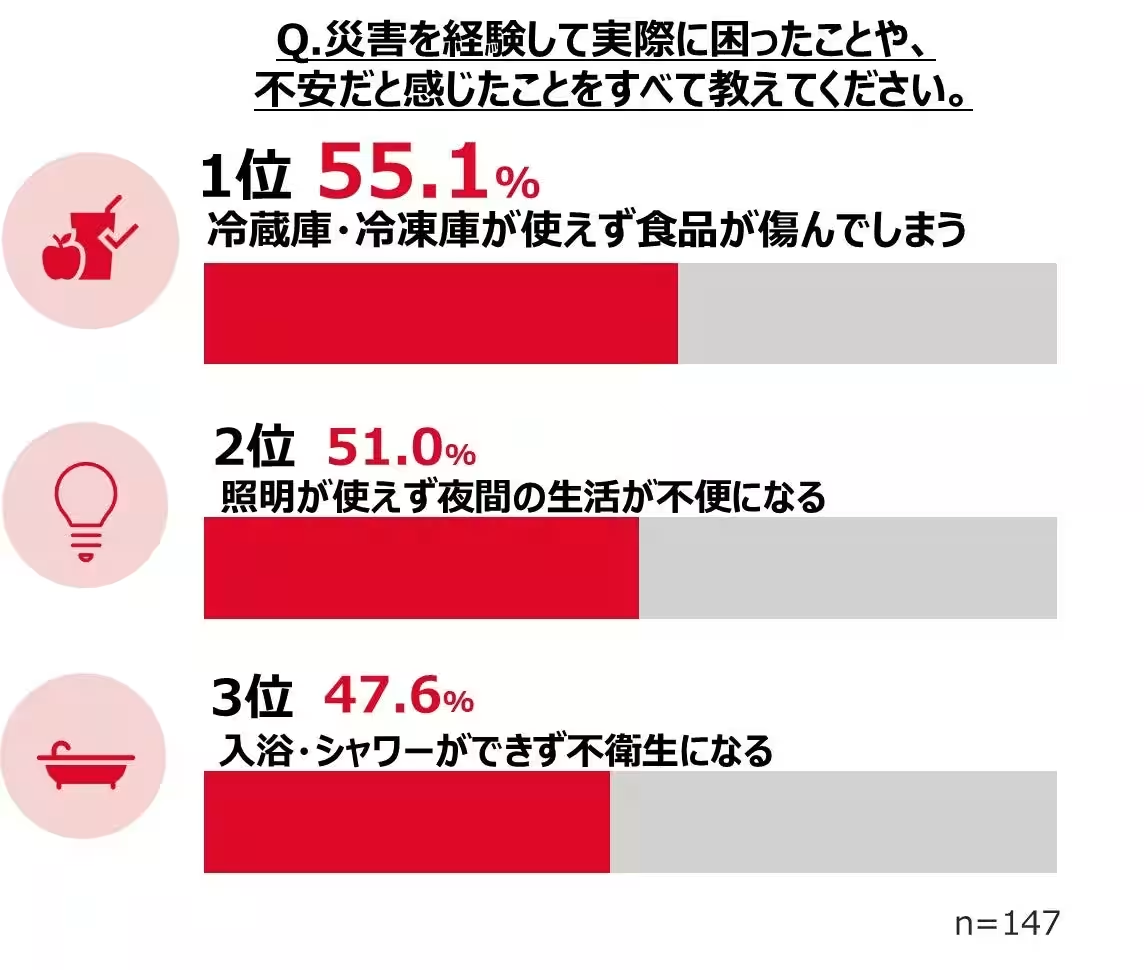
Survey participants who had experienced disasters reported issues primarily related to the unavailability of essential electrical appliances. Many indicated that they were most troubled by the inability to use their refrigerators and lighting during crises, further emphasizing the critical function of electricity in maintaining daily life and safety. Adequate food preservation and home safety are paramount, indicating that electricity is not merely a convenience but a core element of living infrastructure.
3. The Discrepancy in Preparedness
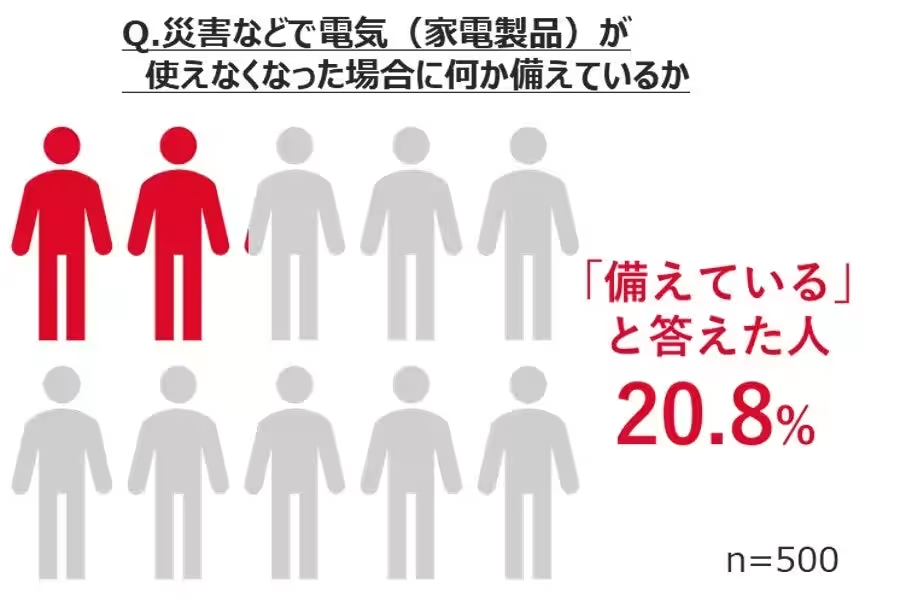
Despite widespread acknowledgment of electricity's significance, only about 20.8% of respondents reported having adequate preparations for power outages during disasters. This reveals a concerning gap between awareness and action. While there is significant recognition of the importance of power, far fewer individuals take steps to prepare adequately for potential outages, highlighting an urgent need for increased effort towards disaster preparedness.
4. Lack of Knowledge About Preparedness
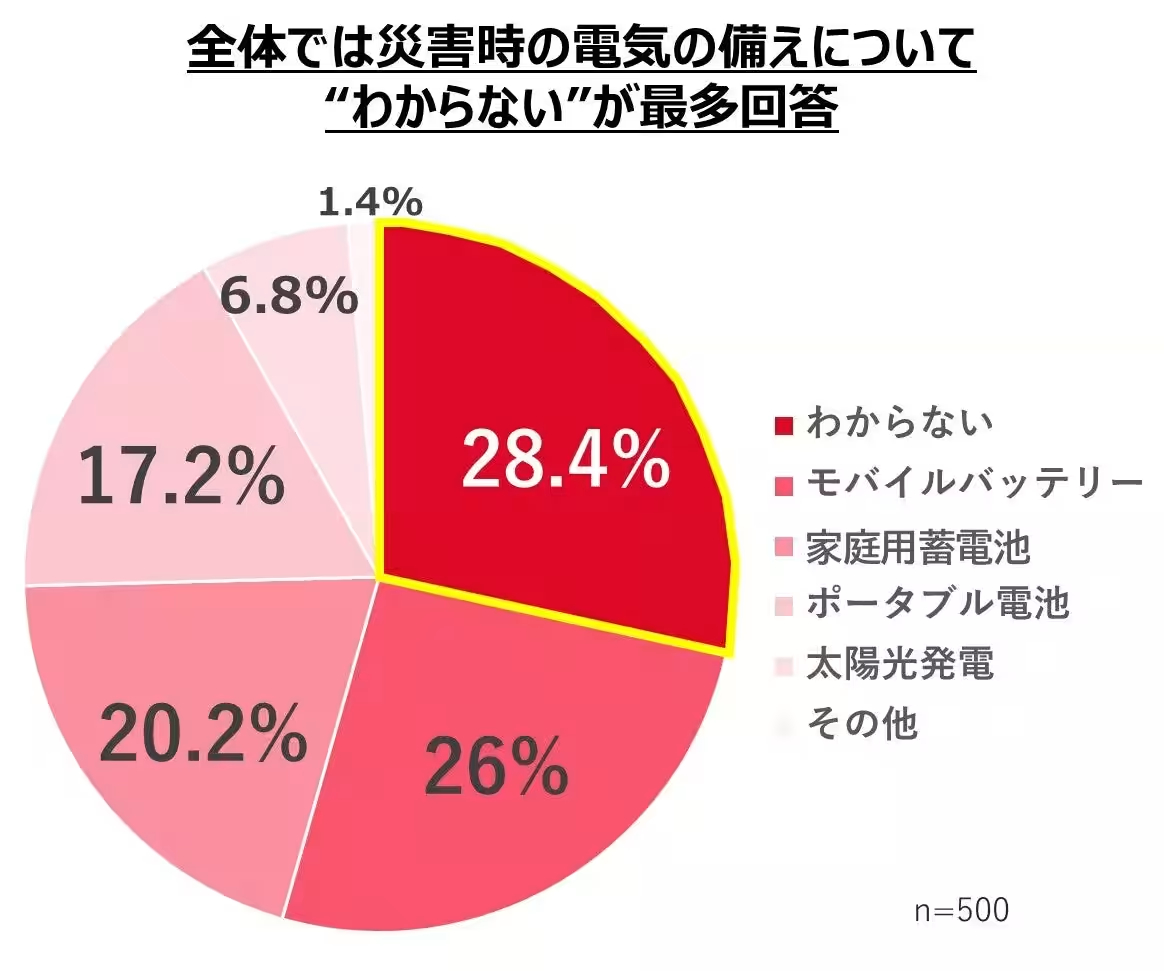
When asked about necessary preparedness measures, nearly 28.4% responded that they did not know what items or actions were essential for disaster readiness. This figure rose to 44.7% among those without any existing preparations, showcasing a lack of knowledge and information that could inhibit proactive measures. Recognizing the potential severe health risks associated with protracted power outages should encourage individuals to engage in personal preparedness planning.
5. Expert Insights on Power Importance
Emergency management consultant Takamasa Wada emphasizes that ensuring electrical power during disasters is critical—especially for those opting to remain in their homes during emergencies. Electricity is necessary for various modern amenities such as air conditioning, refrigeration, and power for mobile devices. Extended outages may lead to health risks and security issues, compromising both community safety and overall wellbeing.
Wada advocates for the necessity of maintaining a sufficient power supply during potential home confinements. He highlights that in disasters, especially when evacuation centers become overcrowded, it may often be safer to remain at home if power can be secured. This approach further incentivizes families to invest in personal energy solutions, ensuring that electrical needs are met.
The shift towards decentralized power solutions, such as solar panels and battery storage systems, is emerging as a critical response for maintaining essential services during crises. Improving awareness and proactive planning surrounding electricity in disaster preparedness can enhance community resilience and safety.
Conclusion
The appraisal of electricity's role reveals a significant disconnect between public sentiment and preparedness measures. As fears regarding the impacts of electricity loss during disasters grow, the need for actionable preparedness steps is paramount. Policymakers, businesses, and communities must prioritize educational steps and resources that guide individuals on how to safeguard their homes and families against electrical outages. In an era where electricity underpins much of modern living, empowering residents with the knowledge and means to prepare can significantly mitigate risks and enhance community resilience.
Additional Resources
For more comprehensive information on disaster preparedness, consider local emergency management workshops and resources that focus on energy sustainability options.


Topics Policy & Public Interest)
【About Using Articles】
You can freely use the title and article content by linking to the page where the article is posted.
※ Images cannot be used.
【About Links】
Links are free to use.