



April 8th: The Importance of White Teeth in First Impressions
April 8th: Recognizing the Significance of White Teeth
April 8th has been officially declared 'White Teeth Day' by the Sunstar Group, aiming to inspire individuals to embrace their natural tooth color and enhance their smiles with confidence. The date holds significance as 4 (white) and 8 (teeth) phonetically represent the importance of white teeth in the Japanese language. This initiative aims to underline the growing trend where people seek beauty not just in their hair and skin but also in the natural whiteness of their teeth.
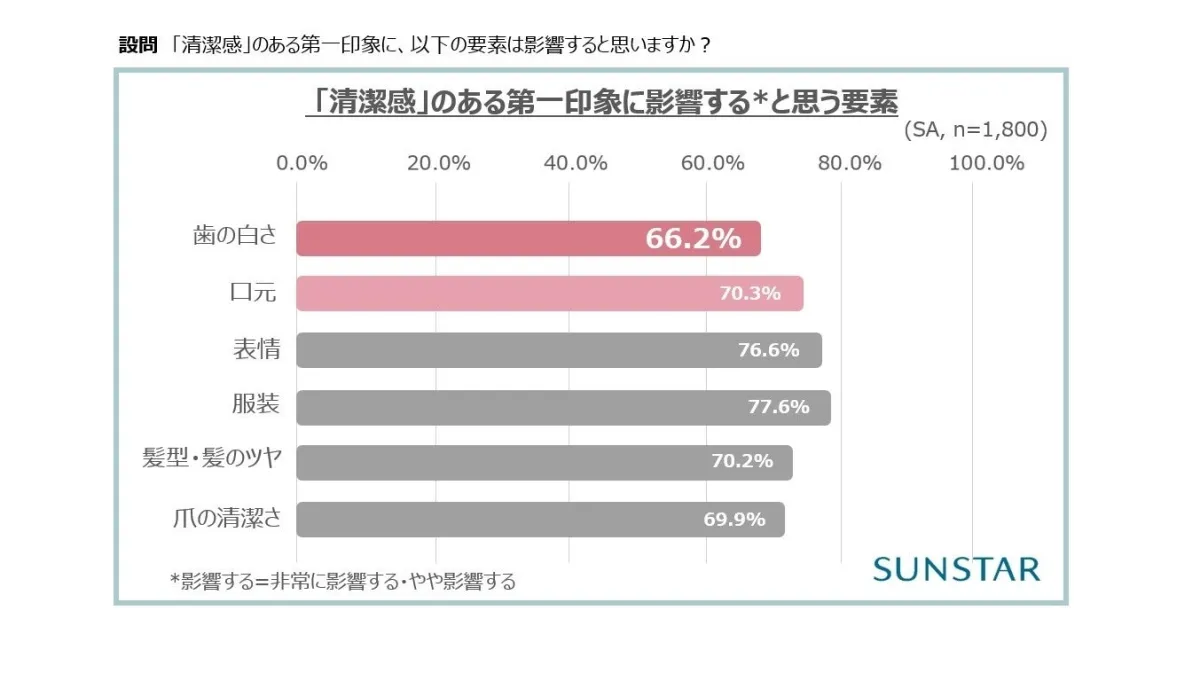
To further this goal, the Ora² brand, known for its oral beauty care products, conducted a survey titled 'Awareness Survey on Self-Care and Appearance' with 1,800 participants, including 80 beauty-conscious women. The research focused on understanding people's perception of dental whiteness and the prevalence and recognition of stains on teeth. The findings revealed that approximately two-thirds of the participants believed that the whiteness of teeth significantly influences first impressions, yet less than 20% of them actively engage in stain removal care, referred to as 'stain cleansing.' Furthermore, about 70% of respondents lacked familiarity with the term 'stain,' highlighting the urgent need for accurate communication regarding stain removal and its significance.
Survey Insights
1. Impact of Teeth Whiteness on First Impressions: Nearly 66.2% of respondents rated the whiteness of teeth as crucial for a first impression.
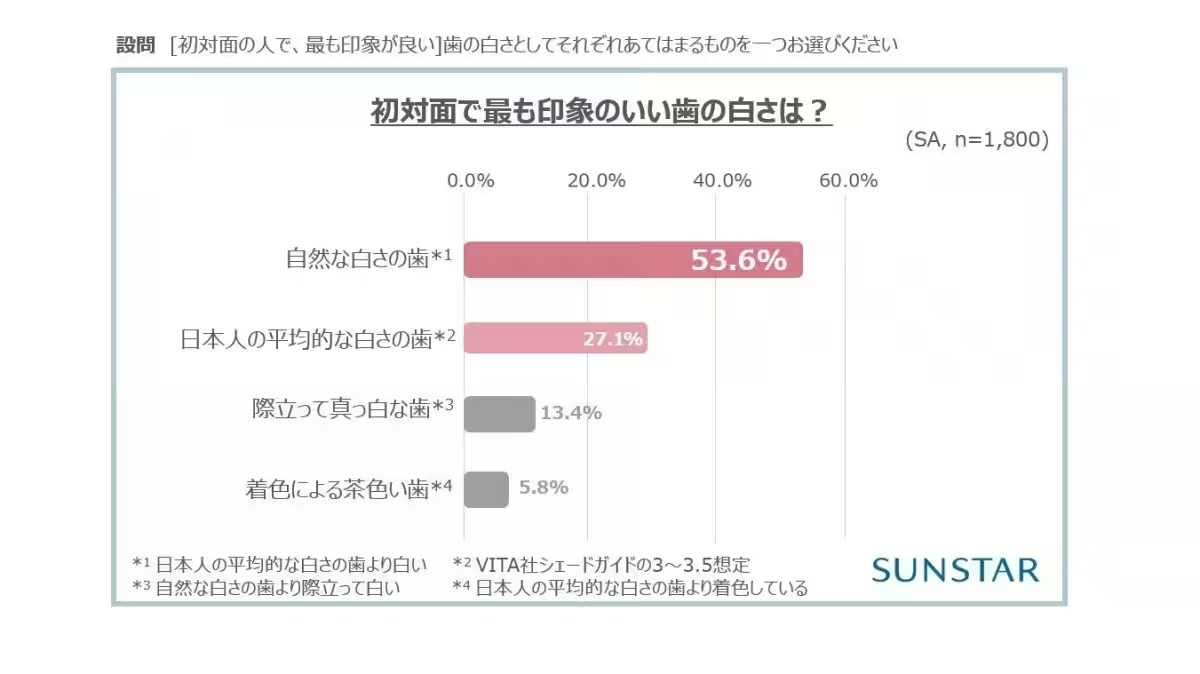
2. Preference for Natural Whiteness: In terms of the most appealing tooth color, 53.6% preferred teeth with a natural whiteness over overly bright, porcelain-like shades. Many cited the reasons being that naturally white teeth appear healthier and more approachable.
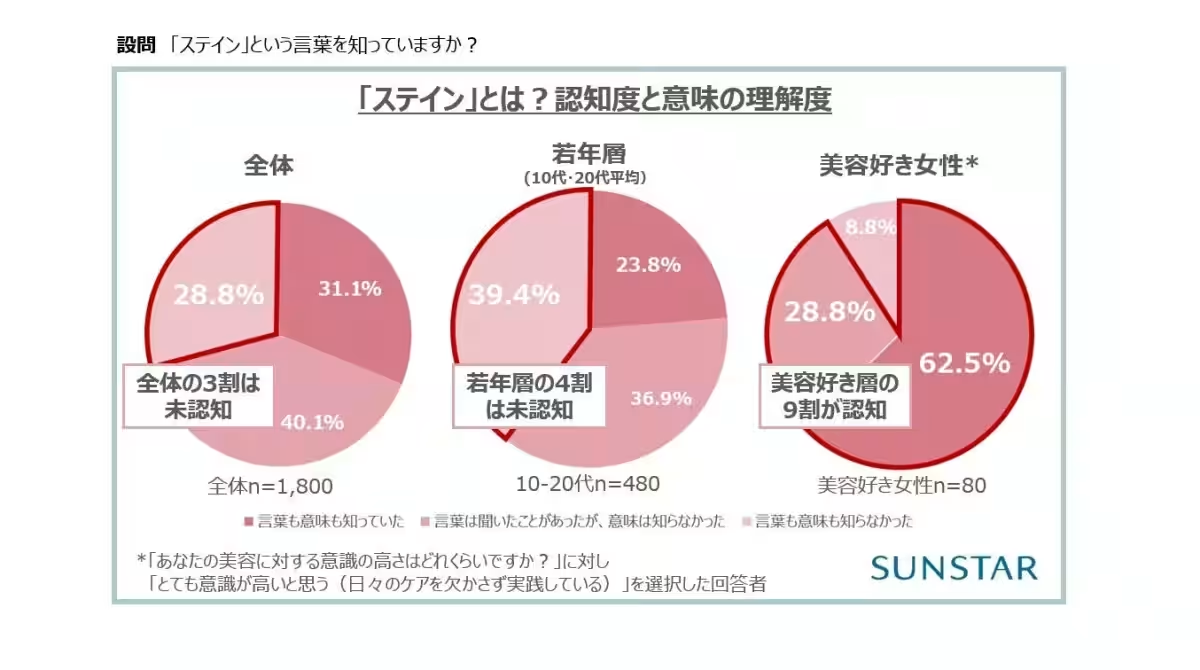
3. Generational Knowledge Gap on Stains: There is a notable disparity in the recognition of stains across different age groups. Approximately 40% of individuals in their teens and twenties were unaware of the term 'stain,' while over 90% of beauty-conscious women were familiar with it. This underscores the need for educational efforts targeting younger demographics regarding stains and how to care for them.
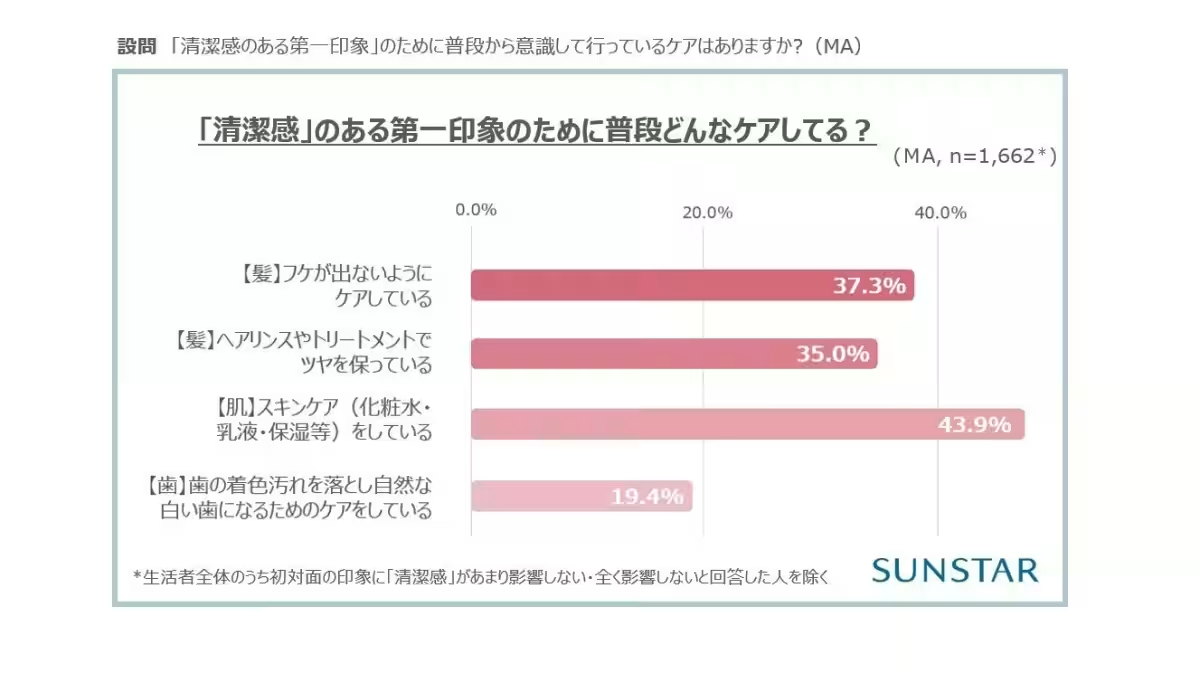
4. Low Engagement in Stain Cleansing: Despite recognizing its importance, less than 20% of participants reported incorporating stain cleansing into their routine. While many engaged in other self-care routines like skin moisturization and hair treatments, a majority neglect the critical aspect of maintaining tooth whiteness.
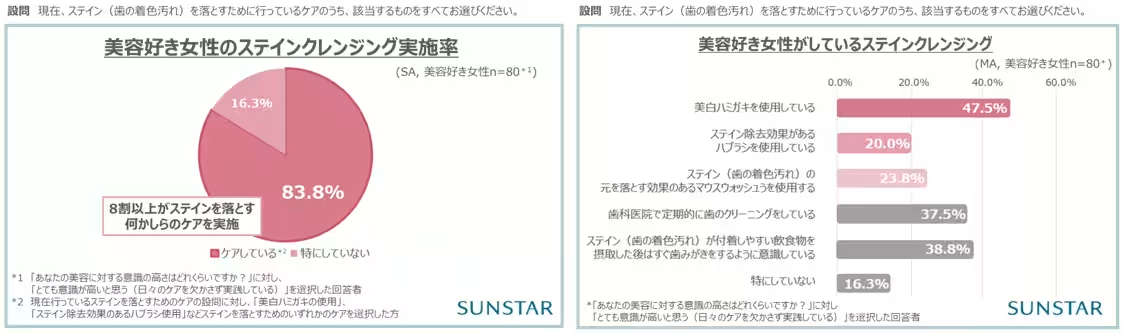
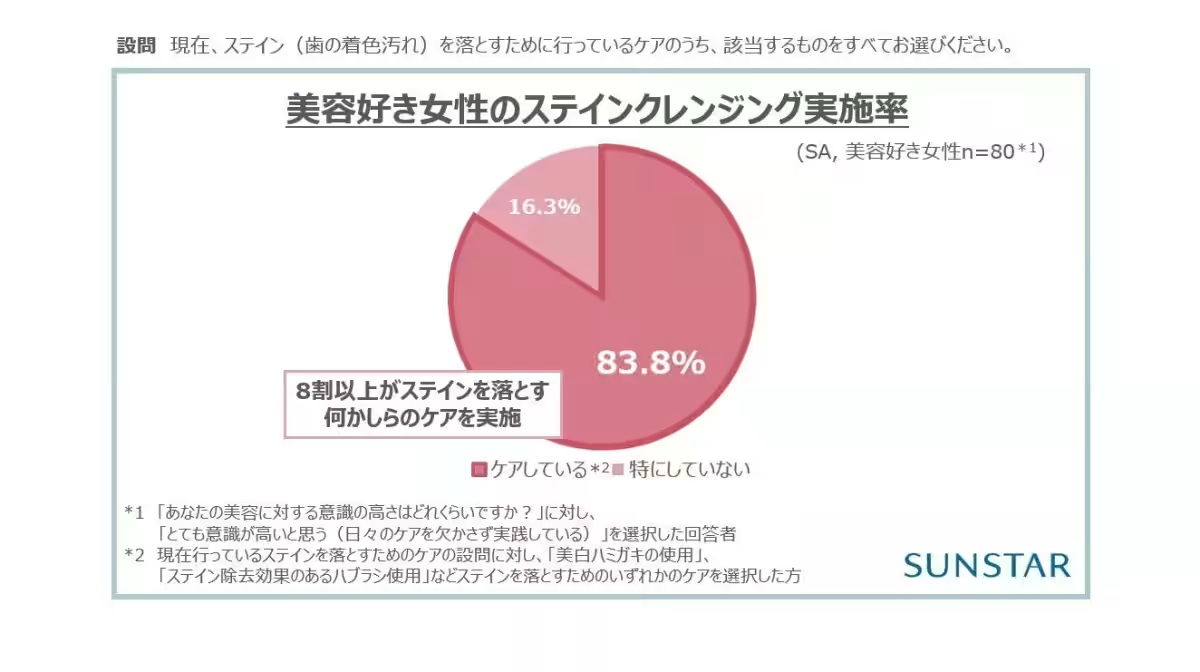
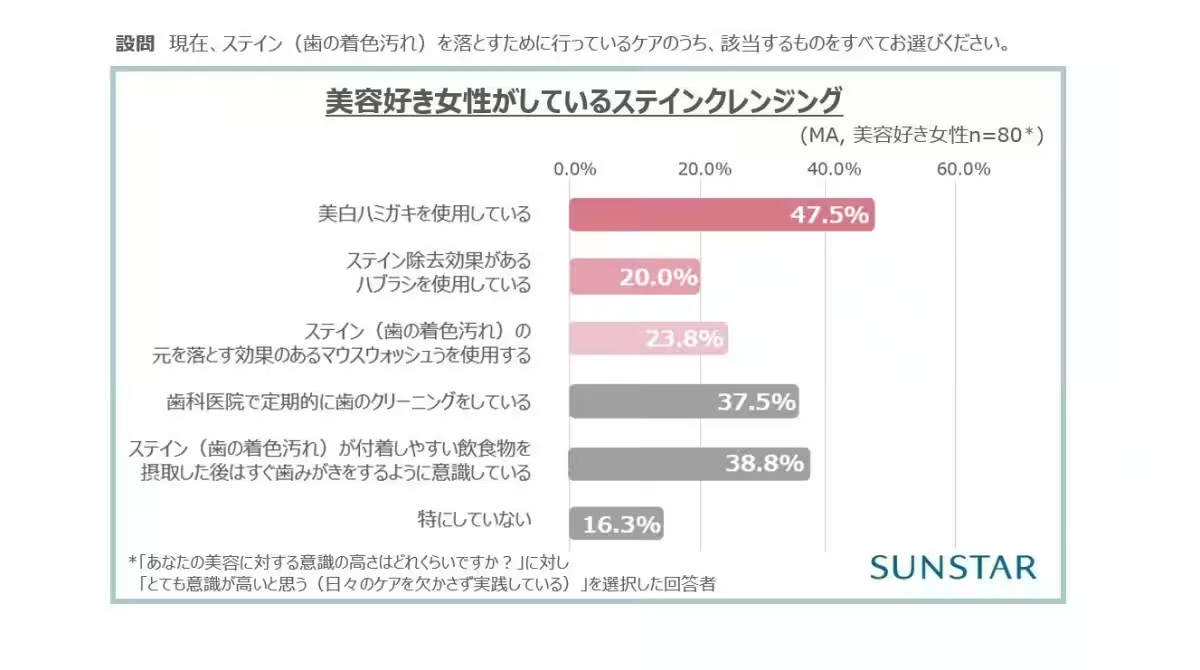
5. Beauty-Conscious Women's Engagement: Among beauty enthusiasts, over 83.8% practice some form of stain cleansing. The usage of whitening toothpaste is the most common practice, illustrating a higher engagement level compared to the general population.
Expert Analysis on Stain Cleansing by Dr. Yui Niizuma
Dr. Yui Niizuma, a specialist in aesthetic dentistry, highlights the significance of conscientious oral care. She notes that just as one removes makeup every day to prevent skin dullness, it's equally vital to remove stains to maintain the natural whiteness of teeth. Dietary choices can contribute to staining, but using appropriate oral care products can facilitate effective stain removal without compromising one’s diet.
Understanding Stains and Their Removal
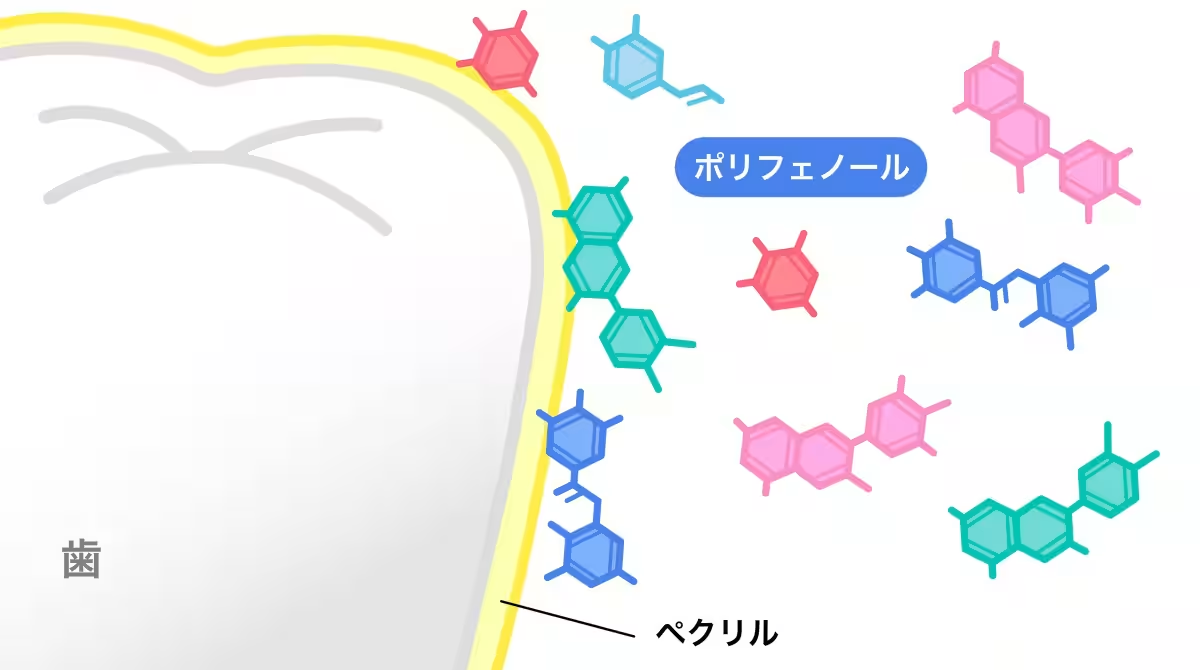
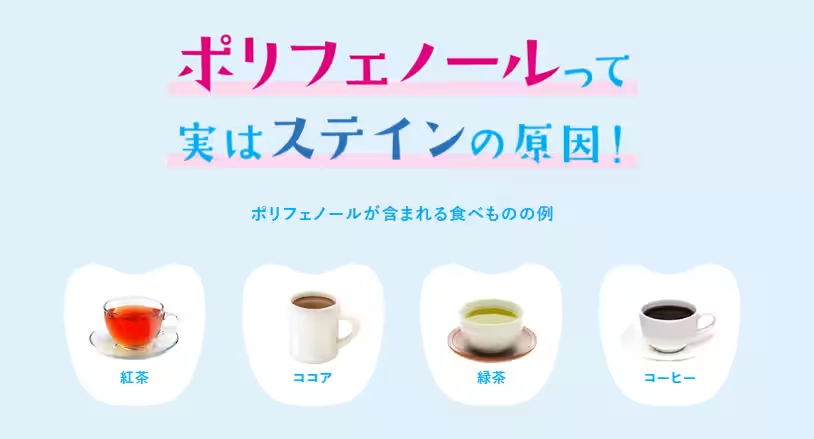
Stains arise from various sources, including dietary pigments from drinks and foods such as coffee and red wine, and tobacco use. These external stains can lead to discoloration, which can become more challenging to remove over time. Thus, it becomes necessary to adopt daily stain cleansing habits as a pathway to achieving and maintaining a naturally white smile.
Correct Methods of Stain Cleansing
A combination of personal care and professional dental services is crucial for maintaining beautiful teeth. Selecting toothpaste that effectively removes stains, contains ingredients designed to prevent the reattachment of these pigments, and performing stain cleansing soon after consuming staining food or beverages is recommended.
When Professional Care is Essential
Stain cleansing cannot always reach difficult areas like between the teeth, thus necessitating visits to a dental professional for thorough cleaning. Regular check-ups are opportunities to assess self-care effectiveness and receive guidance on maintaining natural tooth color. Professional whitening treatments may also be indicated for those desiring a brighter smile.
Conclusion
The findings from the survey highlight a significant awareness gap regarding the importance of dental whiteness for first impressions and the effective strategies for maintaining it through stain cleansing. While beauty-conscious individuals are adopting these practices, there remains a substantial section of the general public that is yet to understand and implement them. Educational campaigns aimed at cultivating awareness of tooth care and cleansing methods can empower individuals to embrace their natural beauty, ultimately leading to greater self-confidence in their smiles.
The commitment to oral health reflects a dedication not only to aesthetics but overall well-being, bridging the gap between personal hygiene and public perception.
About 'White Teeth Day'
By designating April 8th as 'White Teeth Day,' the Sunstar Group emphasizes the intrinsic relationship between oral care and self-confidence. The initiative aims to encourage people to take pride in their smiles and adopt better dental hygiene practices to enjoy the journey of life more confidently. The importance of establishing a balanced oral care routine that includes regular stain cleansing is reinforced through this initiative, promoting joyous and confident interactions.


Topics Health)
【About Using Articles】
You can freely use the title and article content by linking to the page where the article is posted.
※ Images cannot be used.
【About Links】
Links are free to use.