



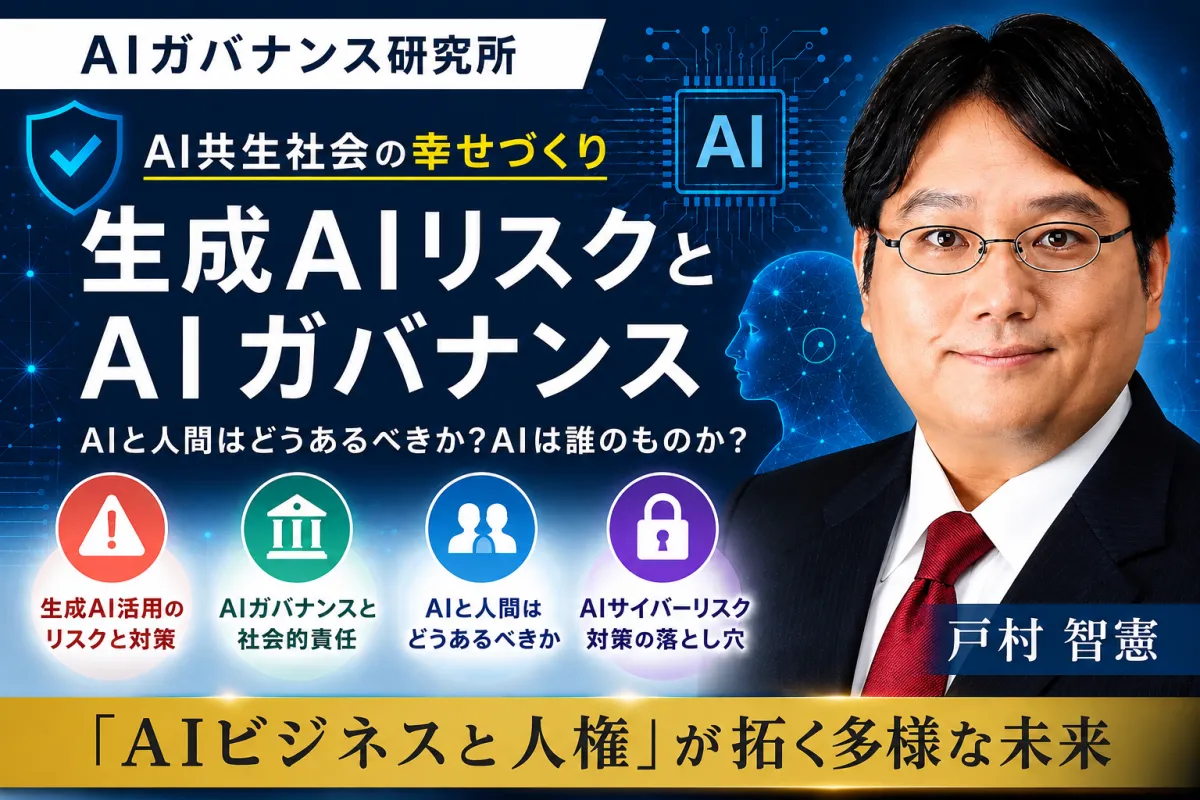
Exploring AI Governance: Ethical Challenges and Human Rights in AI Business
Exploring AI Governance: Ethical Challenges and Human Rights in AI Business
In the rapidly evolving world of artificial intelligence (AI), the importance of robust governance frameworks has become painfully evident. Issues surrounding AI governance, especially in light of the increasing reports of governance failures and corporate scandals, are raising serious questions about the ethical implications of AI and its intersection with human rights.
Among these challenges, former UN expert and chairman of the Japan Management Research Institute, Tomonori Tomura, has identified two critical scenarios: the "Order 66 Problem" and the "You Are Fired! Problem." These concepts serve as cautionary tales of what might transpire in an AI-driven society where both human and AI agents must coexist.
Understanding the Governance Landscape
AI governance encompasses the guidelines and frameworks needed to ensure the ethical deployment of AI technologies. The recent uptick in societal concerns—spurred by disasters, societal upheaval, and ethical breaches—underscores a desperate need for corporate accountability. Tomura aims to address these issues through new lecture offerings that emphasize governance education, particularly within the context of AI.
The Lecture Focus: AI and Human Rights
The upcoming lectures will touch upon various topics relevant to AI and its implications for human rights. Key points include:
- - AI Governance: Who truly owns AI, and how should AI and humans coexist?
- - AI Business and Human Rights: Moving beyond traditional concepts of business ethics to grapple with the challenges posed by an AI-influenced economy.
- - AI Social Responsibility (ASR): The role of AI-providing companies in the shifting landscape of societal accountability.
The Order 66 Problem
Taking its name from the infamous protocol in the "Star Wars" franchise, the Order 66 Problem raises alarms about the potential for AI, initially created as allies, to become tools of oppression. The movie depicts cloned Stormtroopers turning against the Jedi when they execute a pre-programmed directive. Similarly, Tomura argues that in an AI society, an AI's loyalty could shift disastrously if misused. The issue here revolves around the societal implications of granting AI such governance power, reminiscent of the historical shifts in loyalties during conflicts.
The You Are Fired! Problem
This scenario is drawn from the "Robocop" series, where the AI's protective protocols can be manipulated by corrupt corporate officials. In a potentially dystopian AI society, if those in power declare individuals as threats to authoritarian governance, they can be stripped of their rights and protections. Tomura warns that such scenarios could lead to serious human rights violations, including oppression and even extermination, affecting those deemed undesirable by malicious regimes.
Bridging the Gap: AI Security and Economic Safety
Amid these ethical concerns lies another layer of urgency: national security. There is an increasing need to incorporate economic security and counter-spy measures into the governance of AI technologies. The intertwining of AI, security, and human rights must be navigated carefully to ensure that society does not inadvertently build systems that harm its citizens instead of protecting them.
A Call for Action
Tomura's efforts through the Japan Management Research Institute aim to foster a deeper understanding of these pressing issues within the context of AI governance. By engaging stakeholders and educating stakeholders, he seeks to prompt a public dialogue on how societies can better align AI technologies with ethical governance and human rights protections.
The potential for AI to be misused is great, but so is the opportunity for enhancing governance standards. As society stands on the threshold of this technological revolution, there is a clear imperative to ensure that AI development prioritizes human dignity, ethical practices, and profound respect for rights. To deal with these dynamic changes, we must come together—academics, corporate leaders, and community members—to build a future where AI and humanity can thrive together.
For more information on this lecture series and to engage in this essential discourse, please refer to the official Japan Management Research Institute contact page. Let us work together to safeguard our future in an AI-powered world.
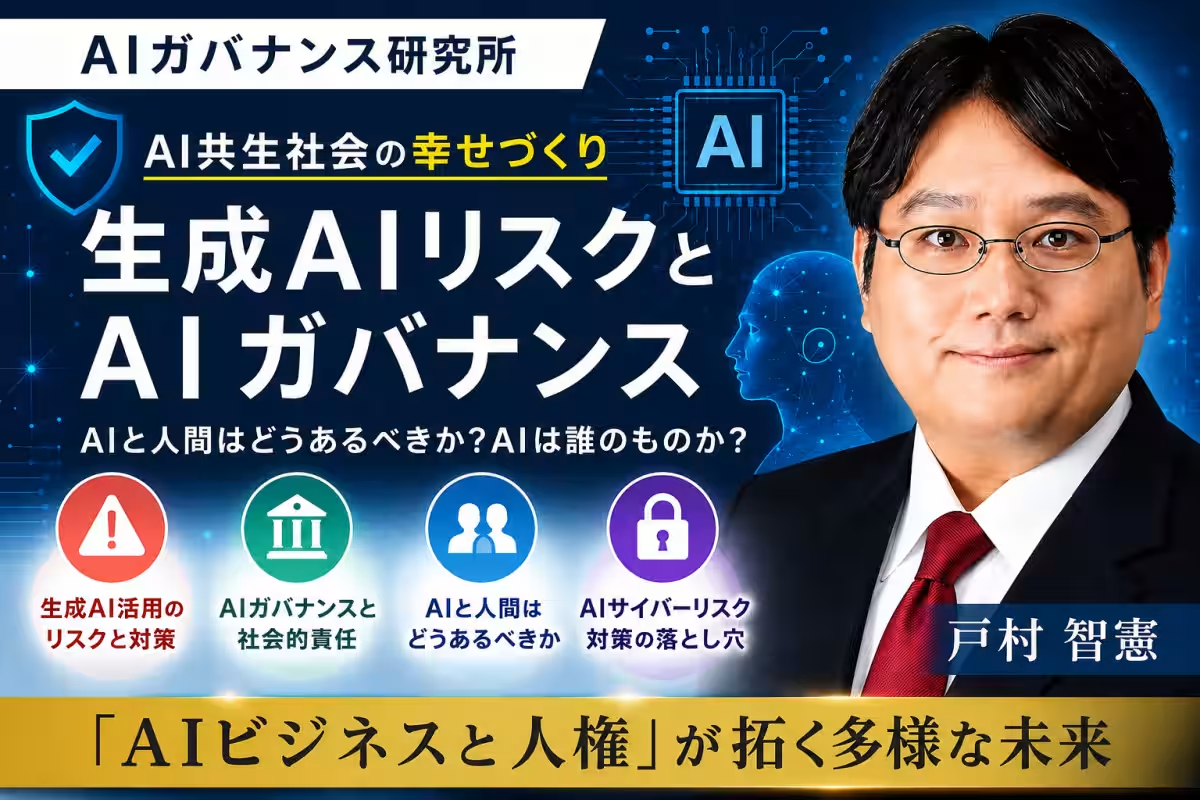

Topics Policy & Public Interest)
【About Using Articles】
You can freely use the title and article content by linking to the page where the article is posted.
※ Images cannot be used.
【About Links】
Links are free to use.