




Insight into Pet Bathing Habits: Dogs and Cats React Differently
Understanding Pet Bathing Behaviors
A recent study conducted by Pet Medical Support Co., a provider of pet insurance in Japan, has revealed intriguing insights into the bathing habits of our furry companions. This survey involved 1,707 pet owners across the country, focusing on their experiences with bathing their pets. Approximately 38% of cats reportedly displayed a “look of absolute despair” during baths, highlighting the stark differences between dogs and cats during this routine grooming process.
Survey Overview
The survey was conducted on April 21, 2026, with a total of 1,707 respondents aged between 20 and 69 years. With a response rate of 22.6%, the findings shed light on both dogs’ and cats’ bathing habits, covering frequency, preferred locations, and the challenges faced by owners.
Bathing Frequency
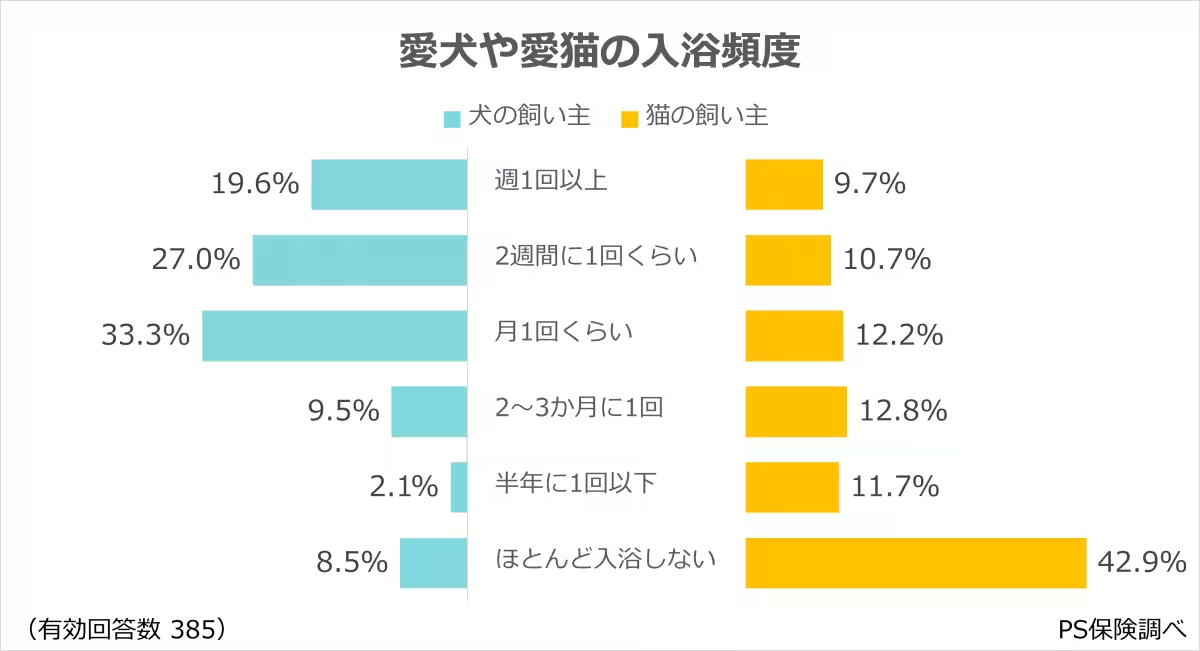
When it comes to dogs, the majority of owners reported bathing their pets approximately once a month (33.3%), while a striking 79.9% bathe them more frequently than once a month. Breeds such as retrievers and poodles, known for their affinity for water, often enjoy baths. In contrast, 42.9% of cat owners stated their felines are bathed very rarely, with 54.6% bathing their cats less than twice a year. Cats typically prefer grooming themselves, making forced baths few and far between.
Preferred Bathing Locations
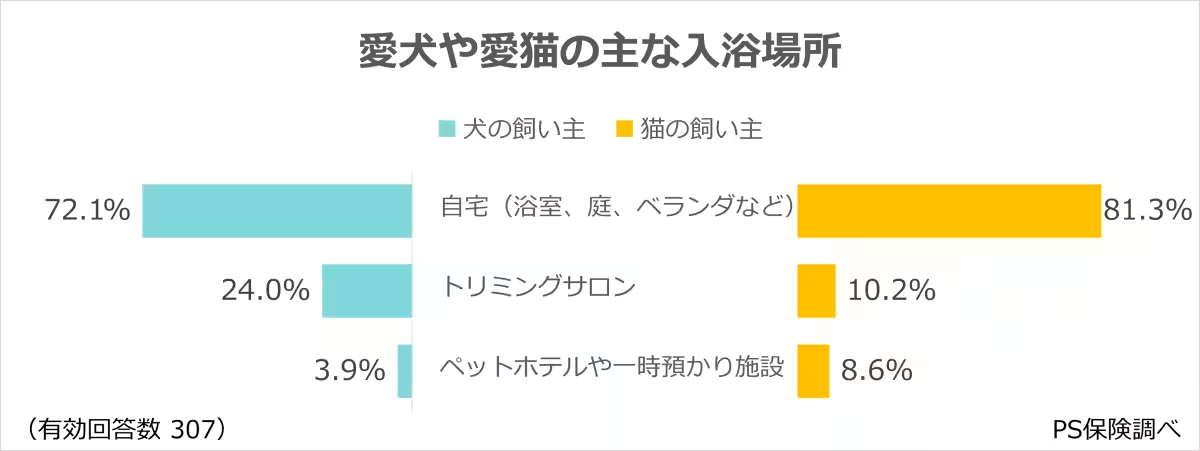
The majority of dog owners (72.1%) opt to bathe their pets at home, indicating a practical choice given the frequency of baths. Meanwhile, 81.3% of cat owners also prefer home bathing, showing that convenience is key, although it’s clear that the need for professional grooming services is acknowledged by around 24% of dog owners.
Challenges of Bathing
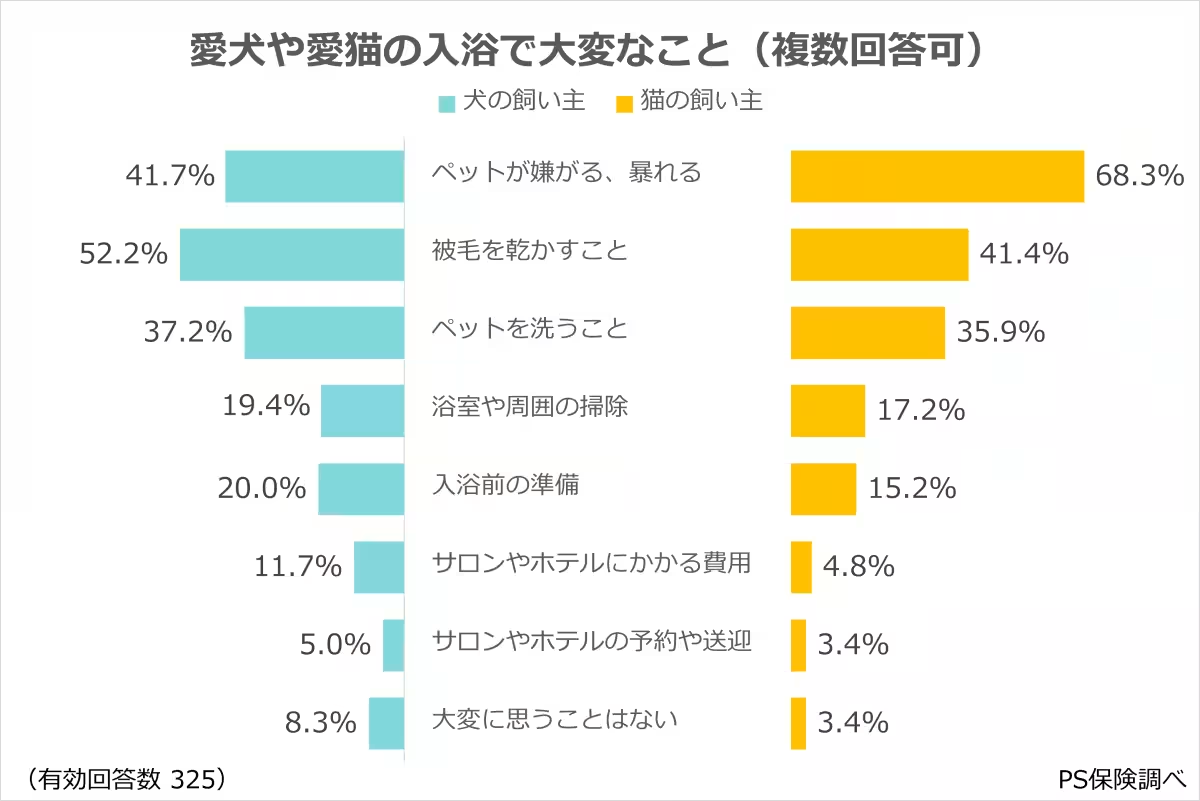
Pet owners face different challenges during the bathing process. Among dog owners, 52.2% mentioned that drying their dog's fur is the most difficult part of bathing, followed closely by 41.7% who noted their pets resist or become aggressive. Alternatively, cat owners faced a more daunting challenge, with 68.3% reporting that their cats dislike or struggle during baths, showcasing a notable difference in temperament during the process.
Reactions During Bathing
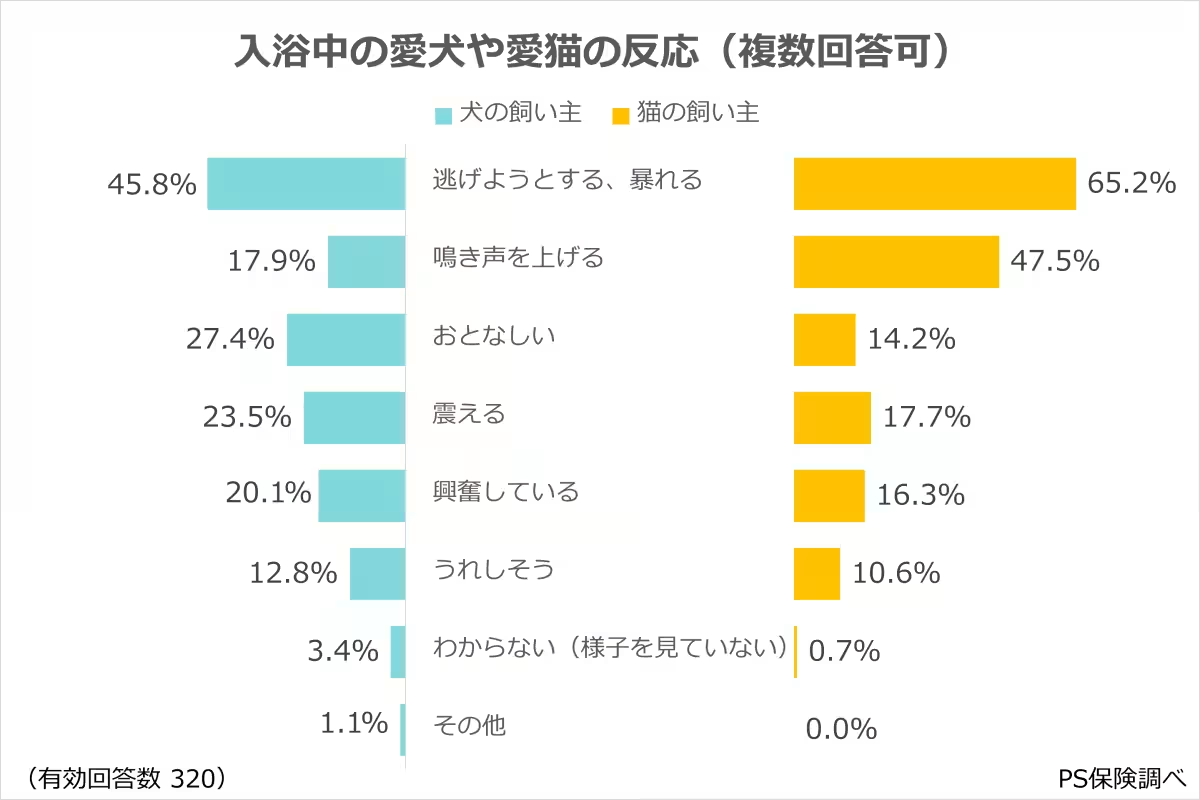
The reactions of pets during baths differ significantly. For dogs, 45.8% try to escape or behave aggressively, while 65.2% of cats exhibit similar behaviors, with a high percentage of them vocalizing their dissatisfaction (47.5%). This indicates a strong discomfort with water among felines. Moreover, many pets show contrasting reactions; some dogs display calmness while others exhibit fear or excitement.
Observations of Pets’ Behavior
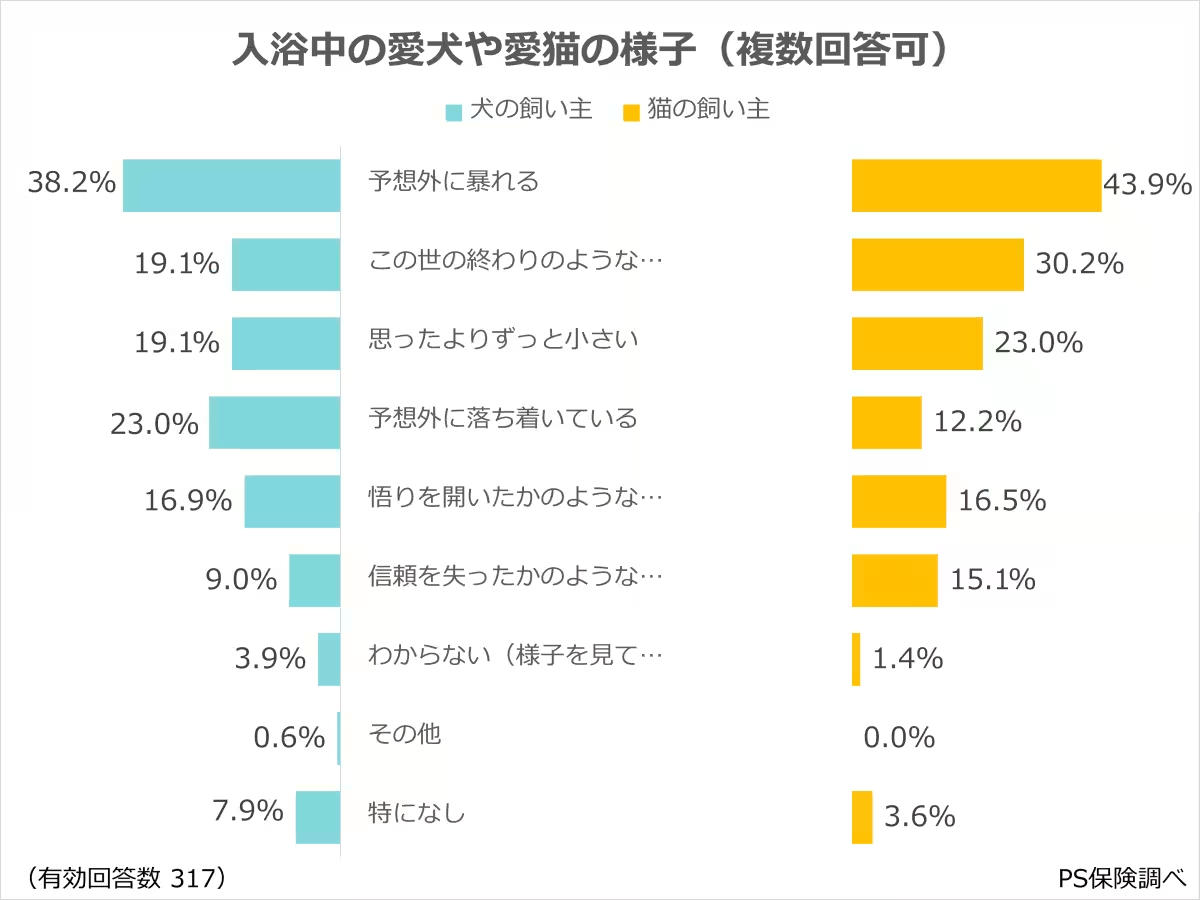
As for the observable behavior during baths, a significant percentage of both cats (43.9%) and dogs (38.2%) behave more aggressively than expected. Surprisingly, 30.2% of cats show that “the end of the world” expression during baths, much higher than dogs (19.1%). The contrasting responses can reveal the different stress thresholds and personalities between species.
Conclusion
Bathing routines vary greatly between dogs and cats, reflecting their unique personalities and the dynamics of their relationship with their owners. For pet owners, these moments, filled with a blend of challenge and affection, emphasize the importance of regular care and monitoring of pets’ health. It’s advisable for owners to consider pet insurance as it not only prepares them for such grooming events but also supports their pets’ overall health and well-being.
Pet Medical Support Co. provides a reliable option with its insurance product ‘PS Insurance’, offering 24/7 access to veterinarian consultations, highlighting the commitment to ensuring pet health and owner peace of mind. This understanding of pet behaviors through a simple act like bathing unveils deeper insights into the integral bond we share with our pets.

Topics Consumer Products & Retail)
【About Using Articles】
You can freely use the title and article content by linking to the page where the article is posted.
※ Images cannot be used.
【About Links】
Links are free to use.