



Promoting Decarbonization Through Innovative Hybrid Floor Technology for Buildings
Innovative Hybrid Floor Technology by Haseko Corporation
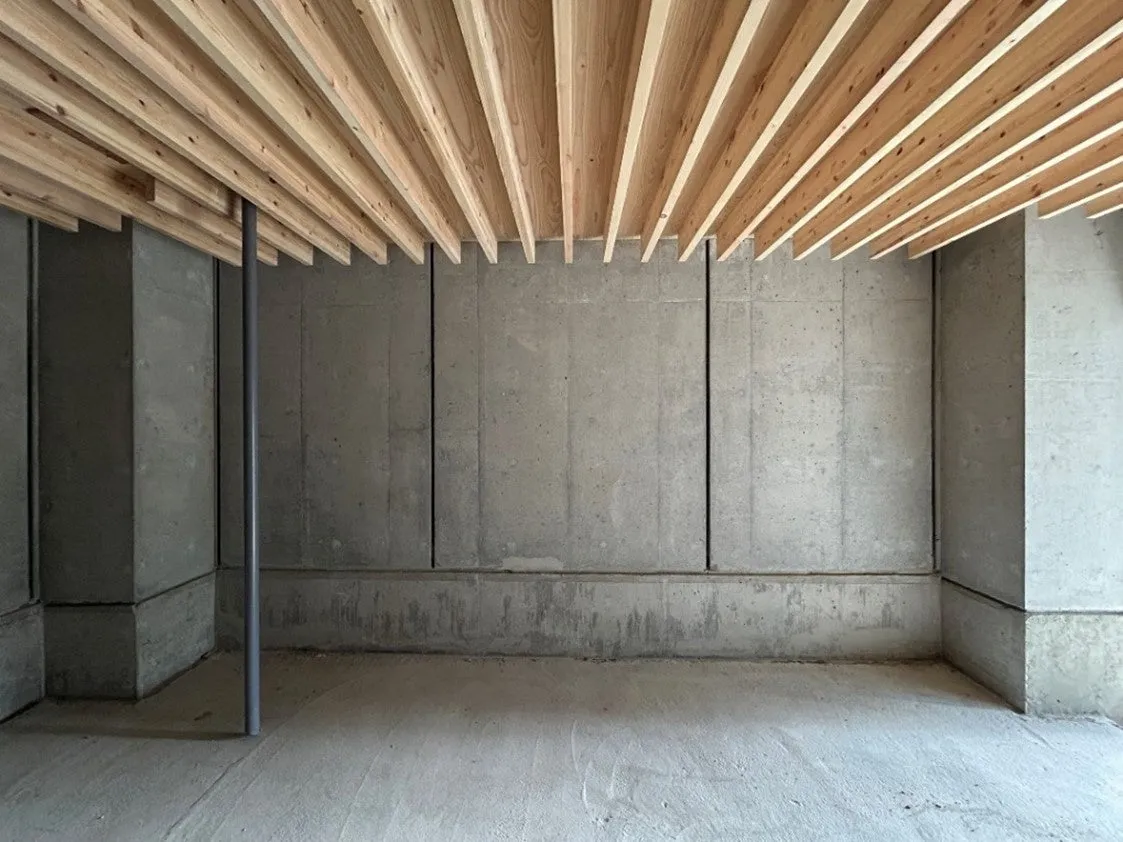
Haseko Corporation, headquartered in Minato, Tokyo, is making significant strides toward decarbonization in construction with its revolutionary "RC × Wood Hybrid Slab Construction Method." This innovative approach effectively merges reinforced concrete (RC) with wood materials, offering the same soundproofing performance as a traditional 200mm-thick concrete slab, but with a focus on environmental sustainability and ease of construction.
Overview of the Hybrid Slab Construction Method
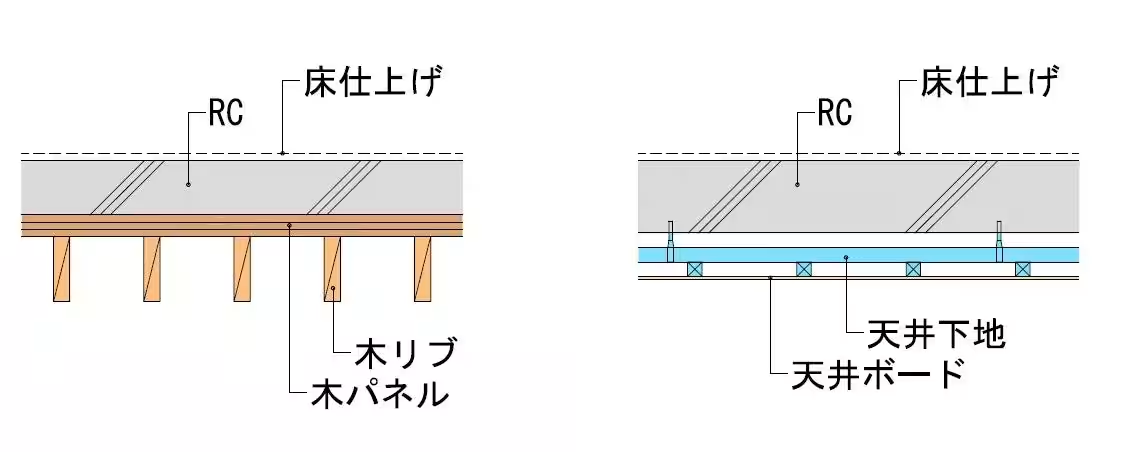
The core concept behind the 'RC × Wood Hybrid Slab Method' lies in the integration of a 150mm-thick RC floor slab with wooden components. This combination allows for enhanced soundproofing while also significantly reducing environmental impact. With an anticipated CO₂ storage of 42kg-CO₂/m² from the utilization of wood materials, the method represents a forward-thinking effort to lower carbon footprints associated with building construction.
Notably, this hybrid approach reduces the weight of the floor slab by approximately 13% when compared to a traditional RC 200mm thickness, subsequently decreasing the overall load on the building structure. It also improves construction efficiency by simplifying ceiling installations, ultimately benefiting both builders and occupants.
Enhanced User Experience and Comfort
In addition to its environmental benefits, the use of wood allows for a warm and aesthetically pleasing atmosphere within the spaces created. By emphasizing the quality and texture of wood, the construction method aims to foster comfort and an elevated experience for tenants and users alike.
Haseko has successfully verified the basic performance of this new method and plans to implement it in its new multifamily and office complex, tentatively named the "Yokohama Honcho Plan". The project will feature 14 stories of RC construction and is expected to be completed by January 2029.
Key Features and Environmental Benefits
Unlike standard RC floor slabs primarily focused on soundproofing performance, the hybrid method employs wood as both a formwork and finish material. This multifaceted approach not only secures fire and structural performance but also boosts sound and thermal insulation quality through the strategic combination of materials.
One of the substantial advantages of this method is the potential reduction in carbon dioxide emissions during the construction phase. By opting for a hybrid structure, Haseko Corporation is addressing climate concerns while enhancing construction efficiency. The shift towards utilizing wooden components is a significant move toward achieving a sustainable construction model in the urban landscape.
Background of the Development
Haseko Group is committed to achieving carbon neutrality by 2050, advocating for the "HASEKO ZERO-Emission" initiative. As part of this vision, they are actively promoting the use of wood in residential developments, including projects that incorporate hybrid structures of wood and RC. The increasing use of wood in finishing and substrate materials, beyond just structural components, signifies a shift toward more sustainable building practices.
The company’s overarching goal is to create optimal living environments that enhance urban settings and improve the quality of life for residents while contributing positively to society. Through their ongoing projects, Haseko aims to tackle pressing challenges and elevate corporate value, all while striving toward a sustainable future.
In conclusion, the RC × Wood Hybrid Slab Construction Method represents a significant development in the quest for greener architecture. With its innovative blend of materials and a clear focus on reducing carbon footprints, Haseko Corporation is paving the way for a more sustainable approach to urban development.
Topics Consumer Products & Retail)
【About Using Articles】
You can freely use the title and article content by linking to the page where the article is posted.
※ Images cannot be used.
【About Links】
Links are free to use.