



Understanding the Preference for PPA Over Ownership in Industrial Solar Energy Installations
An Insightful Report on Industrial Solar Energy Choice
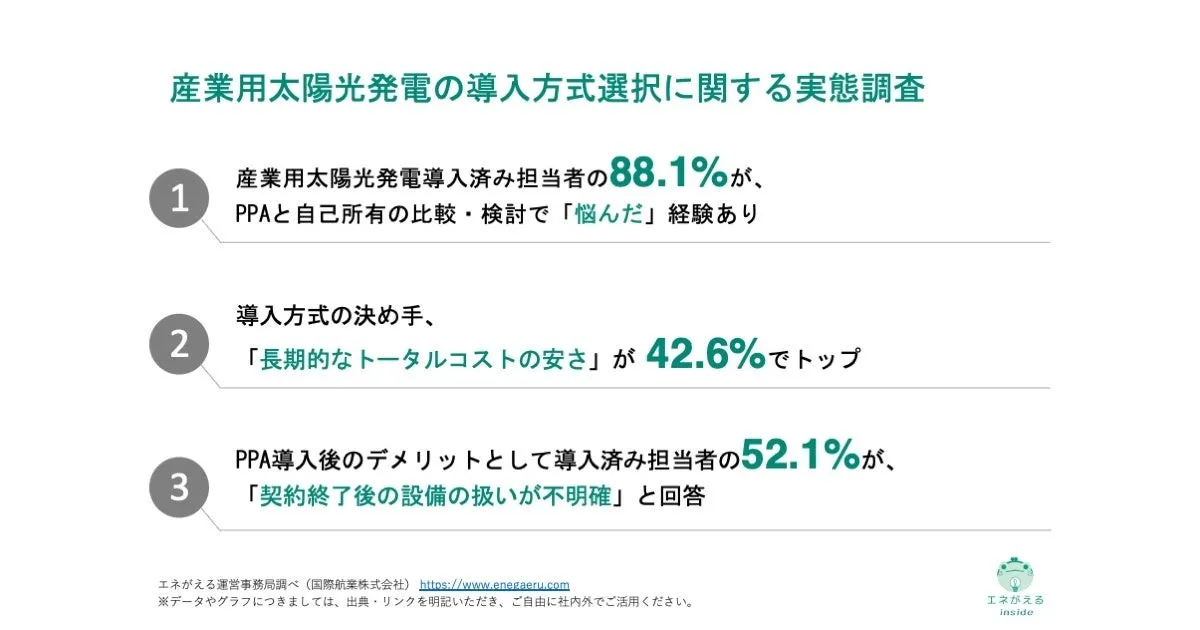
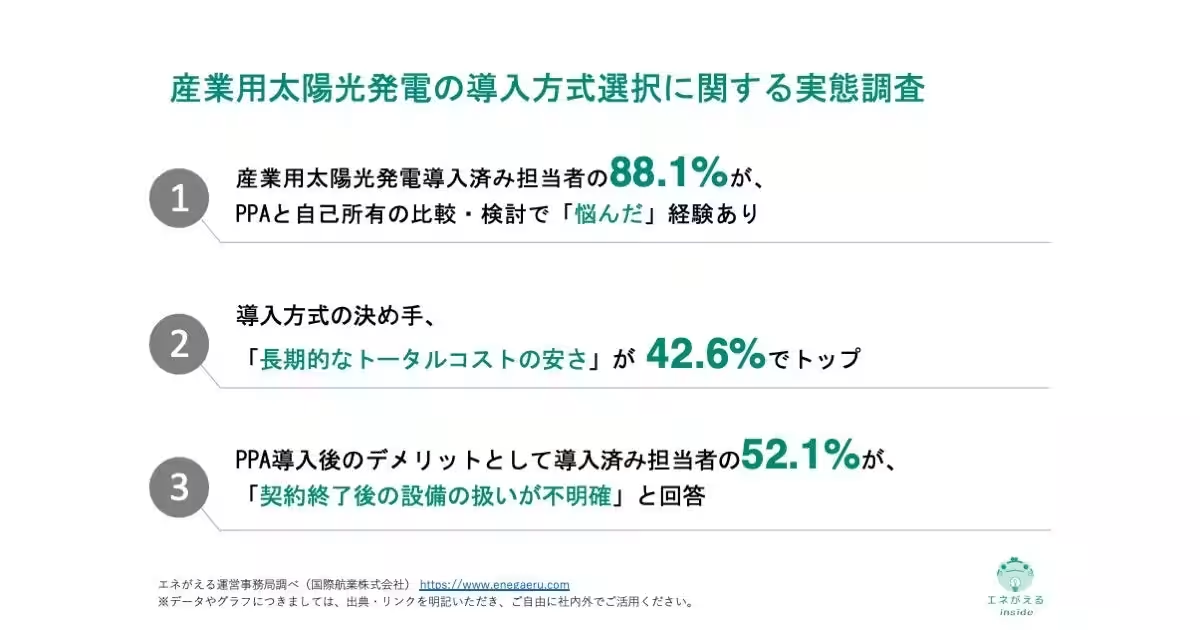
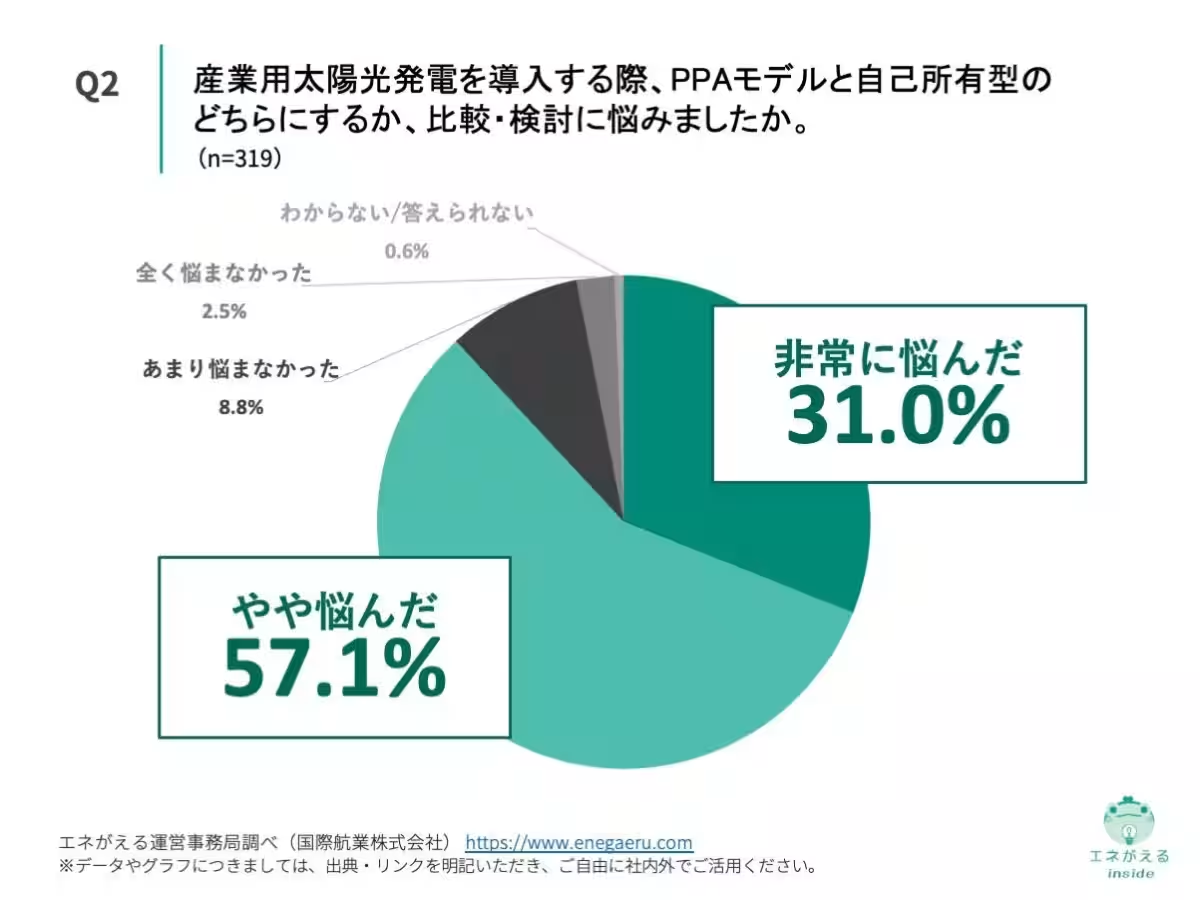
In a recent study conducted by International Kogyo Co., Ltd., based in Shinjuku, Tokyo, a significant trend has emerged regarding the adoption of industrial solar energy systems. The research, which surveyed 330 managers responsible for implementing solar systems, sought to understand why a staggering 88.1% of them found themselves contemplating whether to pursue a Power Purchase Agreement (PPA) or opt for owning the solar infrastructure outright.
Survey Findings
Key Decision Factors
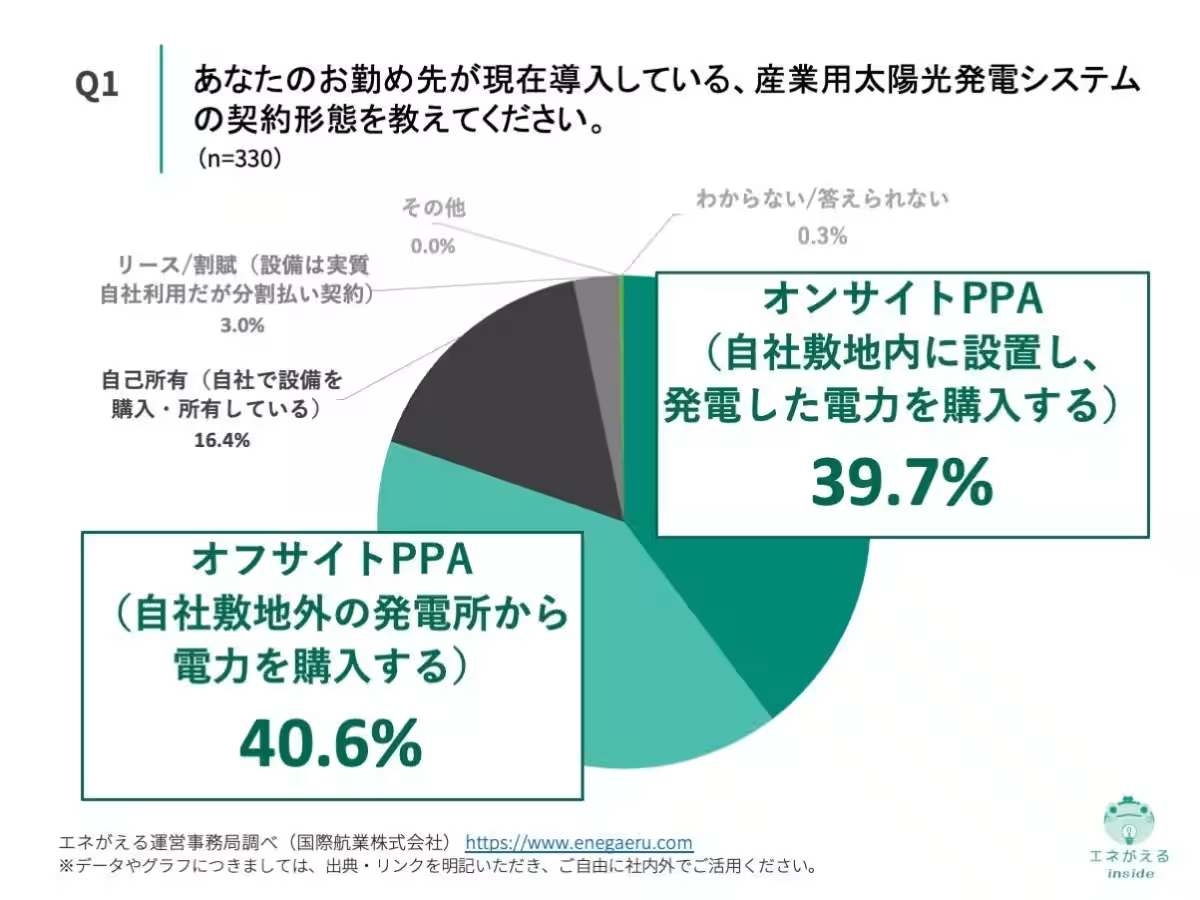
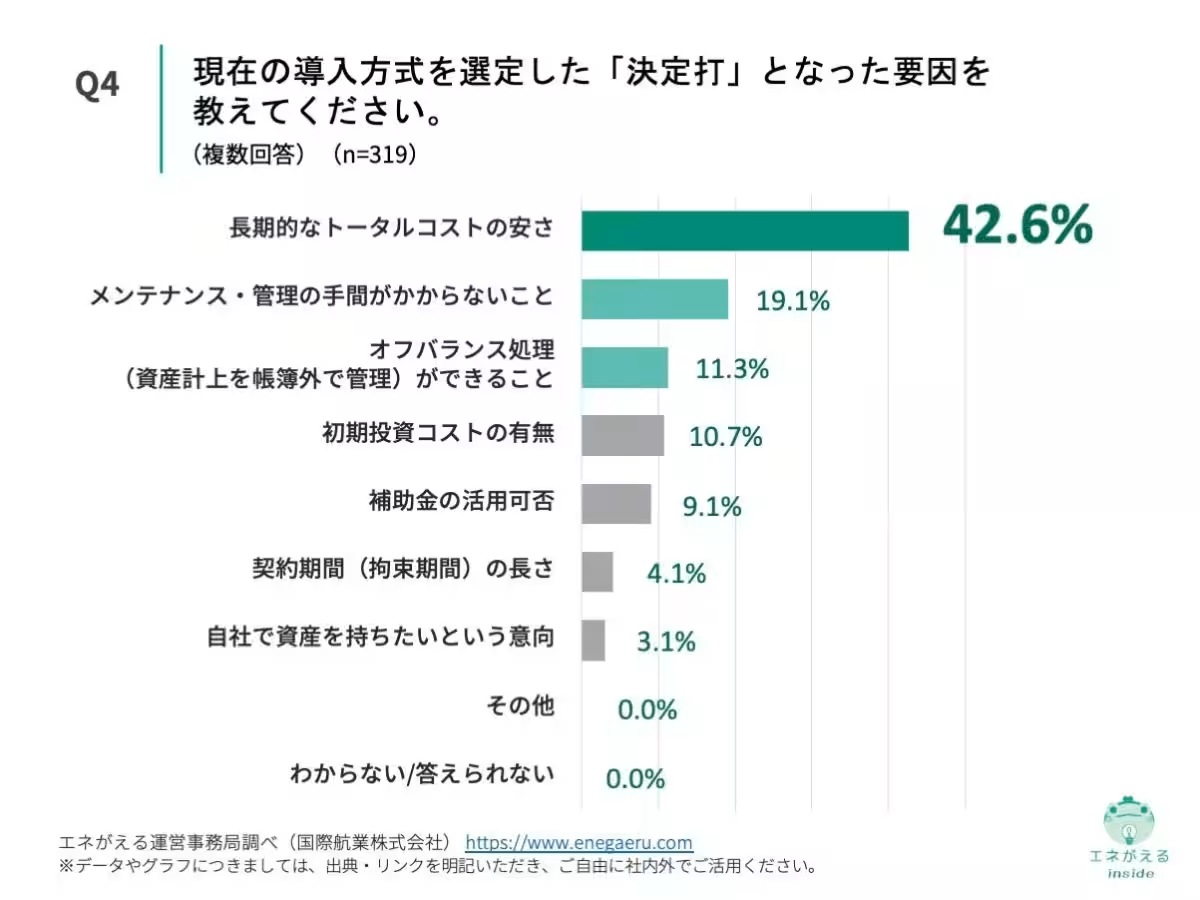
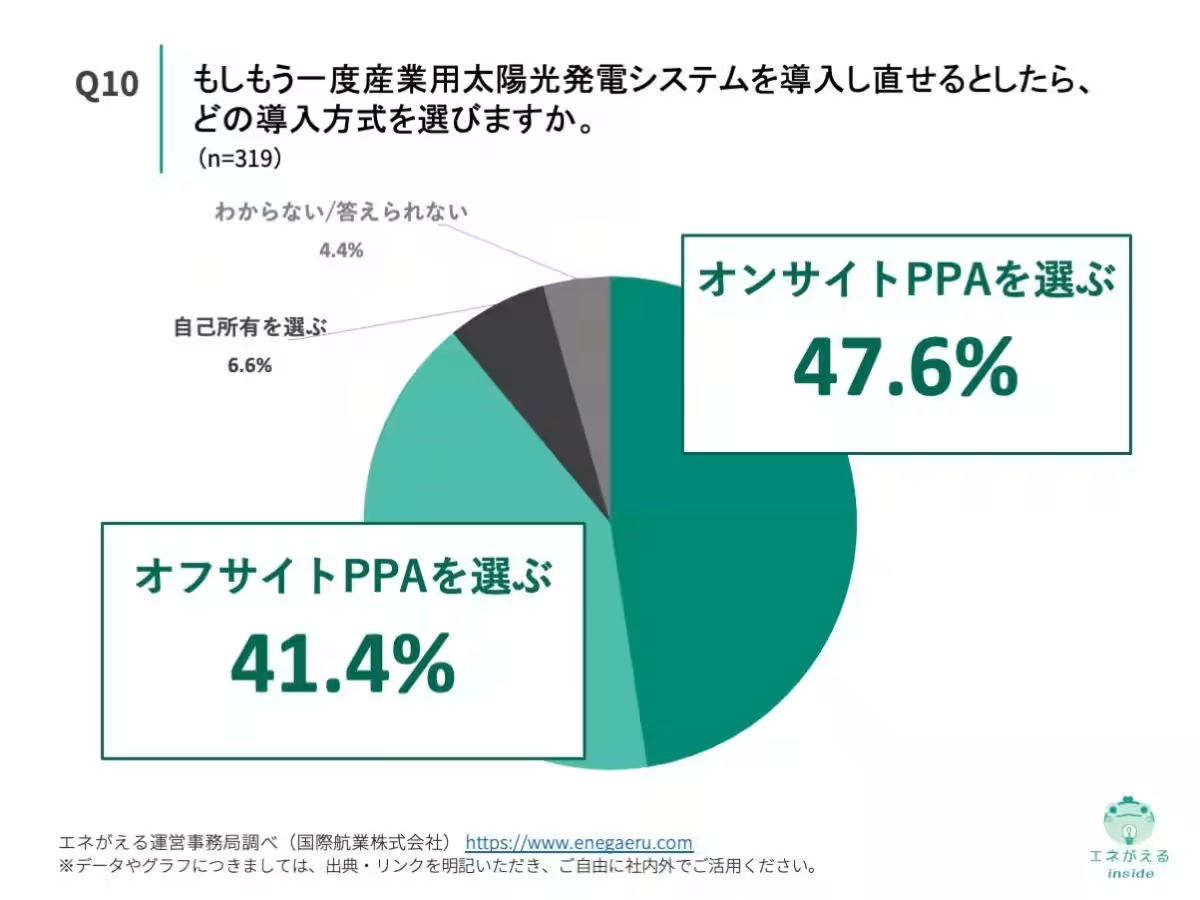
The dominant factor influencing their decision was long-term total cost, with 42.6% citing it as the primary determinant. Interestingly, PPA and self-ownership models were closely contended, with 40.6% of companies adopting off-site PPA, while 39.7% opted for on-site PPA. Moreover, 16.4% of the respondents chose to own the solar systems, highlighting a diverse approach in adoption strategies.
Challenges in Decision Making
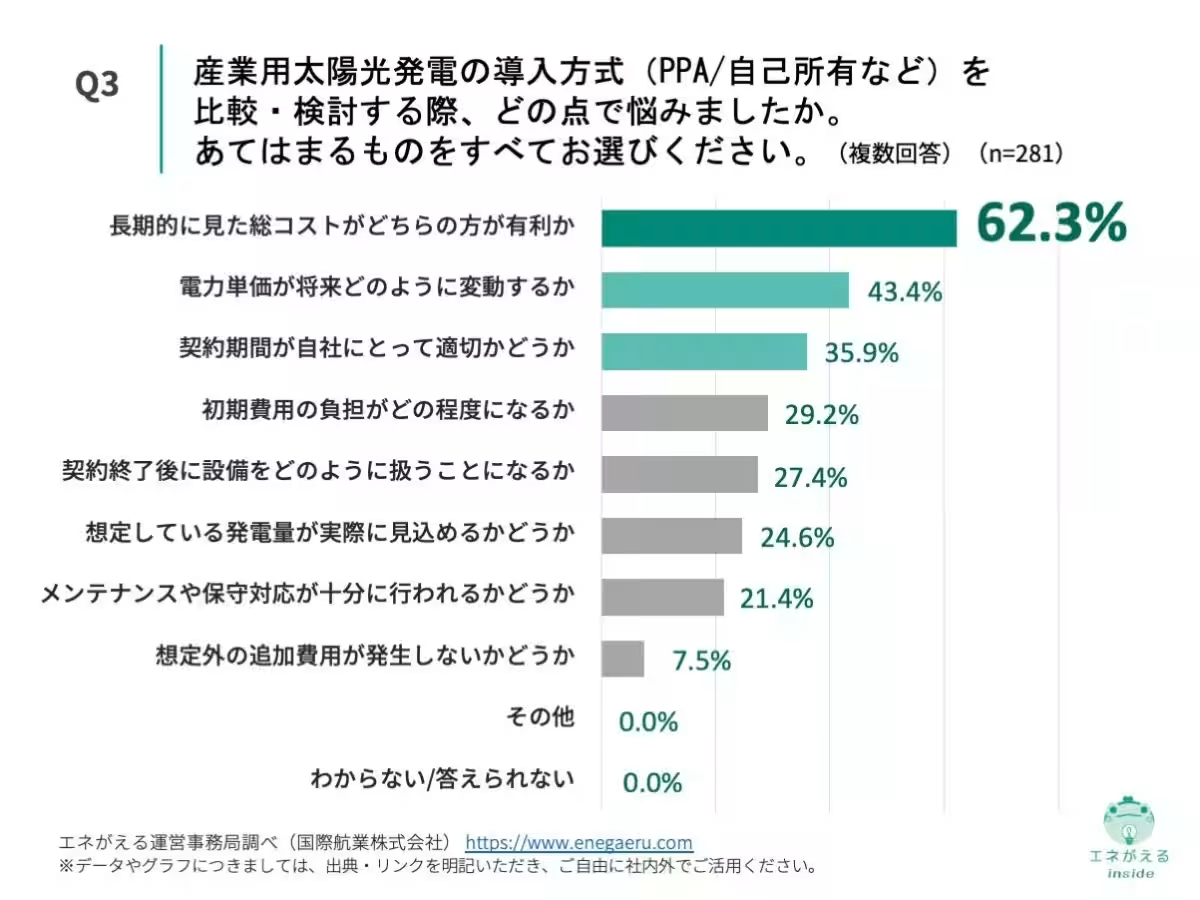
The survey revealed that many experienced significant uncertainty during their decision-making process. A staggering 88.1% reported having deliberated between the two models, mainly concerning which option would be financially beneficial in the long run. Specifically, 62.3% expressed that comparing total costs was a major source of concern. Following this, factors like the future price fluctuations of electricity and the adequacy of contract lengths came into play.
Post-Implementation Insights
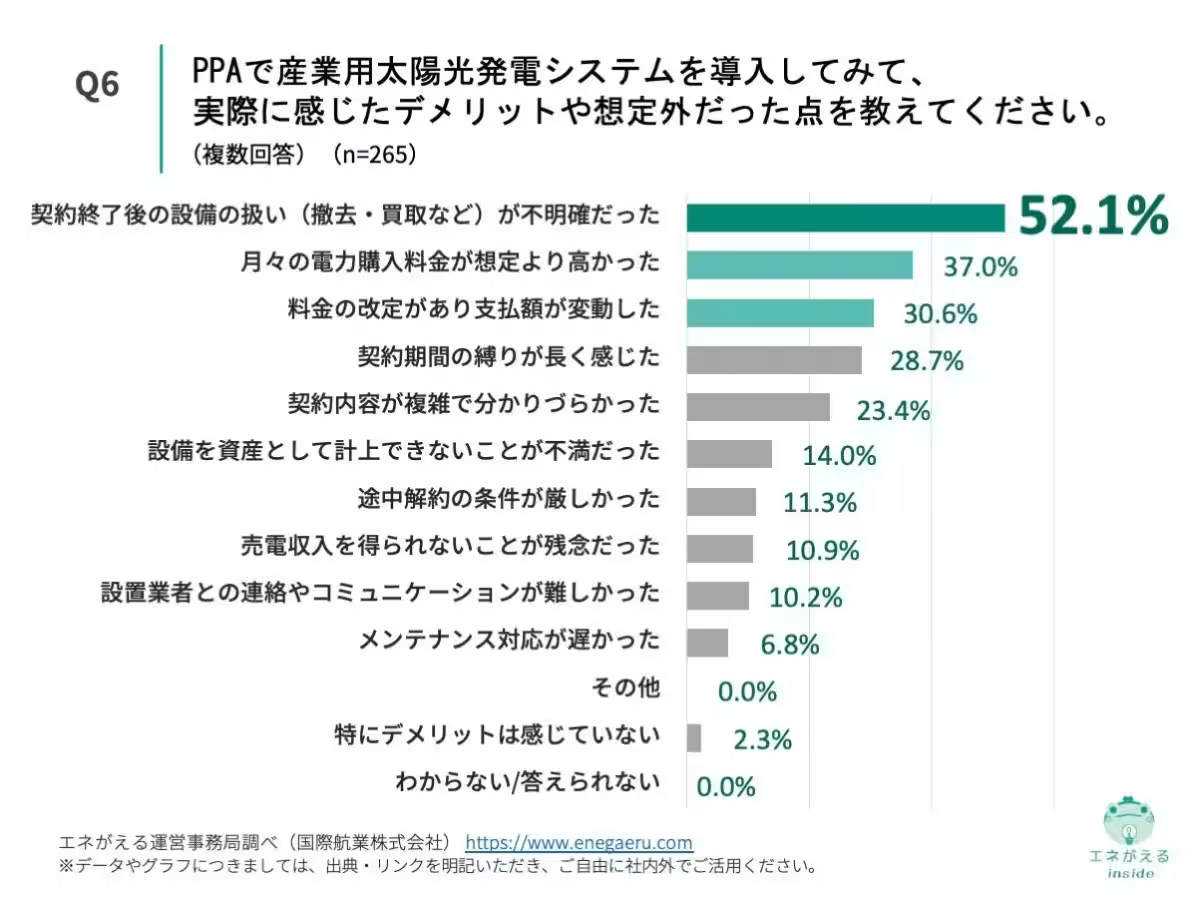
However, even after implementing the PPA, 52.1% of respondents highlighted dissatisfaction regarding the management of equipment post-contract expiration. They noted that the clarity around handling equipment after the contract ends remains vague, which could pose significant issues for long-term planning.
The Decision-Making Process
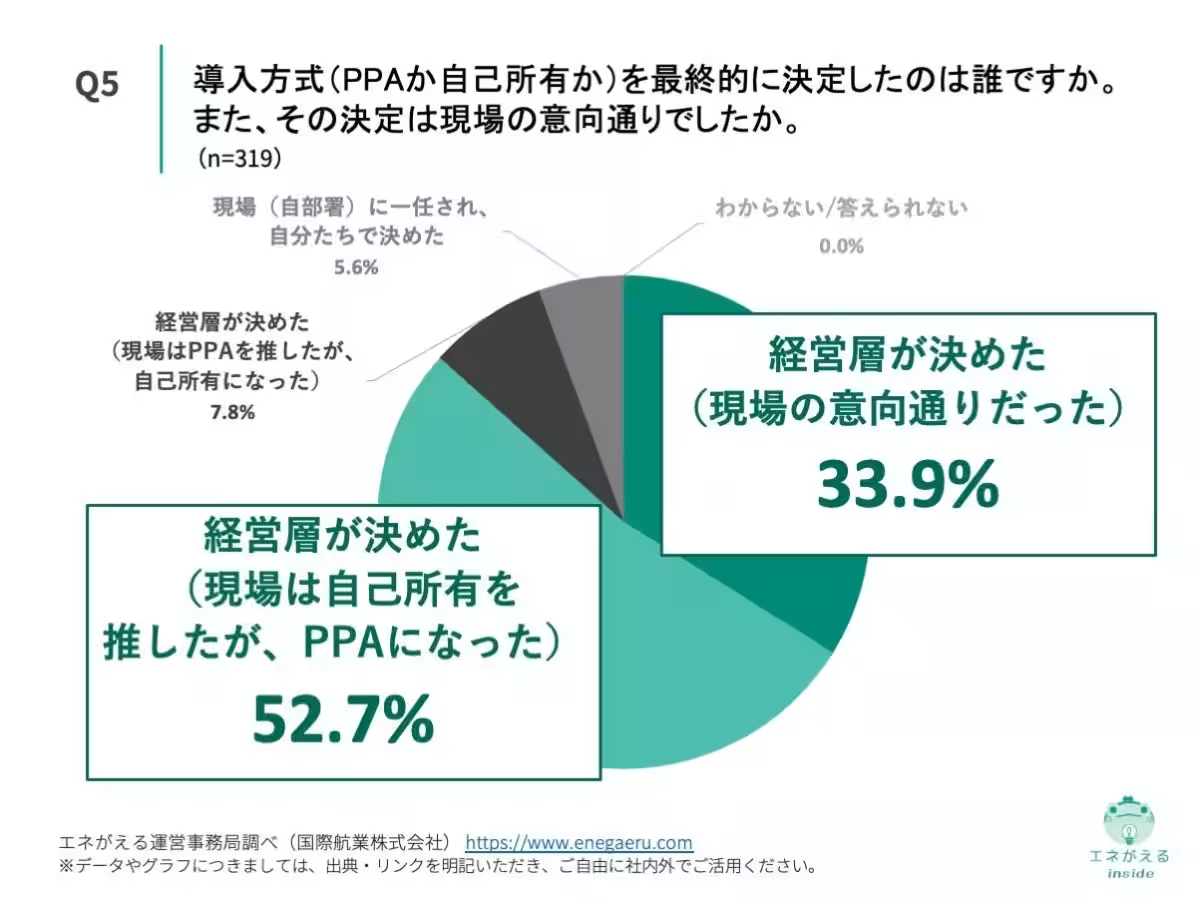
The survey further pointed out that 52.7% indicated that the ultimate decision was made by the management, often differing from the preferences within their teams, who tended to support ownership. This disconnect signifies a critical aspect of how organizational strategies can affect decision-making processes in implementing renewable solutions.
Reflecting on the Costs
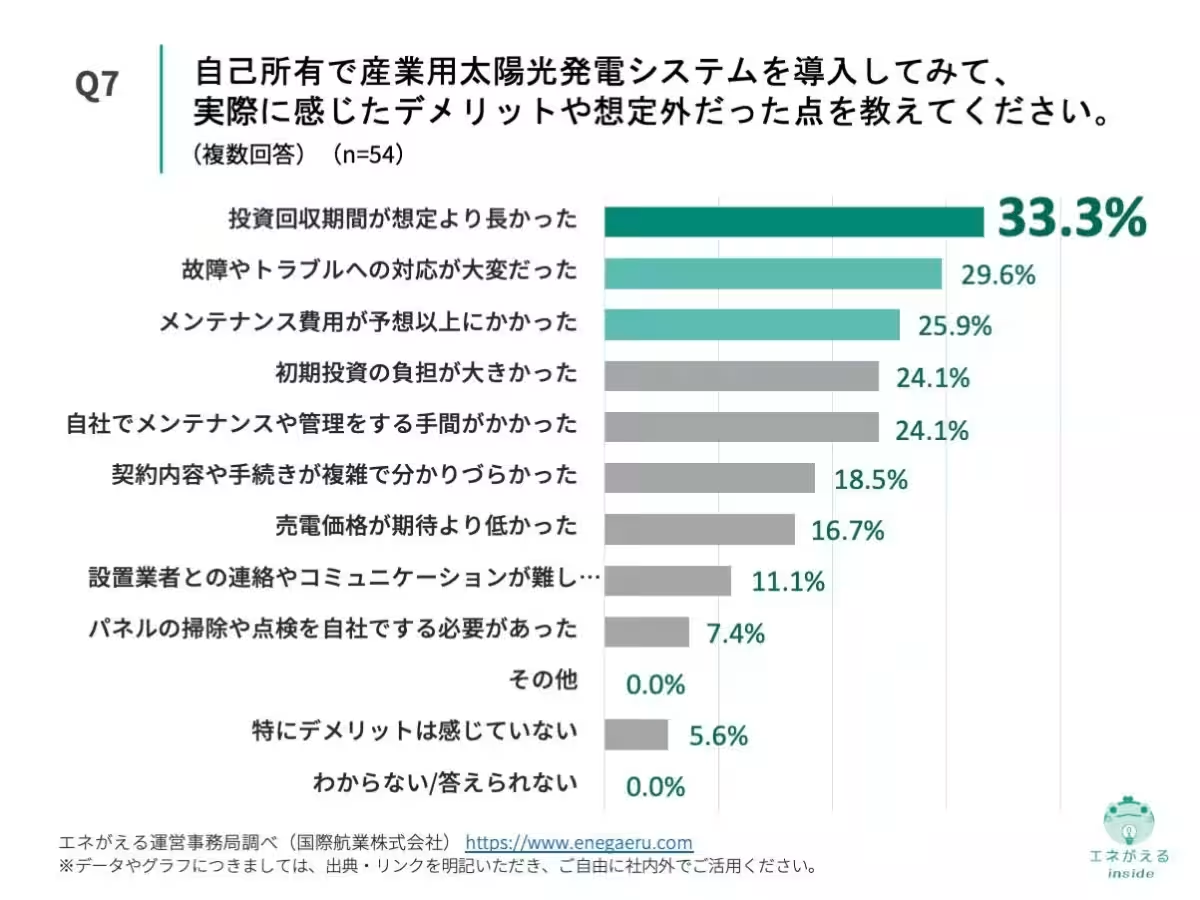
It’s vital to address the reported disadvantages of PPA. Several respondents noted that monthly electricity purchase costs exceeded expectations, with 37.0% indicating higher than assumed rates. Additionally, 30.6% faced unexpected variations in pricing, suggesting that a transparent cost structure is necessary for better customer satisfaction.
Future Considerations
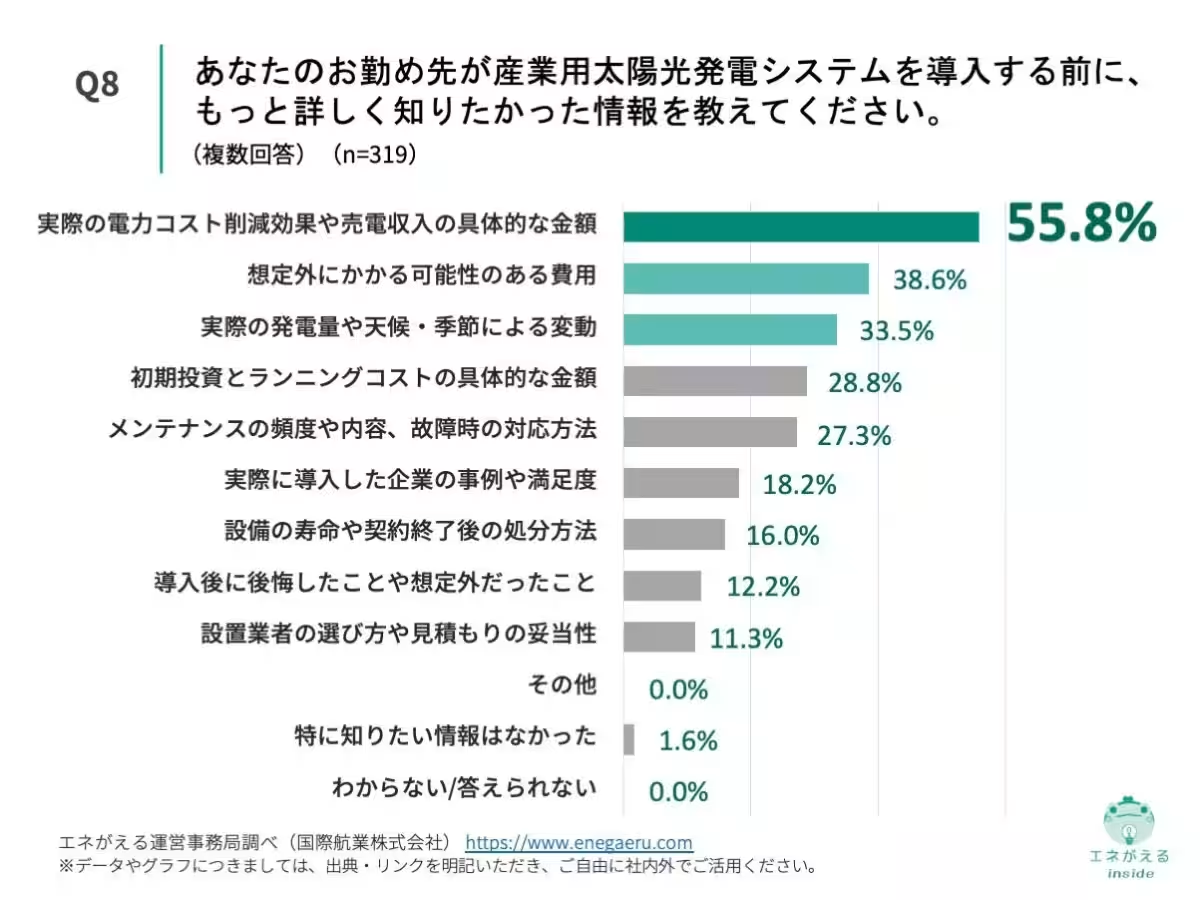
As the industry evolves, it is imperative to enhance information transparency surrounding costs and implications of both PPA and ownership structures. The data emphasizes a clear demand not only for better knowledge during the decision-making phase but a continual engagement post-implementation to mitigate any risks arising from unforeseen circumstances. Notably, 55.8% expressed a desire for more clarity regarding the financial aspects of cost savings and potential revenue from selling surplus energy back to the grid.
Conclusion
In conclusion, this study underscores the necessity for companies to weigh their options carefully when considering industrial solar energy systems. With a significant number of managers wrestling with long-term financial implications and contract conditions, industry transparency and clarity become pivotal for informed decision-making. International Kogyo is dedicated to improving processes in solar implementation through reliable data and insights, ensuring a smoother transition into the renewable energy sector. To learn more about optimizing your solar energy systems, visit Enegair.
Topics Energy)
【About Using Articles】
You can freely use the title and article content by linking to the page where the article is posted.
※ Images cannot be used.
【About Links】
Links are free to use.