



Understanding the Distinction Between Cholinergic Urticaria and Heat Rash
Overview of Sweat-Related Skin Issues
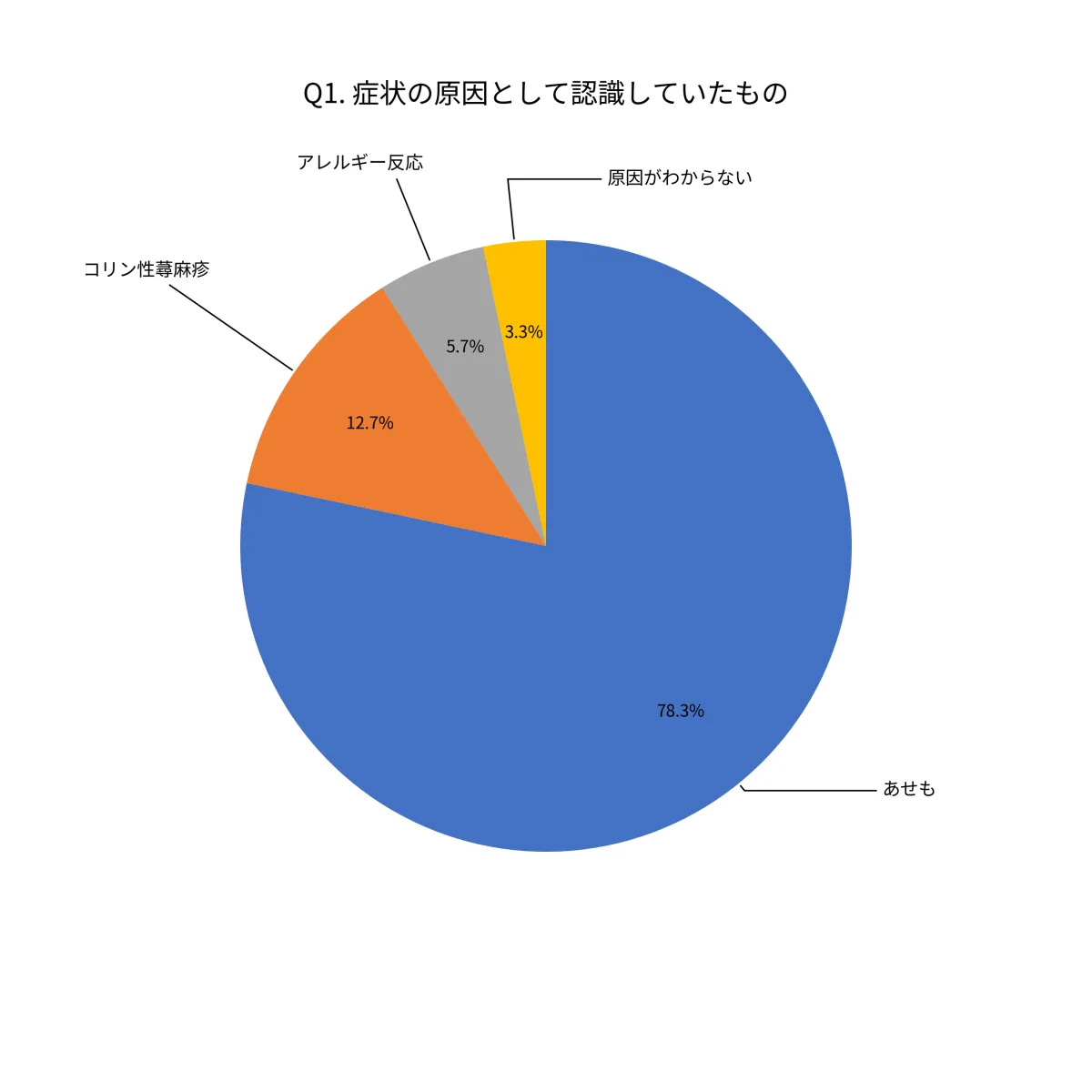
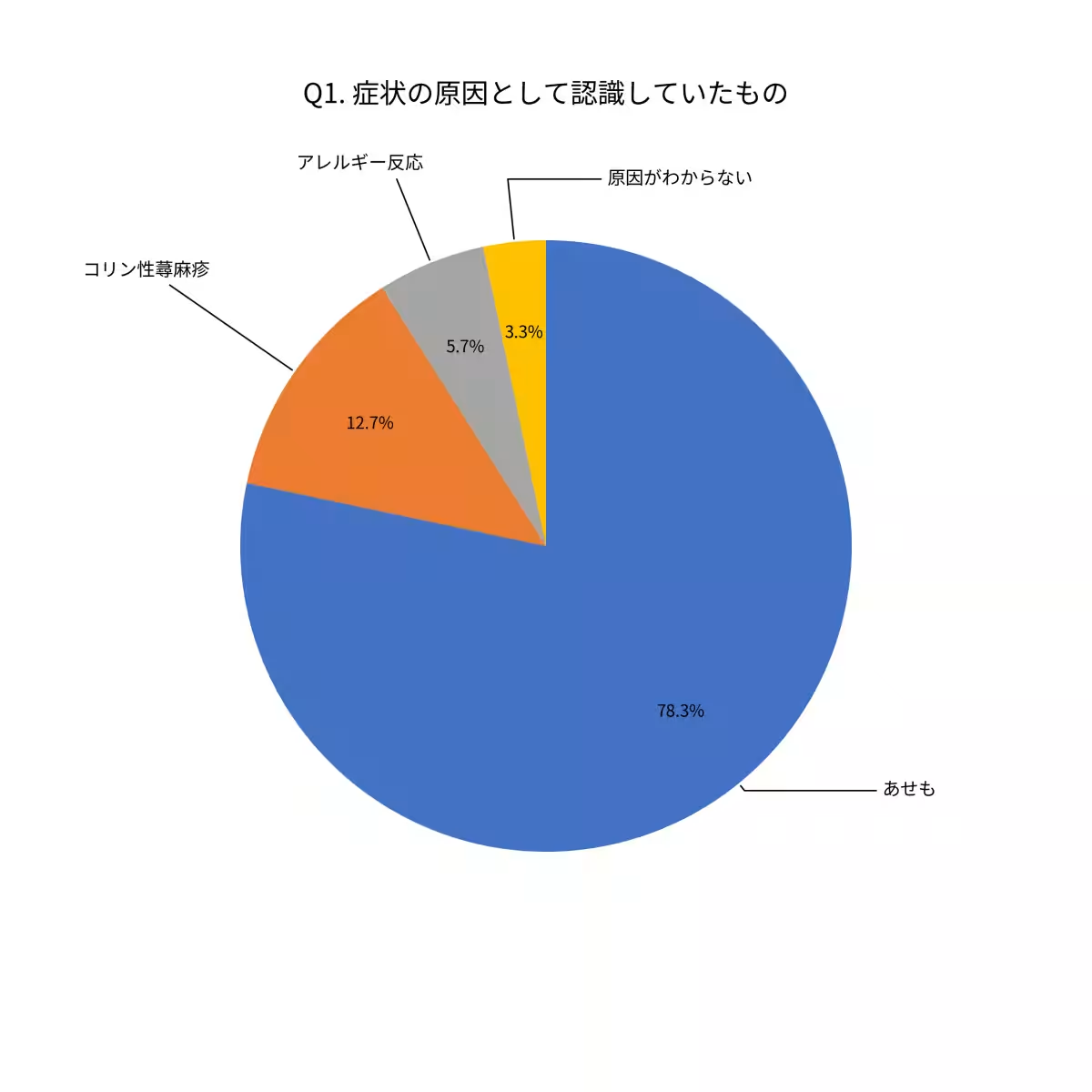
Recent findings indicate that a significant percentage of individuals experiencing a prickly sensation or itching upon sweating may be misinformed about the origin of their symptoms. Specifically, a survey conducted by the IC Clinic, which has branches across Tokyo, revealed that over 78% of participants mistakenly attributed their symptoms to heat rash (also known as 'asemo'), while only 12.7% recognized the condition known as cholinergic urticaria. In fact, recognizing the distinction between these two conditions is crucial for effective treatment.
Cholinergic Urticaria vs. Heat Rash
Cholinergic Urticaria
Cholinergic urticaria is an allergic reaction triggered by an increase in body temperature, which often occurs during exercise, bathing, or due to emotional stress. Characteristically, small raised bumps measuring 1-3mm appear all over the body, causing sensations that can range from prickling to itching. Typically, these symptoms resolve within 30 minutes to an hour after the triggering event.
Heat Rash (Asemo)
In contrast, heat rash occurs when sweat glands are obstructed, leading to inflammation and the development of small red bumps or blisters, primarily in areas prone to sweating, such as the neck, inner elbows, or behind the knees. Unlike cholinergic urticaria, these symptoms can persist for several days or weeks.
Survey Insights
The survey conducted involved 300 participants aged between 20 and 50 who had experienced prickling or itching while sweating. The primary aim was to identify the misconceptions surrounding the cause of these symptoms. The results revealed that:
- - 78.3% believed their symptoms were due to heat rash, showing a lack of awareness about cholinergic urticaria.
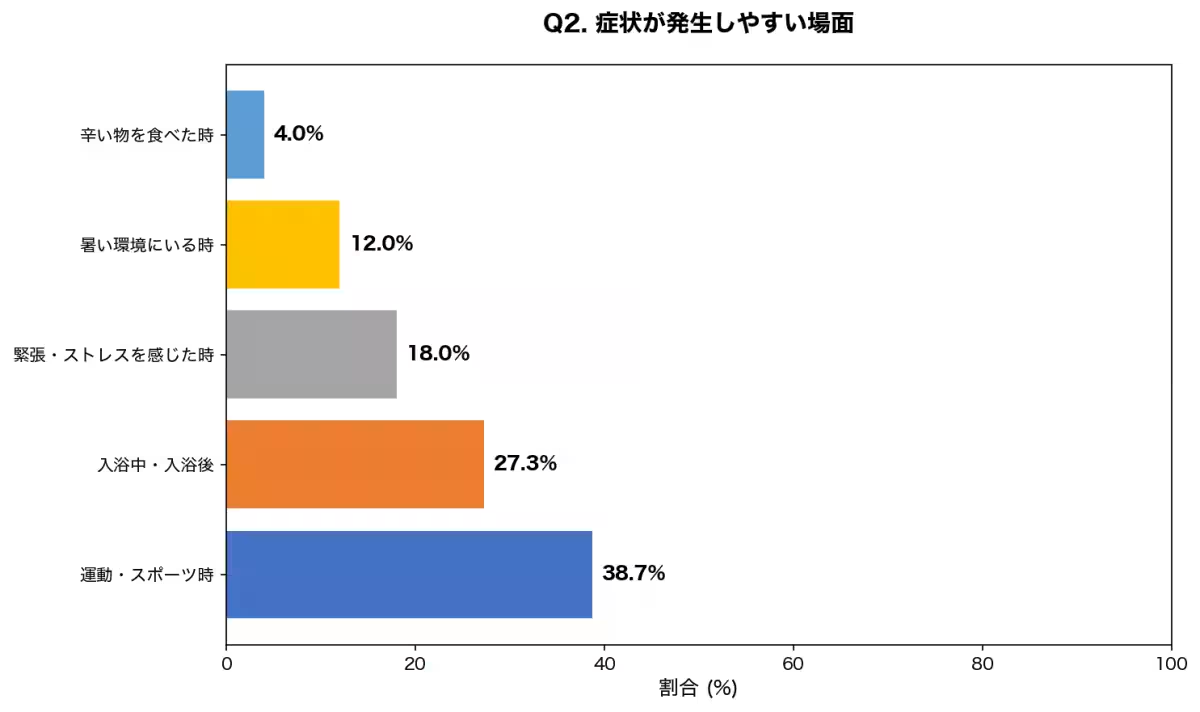
- - Symptoms primarily occurred during physical activities and bathing, highlighting the need for better education on these issues.
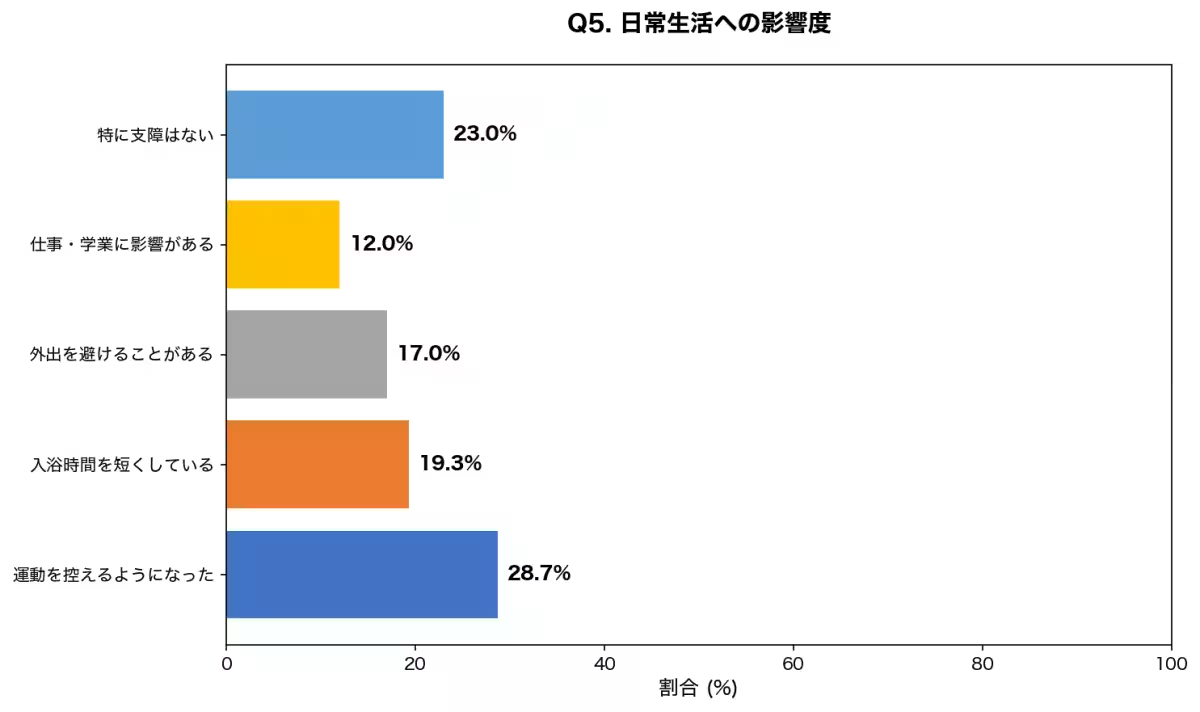
- - Over 65% of participants reported that their symptoms affected their daily lives, including avoiding exercise and bathing due to the discomfort.
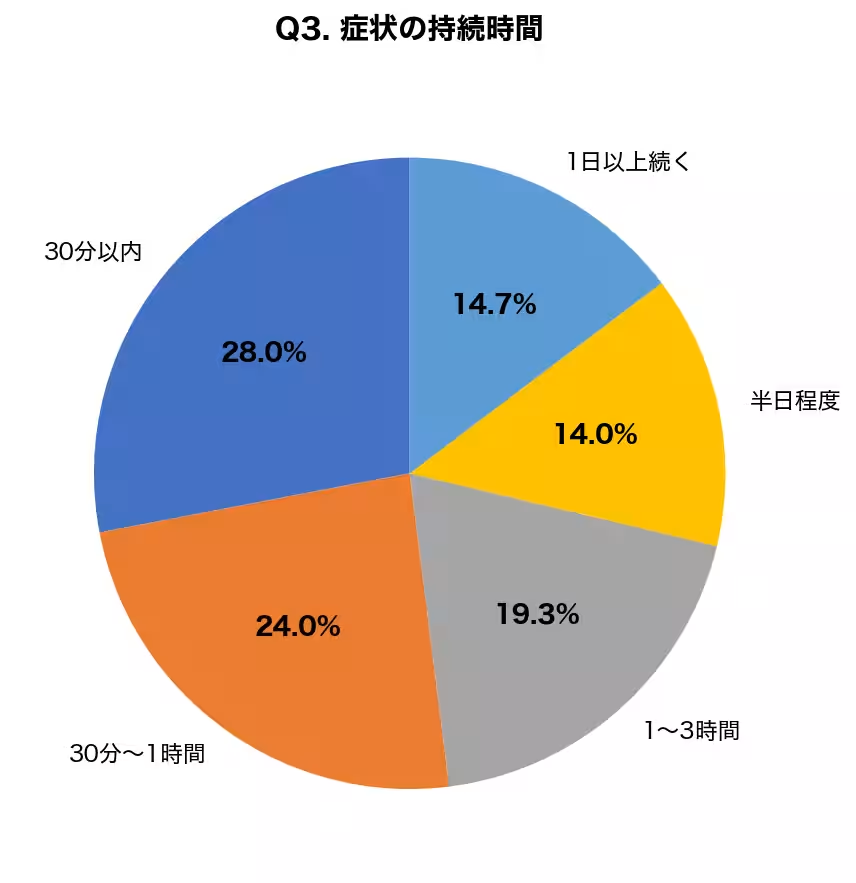
Interestingly, when asked about the duration of their symptoms, 52% noted that their symptoms typically resolved within an hour, which aligns with the characteristics of cholinergic urticaria. Conversely, instances where symptoms lasted more than a day suggested the possibility of heat rash or another skin condition.
Importance of Seeking Treatment
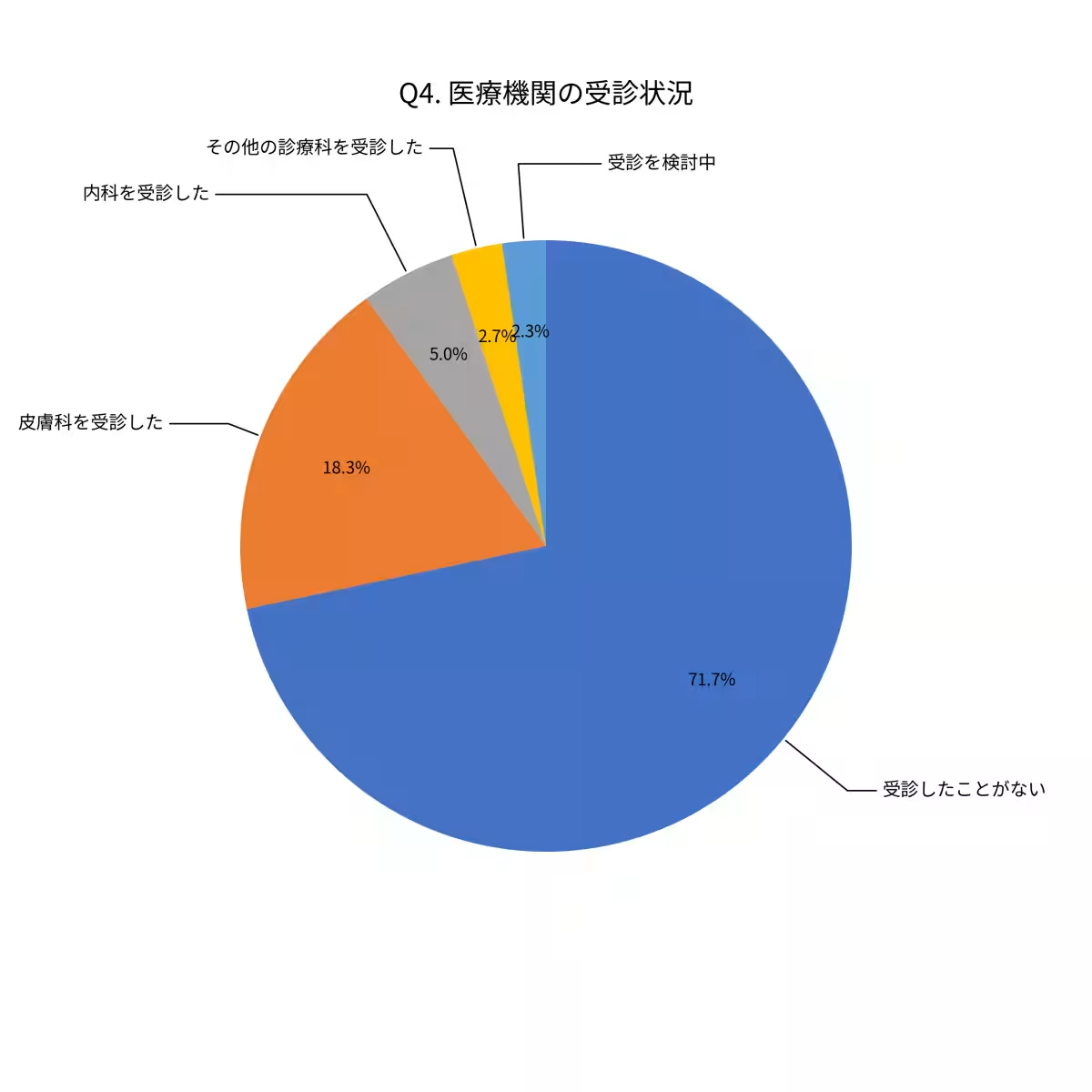
Despite the high incidence of these symptoms, more than 70% of the surveyed individuals had not sought medical attention. Many attempted to self-manage their symptoms with over-the-counter medications. The survey underscores the importance of visiting a dermatologist for accurate diagnosis and treatment.
Dr. Kotaro Takakuwa of the IC Clinic emphasizes that confusion between cholinergic urticaria and heat rash is common and can lead to unnecessary suffering. Proper diagnosis and treatment can significantly improve quality of life, highlighting the need for increased public awareness and understanding of these conditions.
Recommended Action Steps
- - Consult a Dermatologist: If you frequently experience prickling or itching associated with sweating, it’s advisable to seek consultation with a dermatologist who can provide a proper diagnosis and treatment plan.
- - Educate Yourself: Understanding the differences between cholinergic urticaria and heat rash can empower individuals to seek the correct treatment promptly.
- - Medications: Cholinergic urticaria is typically treated with antihistamines, which help manage symptoms effectively.
Conclusion
In conclusion, the survey results highlight a significant gap in understanding the causes of itching and prickling associated with sweating. Increased awareness about cholinergic urticaria and its differentiation from heat rash is essential. By encouraging proper diagnosis and treatment, individuals suffering from these conditions can significantly enhance their quality of life. The IC Clinic remains a vital resource for those seeking expert guidance in managing skin conditions such as these.
Topics Health)
【About Using Articles】
You can freely use the title and article content by linking to the page where the article is posted.
※ Images cannot be used.
【About Links】
Links are free to use.