



Exploring Popular Travel Destinations for Americans Post-Pandemic
An In-depth Look at American Travel Preferences in 2025
In a recent survey conducted by Asmark Co., a Tokyo-based marketing research firm, insights into Americans' overseas travel preferences have emerged. The data, gathered from individuals aged 20 to 50 living in the U.S., sheds light on the changing landscape of international travel post-pandemic. The research was carried out from March 24 to April 4, 2025, and published on May 22, 2025.
The Impact of COVID-19 on International Travel
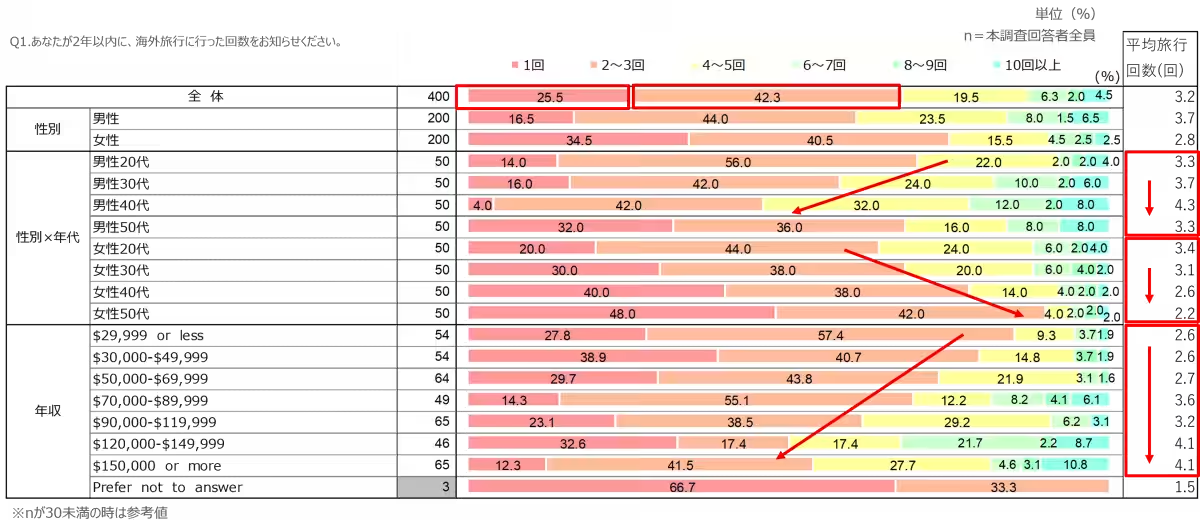
Despite the disruptions caused by the COVID-19 pandemic, there are signs of recovery in international travel among Americans. The survey found that nearly 75% of respondents who traveled abroad in the last two years did so multiple times. The majority of these trips were family vacations or solo travels, indicating a trend toward shared experiences and personal exploration.
In stark contrast, inbound tourism to Japan has been booming, with an estimated 30 million foreign travelers expected to visit Japan in the first ten months of 2024, marking a record peak attributed partly to the weaker yen.
Interestingly, the number of American tourists visiting Japan has significantly increased, with projections estimating around 2.5 million visitors in 2024, compared to 1.5 million in 2019. This growth suggests that the allure of Japan as a travel destination is still strong even amidst economic fluctuations.
Key Insights from the Survey Results
The survey's findings reveal several noteworthy trends:
1. Travel Frequency: Among those who traveled internationally in the last two years, a significant percentage took multiple trips, primarily favoring Europe and the Americas. This indicates a flourishing interest in these regions post-pandemic.
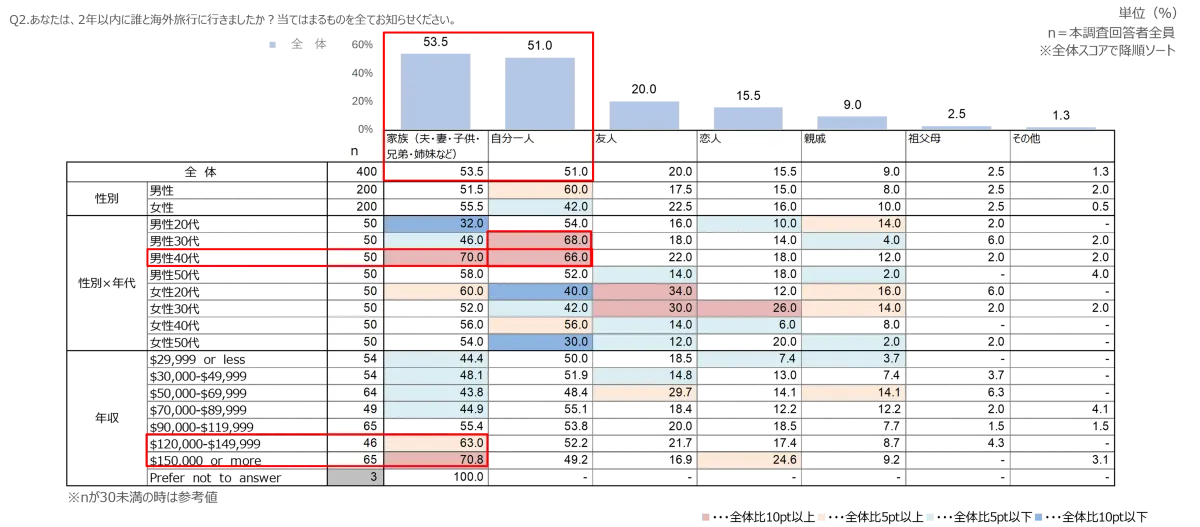
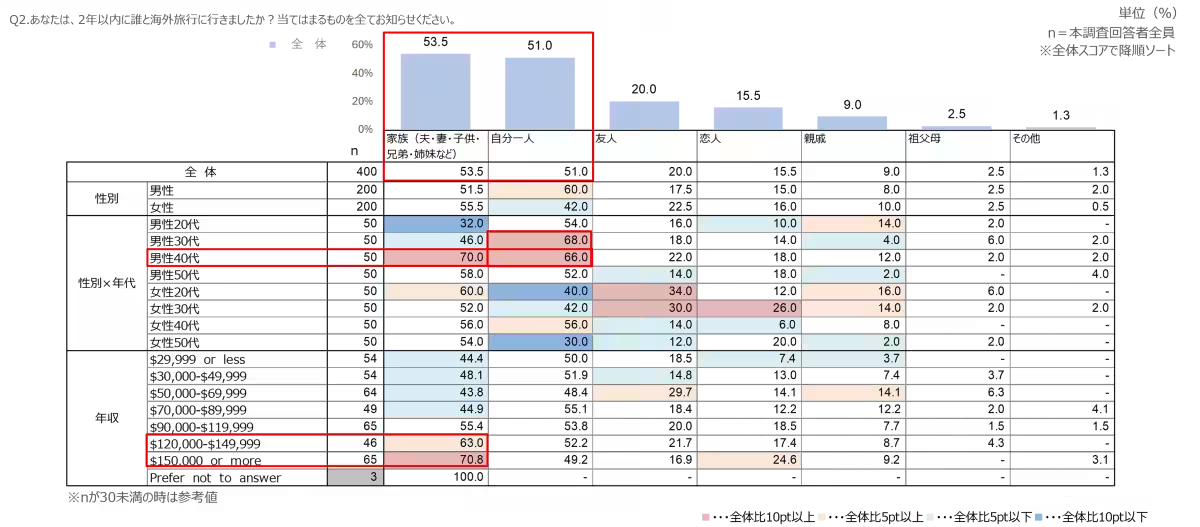
2. Travel Companions: Most respondents indicated they traveled with family, though solo travelers represented a substantial portion as well. High-income individuals were more likely to travel with family, whereas solo trips were more common among younger male travelers, particularly those in their 30s and 40s.
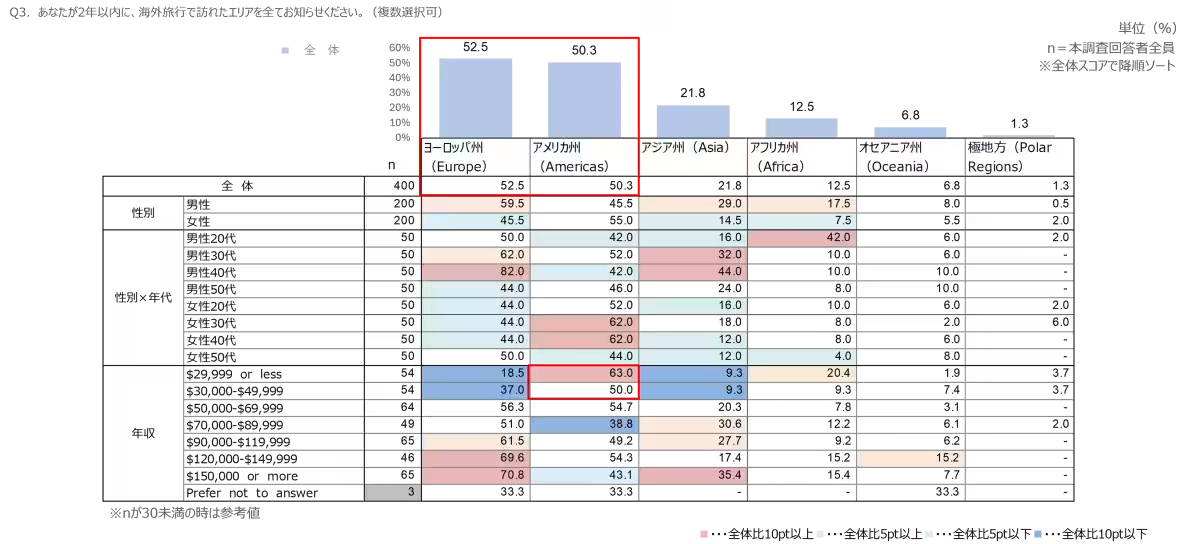
3. Travel Destinations: When asked about their recent trips, respondents predominantly selected Europe as their favorite destination, followed closely by the Americas, with Asia trailing behind. This reflects both geographic proximity and economic factors influencing travel choices, especially among lower-income travelers.
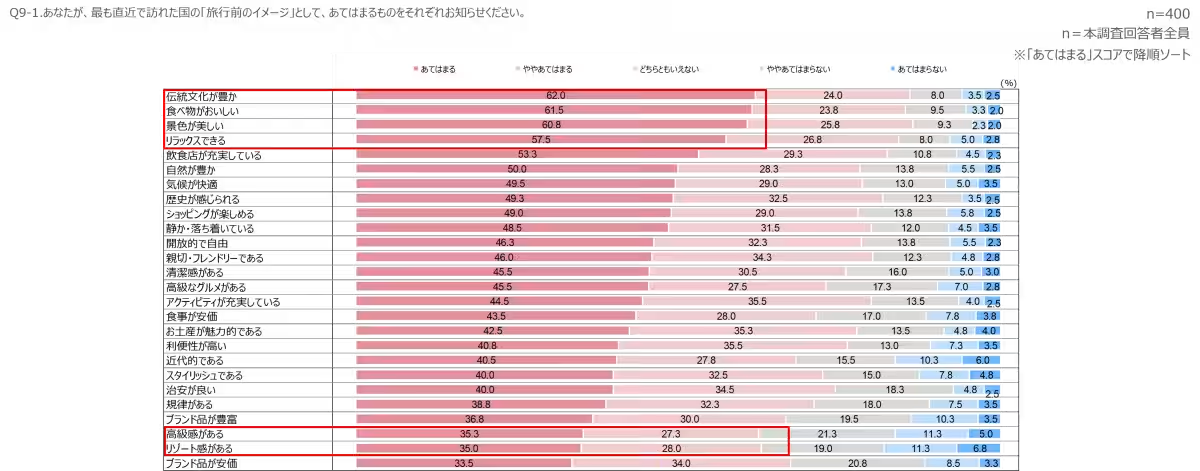
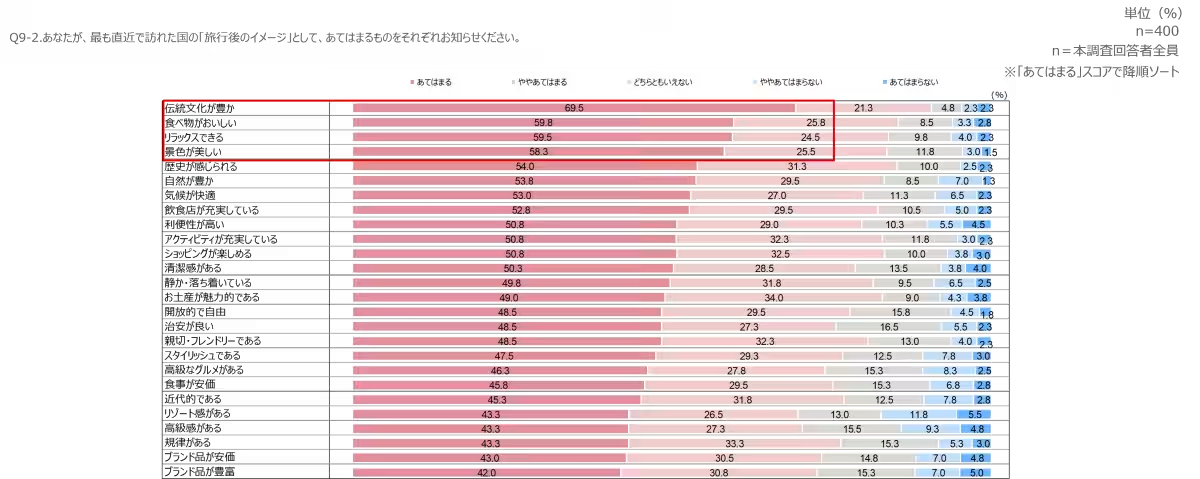
4. Pre- and Post-Travel Impressions: Participants reported strong pre-travel expectations centered around traditional culture, cuisine, and scenic beauty, which largely remained unchanged after their travels. This consistency suggests that travelers exited their trips satisfied, having had their expectations met.
Travel Expectations and Reality
Before traveling, many Americans viewed their destinations as rich in cultural heritage and natural beauty. Post-visit sentiments confirmed these impressions, revealing that visitors felt their experiences aligned closely with initial expectations. Notably, the desire for luxury or resort-style vacations appears to be a less significant preference among travelers in this demographic.
Conclusion
Overall, the survey conducted by Asmark Co. provides valuable insights into American travel behaviors and preferences in a post-COVID world. As people regain confidence in travel, destinations like Europe and the Americas continue to capture the imagination of American travelers, indicating a robust market for international tourism moving forward. The ongoing changes in travel patterns also underscore the evolving desires and expectations of modern travelers, emphasizing the importance of cultural experiences and positive interactions during their journeys.


Topics Travel)
【About Using Articles】
You can freely use the title and article content by linking to the page where the article is posted.
※ Images cannot be used.
【About Links】
Links are free to use.