



Survey Reveals Manufacturing Industry's Hesitance in Adopting AI for On-Site Documentation
Survey Reveals Manufacturing Industry's Hesitance in Adopting AI for On-Site Documentation
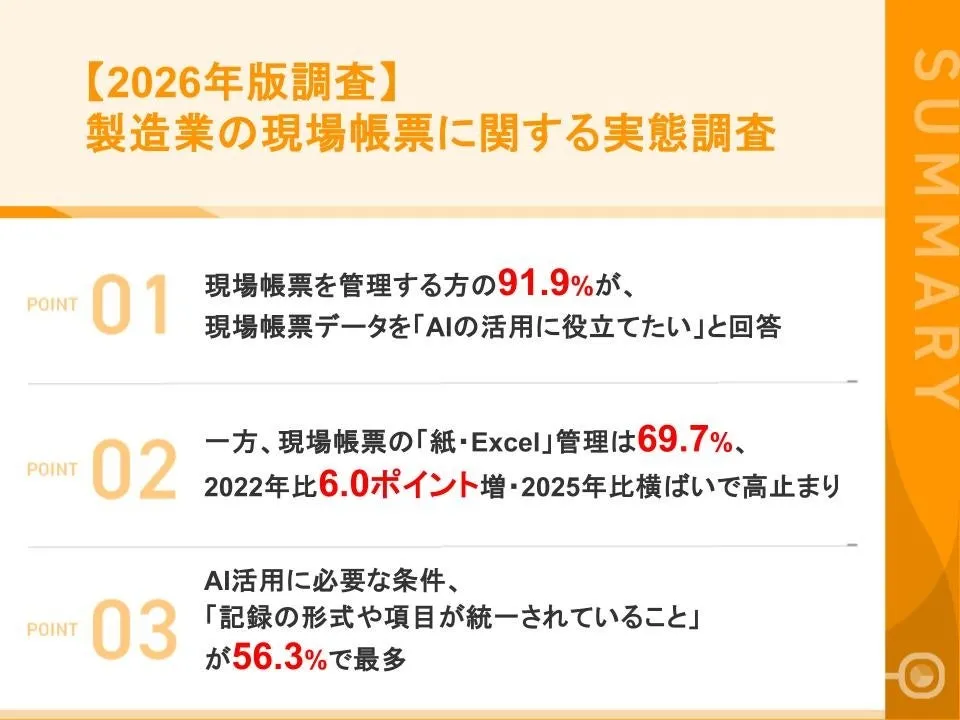
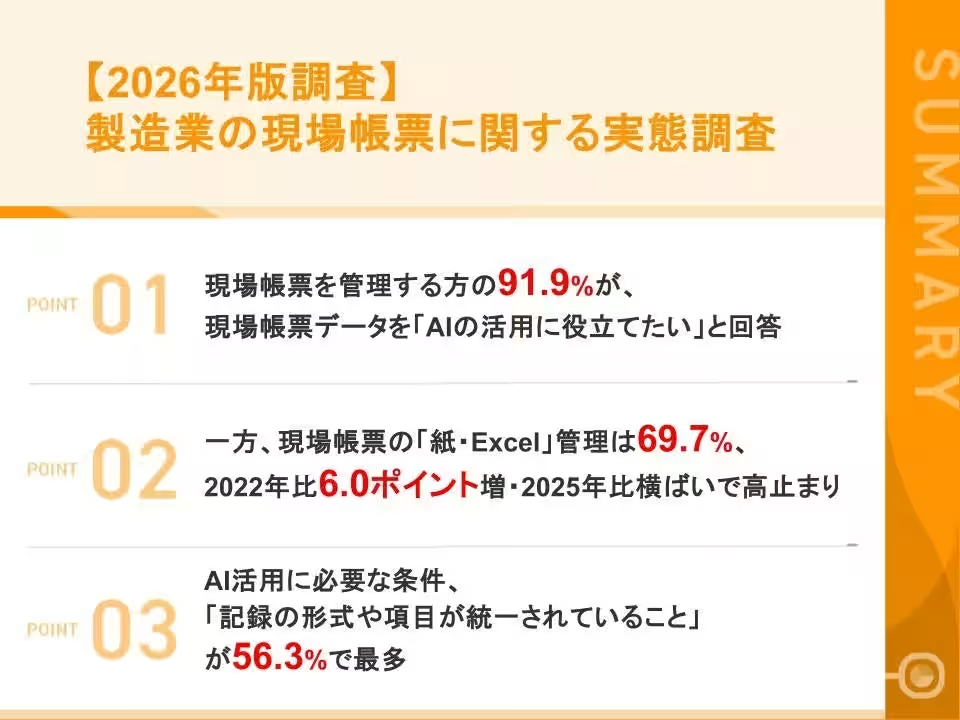
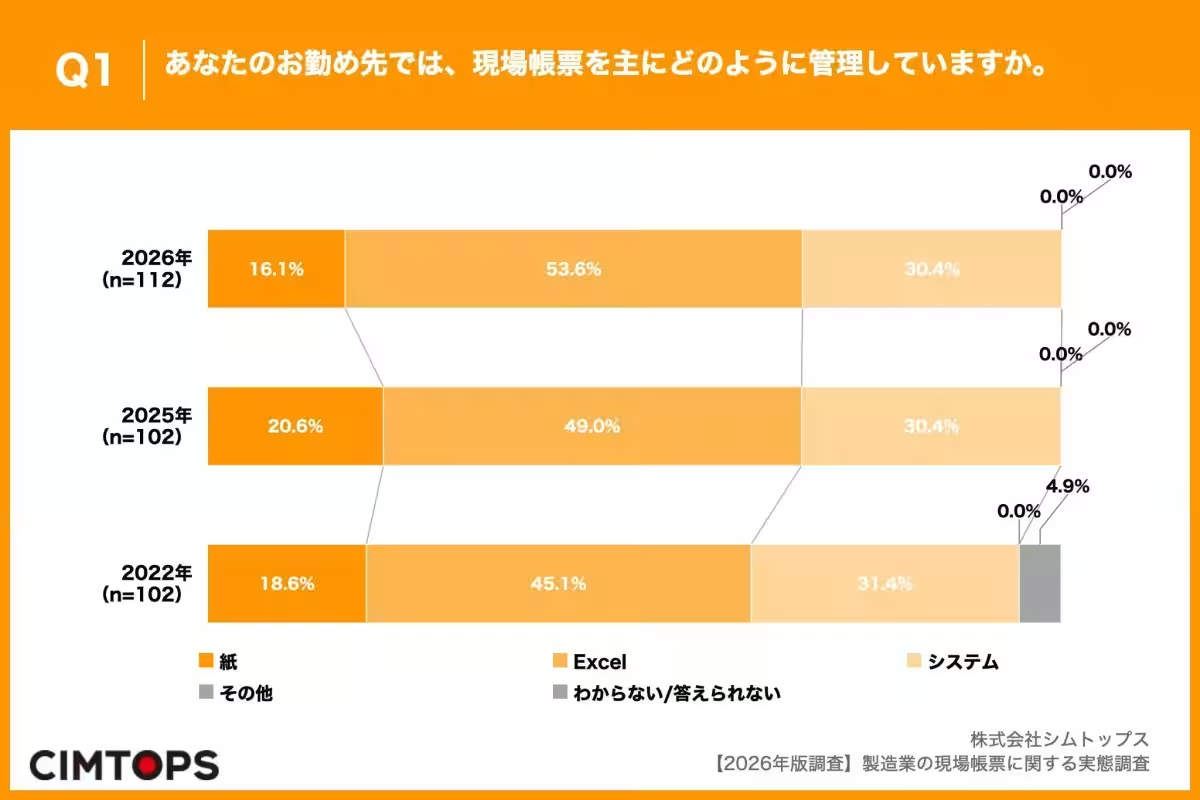
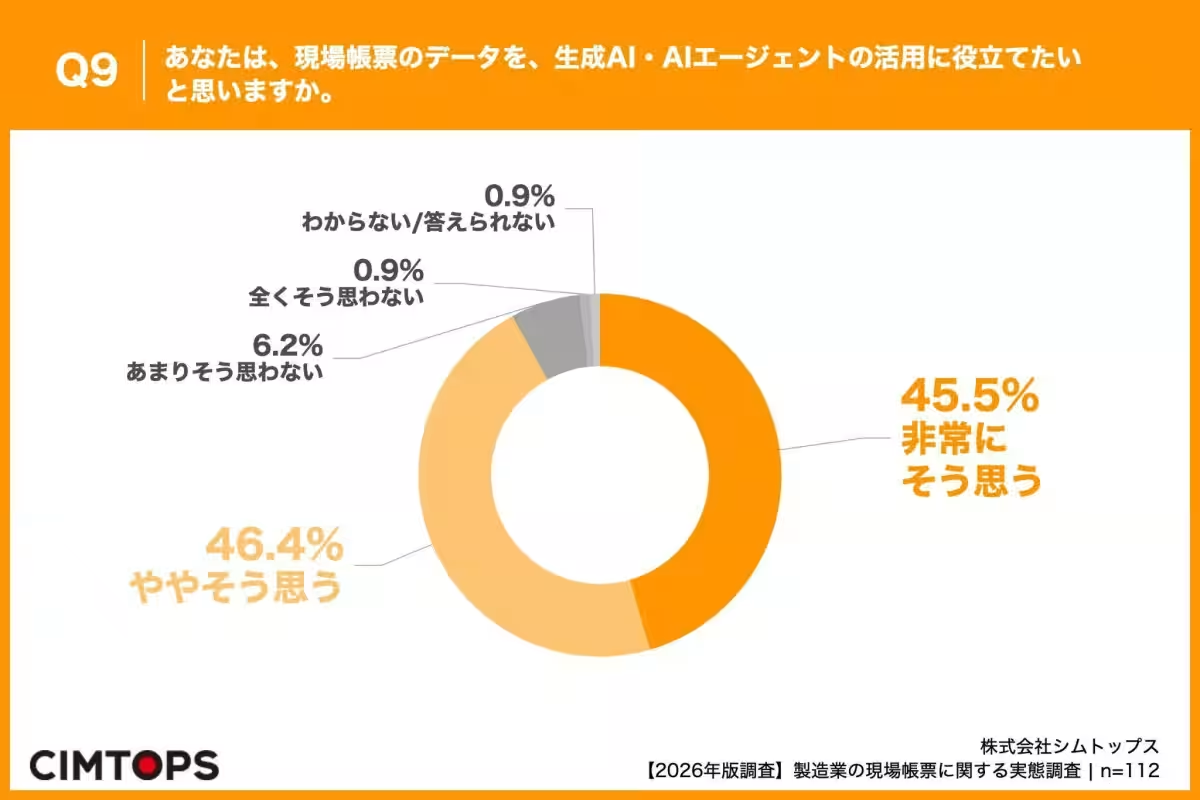
In a significant study conducted by Shimtops, a leading provider of on-site documentation systems, nearly 92% of manufacturing managers expressed a desire to leverage AI for processing field report data. Despite this overwhelming interest, reliance on traditional methods such as paper and Excel has remained stubbornly high, with 69.7% of participants indicating they still manage documentation through these means. This reflects a notable gap between the desire for technological advancement and actual implementation within the industry.
The survey, conducted in late July 2026, gathered responses from 112 individuals in the manufacturing sector (companies with over 50 employees) who are responsible for on-site documentation. The findings echo previous studies from 2022 and 2025, creating a pattern of behavior that highlights managerial inclination toward digital transformation yet persistent adherence to conventional practices.
Key Findings of the Survey
1. Desire to Utilize AI: 91.9% of respondents expressed a willingness to employ AI in managing on-site report data. This demonstrates a clear recognition of the potential benefits AI can offer in improving efficiency and data management.
2. Stagnation of Traditional Practices: The 69.7% figure for reliance on paper and Excel represents a 6.0-point increase from 2022, with no change from 2025. The persistence of these methods indicates the industry's struggle to transition to digital solutions despite recognizing their necessity.
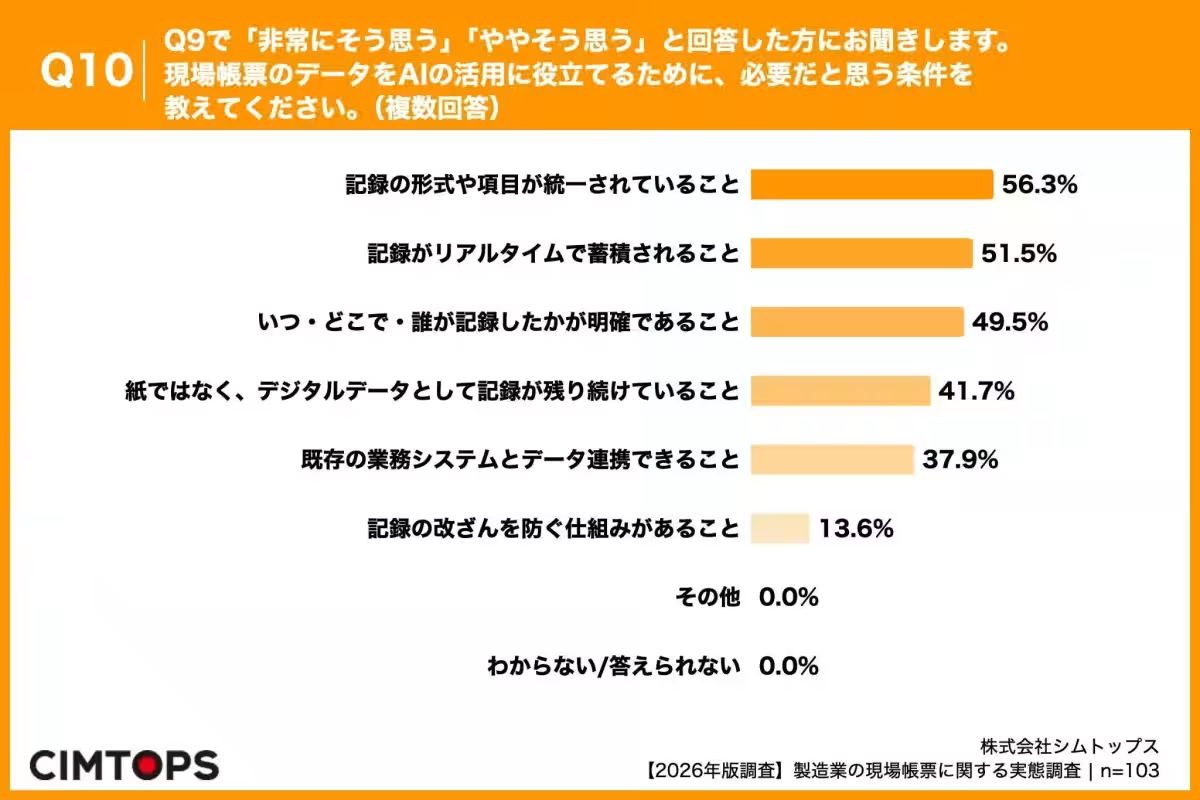
3. Requirements for AI Implementation: The primary condition for successful AI integration, as indicated by 56.3% of respondents, is the uniformity in documentation formats and fields. Accurate and structured data is essential for AI to function effectively, yet inconsistencies in recordings hinder progress.
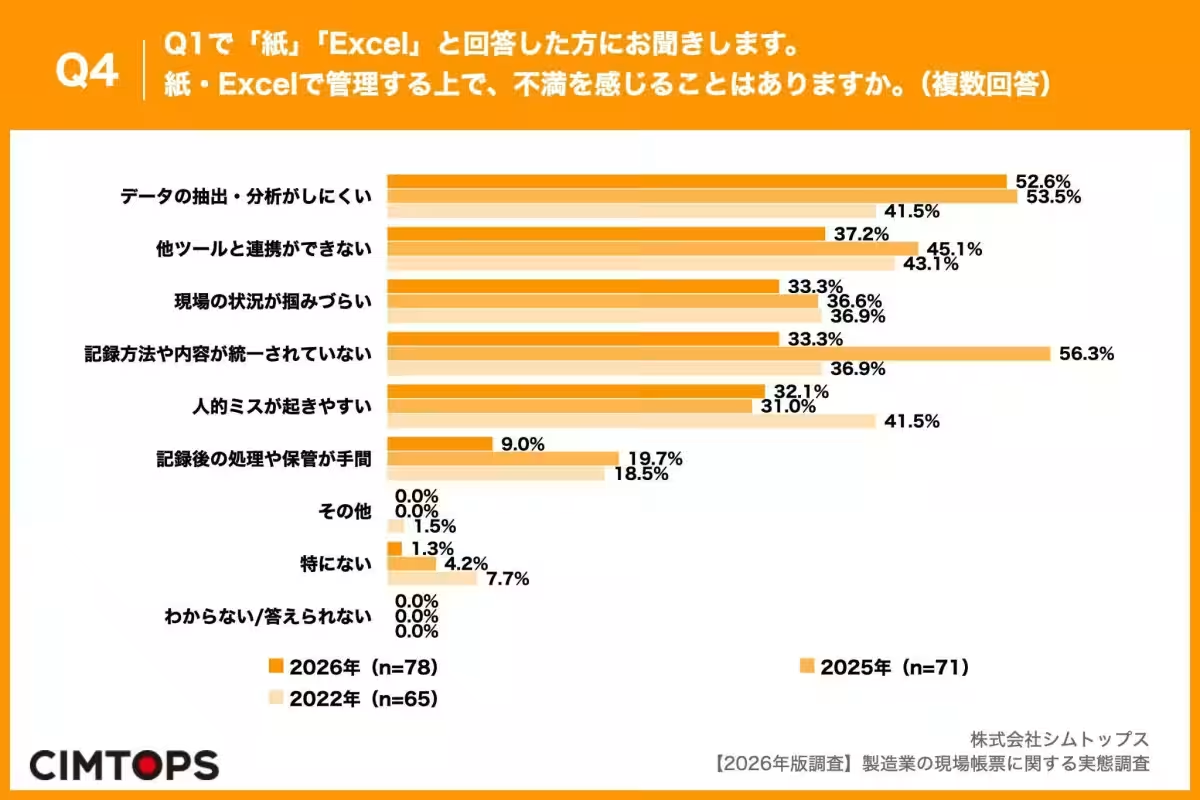
The survey underscored several frustrations among those still using paper and Excel. A staggering 52.6% of participants noted difficulties with data extraction and analysis, illustrating that manual management methods are incompatible with the data-driven demands of modern manufacturing.
Drivers for Digitalization
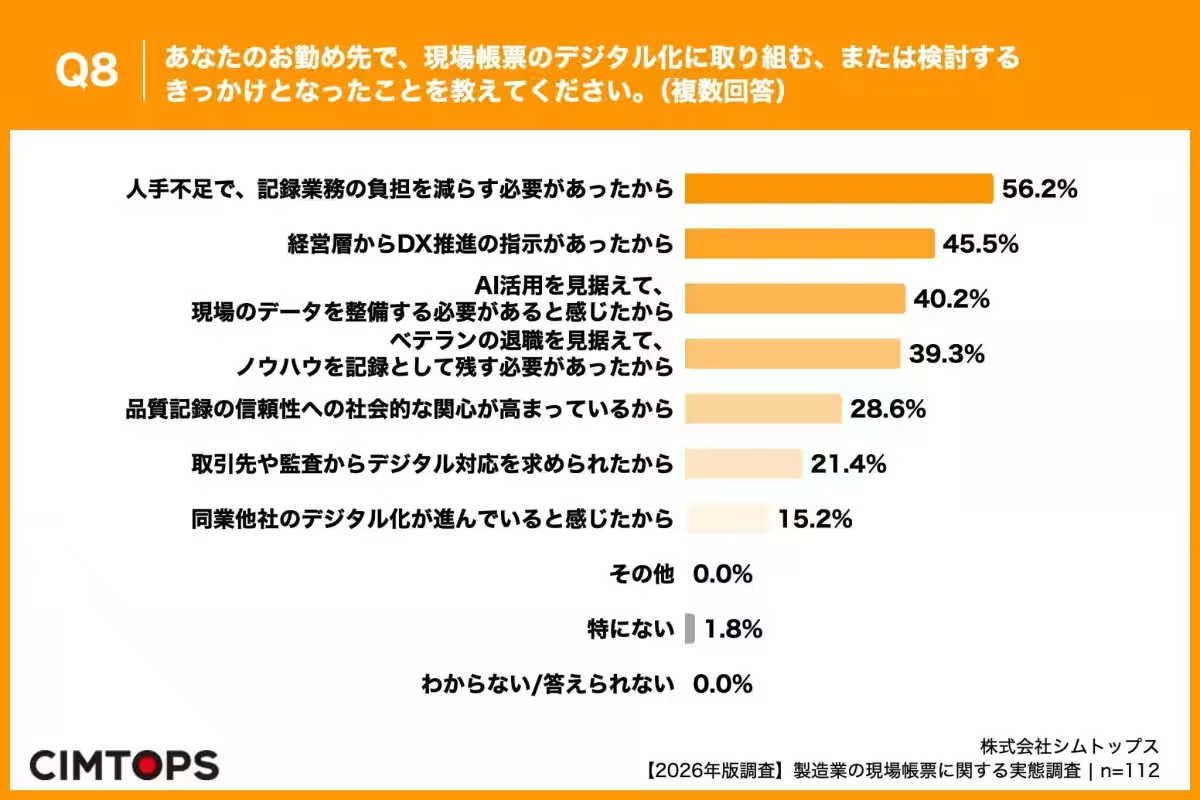
The motivations for transitioning to electronic documentation stem from several pressing factors. The leading impetus, cited by 56.2% of respondents, is the burden of record-keeping amidst labor shortages. The need to enhance efficiency and streamline operations has led many to consider digital solutions seriously. Additionally, 40.2% acknowledged the foresight required for AI utilization as another critical factor.
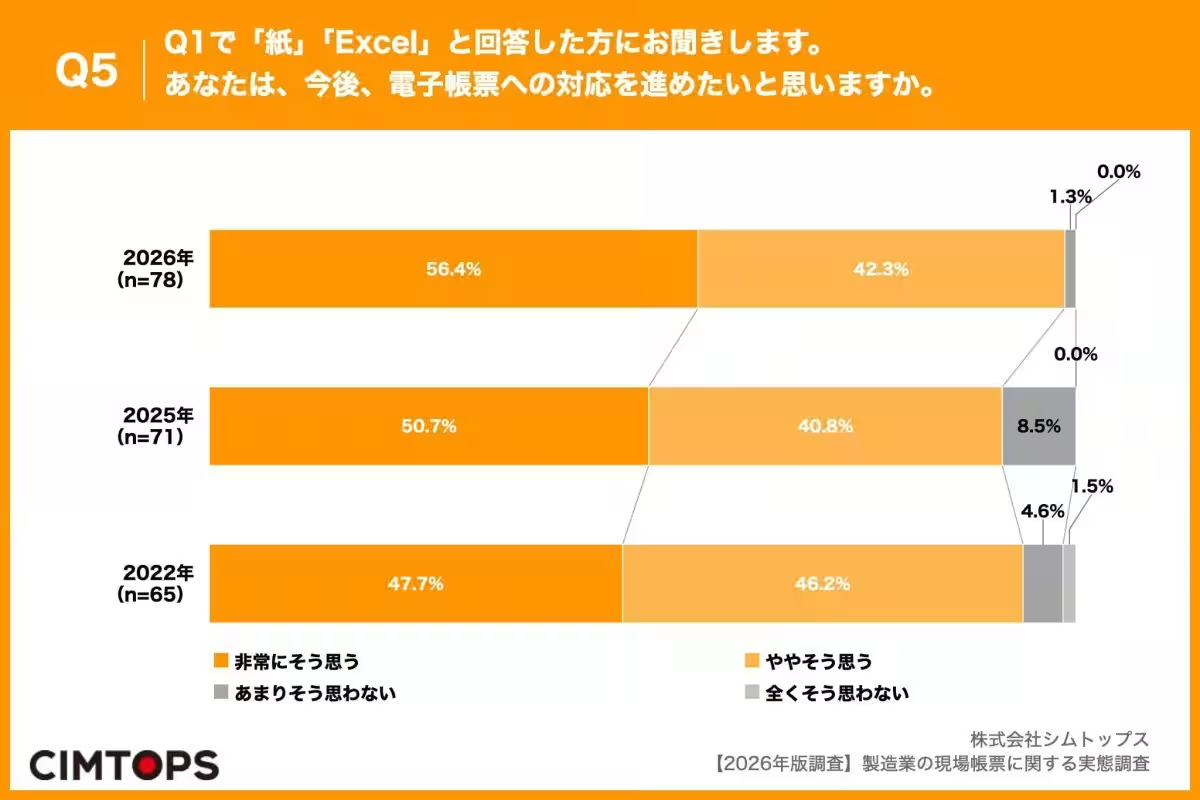
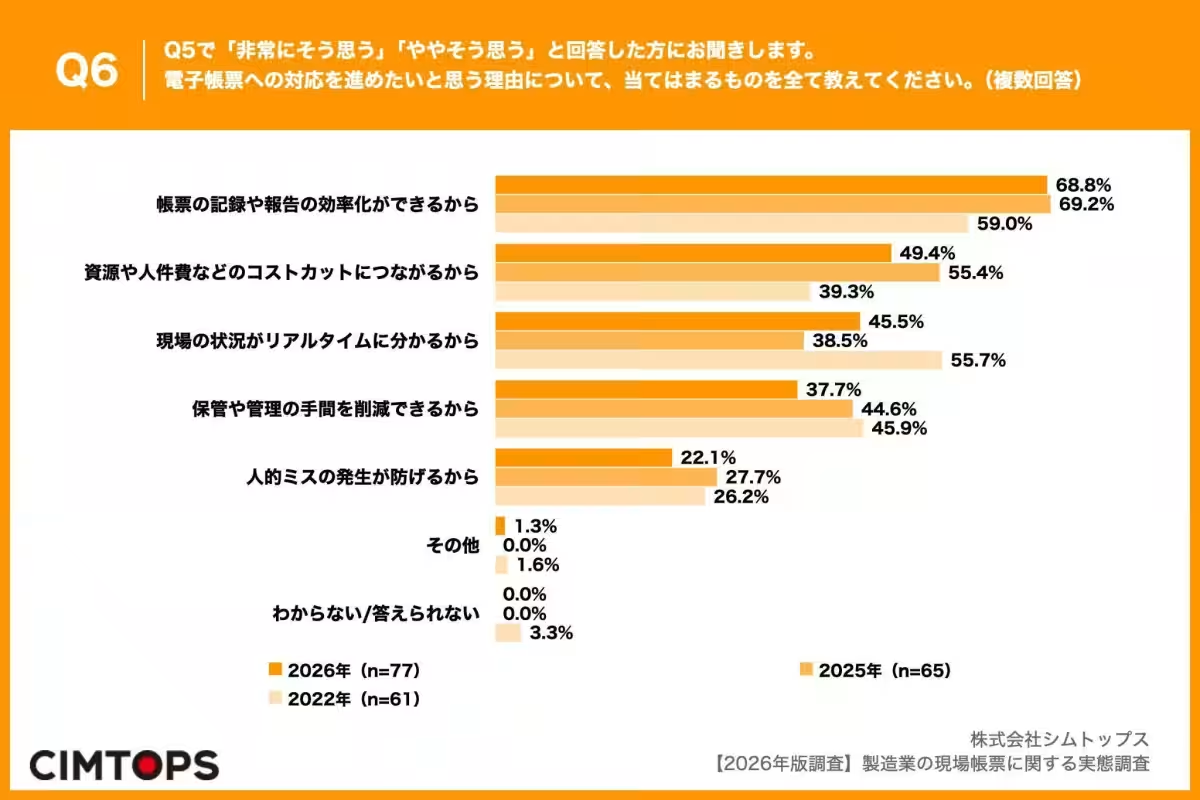
A growing impatience for integrating digital solutions was evident, with 98.7% of those using traditional methods expressing interest in adopting electronic documentation. The reasons for this shift largely revolved around the need for improving documentation efficiency. 68.8% of participants believe digitization will facilitate better records and reporting.
Barriers to Change
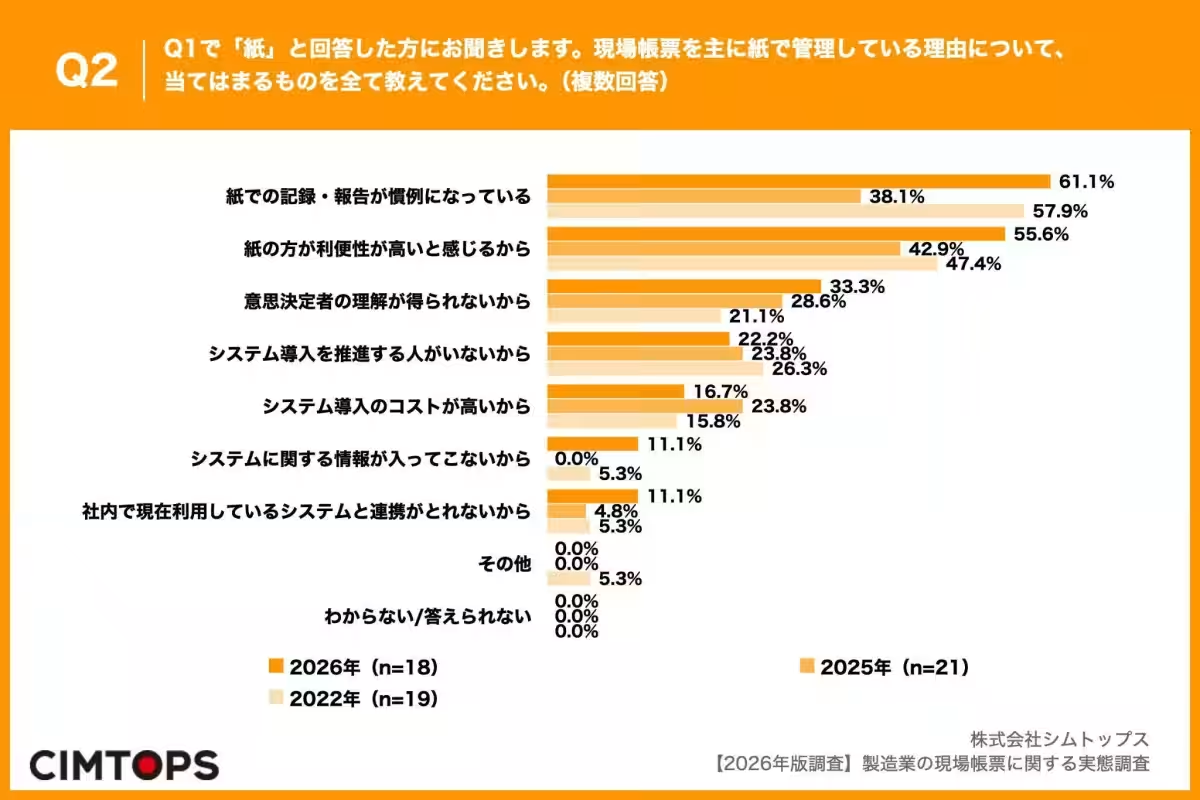
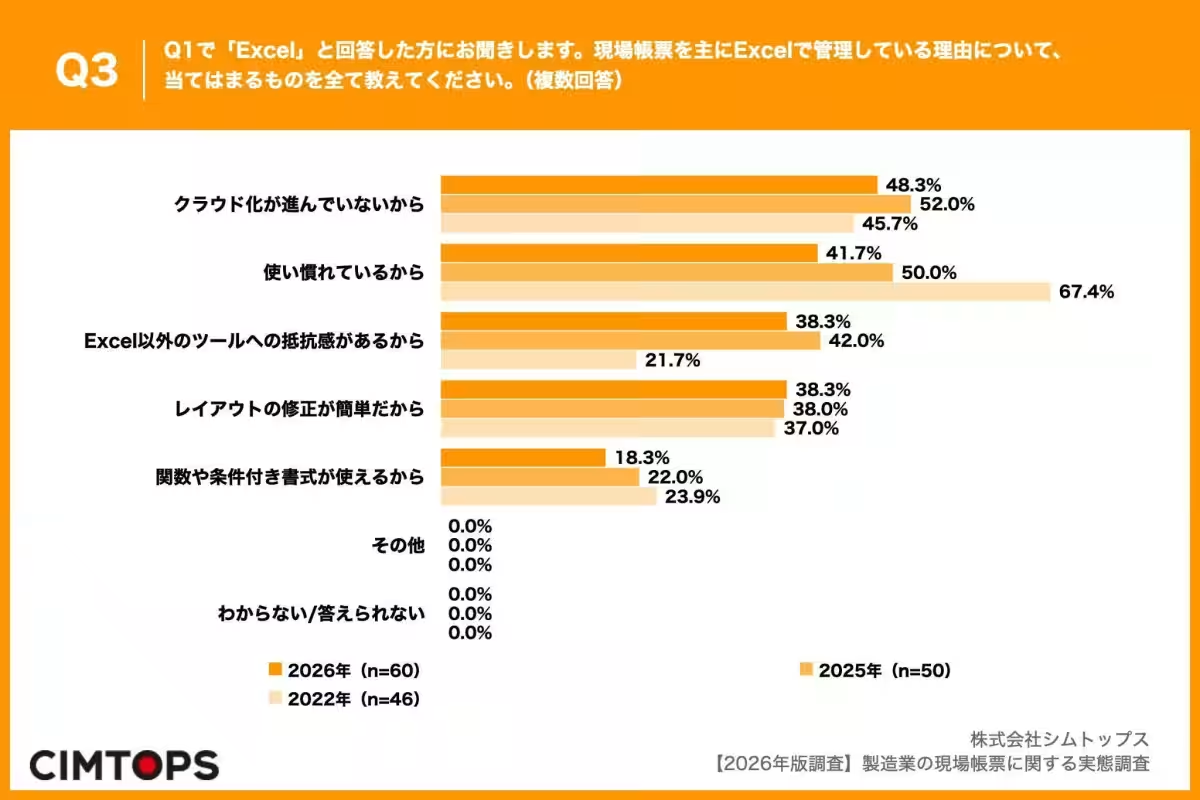
Despite the strong desire for advancement, traditional documentation habits remain entrenched within the culture of manufacturing operations. Many cited reasons for maintaining their current processes included a sense of familiarity, with 61.1% reliant on paper due to established practices. For those using Excel, 48.3% reflected the lack of cloud infrastructure as a significant obstacle to exploring other digital tools.
Conclusion
The findings of this survey reveal a dichotomy within the manufacturing sector: a widespread acknowledgment of the importance and benefits of AI, paralleled by a reluctance or inability to transition from traditional practices. As the industry grapples with the need for digitalization, it is clear that addressing internal barriers and fostering a culture of innovation will be critical.
Moreover, as the need for AI usage becomes more pronounced, companies like Shimtops, with their i-Reporter solution, offer pathways for integrating digital documentation without disrupting current workflows. The potential benefits of enhancing data quality for AI utilization can lead to significant operational improvements.

Topics Consumer Products & Retail)
【About Using Articles】
You can freely use the title and article content by linking to the page where the article is posted.
※ Images cannot be used.
【About Links】
Links are free to use.