



2025 Household and Lifestyle Survey Report by Japan Co-op Federation Highlights Financial Pressure
Overview
The Japan Co-operative Federation (Nihon Seikyo-ren) has recently released the "2025 Annual Report on the Household and Lifestyle Survey". This report follows the discontinuation of the nationwide cost of living survey initiated in 1978, transitioning to the current survey, which has been conducted since January 2018.
The 2025 report presents alarming data: domestic life has been increasingly burdened by soaring prices influenced by high inflation rates affecting basic goods, especially rice. Despite wage increases, many households have found their income unable to keep pace with rising living costs, leading to intensified saving habits.
Key Findings
Rising Utility Costs
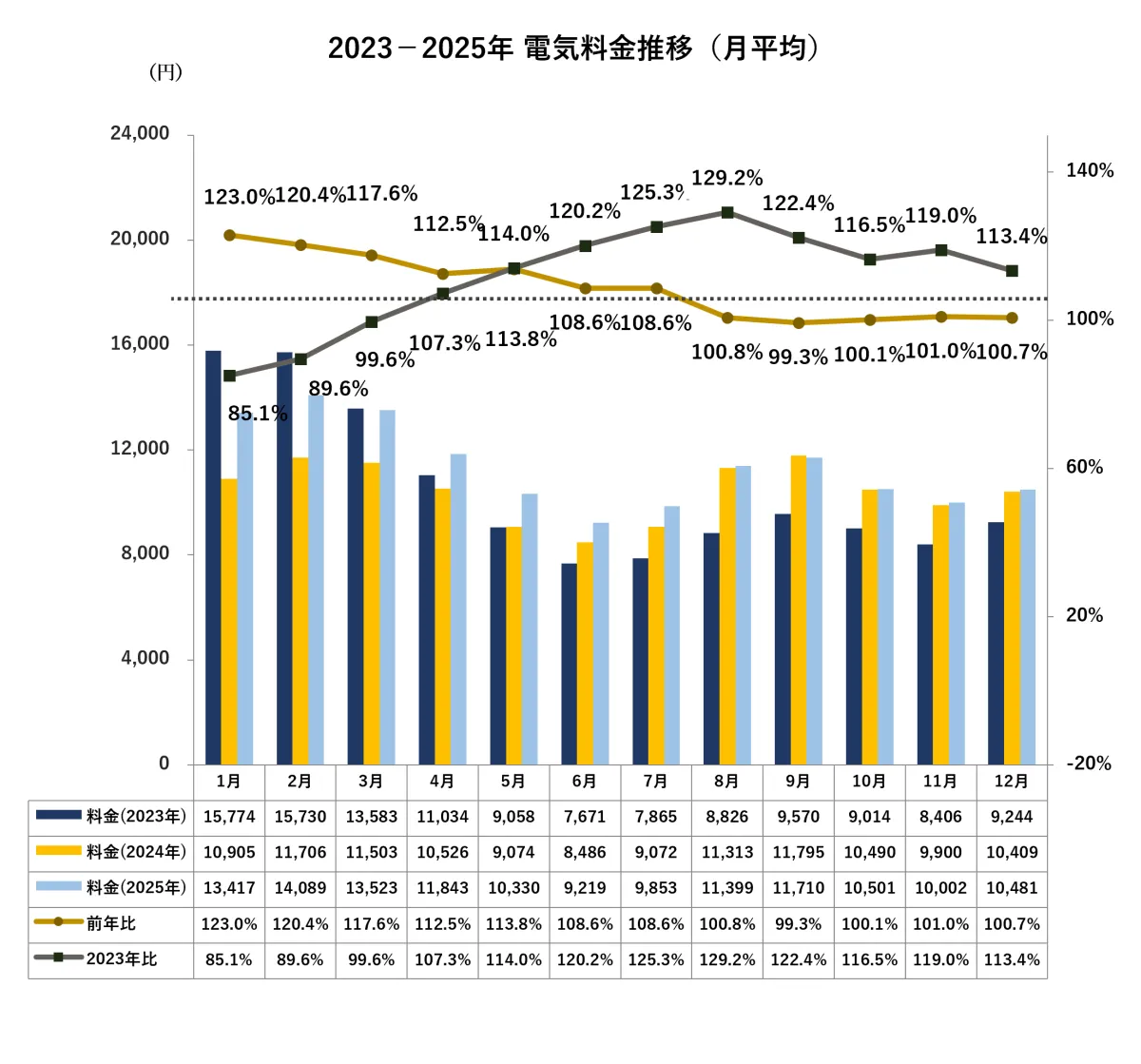
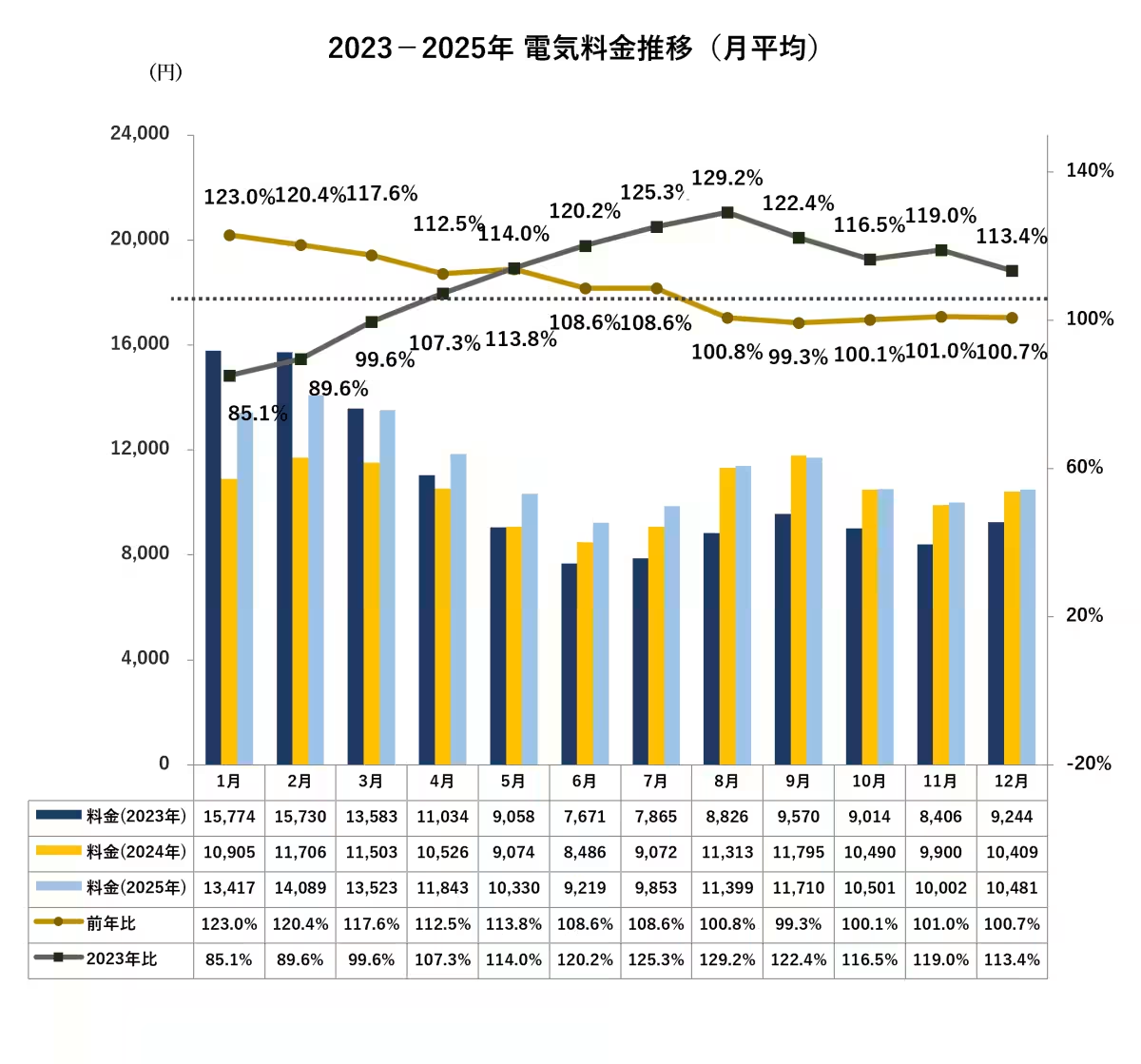
The survey compared utility costs over three years (2023-2025) for water, electricity, and gas. Due to government subsidies that began in January 2023, this led to unusual spikes in bills early in the year. Conversely, when subsidies were reduced in 2025, overall costs increased, particularly noted during the high-demand summer months. The electric bill alone saw a year-on-year increase of 29.2% compared to 2023.
Consumer Expenditure Trends
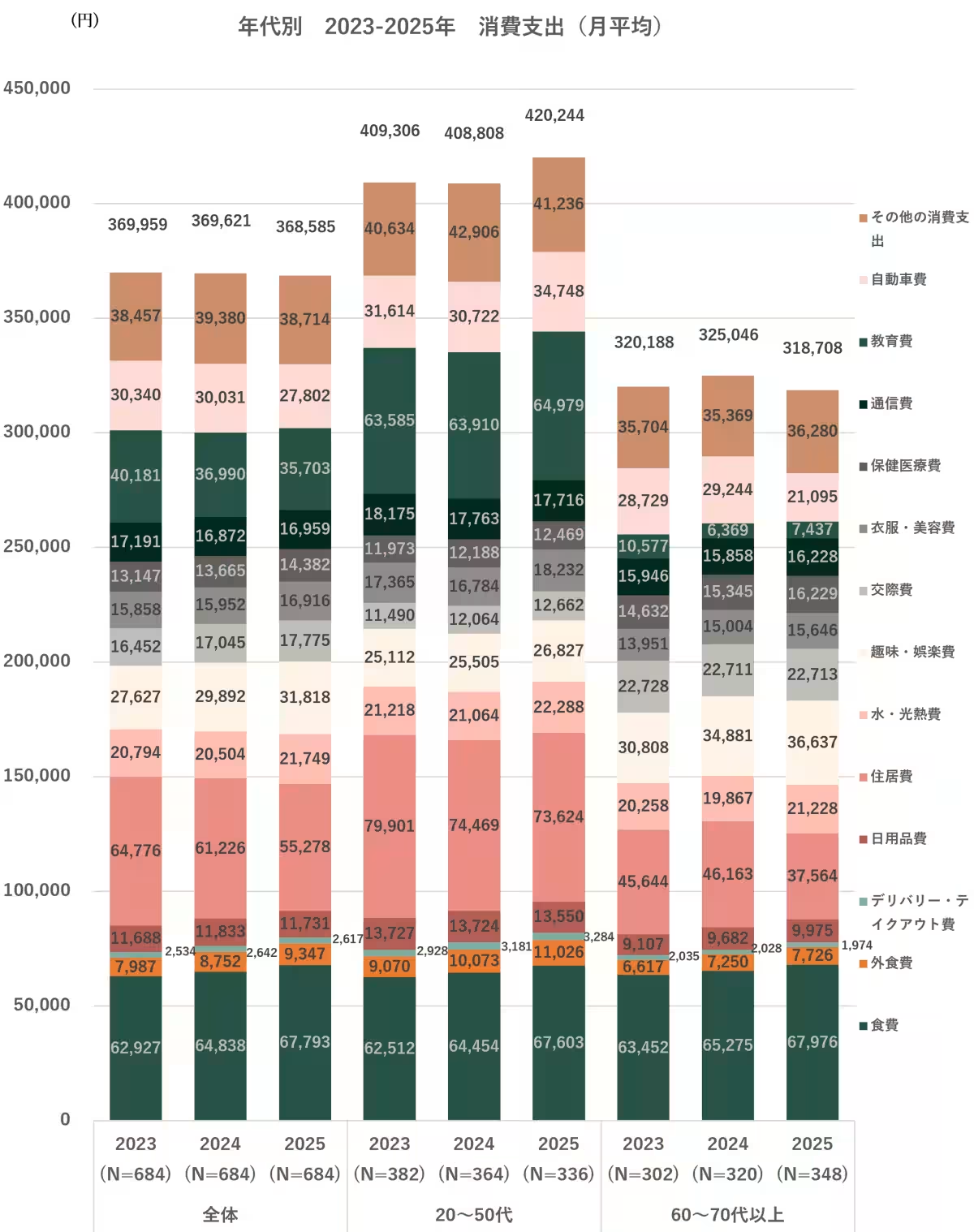
Average monthly household expenditure in 2025 was recorded at ¥368,585, representing a slight decline from previous years. Interestingly, while overall expenditures dipped, specific categories such as dining out and food costs surged by approximately 17% and 8%, respectively. This increase starkly contrasts with declines in housing and automotive expenses, indicating a shift in consumer priorities.
One demographic shift observed was among different age groups. The working-age population reported increases in transportation costs, while senior citizens experienced a significant decrease, highlighting contrasting economic pressures across various life stages.
Annual Income and Expenditures
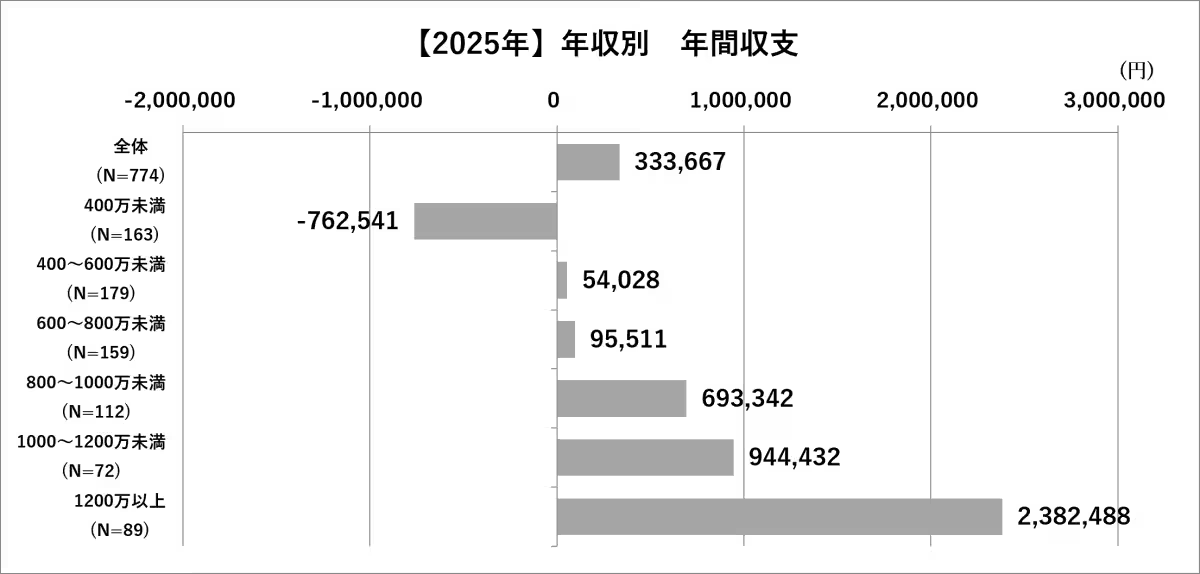
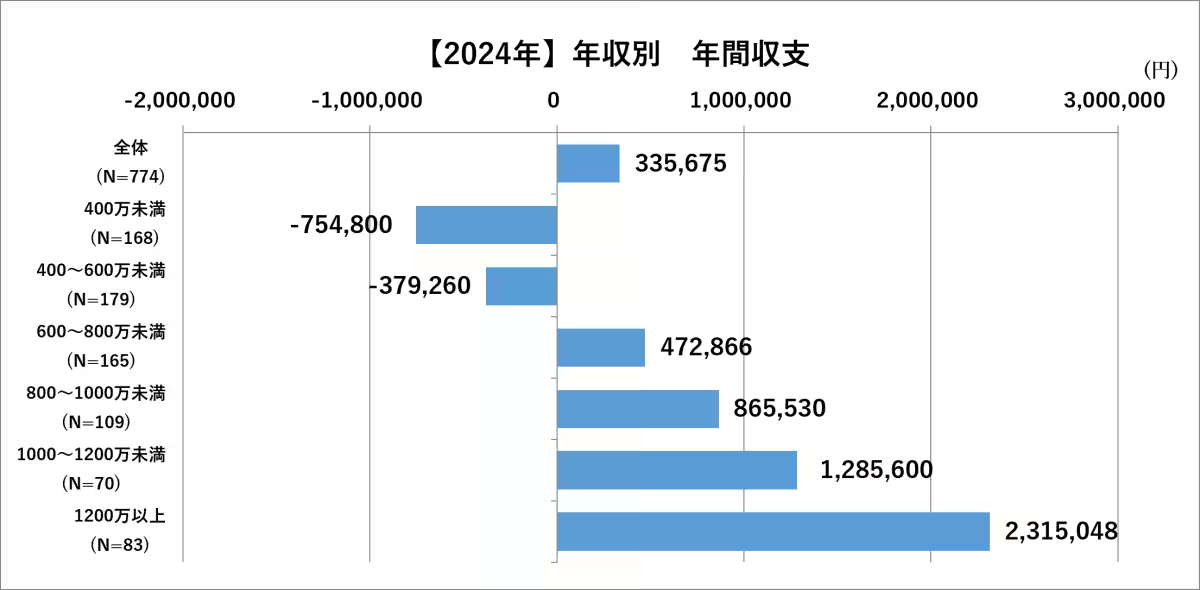
The average annual balance stood at ¥333,667, indicating a marginal decrease from the previous year. Families with incomes under ¥4 million reported an increasing financial deficit of over ¥760,000. Meanwhile, households earning between ¥4 million and ¥6 million slightly improved their financial standing, showing that many are managing their finances more conservatively without increasing their income.
Voices from Households
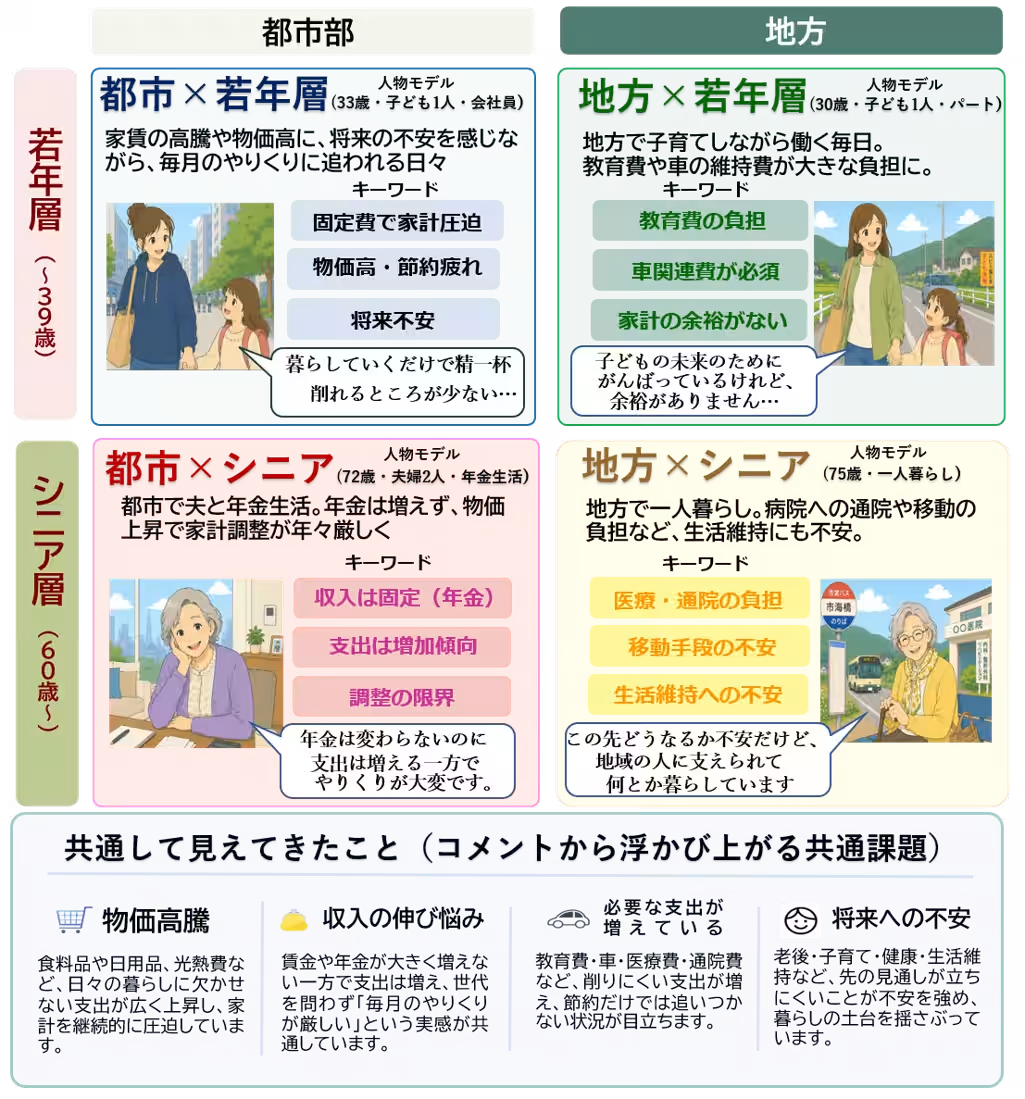
Insights collected from a diverse group of monitor participants reveal common concerns: rising costs have become a nationwide challenge. The analysis categorized voices into four demographics: urban youth, rural youth, urban seniors, and rural seniors. Each group identified unique financial pain points, from housing and education costs in cities to transportation in rural areas. However, a shared theme emerged across demographics, voicing anxiety regarding future financial stability amid increasing living costs.
Conclusion
The "2025 Annual Report on the Household and Lifestyle Survey" fundamentally sheds light on the financial strains facing households in Japan. It illustrates an ongoing phenomenon where income growth fails to match inflationary pressures, illustrating a precarious situation for many families. As expenses rise and economic conditions remain uncertain, the need for thoughtful policy interventions to alleviate these pressures is more pressing than ever.
Topics Consumer Products & Retail)
【About Using Articles】
You can freely use the title and article content by linking to the page where the article is posted.
※ Images cannot be used.
【About Links】
Links are free to use.