



Understanding the Challenges of Chinese Business: The Importance of Accurate Information for Japanese Companies
Understanding the Challenges of Chinese Business
In a recently conducted survey by Kōchizai Academy, which specializes in educational services, over 1,000 business representatives dealing with Chinese enterprises were asked about their strategies for gathering information in the context of their business operations. The findings reveal a significant insight: the primary barrier is not the customary business practices but rather the quality of information available regarding the Chinese market.
The Importance of Chinese Market Information
China continues to hold paramount importance for Japanese companies due to its vast market size and cost competitiveness. Many companies already engage in trade with Chinese firms, while others are contemplating future expansions into this critical market. However, a common sentiment among these businesses is the challenge of locating specific information that matches their strategic needs, whether for evaluation or operational purposes.
The survey specifically targeted two groups: representatives from Japanese companies currently engaged with Chinese firms and those considering potential partnerships. This dual focus provides a comprehensive picture of the information landscape.
Insights From the Survey
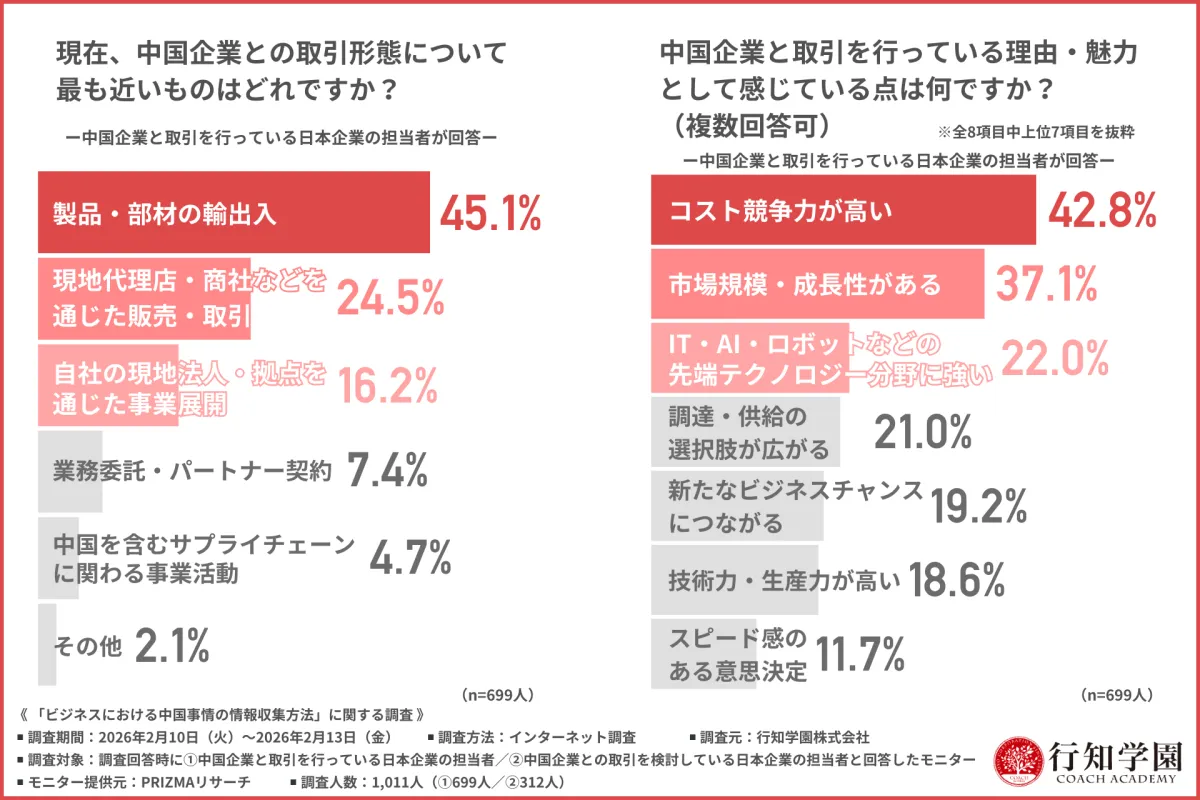
Conducted between February 10 and 13, 2026, the survey yielded responses from 1,011 individuals. The results indicated that trade forms dominated the preferred methods of engagement. A notable 45.1% reported focusing on the import and export of products and parts. In contrast, only 16.2% managed their operations directly through local subsidiaries. This emphasizes the reliance on trade rather than local investments as a primary mode of business activity.
When respondents were asked about the attractiveness of dealing with Chinese firms, 42.8% cited high cost competitiveness as a major reason. Additionally, 37.1% mentioned the market's size and growth potential, while 22% indicated strength in advanced technology sectors such as AI and robotics. This suggests a shift from perceiving Chinese businesses merely as low-cost producers to recognizing them as technology partners in various sectors.
Challenges in Business Operations
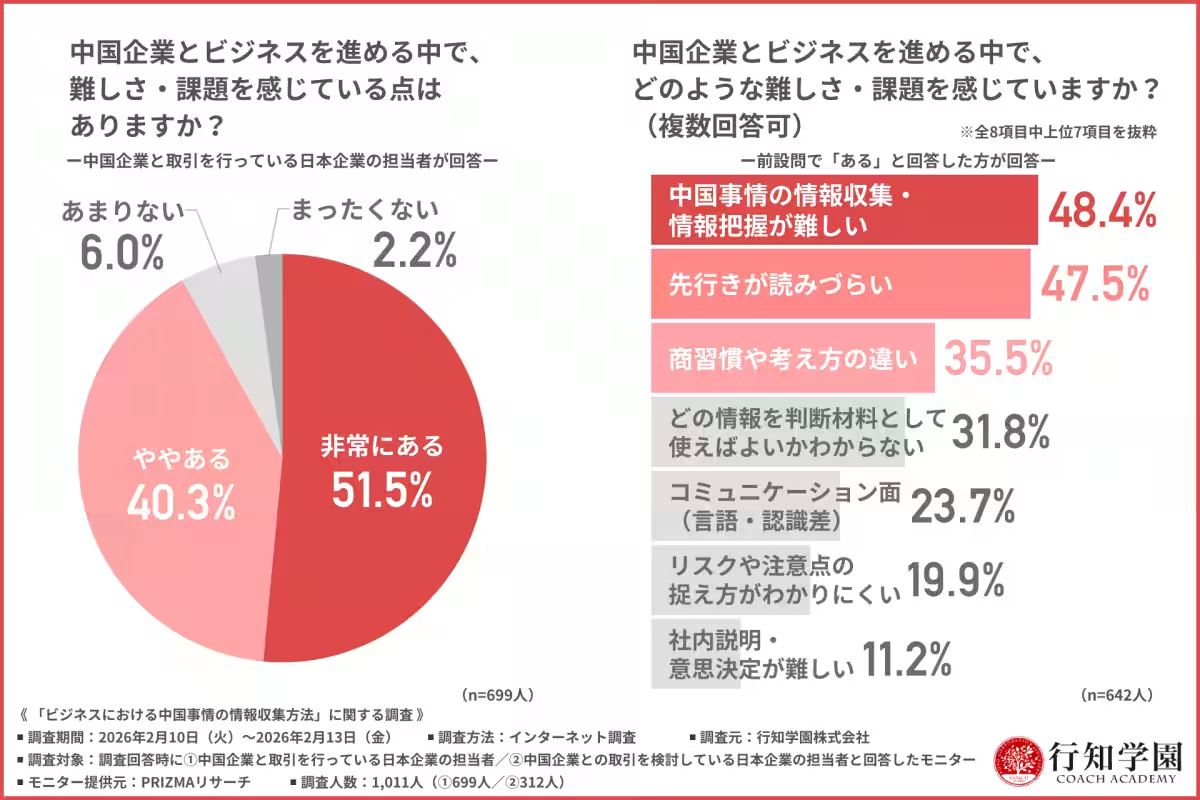
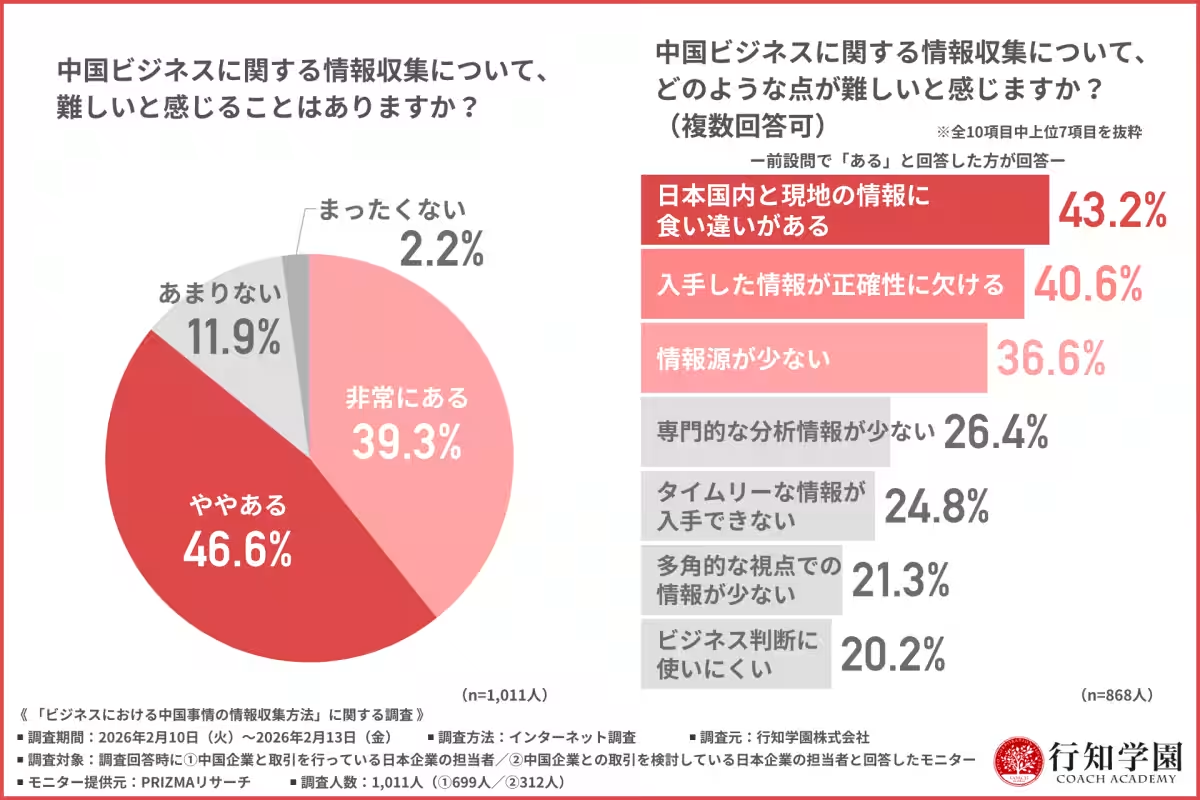
Despite these advantages, nearly 90% of the respondents expressed concerns about navigating the complexities of conducting business with Chinese companies. Specifically, 51.5% noted that they encounter significant challenges in this area. Prominent obstacles included difficulties in understanding local market conditions and differing business practices.
Significantly, 48.4% of participants identified the challenge of sourcing accurate information about Chinese market conditions as a primary concern, highlighting the critical role that data plays in decision-making. This indicates that while the market is enticing, the ambiguity surrounding reliable data creates hesitance and risk in enterprise ventures.
Information Elicitation Requirements
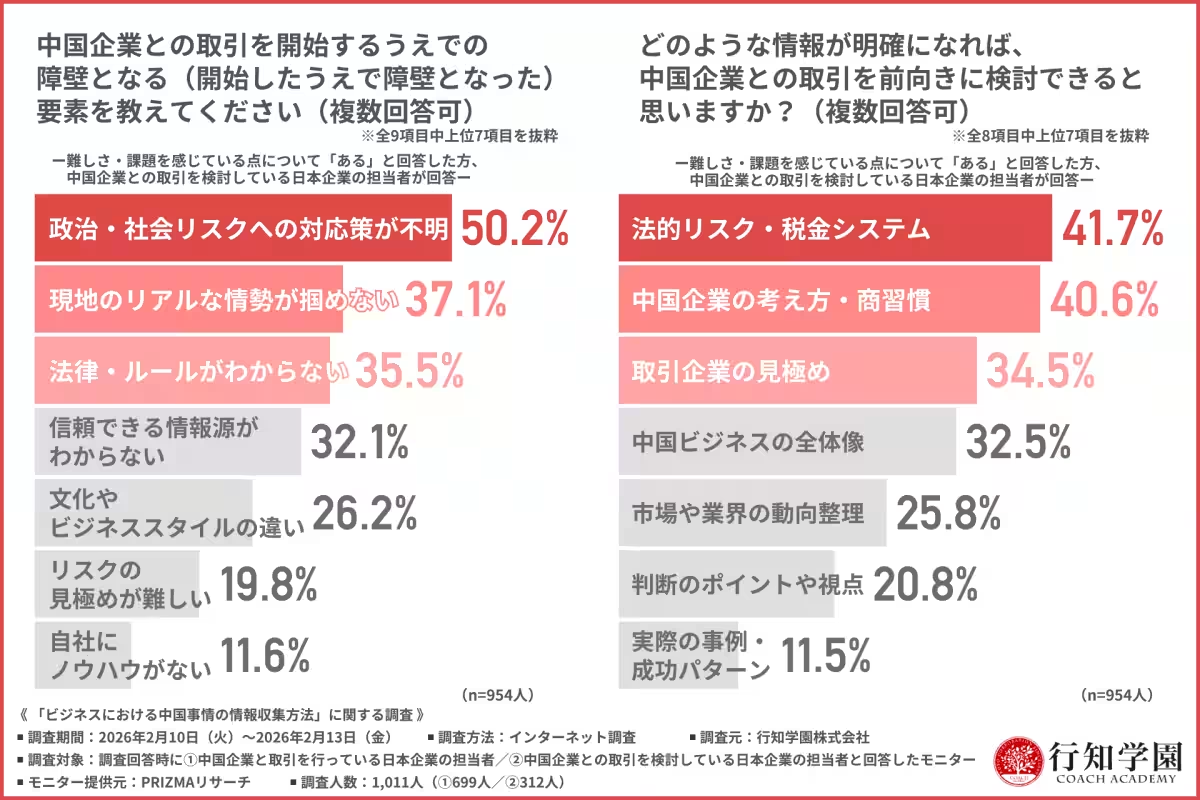
When asked about what information is necessary to facilitate engagement with Chinese partners, key areas of interest included legal systems and tax implications, with 41.7% of respondents affirming their importance. Moreover, clarity on the mindset and business customs of Chinese firms was deemed essential by 40.6%. Respondents emphasized that understanding the regulatory landscape, especially given its propensity for changes, is pivotal.
Sources of Information and Their Limitations
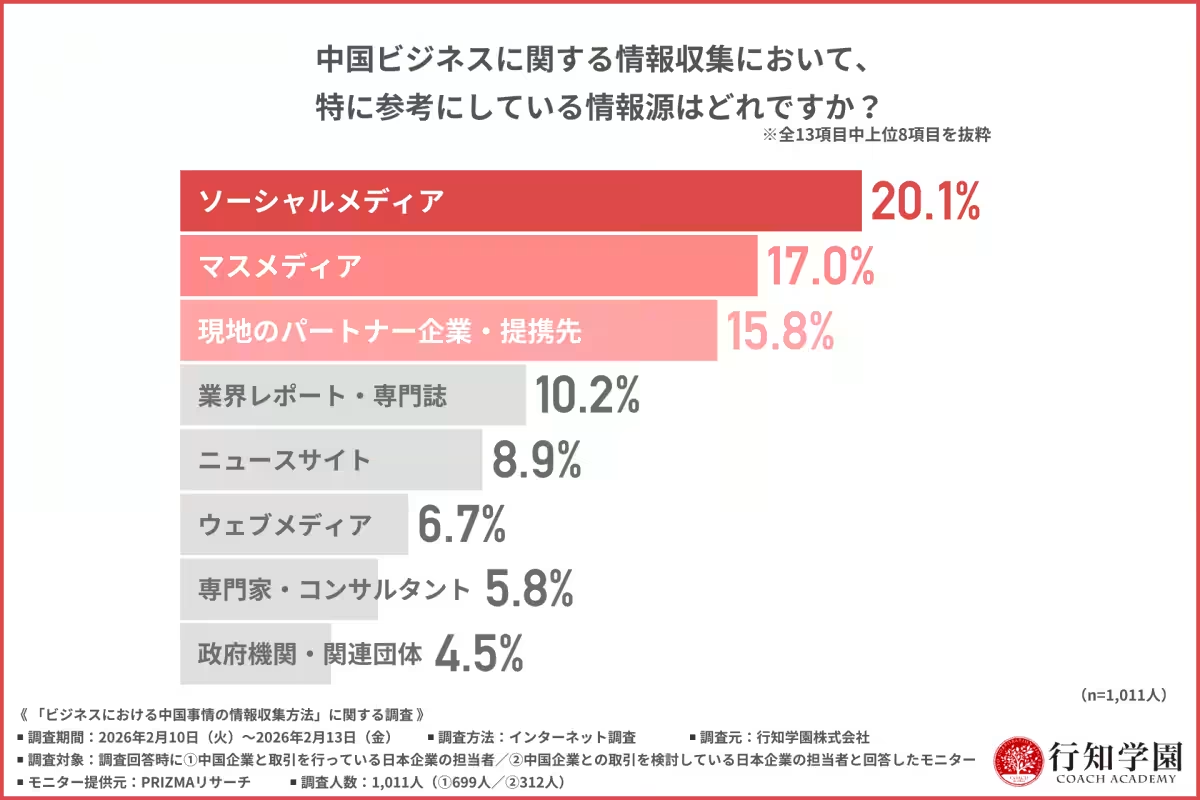
The sources used to gather information about doing business in China varied, with the most referred source being social media, cited by 20.1% of respondents, followed by traditional mass media at 17%. Although social media provides a powerful tool for insight, it also poses risks due to potential inaccuracies and biases inherent in content shared. As a result, over 80% of participants reported feeling challenged by the quality of information available, illustrating a disconnect between the abundance of information and its applicability for business decisions.
This overwhelming reliance on social media also prompts the question of validation; respondents have expressed concerns regarding discrepancies between information sourced locally and that available from China, which complicates risk assessments and strategic planning.
Conclusion: Navigating Complexity with Accurate Insights
The recent findings underscore that while opportunities abound in the Chinese market, the lack of reliable, actionable information is a daunting barrier for Japanese businesses. The gap between perceived market potential and the realities on the ground necessitates a concerted effort to improve information gathering processes. Only through reliable and multifaceted information channels can businesses hope to navigate the intricacies of the Chinese market. As firms build their capabilities in information analysis and validation, they will be better positioned to harness the benefits of engaging with China while mitigating associated risks.
The insights gained from this survey and the ongoing challenges faced by representatives highlight the critical need for strategic adaptations in information management practices. Understanding these dynamics is essential for any Japanese company aiming to thrive in an increasingly complex and rapidly evolving global landscape.


Topics Business Technology)
【About Using Articles】
You can freely use the title and article content by linking to the page where the article is posted.
※ Images cannot be used.
【About Links】
Links are free to use.