



Achieving Seamless Palletization in International Logistics: Reducing Labor and Environmental Impact
Introduction
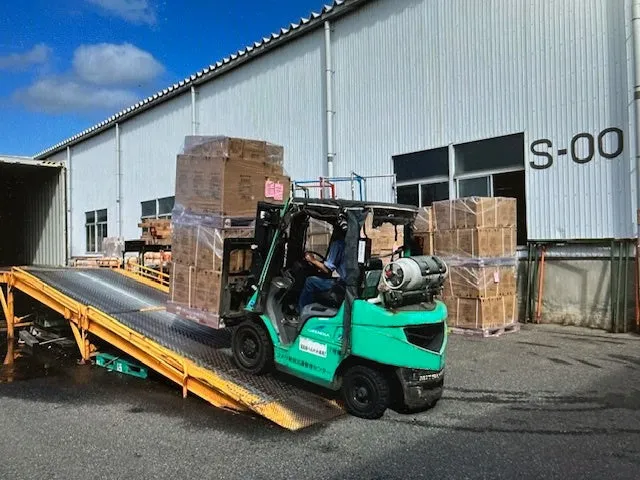
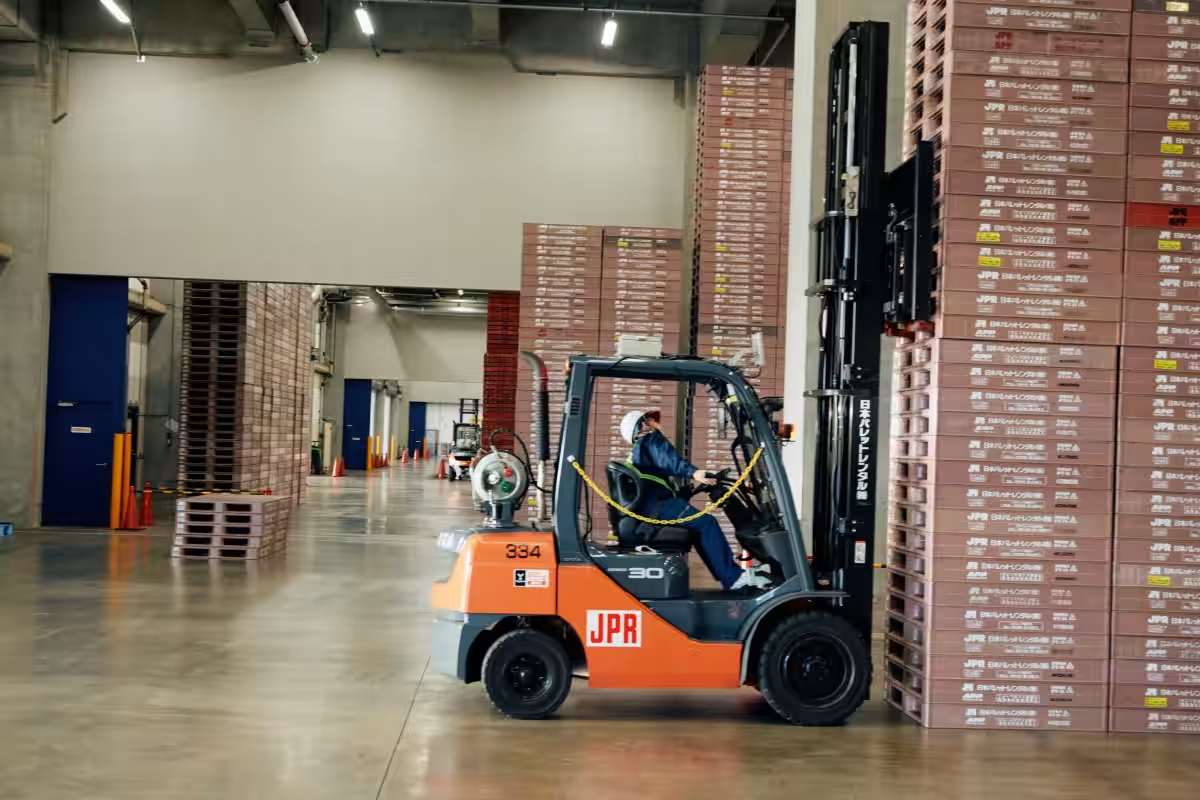
In response to critical labor shortages facing the logistics industry, Komeri Co., Ltd., based in Niigata City, Japan, and Nippon Express Holdings, Inc., through its subsidiary Nippon Tsuun Co., Ltd., have pioneered a new initiative in international logistics. This initiative focuses on seamless palletization using rental pallets provided by Japan Pallet Rental Co., Ltd. (JPR). As the logistics landscape evolves, this method not only aims to reduce manual handling time but also to curb environmental impacts associated with the disposal of wooden pallets.
The Rising Need for Efficiency
As the logistics sector grapples with an increasing shortage of manpower, the pressure intensifies to address the laborious physical tasks that arise at logistical junctions. The Japanese government has begun encouraging businesses to implement effective solutions to combat these challenges. Consequently, the introduction of consistent palletization during international transport is a significant step forward, promising to cut down container loading times by approximately 1,016 hours annually while also aiding in reducing the environmental burden linked with wooden pallet waste.
Implementation Overview
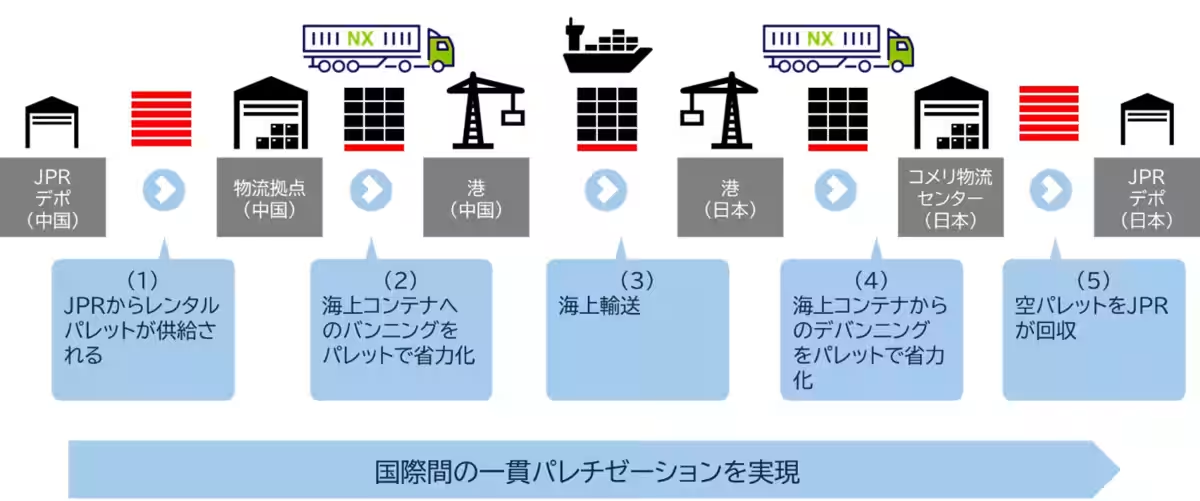
Starting October 2025, Komeri and Nippon Express will officially deploy rental pallets to facilitate seamless palletization across international borders. The process can be broken down into several steps:
1. Preparation of Pallets in Exporting Locations: The NX China facility will receive rental pallets from JPR and load products onto them before export.
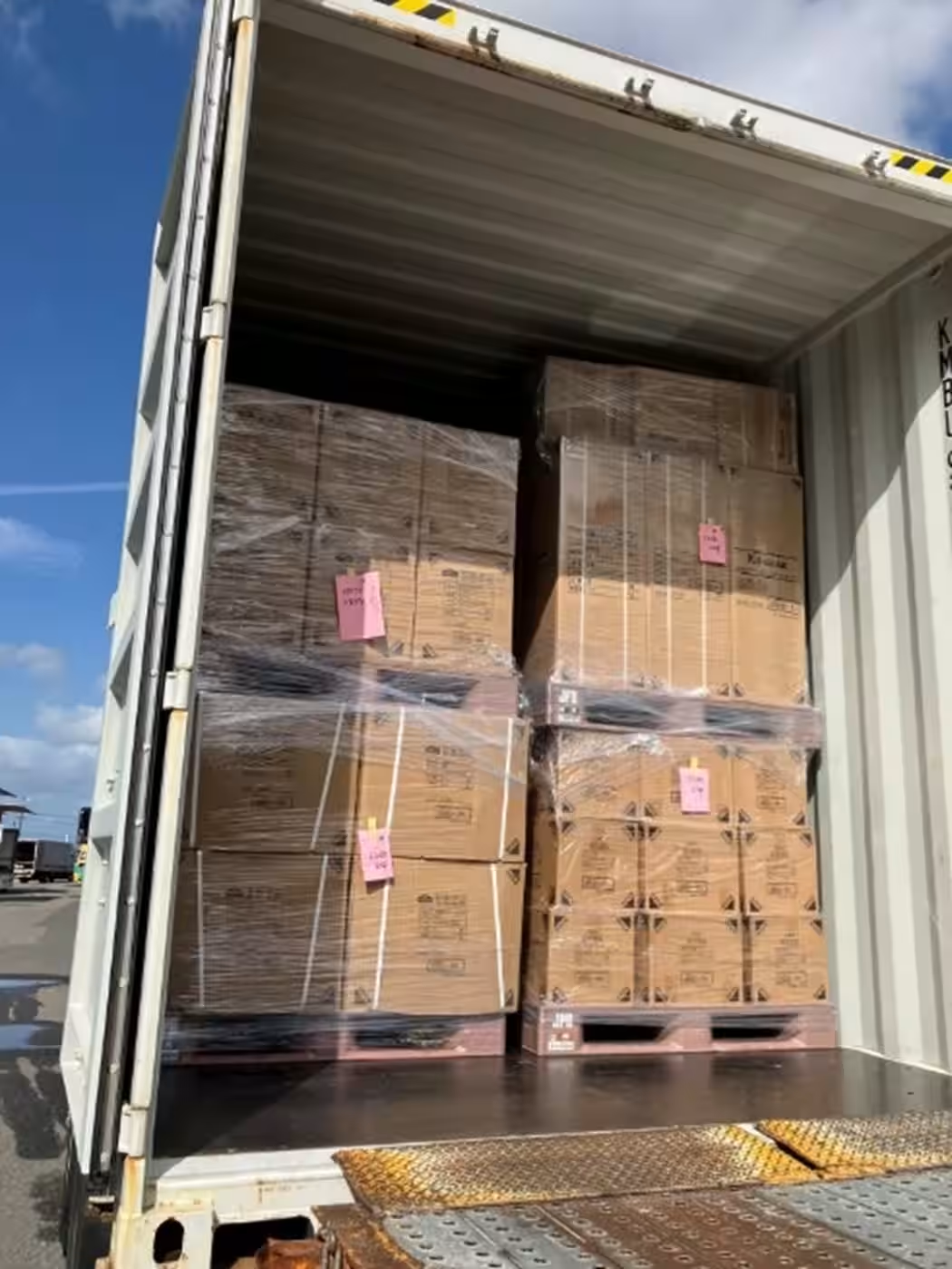
2. Container Loading: Use pallets for container loading, enhancing efficiency.
3. Ocean Transportation: The transportation of goods via sea will follow.
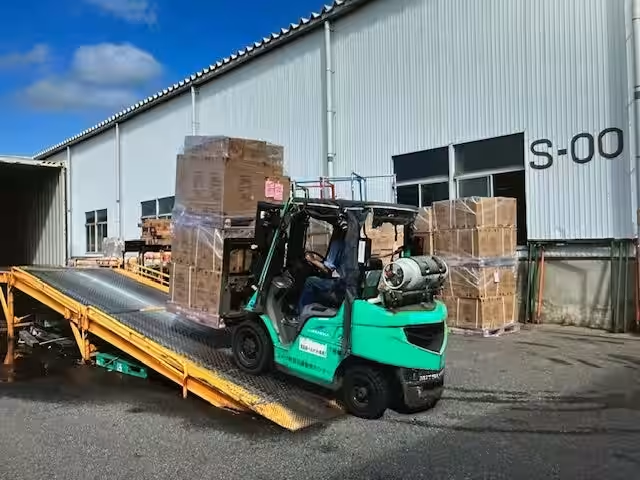
4. Domestic Transport by Nippon Express: After arrival at the import port, the containers will be transported to Komeri's logistics center using pallets, facilitating unloading without manual handling.
5. Return of Empty Pallets: Once the goods reach Komeri's logistics center, the empty pallets will be returned to JPR.
Understanding Seamless Palletization
Seamless palletization refers to a method where pallets are shared among enterprises, akin to passing a baton in a relay race, to mitigate the manual labor typically involved in logistics transitions. Achieving this requires standardized pallets and an effective sharing mechanism. JPR facilitates this by providing standardized rental pallets to companies, enabling seamless palletization effortlessly.
Historical Context
The journey towards implementing rental pallets began years ago, marked by the following key stages:
- - 1999: Initially, Komeri handled imports of its development products by ship without using pallets, which led to significant delays and physical strain due to long loading and unloading times.
- - 2024: A switch to wooden one-way pallets was made to address the emerging logistics challenges, but high costs for pallet purchases persisted.
- - 2025: A trial run with plastic rental pallets was conducted, leading to an official rollout in October, overcoming previous limitations linked to wooden pallets.
Impact of the Initiative
The adoption of this new operational model has already shown promising benefits, including:
- - Reduced Unloading Times: Compared to traditional container methods, this approach reduces unloading time by approximately two hours per container, adding up to over 1,016 hours saved each year.
- - Minimized Wooden Pallet Waste: The initiative is projected to eliminate over 20,000 wooden pallets annually, resulting in a reduction of around 170 tons of CO2 emissions.
Industry Perspectives
- - Takuo Sugimura, Executive Officer at Komeri: He emphasized that switching from one-way wooden pallets to JPR's reusable pallets has eradicated their disposal, significantly lowering environmental impacts. He expressed a commitment to expanding seamless palletization efforts and reducing CO2 emissions.
- - Masayuki Ikuta, Branch Manager at Nippon Express Niigata: He was pleased to assist clients in resolving logistical challenges and remained dedicated to providing sustainable logistics solutions locally and internationally.
- - Takefumi Arai, Executive Officer at JPR: He noted that pallet transport could drastically reduce handling times in international shipping. JPR remains committed to facilitating seamless transport and enhancing logistics efficiency while minimizing ecological footprints.
Conclusion
As logistics industries continue to face evolving challenges, innovative solutions such as rental pallets offer a critical approach to improving efficiency and sustainability. With companies like Komeri, Nippon Express, and JPR leading the charge, there is hope for broader adoption of such practices, contributing to a greener and more streamlined future for global logistics.


Topics Consumer Products & Retail)
【About Using Articles】
You can freely use the title and article content by linking to the page where the article is posted.
※ Images cannot be used.
【About Links】
Links are free to use.