



New Lifestyle Survey Reveals Eating Habits Shift for Women Amidst Stressful Changes
Introduction
The lifestyle changes that come with moving into a new phase can be both exciting and challenging. In a recent survey conducted by Nwith, a company based in Chuo City, Tokyo, approximately 75% of women aged 20-55 reported experiencing disruptions in their eating habits as they adapt to new circumstances in their lives. The survey targeted 460 women and highlighted how factors such as work changes, family dynamics, and environmental shifts can contribute to these challenges.
Survey Summary
The research brought several critical findings to light related to women’s nutritional habits during transitional life stages. Notably:
- - About 75% of women experienced disruptions in their eating habits: This statistic underscores the impact that new life arrangements have on women’s food choices and routines.
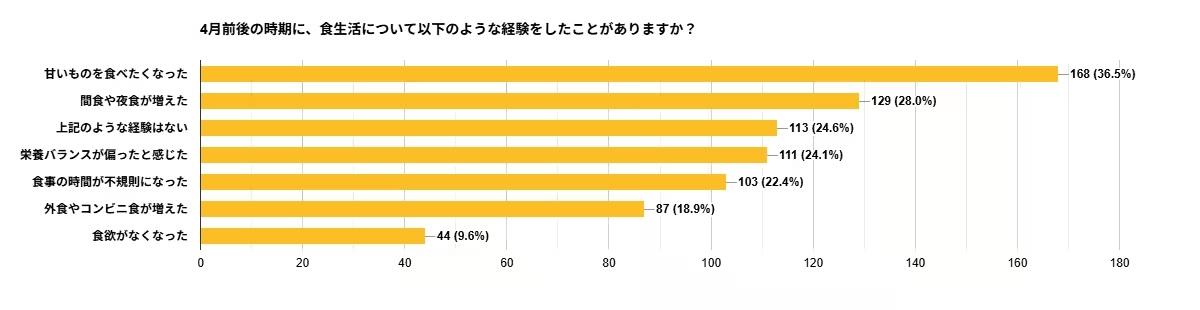
- - Approximately 65% increased their consumption of sweets or snacks when stressed: The correlation between stress and the craving for comfort foods was evident, indicating a significant shift in food preferences during demanding times.
- - 68% reported feelings of fatigue and decreased sleep quality: Chronic tiredness and poor sleep are strongly linked to the irregular eating patterns many women faced.
- - Around 50% felt they could not adequately address their disrupted eating habits: Alarmingly, nearly half of the respondents admitted to not taking steps to rectify their poor dietary choices.
- - About 57% cited a lack of confidence and direction as barriers to improvement: While many expressed a desire to change, they struggled with knowing how to begin or maintain those changes.
Detailed Findings
The onset of new lifestyle phases tends to influence women significantly, leading to a direct correlation between stress and dietary choices. The survey showed that 75% of women reported feeling some change in their dietary habits, with top responses including a craving for sweets (36.5%) and increased snacking (28.0%).
These results reflect an instinctive response to environmental stressors, leading to a greater inclination toward processed or sugary foods, which can exacerbate feelings of fatigue and affect sleeping patterns.
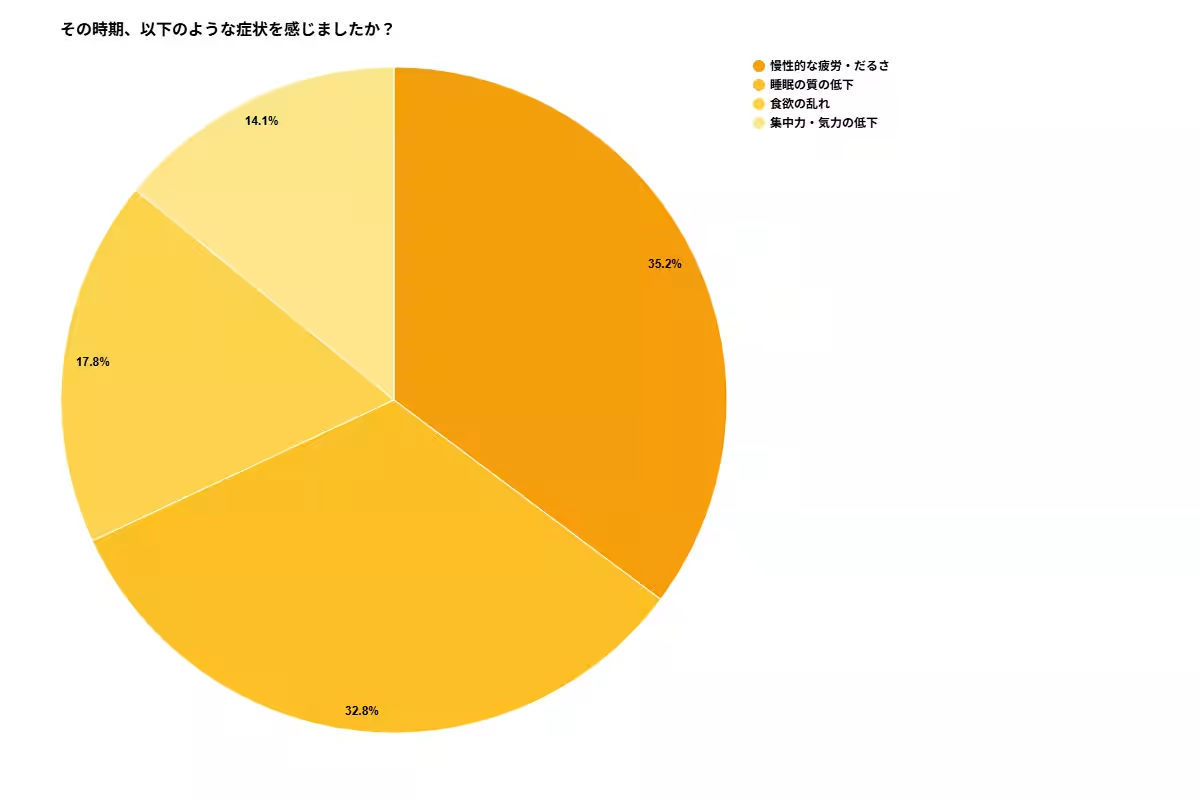
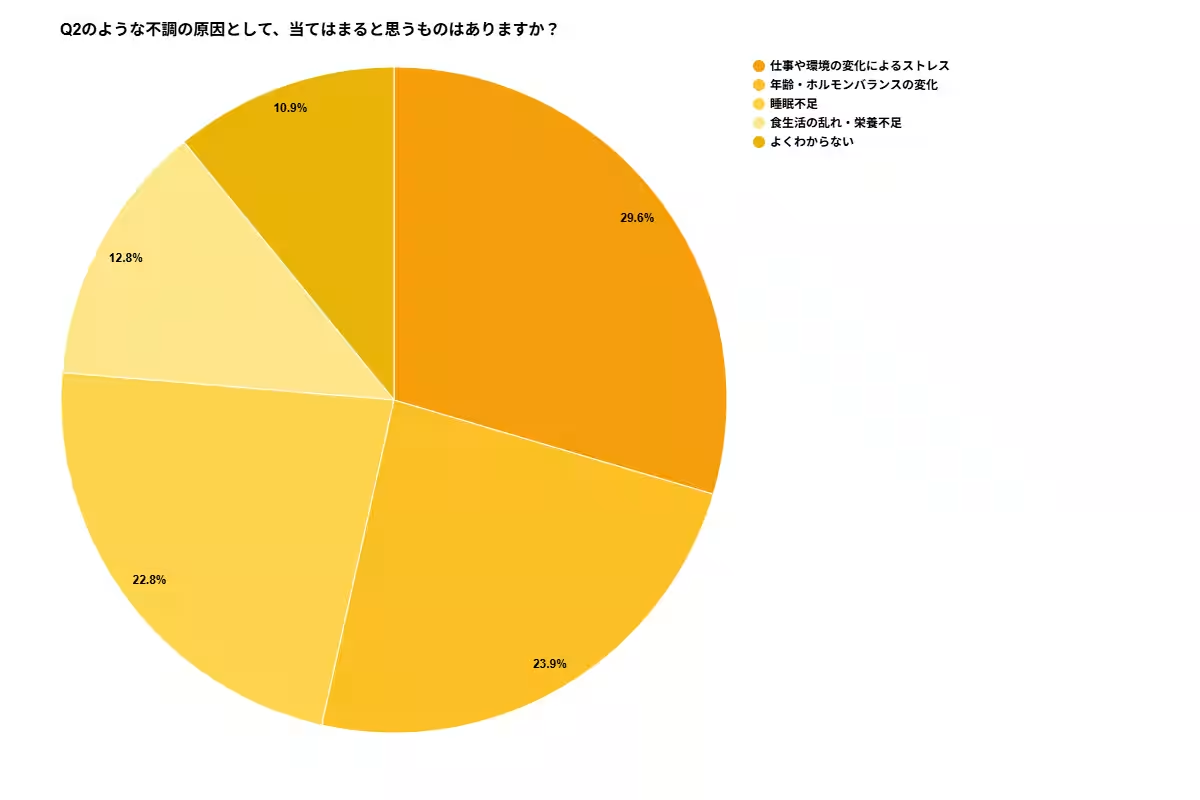
Additionally, women reported experiencing chronic fatigue (35.2%) and reduced sleep quality (32.8%), with 68% acknowledging some physical decline during this transition. Stress from work and environmental adjustments ranked as the top reasons for such changes. Furthermore, many women in their 40s faced compounded stress from lifestyle changes and hormonal fluctuations, potentially leading to both mental and physical fatigue.
Struggling to Implement Change
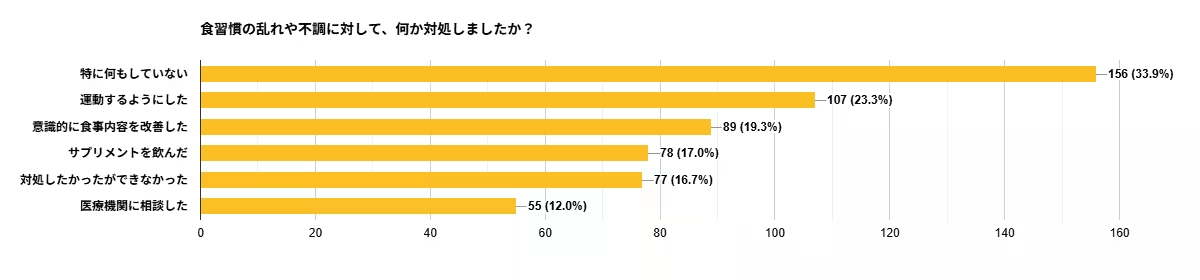
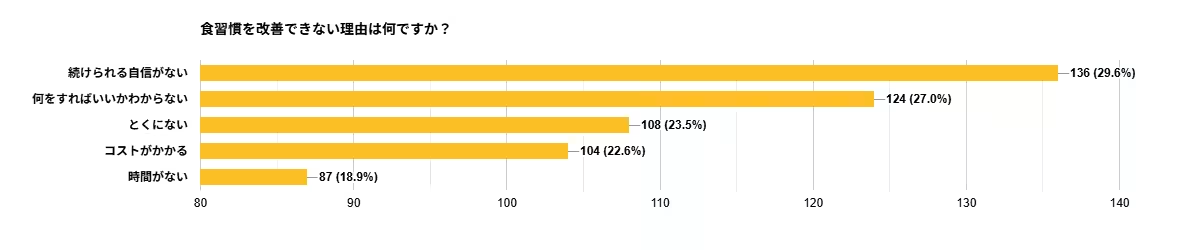
Despite stressing the importance of a balanced diet, nearly half of the participants did not take proactive steps toward improving their eating habits. Of those, 33.9% did not engage in any efforts to change, while 16.7% wished to but felt they couldn’t. Only 19% successfully implemented nutritional changes. Reasons for this lack of action included doubts about maintaining new habits and uncertainty about where to start, indicating a clear gap in support systems for these women.
Professional Insight
Saori Ogawa, a registered dietitian, noted that the month of April often brings about additional stress from environmental changes, which can lead to unhealthy cravings or increased snacking.
She emphasizes that improvements don't need to be drastic; even small adjustments, like incorporating fruit into the morning routine or adding lemon juice to water, can help women regain their nutritional balance. Finding a sustainable approach that fits individual lifestyles is key to establishing healthier habits without the stress of overwhelming change.
Conclusion
The survey findings illuminate a concerning pattern: busy women often prioritize family and work above their dietary needs, leaving little room for self-care regarding nutrition. Nwith, through its CHONPS initiative, aims to provide support tailored to each woman’s unique challenges, encouraging manageable dietary changes in the face of life’s upheavals. Together, we can work to build a solid nutritional foundation that withstands all changes in life.
For further resources or dietary advice, visit CHONPS to learn more about our online dietary services tailored to fit individual needs.
Survey Overview
- - Target Group: Women aged 20-55
- - Method: Internet research
- - Date Conducted: March 2026
- - Conducted By: Nwith Co., Ltd.
Contact Information
For inquiries regarding interviews and coverage, please reach out to:
Nwith PR Department
Email: [email protected]
Phone: 03-6899-5499


Topics Health)
【About Using Articles】
You can freely use the title and article content by linking to the page where the article is posted.
※ Images cannot be used.
【About Links】
Links are free to use.