



The Shift in Junior High School Entrance Exams: From Special to Practical Choice for Families
The Shift in Junior High School Entrance Exams: From Special to Practical Choice for Families
In recent years, the perception of junior high school entrance exams has undergone a significant shift in Tokyo and its surrounding areas. Historically viewed as a specialized choice for certain families, the trend has emerged into a plausible educational route for a growing number of households. A recent survey conducted in collaboration between Plus-T Co., Ltd. and "Chugaku Juken Note Dazoo" gathered insights from 3,000 parents aged 30 to 59 residing in Tokyo regarding their experiences and considerations surrounding junior high school entrance exams.
Survey Overview
Conducted from February 14 to 21, 2026, the online survey aimed to discern the current status of junior high school entrance exams, including the timing of exams, preferred learning methods, and the financial burdens families face. The findings paint a comprehensive picture of the reality of junior high school entrance exams in Tokyo.
Current Situation of Junior High School Entrance Exams
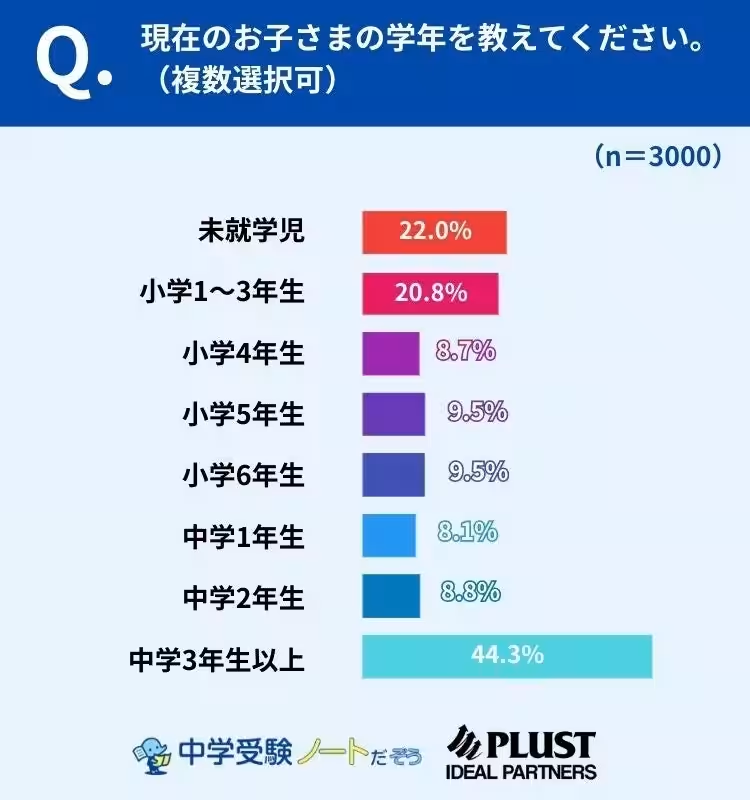
When respondents were asked about their children's current grade levels, the results revealed that 44.3% had children in the third year of junior high school or higher, while about 27.7% had children in the fourth to sixth grade of elementary school – an essential preparatory stage for those considering the entrance exams. Additionally, 22.0% had pre-school children, and 20.8% had children in the first to third grades of elementary school, indicating that nearly 40% of families may be contemplating future entrance exams.
This distribution suggests a robust interest in junior high school entrance exams, despite the ongoing nationwide trend of declining birth rates. While the number of school-aged children is decreasing in many parts of the country, the popularity of private junior high and integrated high schools in the Tokyo metropolitan area remains steady or even increasing. The data implies a persistent educational investment from families, showcasing the ongoing significance of entrance exams in a changing demographic landscape.
General Acceptance of Entrance Exams
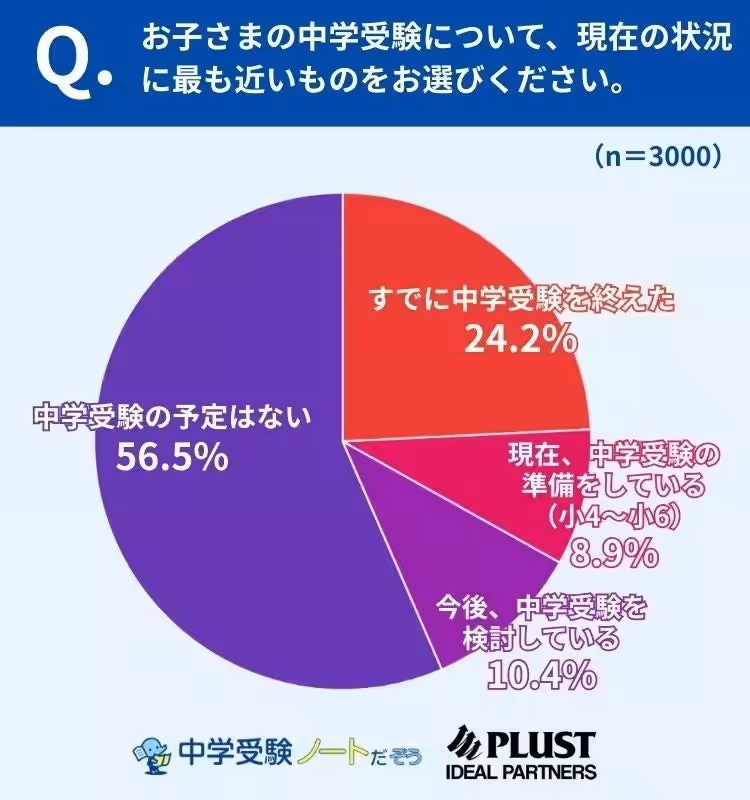
When inquired about the current engagement with junior high school entrance exams, 24.2% confirmed they had already completed the exams, while 8.9% were actively preparing for them, and 10.4% were considering them for the future. Despite over half of the respondents (56.5%) indicating they had no plans for entrance exams, it is evident that the examinations are evolving from a niche pathway to a mainstream educational option for many families in the metropolitan area.
The growing interest aligns with the realization that private and integrated schools offer distinct educational philosophies and curriculums, prompting families to prioritize which schools their children attend as essential for their future.
A Long-Term Educational Strategy
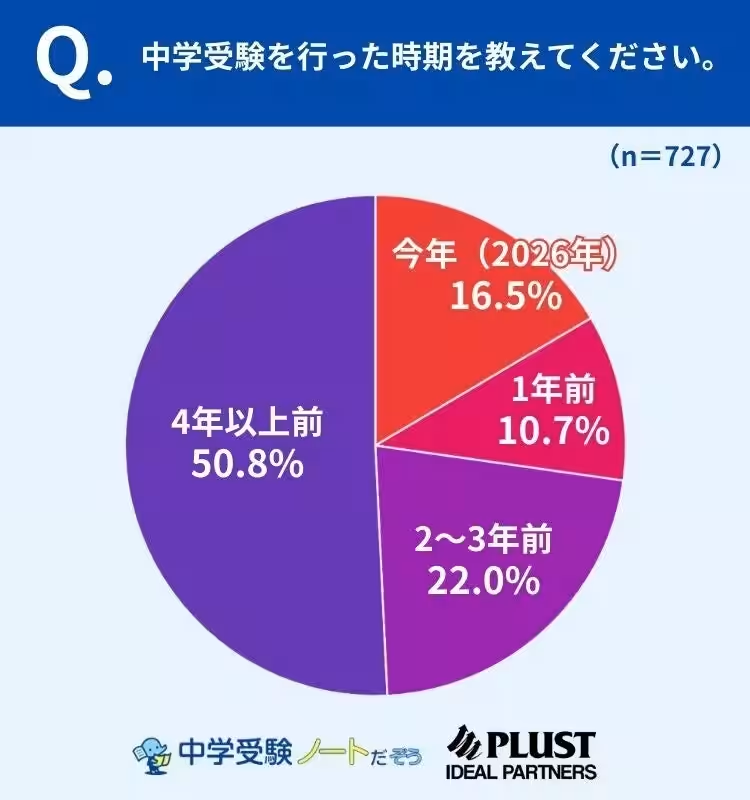
For families that already went through the entrance exams, 50.8% reported that their children took the exams over four years ago. Only 16.5% took them in the current year, evidencing that this route has been a long-standing choice, rather than a fleeting trend. This underlines the idea that junior high school entrance exams are seen not just as a means of academic advancement but also as a long-term educational strategy correlated with future school placements.
Learning Methods and Financial Investments
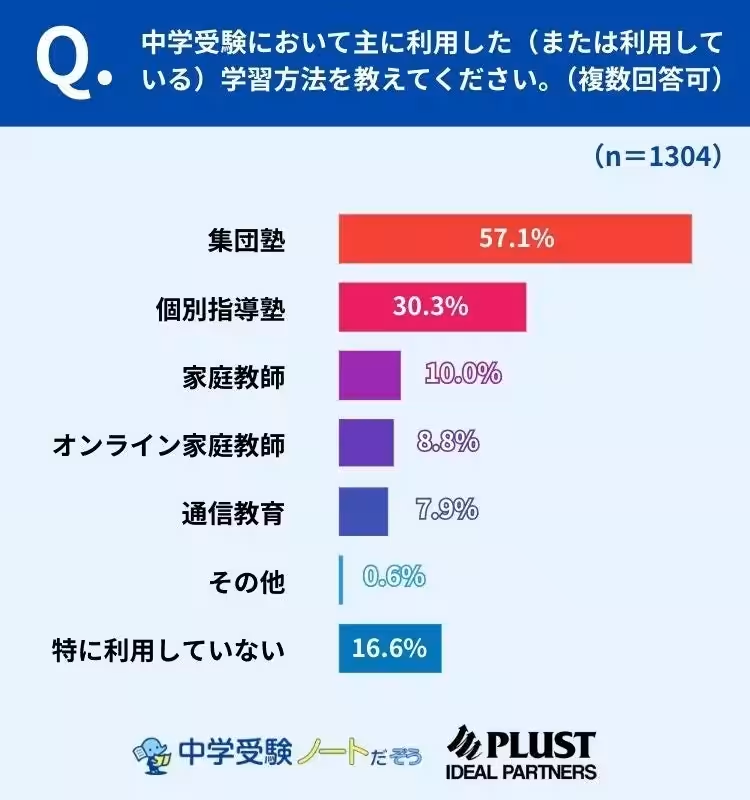
The survey also revealed insights into the methods families used to prepare for the exams, with 57.1% reporting that they opted for group tutoring, while 30.3% used private tutoring, and 8.8% engaged online tutors. Fourteen percent of families in the survey did not utilize any formal preparatory methods, highlighting an ongoing diversification in learning styles.
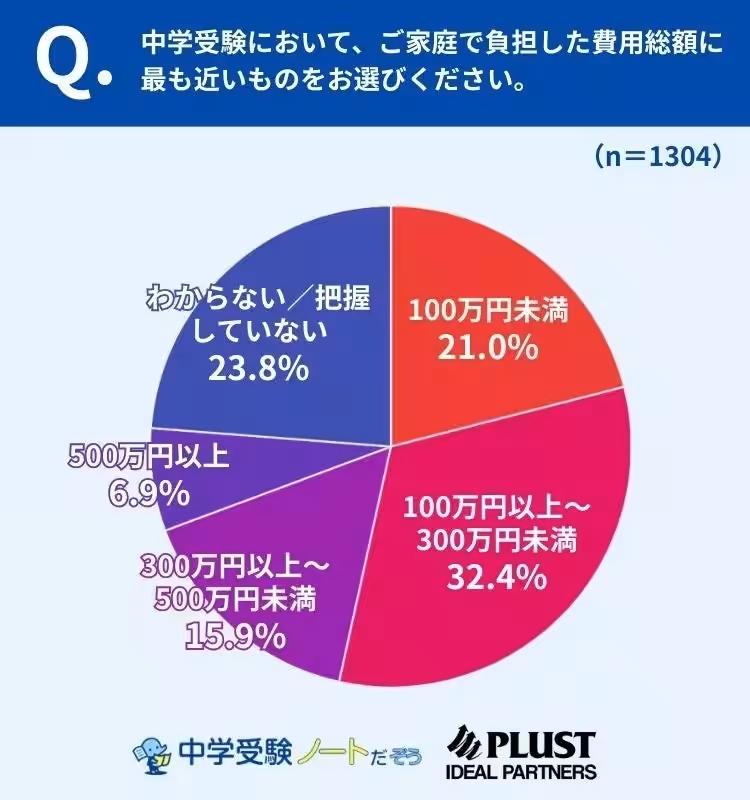
The financial aspects of entering junior high school were notable, with 32.4% of families reporting expenditures between 1 million to 3 million yen. Furthermore, more than 20% spent over 3 million yen on their children’s education, illustrating that the financial commitment to junior high school entrance exams cannot be underestimated.
This significant investment reflects not only the costs associated with educational materials and tutor sessions, but also the broader trend of parents allocating substantial educational resources per child in a competitive market driven by high stakes associated with school placements.
Conclusion
The findings from this comprehensive survey indicate that almost 40% of families in Tokyo are either actively engaged or considering junior high school entrance exams as a viable pathway for their children. The escalating costs of preparation highlight the increasing emphasis on educational investment in an era marked by declining birth rates, leading to a more concentrated educational resource allocation per child. Junior high school entrance exams have transitioned into an integral component of family-oriented educational strategy rather than merely an academic hurdle, marking a noteworthy change in public perception and approach to education.
Topics Other)
【About Using Articles】
You can freely use the title and article content by linking to the page where the article is posted.
※ Images cannot be used.
【About Links】
Links are free to use.