



New Strategies in Construction Industry Training: Enhancing Young Talent's Decision-Making Experience
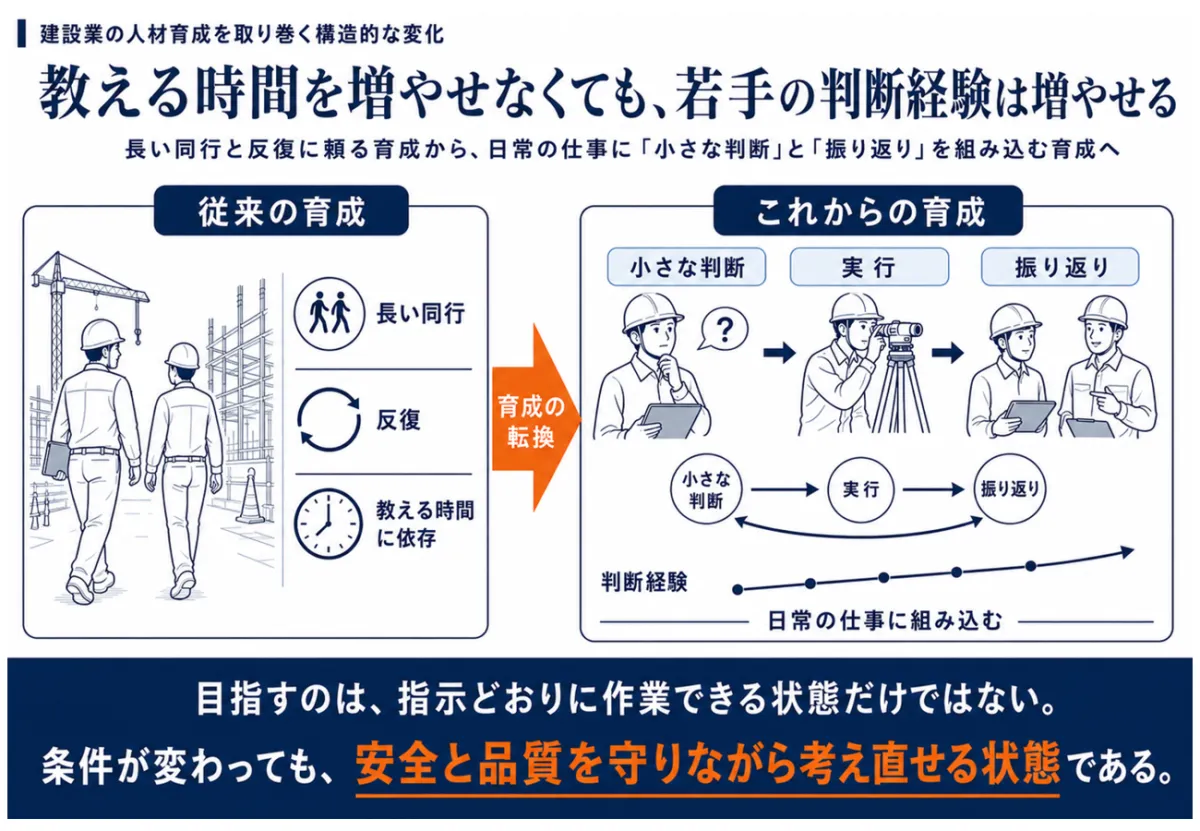
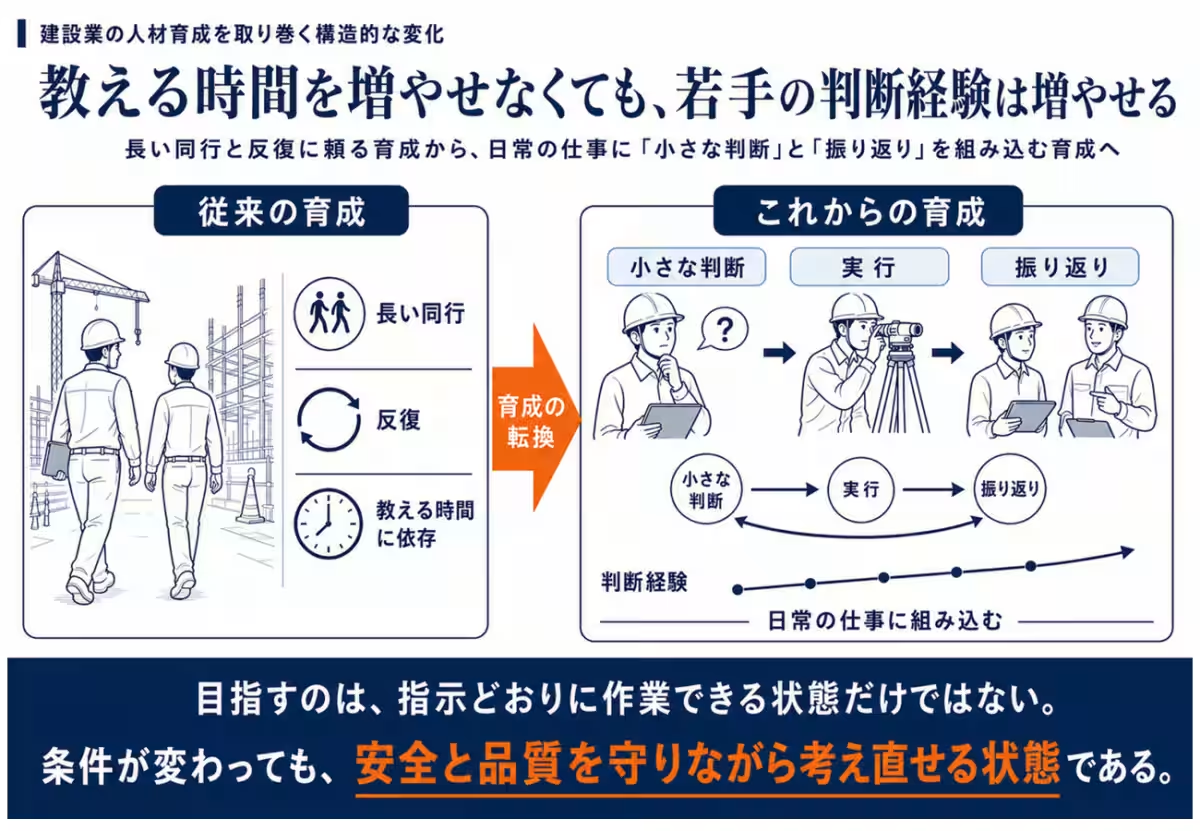
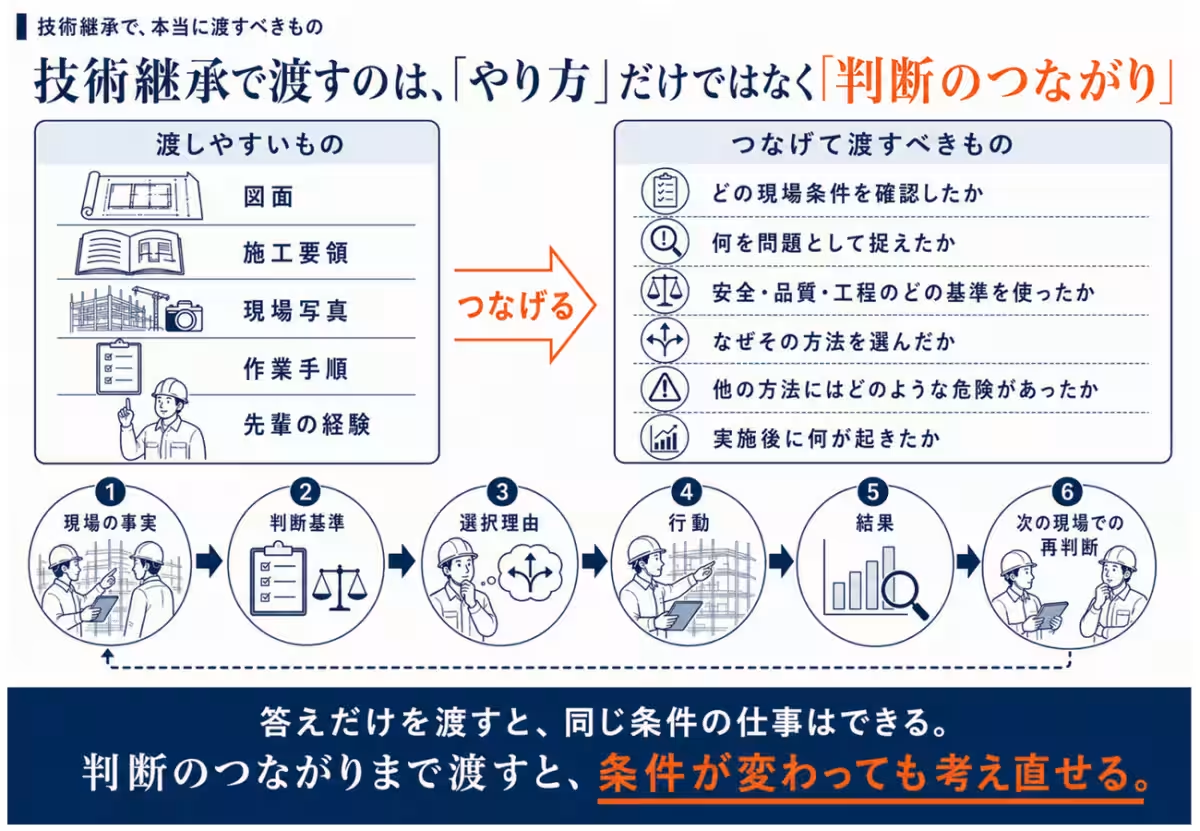
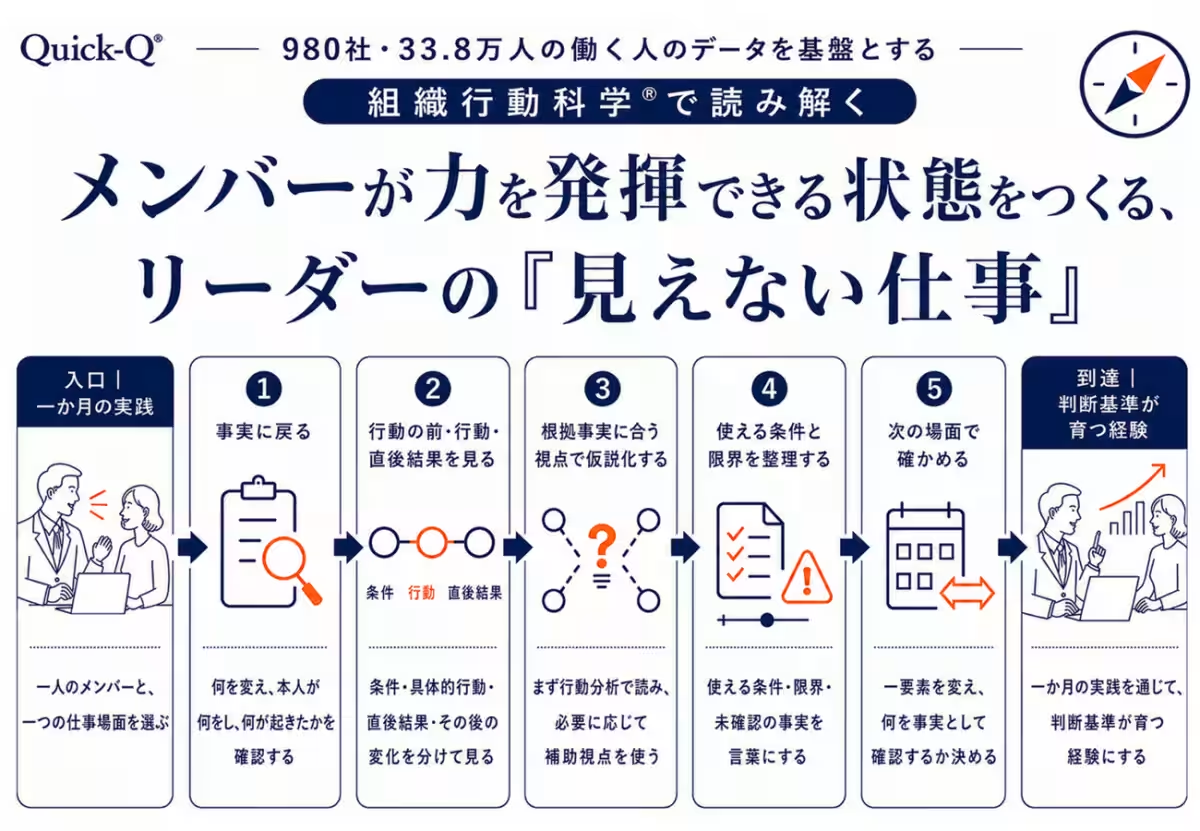
In a recent enhancement aimed at the construction industry, Request Inc., based in Shinjuku, Tokyo, introduces a visual guide focusing on incorporating the decision-making experiences of younger employees into their daily operations. This initiative emerges from data gathered from 980 companies and 338,000 workers, emphasizing the importance of developing skills and technological transfer within the industry. The material titled "Increasing Decision-Making Experience for Young Workers, Even Without Extra Teaching Time" features seven visuals, including a summary and six practical themes translated to construction settings.
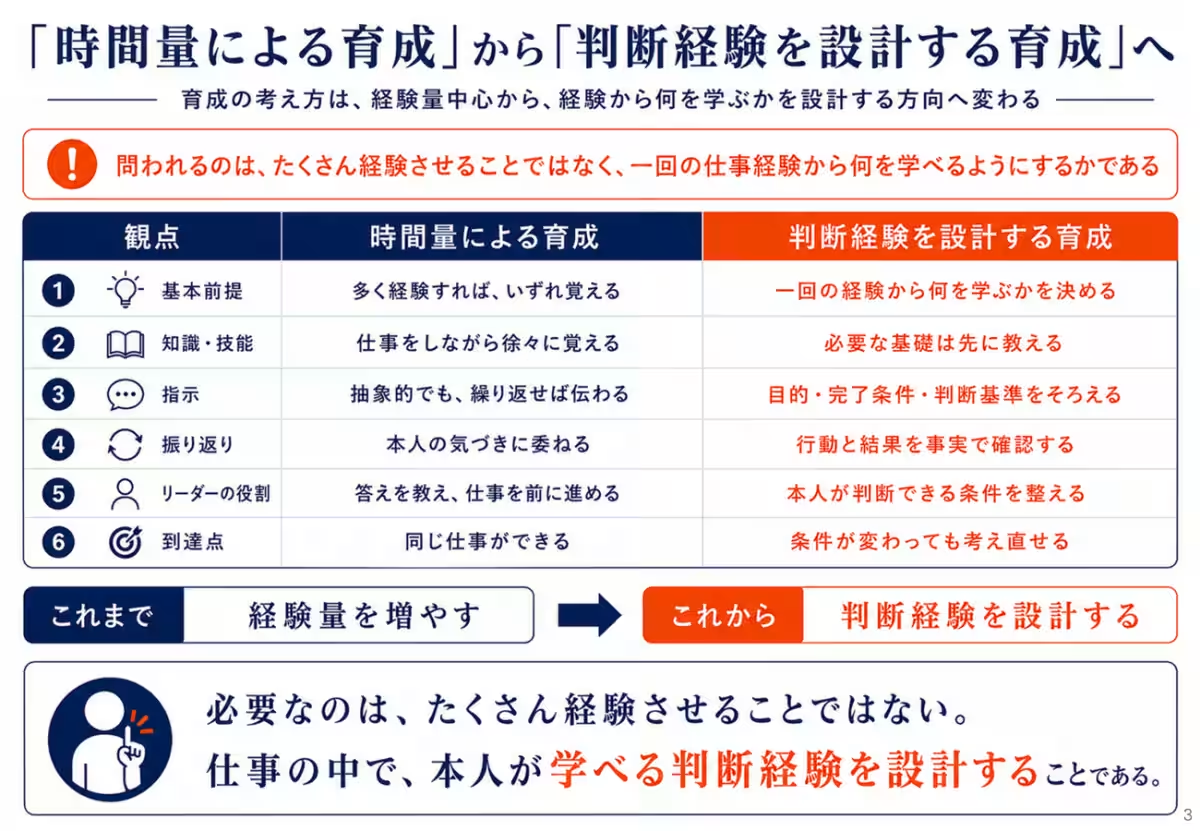
On July 30, Request Inc. released a previous report that sought to shift the perspective on workforce training from merely increasing teaching time to designing decision-making experiences. This report garnered quick interest from construction media, resulting in an article that connected the prior findings to pressing challenges in the construction sector, such as skills transfer, supporting young workers, and alleviating the burdens on site leaders. The article titled "Developing Young Talent in Construction: Increasing Decision-Making Experience Without Extra Teaching Time" resonated well, highlighting the need for actionable guidelines rather than theoretical discussions alone.
The Ministry of Land, Infrastructure, Transport and Tourism's upcoming policies signal an inevitable transition towards an era where, despite efforts to increase manpower, the shortage of skilled workers will persist. Simultaneously, the focus remains steadfast on maintaining the quality of construction output and strengthening ‘on-site capabilities’. In line with the ambitions of i-Construction 2.0, which aims for a 30% reduction in manpower by 2040, the emphasis lies on optimizing the learning processes available within the limited operational hours.
To address these changes, Request Inc. crafted this document as a common language to bridge policy directions with the daily practices of individual companies. The visuals presented facilitate a structured discussion on essential topics such as:
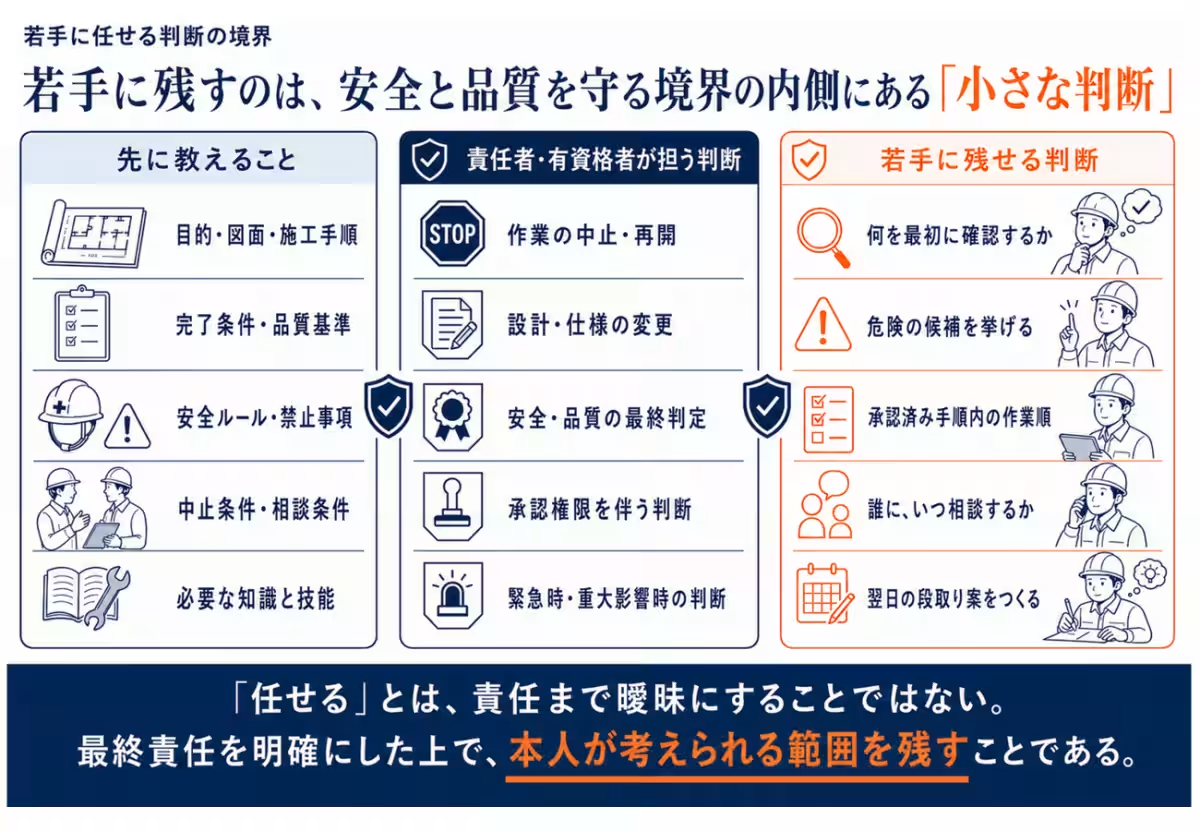
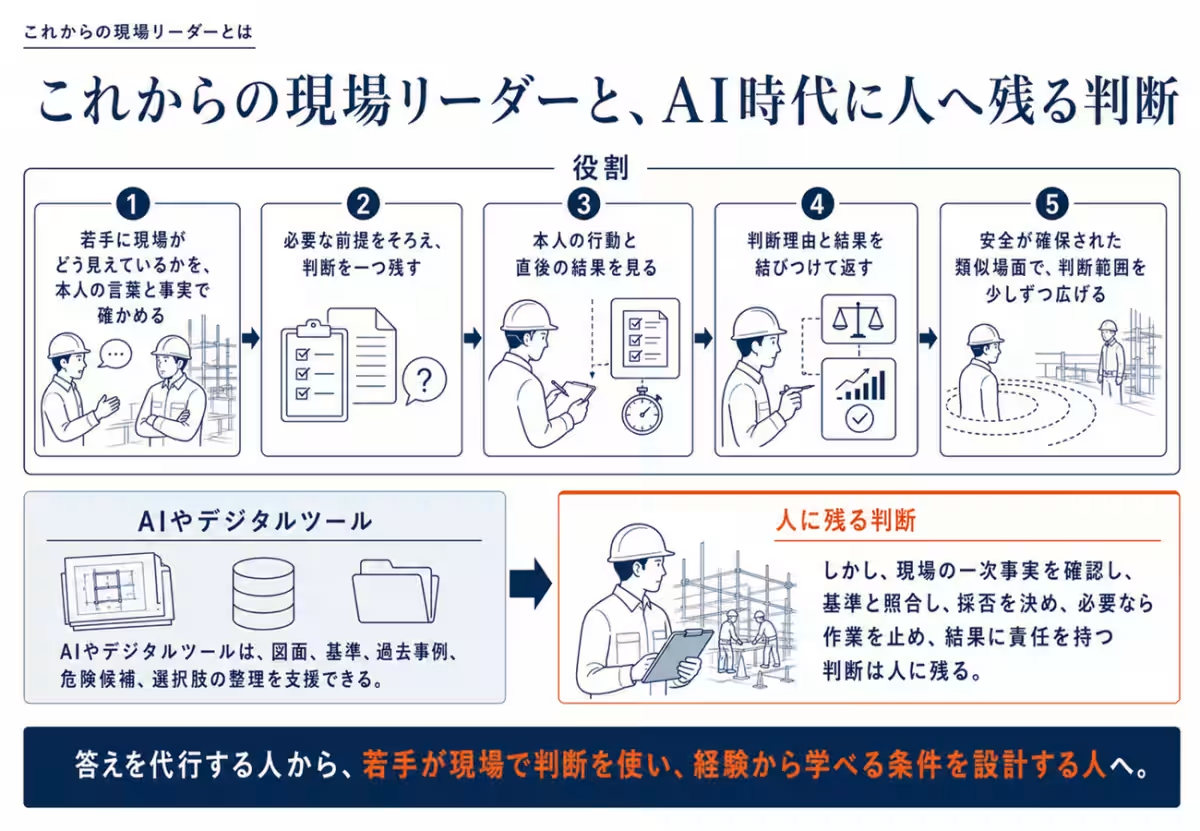
The essence of these materials is not to minimize essential training, such as the teaching of blueprints and safety standards. Instead, they serve to clarify which decisions and responsibilities should remain with experienced personnel, while still allowing younger workers to engage in smaller, reflective decision-making tasks. This framework encourages learning from immediate feedback based on real outcomes rather than vague impressions.
The materials propose numerous immediate applications for construction managers, site agents, and HR professionals, focusing on pathways for:
The subsequent evolution of this material speaks volumes about the intersection of human agency, where individuals remain accountable for their choices even as automation becomes integrated into construction workflows. On July 14, 2026, the Cabinet approved the “AI Basic Plan (Phase II)”, reaffirming the need for human decision-making amid automation in construction practices. Request Inc. envisions this document as a basis for fostering dialogues between seasoned professionals and the younger workforce, ensuring the transmission of decision-making experiences essential for a safe and efficient work environment.
The launch of these visuals represents a progressive step towards building a stronger workforce in the construction industry. By focusing on decision-making experiences and promoting a clear understanding of responsibilities, Request Inc. aims to transform current training practices into effective everyday learning mechanisms for young professionals, ultimately enhancing their skills in alignment with future industry needs.


Background of the Release
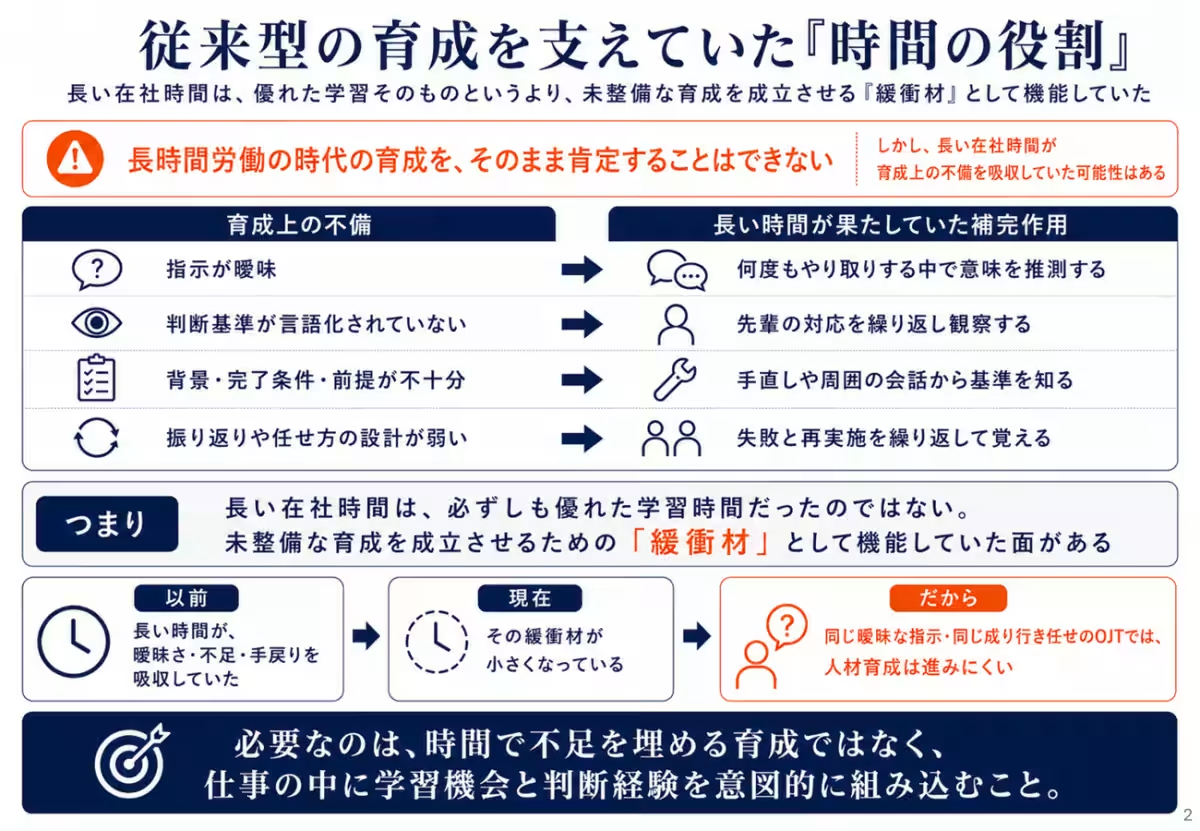
On July 30, Request Inc. released a previous report that sought to shift the perspective on workforce training from merely increasing teaching time to designing decision-making experiences. This report garnered quick interest from construction media, resulting in an article that connected the prior findings to pressing challenges in the construction sector, such as skills transfer, supporting young workers, and alleviating the burdens on site leaders. The article titled "Developing Young Talent in Construction: Increasing Decision-Making Experience Without Extra Teaching Time" resonated well, highlighting the need for actionable guidelines rather than theoretical discussions alone.
Current Challenges in Construction
The Ministry of Land, Infrastructure, Transport and Tourism's upcoming policies signal an inevitable transition towards an era where, despite efforts to increase manpower, the shortage of skilled workers will persist. Simultaneously, the focus remains steadfast on maintaining the quality of construction output and strengthening ‘on-site capabilities’. In line with the ambitions of i-Construction 2.0, which aims for a 30% reduction in manpower by 2040, the emphasis lies on optimizing the learning processes available within the limited operational hours.
The Importance of Shared Language
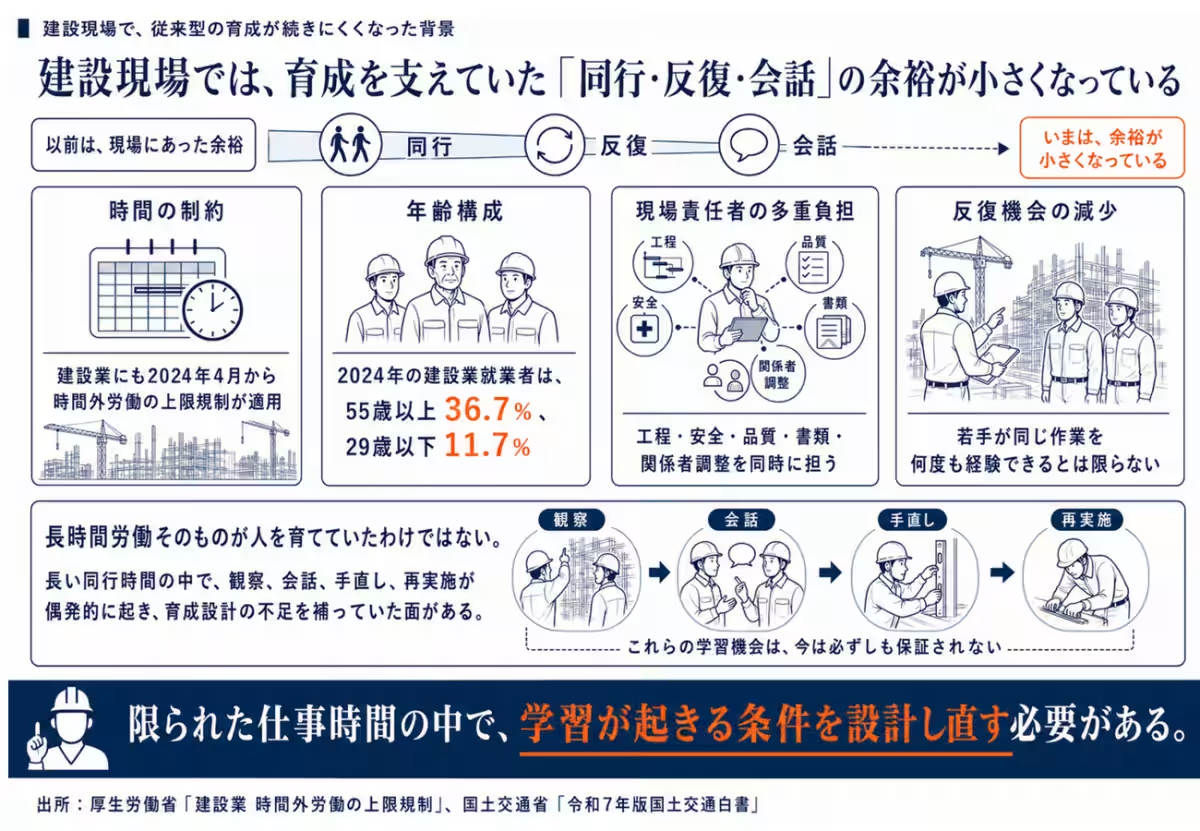
To address these changes, Request Inc. crafted this document as a common language to bridge policy directions with the daily practices of individual companies. The visuals presented facilitate a structured discussion on essential topics such as:
- - The increasing difficulty of traditional training methods
- - The 'links' in decision-making that need to be passed on during skills transfer
- - Defining the boundaries of decisions that can be entrusted to younger employees
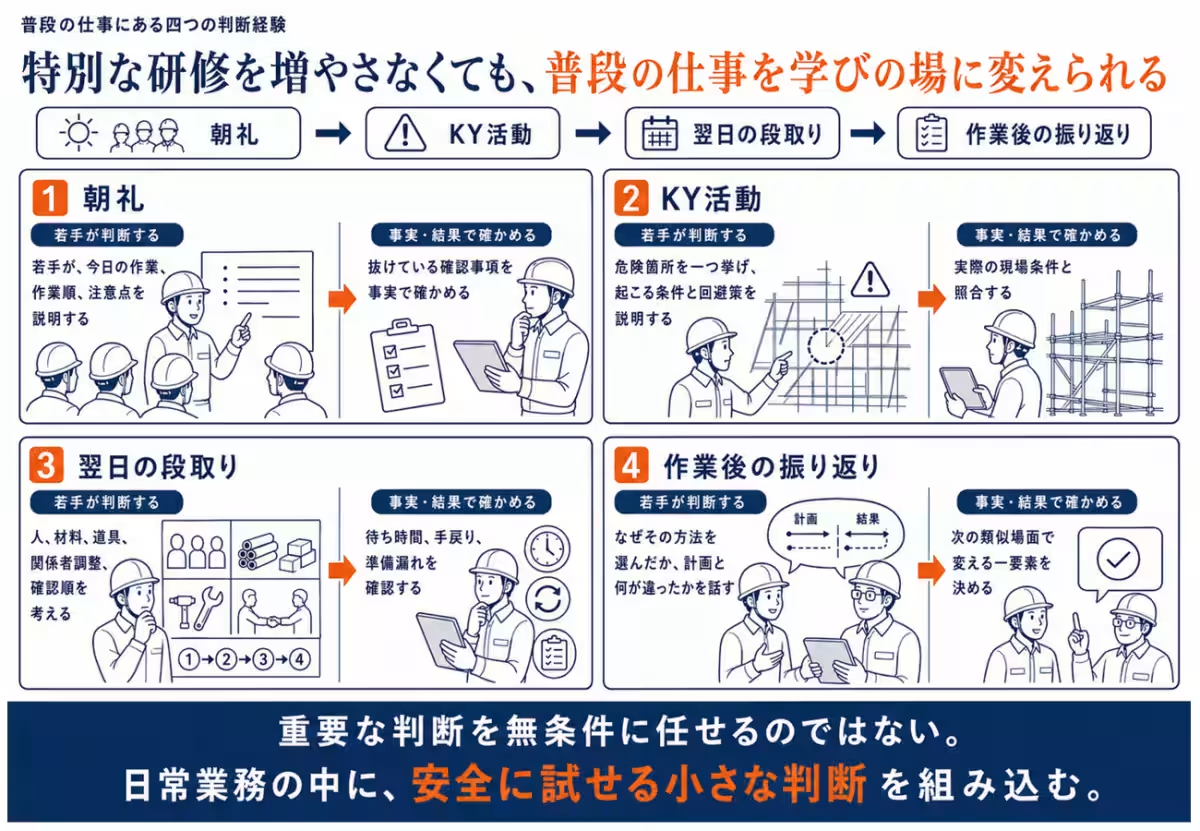
- - Identifying the four types of decision-making experiences inherent in daily tasks
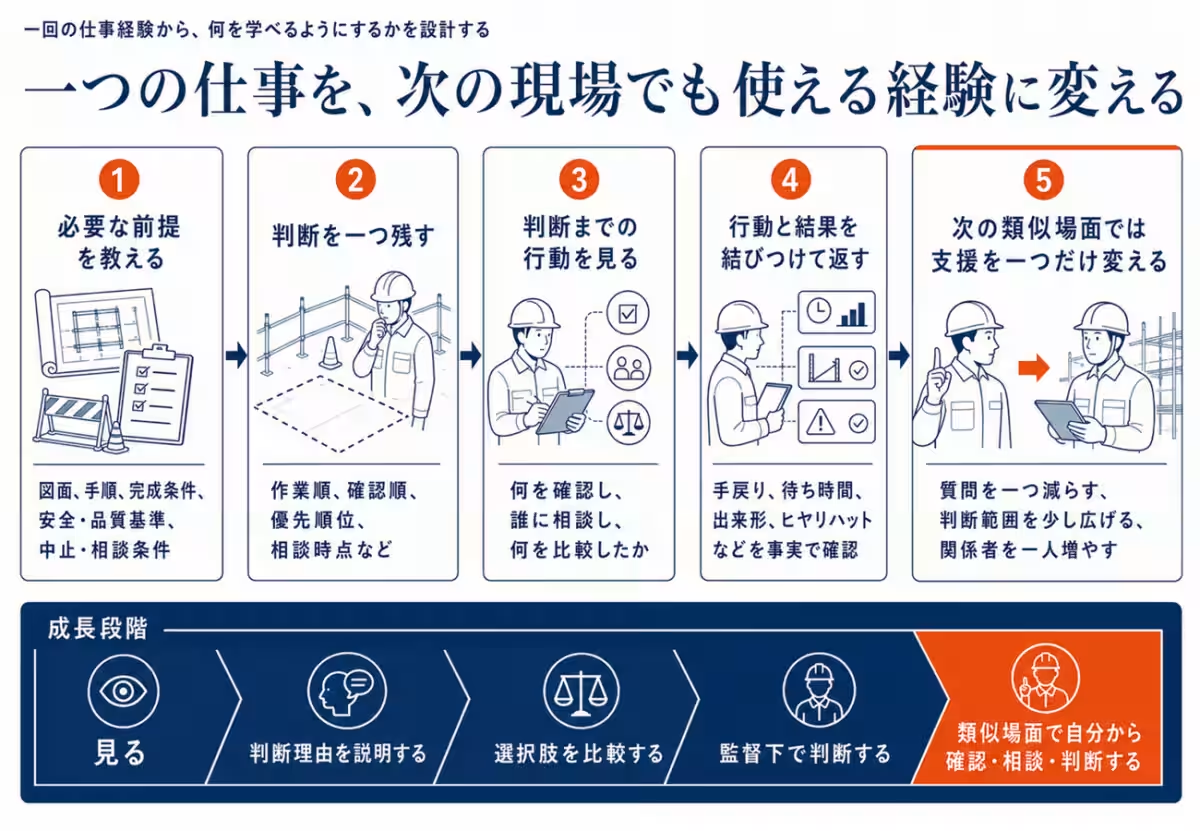
- - Practical steps to transform individual tasks into experiences applicable in future projects
- - The evolving role of site leaders in the age of AI.
Constructive Approach towards Learning
The essence of these materials is not to minimize essential training, such as the teaching of blueprints and safety standards. Instead, they serve to clarify which decisions and responsibilities should remain with experienced personnel, while still allowing younger workers to engage in smaller, reflective decision-making tasks. This framework encourages learning from immediate feedback based on real outcomes rather than vague impressions.
Practical Implementation Opportunities
The materials propose numerous immediate applications for construction managers, site agents, and HR professionals, focusing on pathways for:
- - Choosing specific decisions to retain within on-the-job training (OJT)
- - Sharing implications of decision-making criteria within skill transfer meetings
- - Modifying daily activities such as morning meetings and briefing sessions while minimizing added time
- - Determining the boundary between decisions that should be made by qualified personnel and those that can be entrusted to younger staff
- - Clarifying roles during AI and construction management tools adoption regarding who holds responsibility for direct actions.
The subsequent evolution of this material speaks volumes about the intersection of human agency, where individuals remain accountable for their choices even as automation becomes integrated into construction workflows. On July 14, 2026, the Cabinet approved the “AI Basic Plan (Phase II)”, reaffirming the need for human decision-making amid automation in construction practices. Request Inc. envisions this document as a basis for fostering dialogues between seasoned professionals and the younger workforce, ensuring the transmission of decision-making experiences essential for a safe and efficient work environment.
Conclusion
The launch of these visuals represents a progressive step towards building a stronger workforce in the construction industry. By focusing on decision-making experiences and promoting a clear understanding of responsibilities, Request Inc. aims to transform current training practices into effective everyday learning mechanisms for young professionals, ultimately enhancing their skills in alignment with future industry needs.
Topics Business Technology)
【About Using Articles】
You can freely use the title and article content by linking to the page where the article is posted.
※ Images cannot be used.
【About Links】
Links are free to use.