



Insights from Recent Research on B2B Large Purchases in Japan
Insights from Recent Research on B2B Large Purchases in Japan
Overview
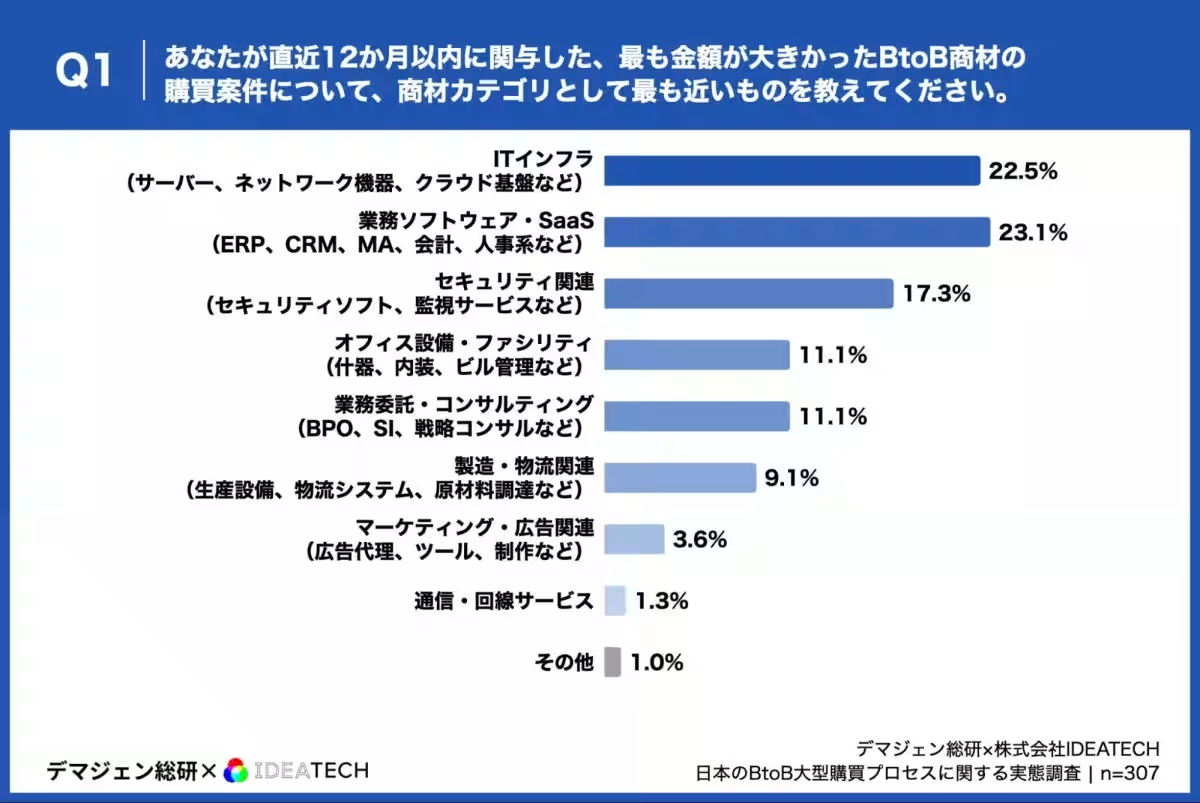
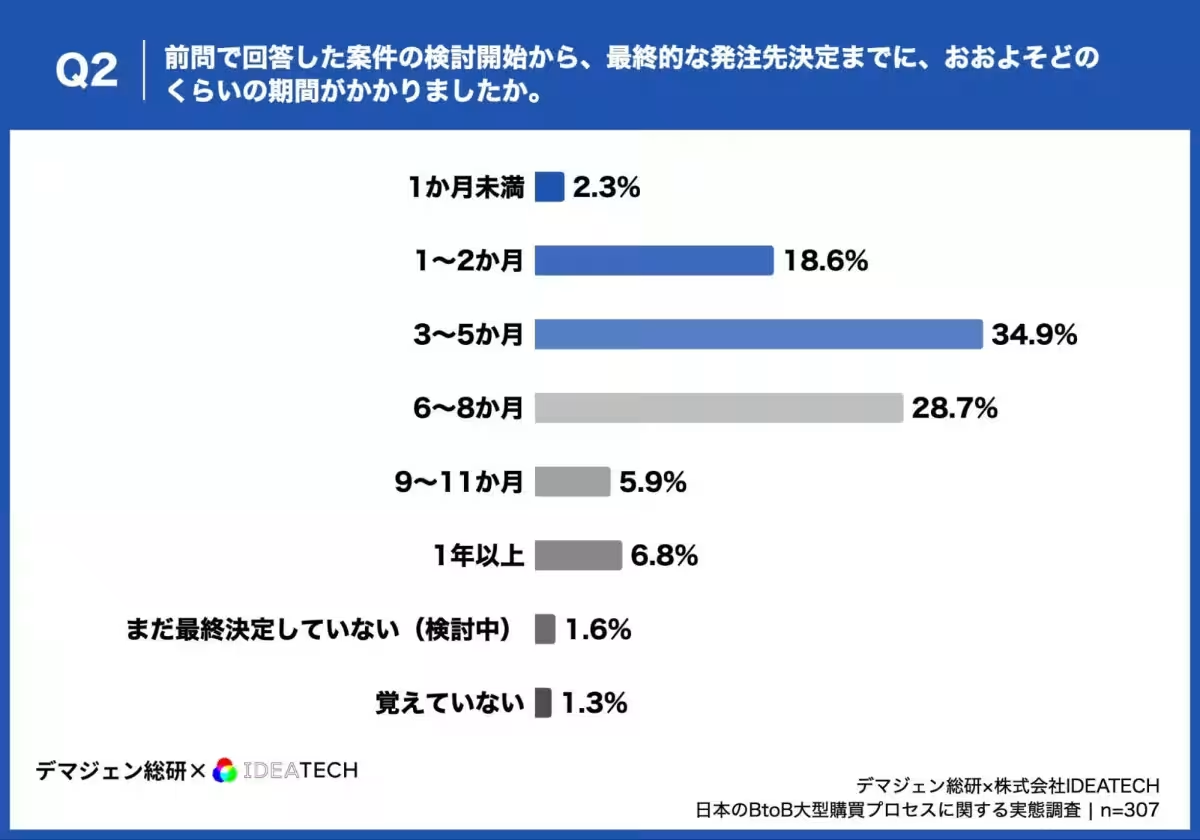
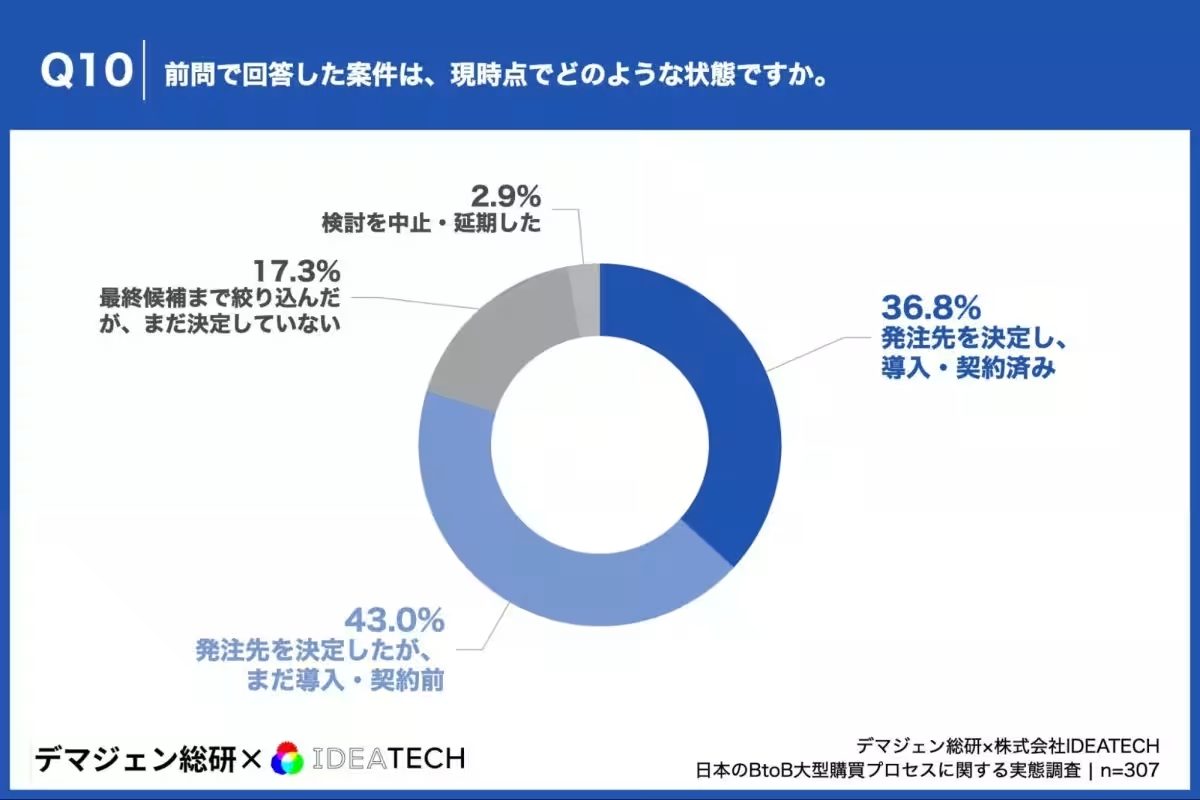
A recent survey conducted by IDEATECH in collaboration with Hiroyasu Kitagawa, former Microsoft executive and current leader at Demagen Research Institute, explores the dynamics of the B2B purchasing process in Japan. The research focused on companies that had engaged in large purchases over the last 12 months, with a transaction value exceeding 3 million yen. A total of 307 employees and business managers from B2B organizations were surveyed to understand their purchasing behavior, decision-making processes, and the factors influencing their vendor selection.
Key Findings
1. Preparation Prior to Sales Contact
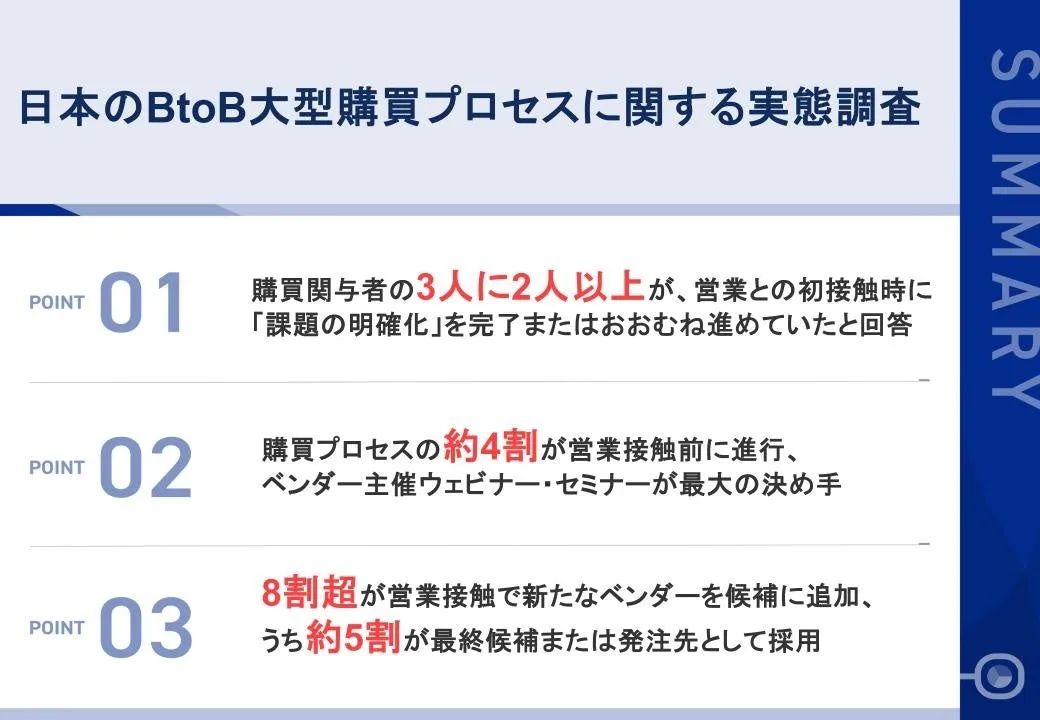
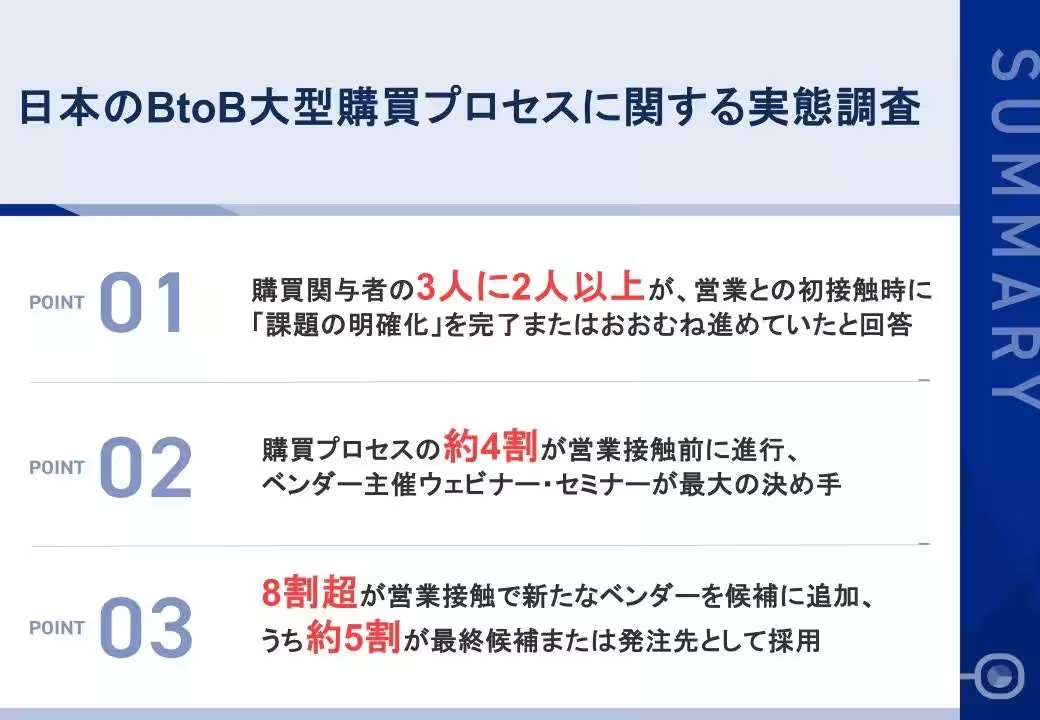
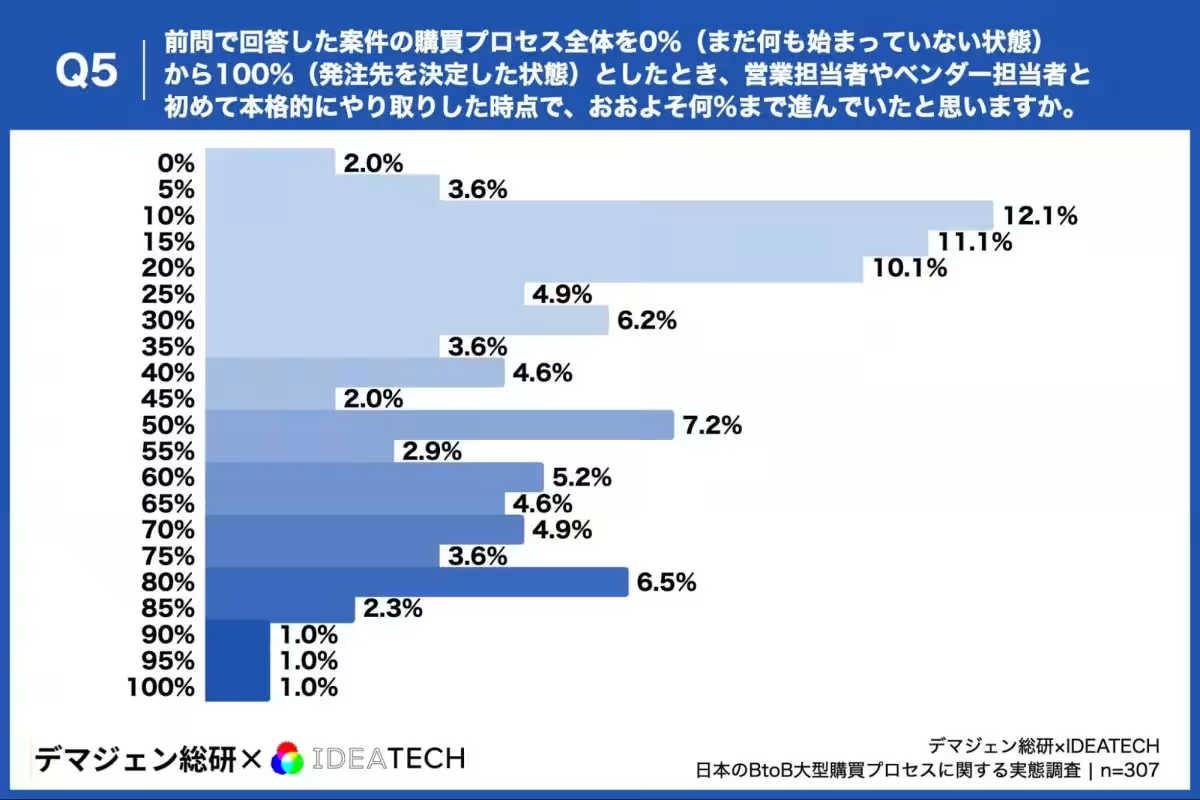
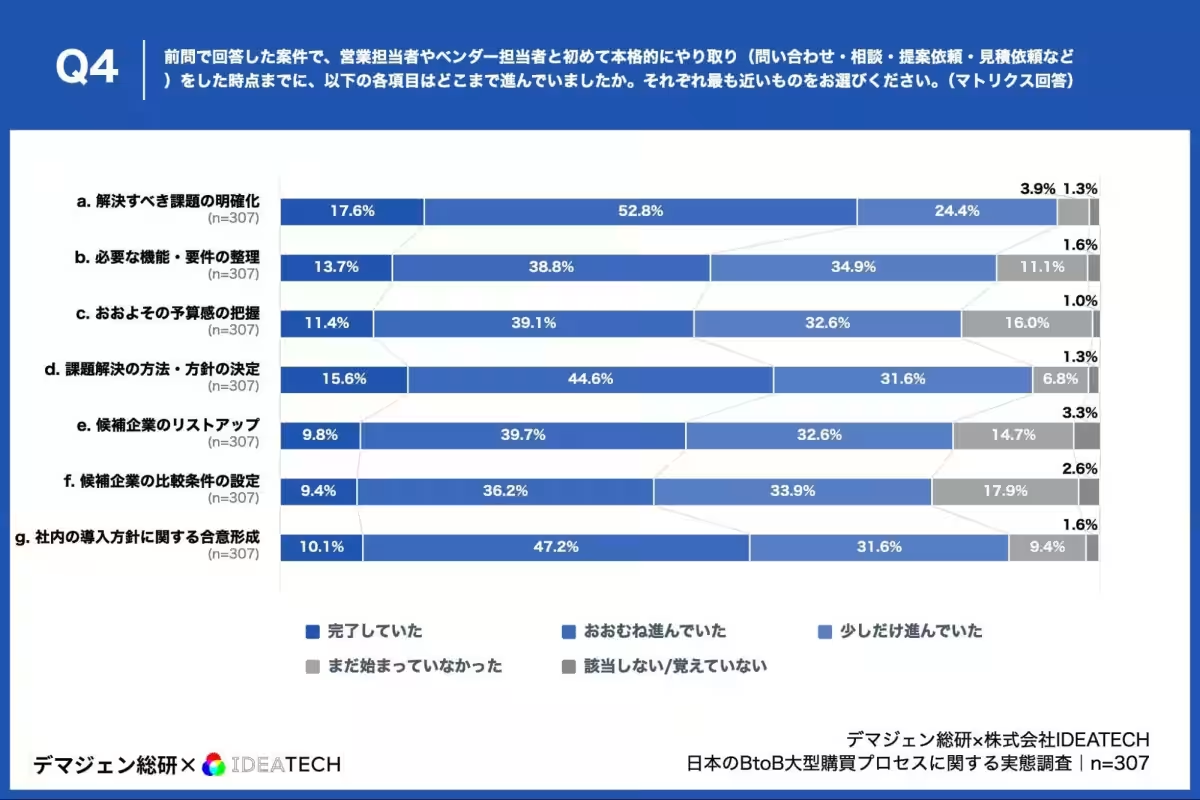
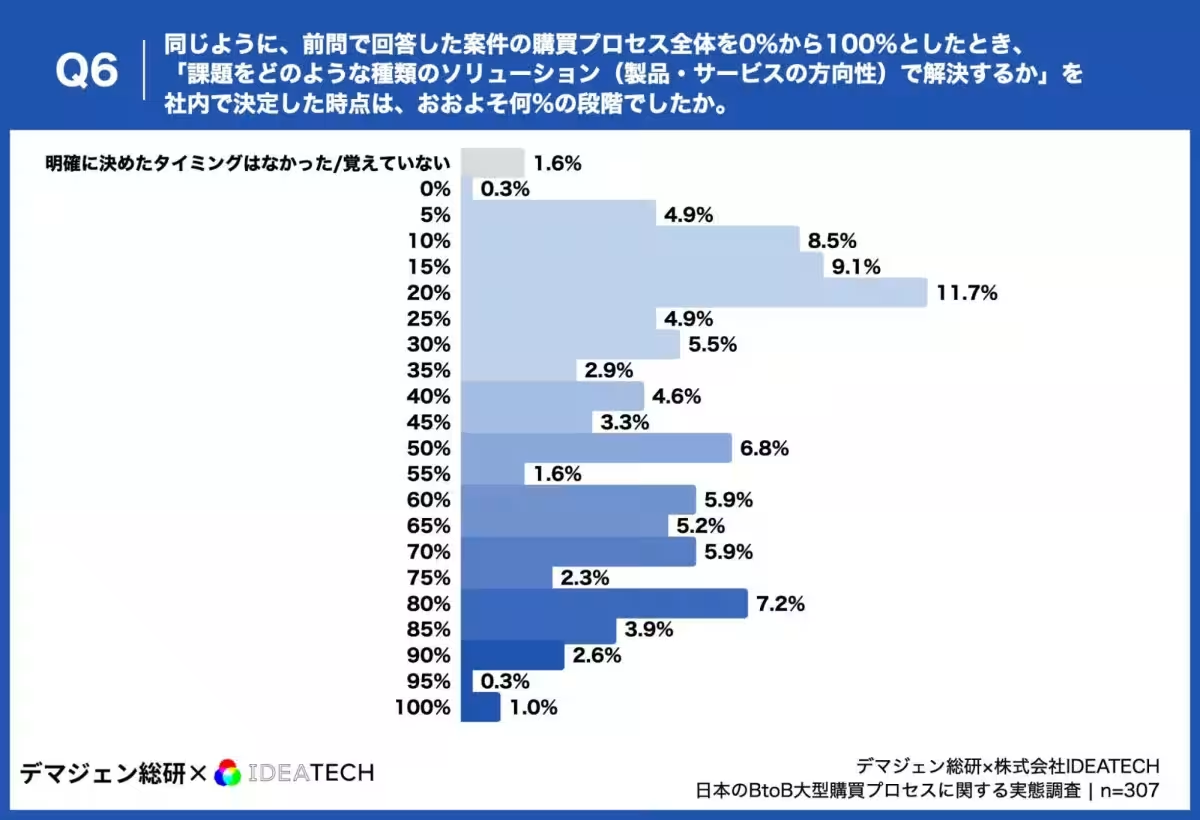
More than two-thirds of the participants indicated that they had already clarified their issues before their first interaction with sales representatives. Notably, approximately 40% of the buying process was completed prior to any sales contact, showcasing an advanced stage of preparedness among purchasers.
2. Influential Factors in Vendor Selection
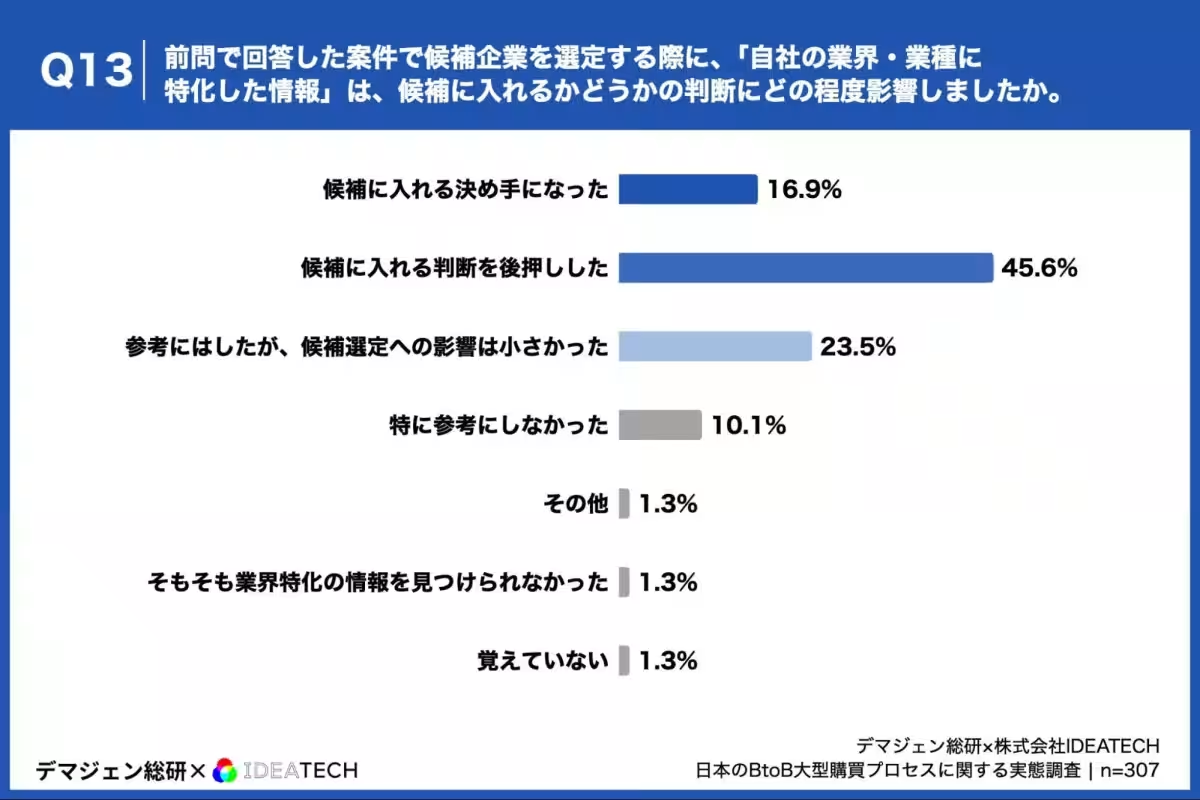
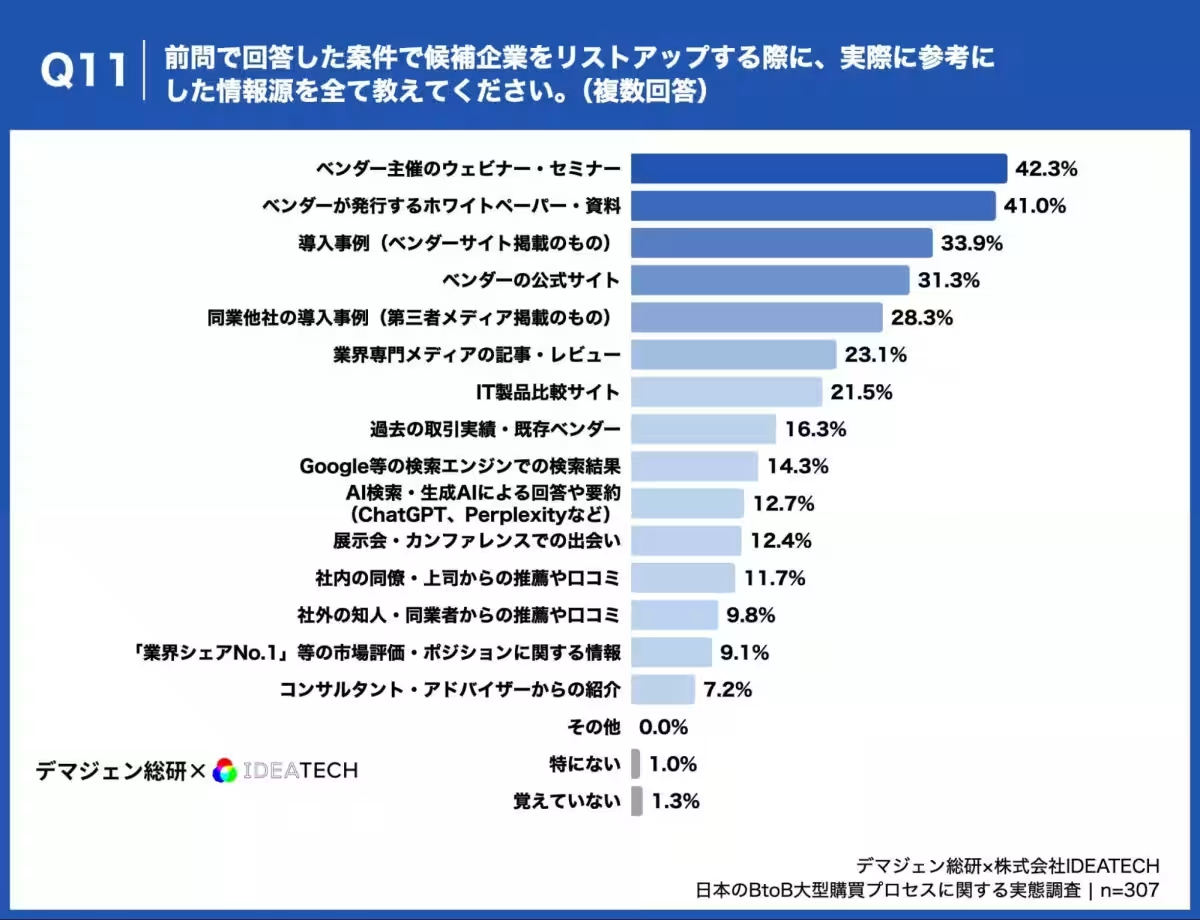
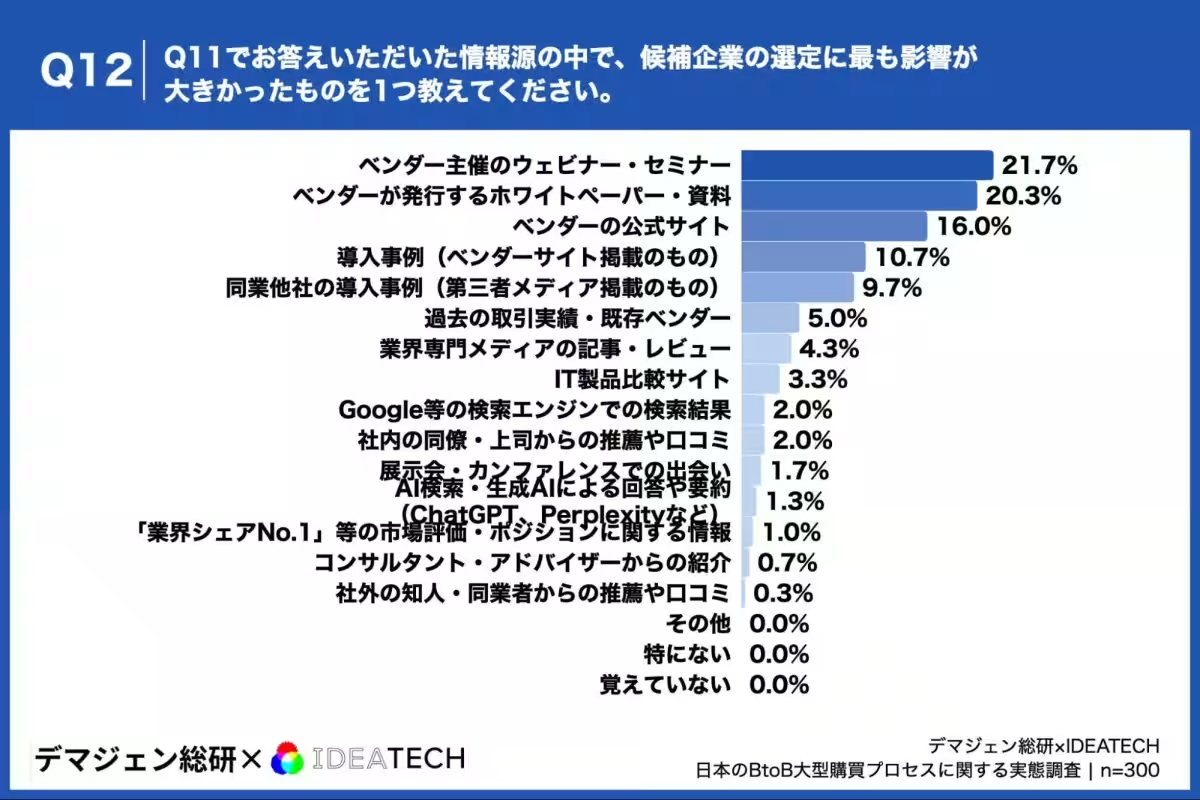
A significant finding of the survey revealed that over 60% of respondents prioritized industry-specific information as a critical factor in their selection process. This indicates a strong preference for vendors who can demonstrate expertise tailored to their specific industry needs. In fact, 42% of participants stated that vendor-hosted webinars played a crucial role in shaping their purchasing decisions.
3. Emerging Vendor Considerations
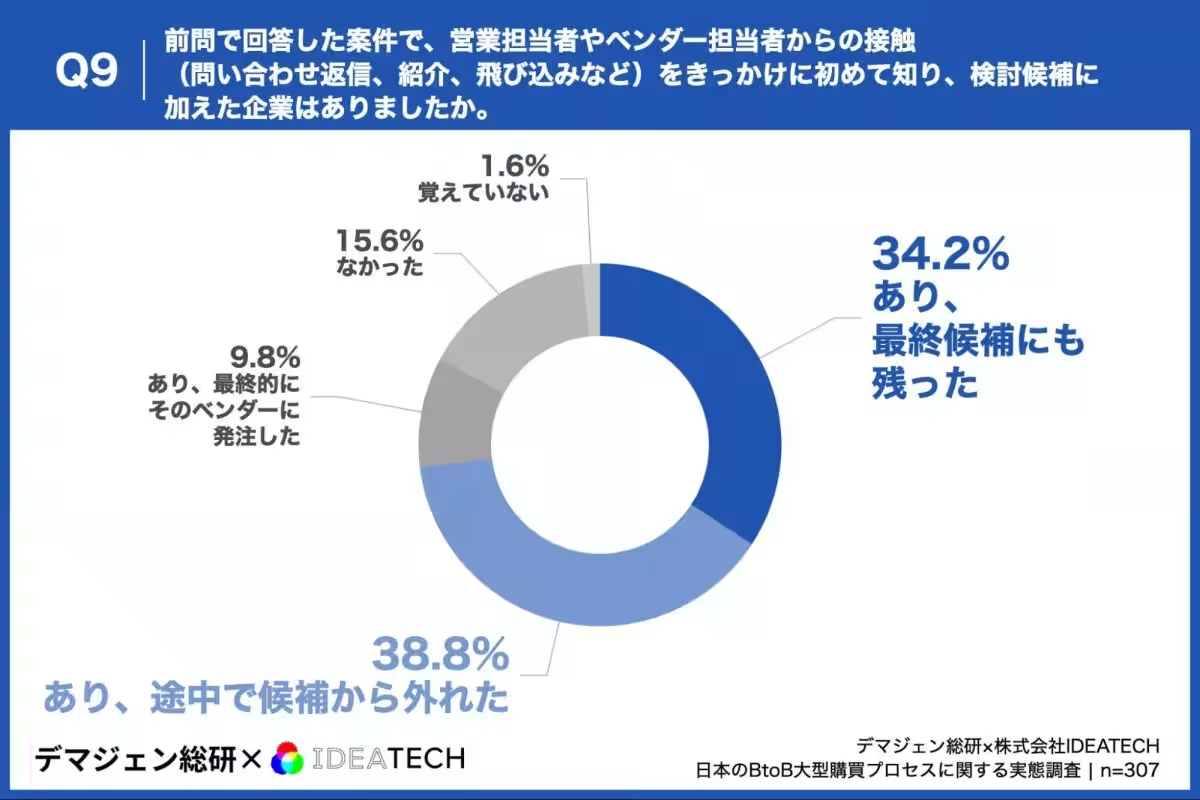
More than 80% of the respondents reported that their contact with sales representatives introduced them to new potential vendors. Interestingly, about half of these were subsequently narrowed down to final candidates or chosen as suppliers.
4. Research Sources and Comparisons
When asked about the resources they used to shortlist potential vendors, vendors' webinars and whitepapers were cited by 42% and 41% of participants, respectively. This highlights a trend where buyers rely heavily on these materials before finalizing their vendor list.
5. Challenges Faced
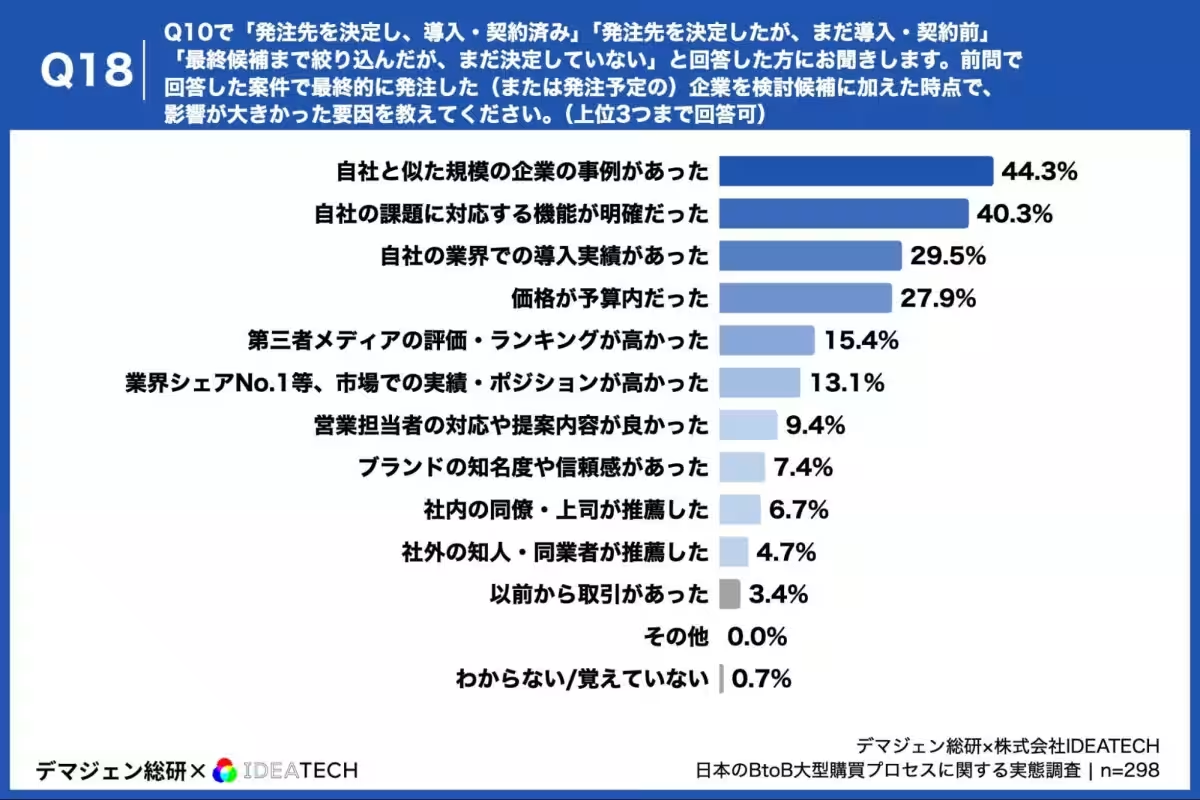
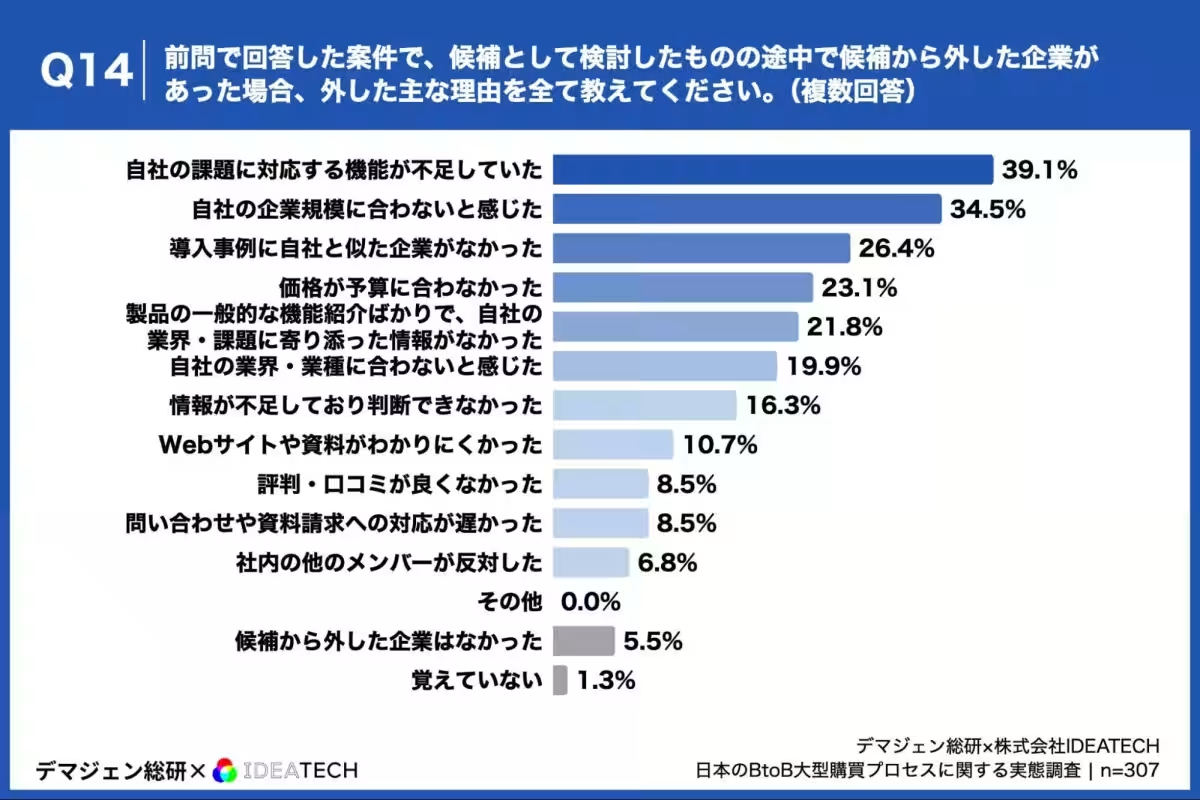
The survey results also indicated that the most common reason for eliminating candidates from consideration was a lack of functionality to address their specific problems, with 39% of respondents citing this as a major factor.
6. AI in the Purchasing Process
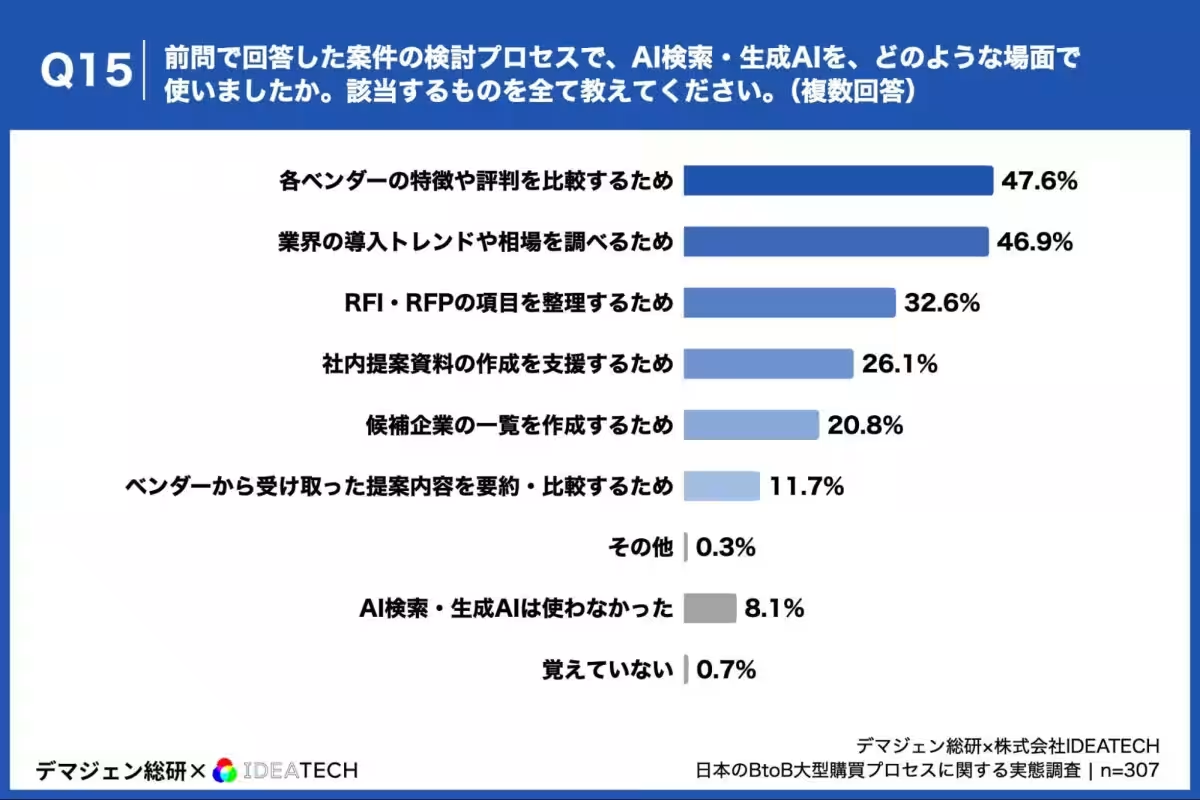
Remarkably, over 90% of the participants utilized AI tools during various stages of their decision-making process, particularly for comparing vendor options and analyzing market trends.
7. Decision-making Involvement
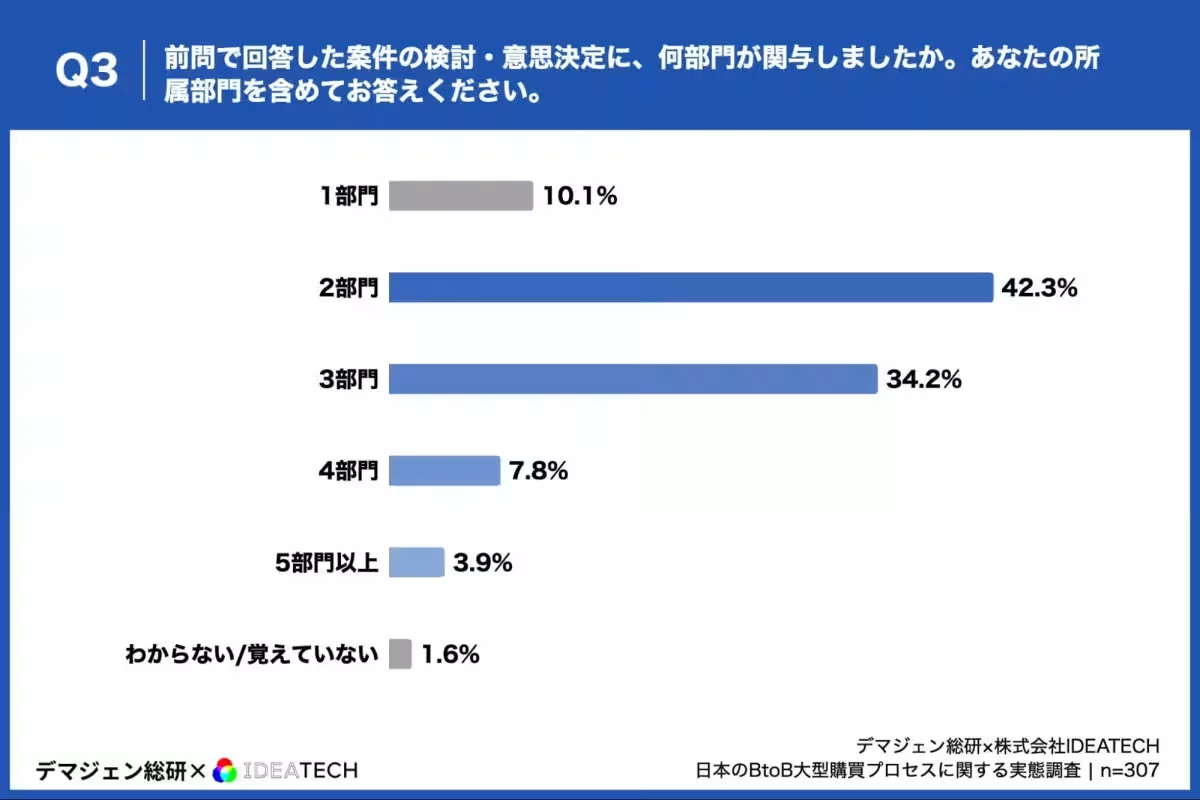
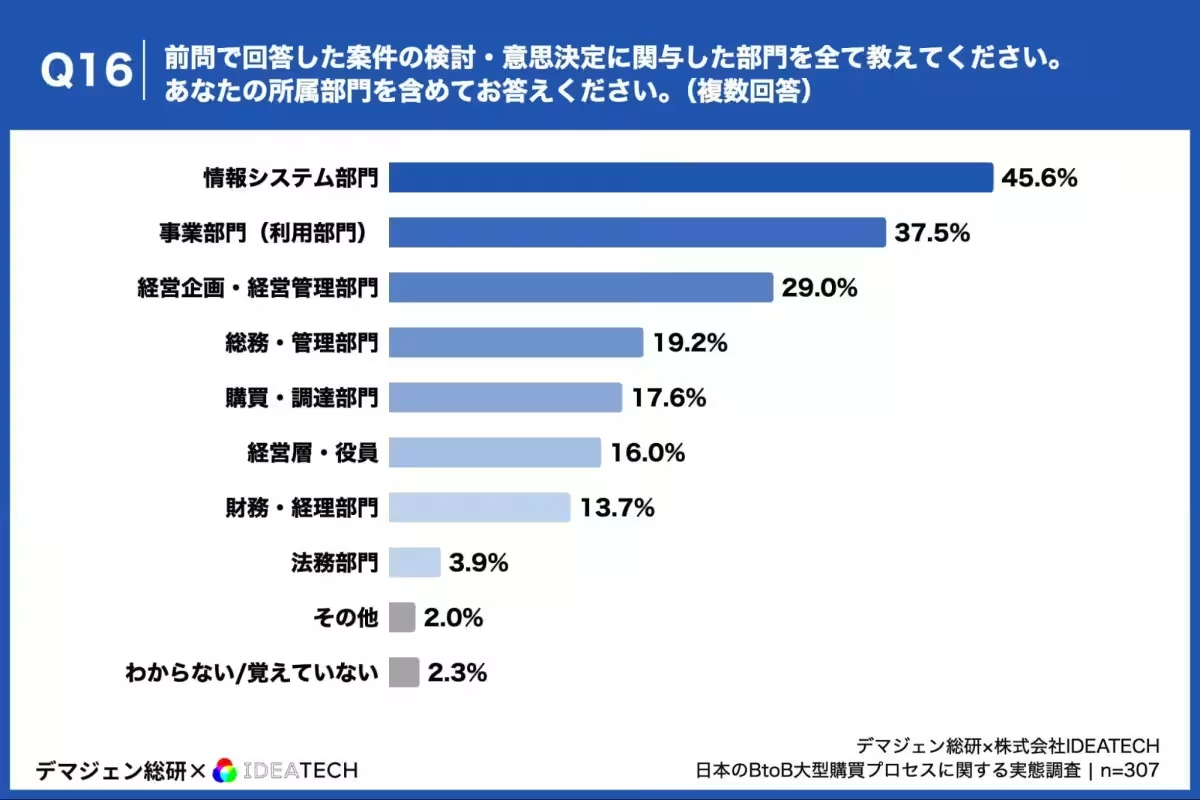
In terms of organizational structure, the survey revealed that decision-making typically involves multiple departments, with approximately 80% of respondents indicating that two or more departments participated in the analysis and selection of vendors. The Information Systems department emerged as the most involved.
Conclusion
This survey provides crucial insights into the B2B purchasing landscape in Japan, showing significant shifts toward a more informed and strategic approach among buyers. The early involvement and comprehensive research conducted by companies bolsters the necessity for vendors to engage potential clients effectively. There is a growing need for companies to provide resources that address specific industry challenges, further necessitating enhanced content marketing strategies for successful B2B engagements. As buyers become more independent in their information gathering prior to reaching out to sales, the role of specialized, targeted content becomes increasingly vital for staying competitive in the marketplace.
For more details on the full findings and to download the full report, click here.

Topics Business Technology)

【About Using Articles】
You can freely use the title and article content by linking to the page where the article is posted.
※ Images cannot be used.
【About Links】
Links are free to use.