



ECOALF Unveils New Regenerative Cotton Collection with Sustainable Practices
ECOALF Launches the Regenerative Cotton Collection
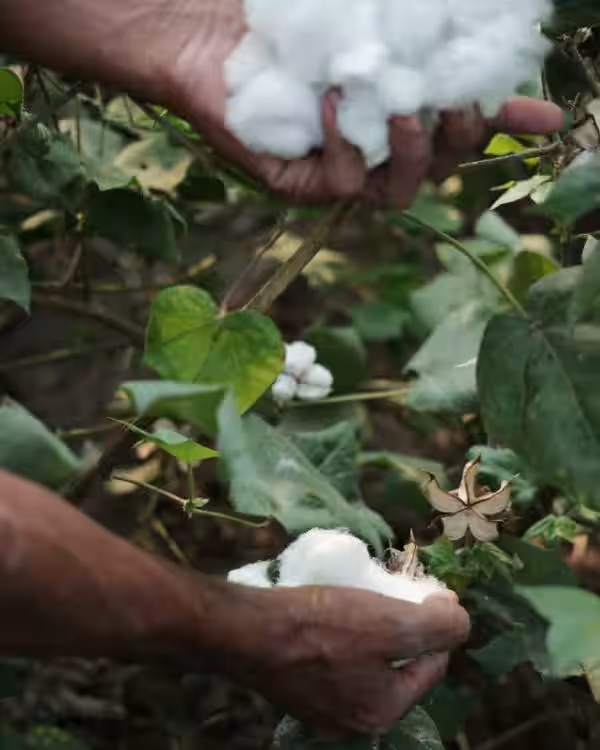
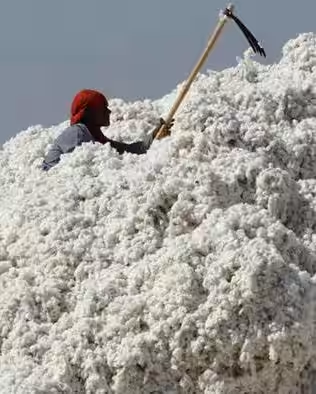
ECOALF, a renowned sustainable fashion brand introduced by Sanyo Shokai, has officially launched its new Regenerative Cotton Collection on April 22, 2026. This collection consists of seven unique styles made entirely from regenerative cotton, sourced through sustainable farming practices.
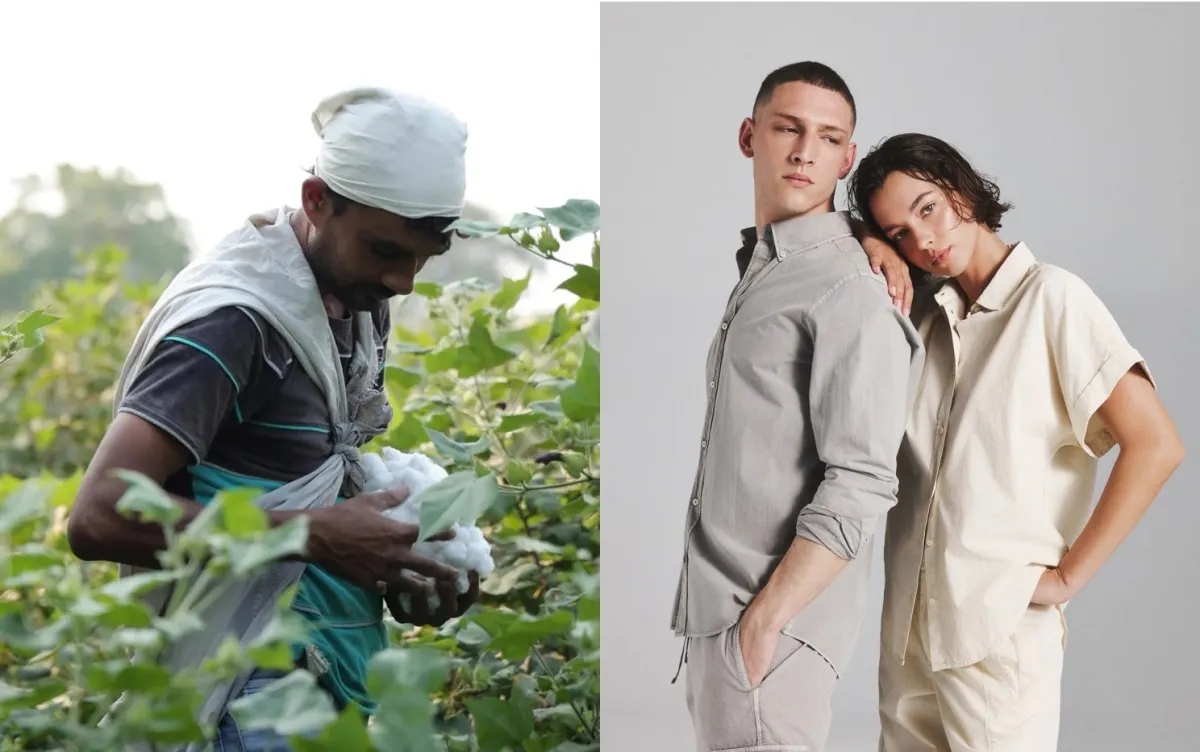
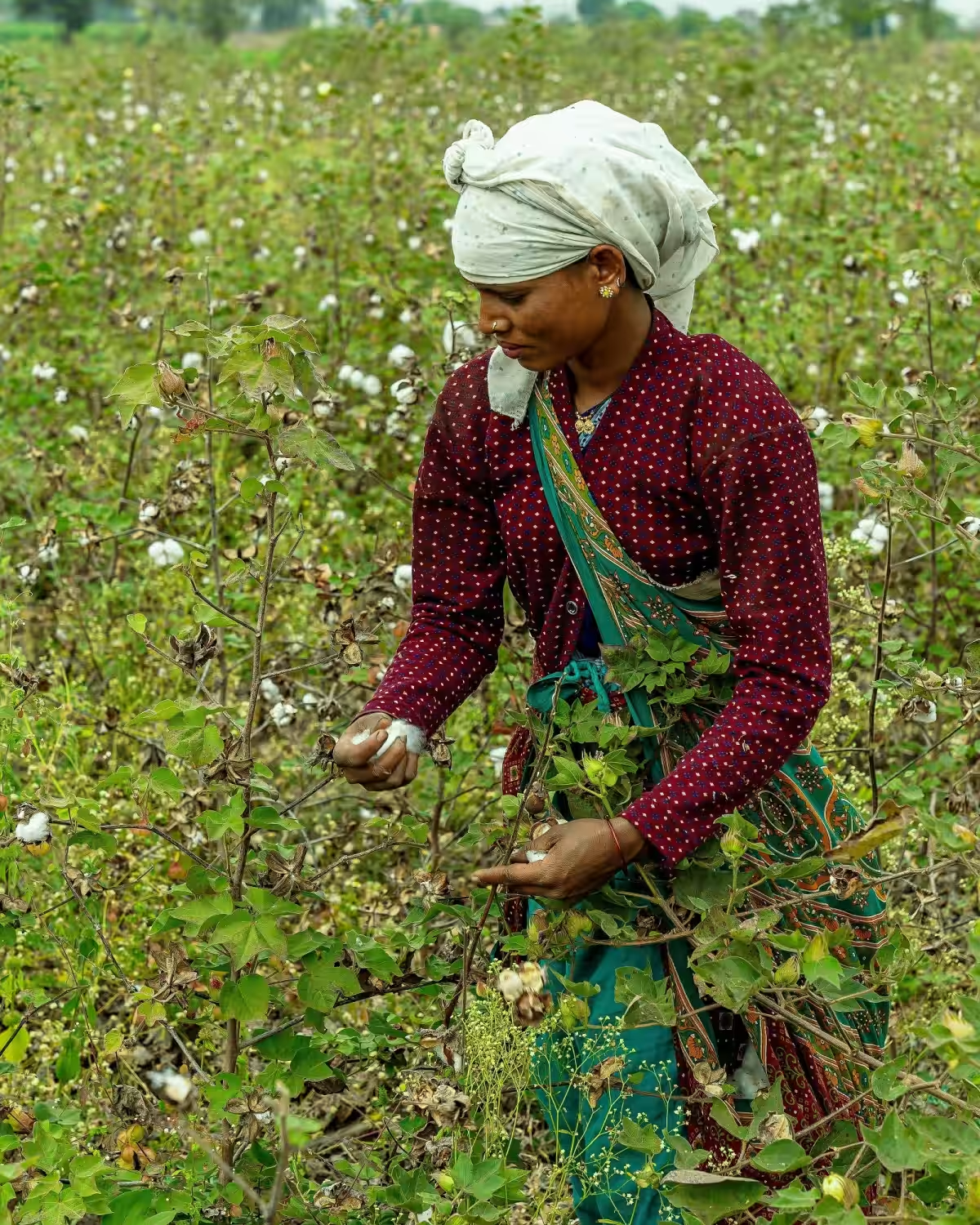
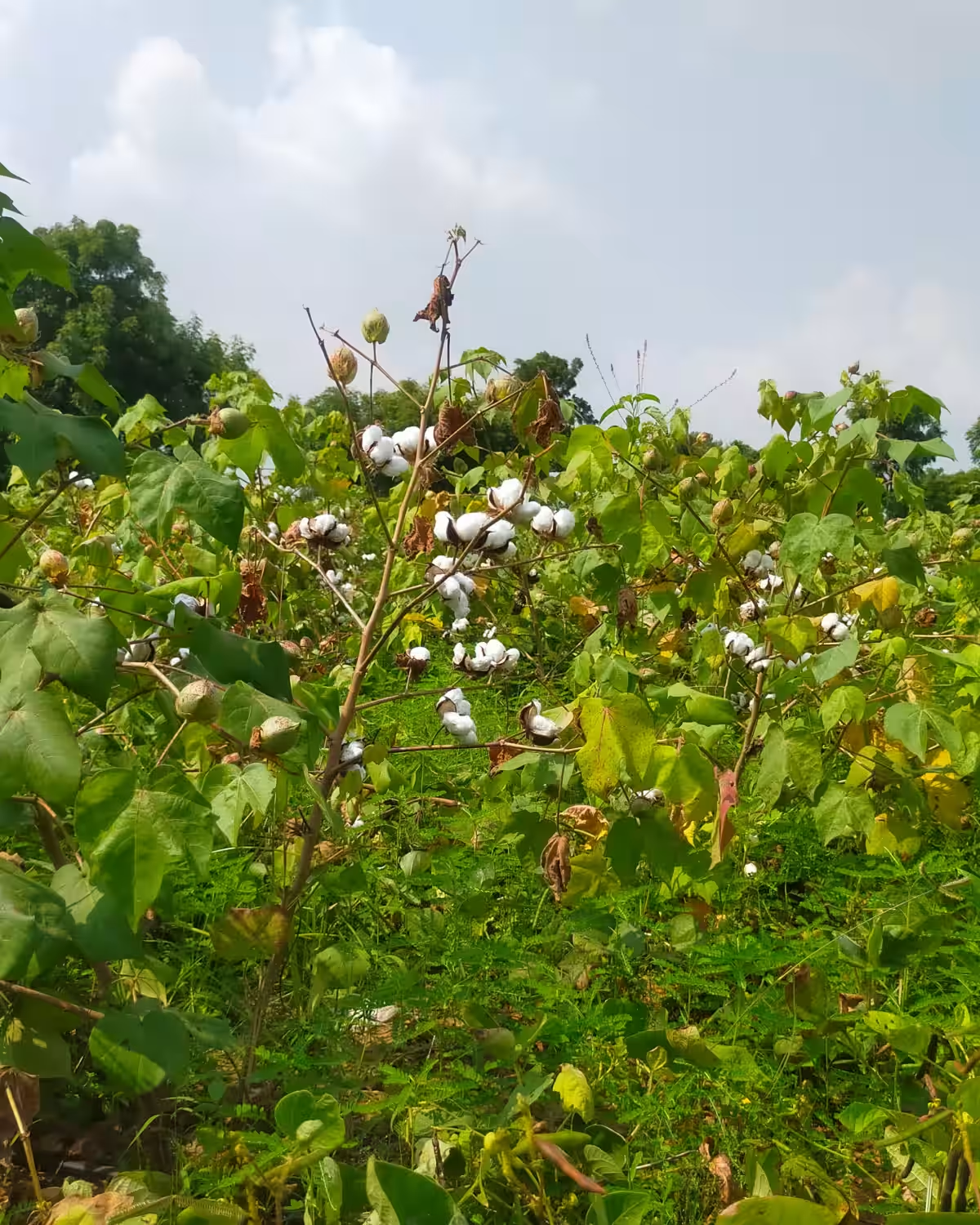
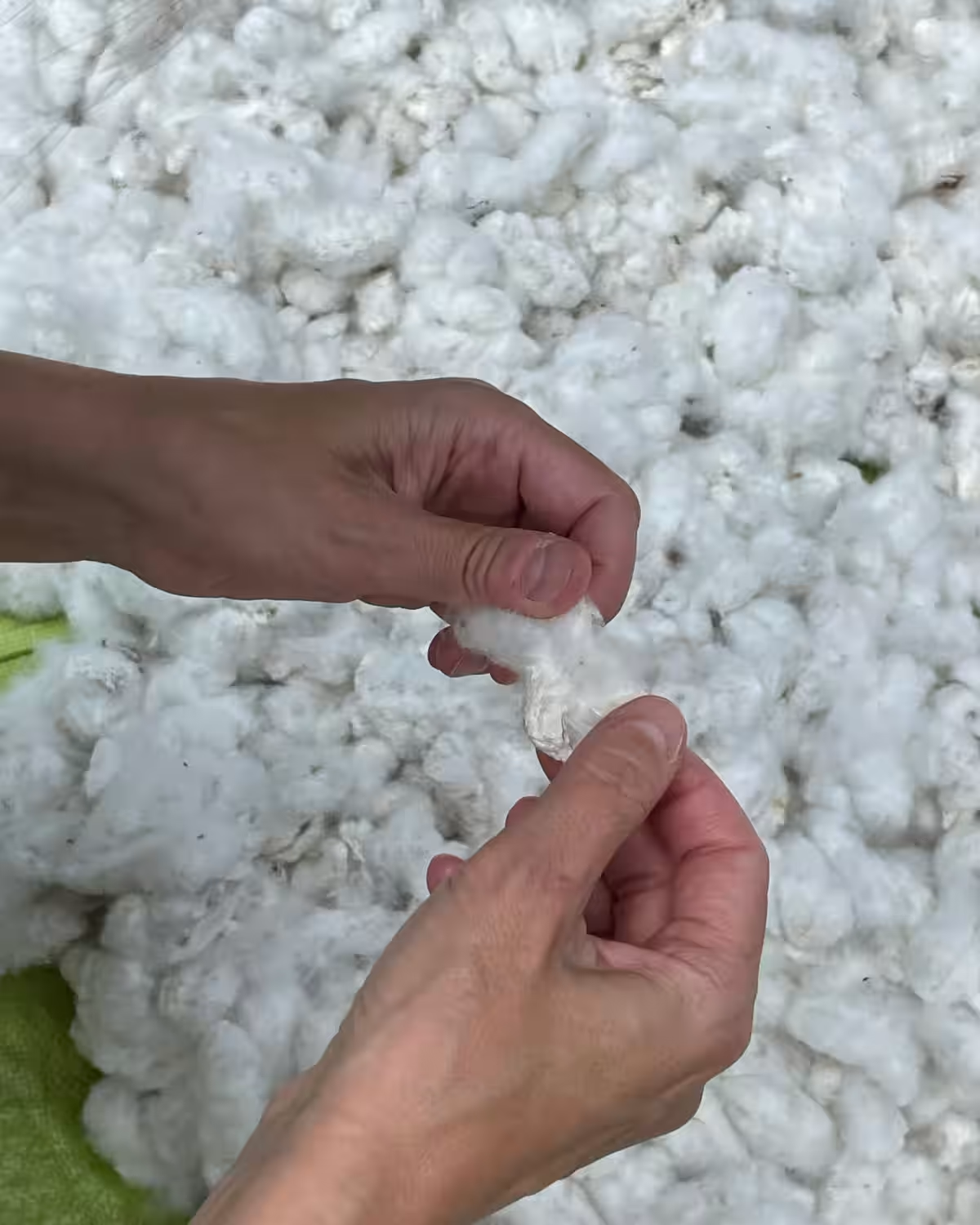
The inception of this innovative collection marks a significant shift from conventional cotton farming, which has often led to soil deterioration due to excessive chemical use and monoculture techniques. By collaborating with farming communities in Gujarat, India, ECOALF adopts a holistic approach to not just resourcing but revitalizing the very soils that form the backbone of cotton production. With the aim of regenerating 65.7 hectares of land—equivalent to around 14 Tokyo Domes—this project supports broader efforts to restore a total of 143 hectares of degraded agricultural land.
The Vision Behind the Collection
ECOALF's commitment to sustainability has been evident since its entry into the Japanese market in 2020. The brand has continuously pushed to raise awareness about environmental issues. The Regenerative Cotton Collection emphasizes the message that fashion can contribute positively to environmental solutions rather than being a part of the problem.
The decision-making process leading to this collection began with the realization that merely reducing environmental impacts is insufficient in the face of climate change. ECOALF recognized the need for regenerative agriculture, a model that not only minimizes harm but actively restores natural ecosystems. The ethos driving this collection is based on the belief that fashion should not only be sustainable but also a part of the solution to global challenges like climate change and resource depletion.
Regenerative Cotton Production
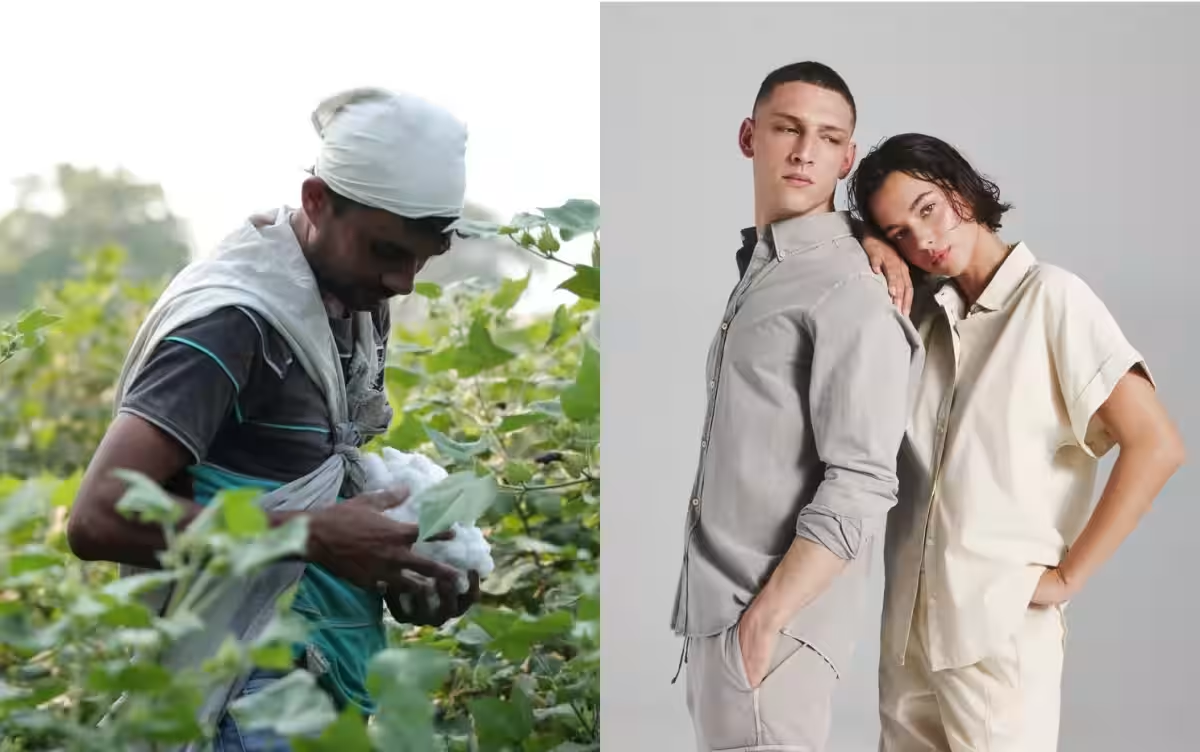
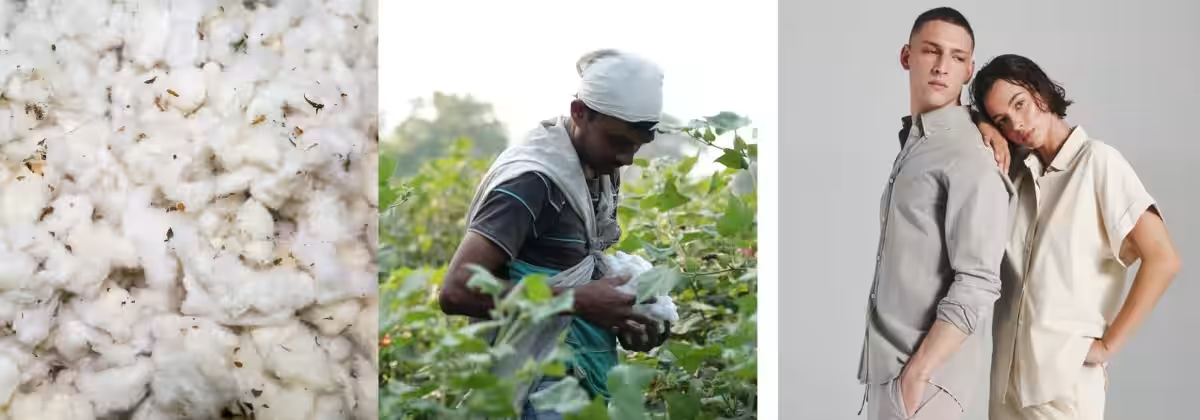
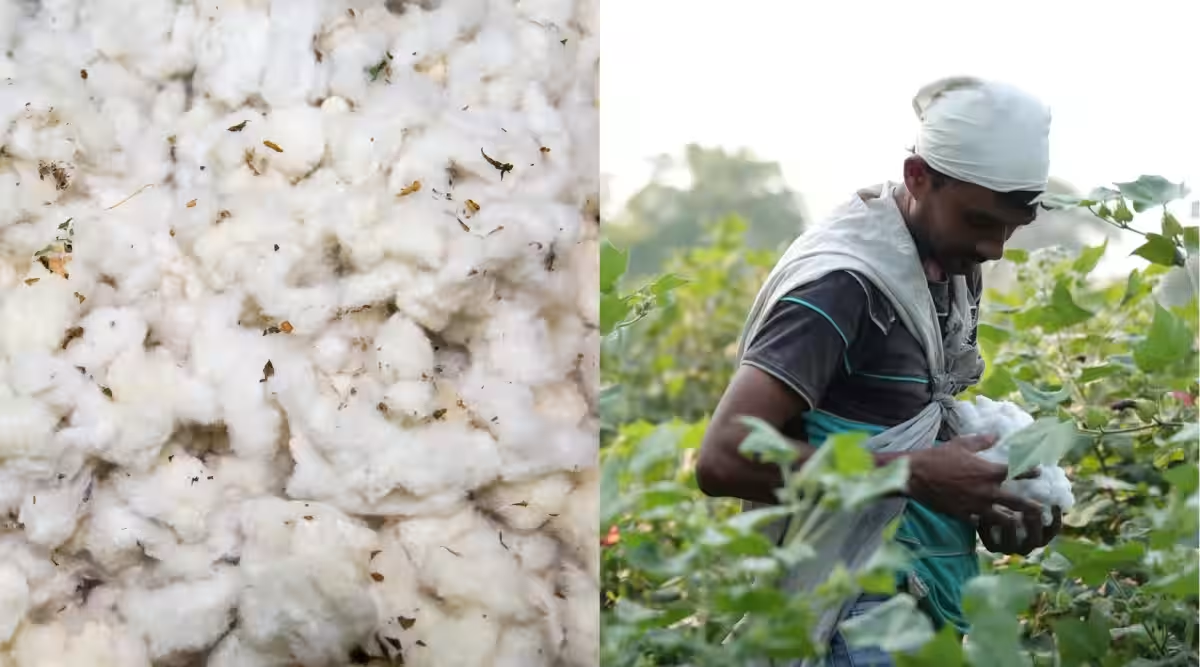
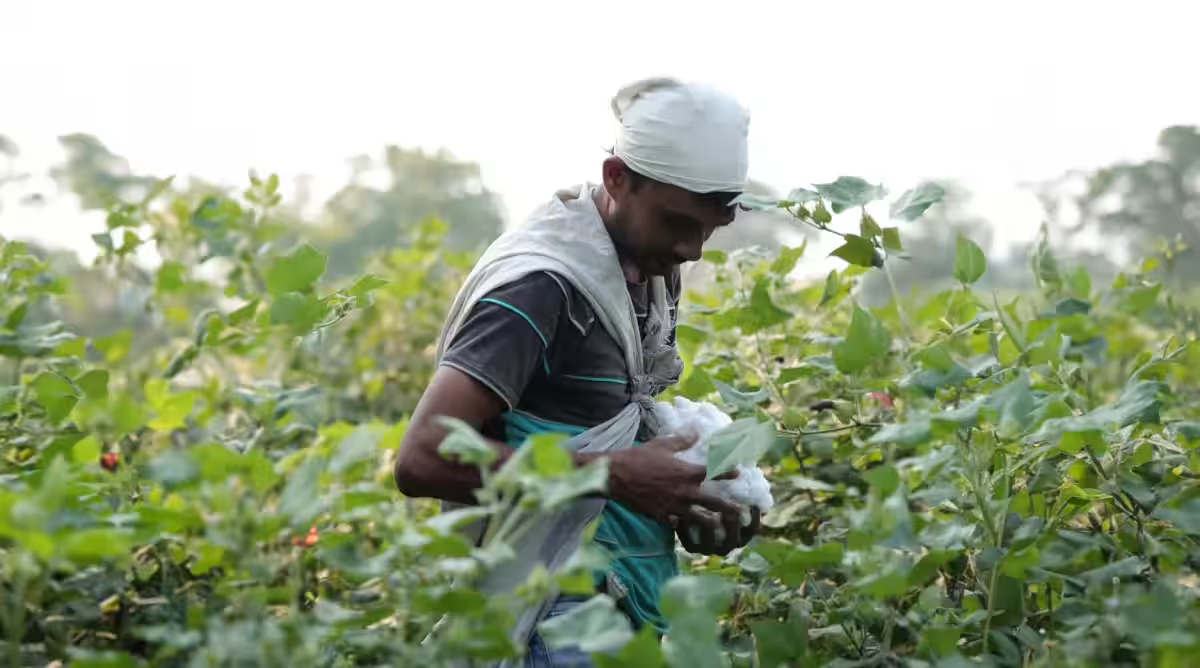
Starting in 2023, ECOALF has been working with agricultural communities in Gujarat to develop products utilizing regenerative cotton. This partnership, born out of a mutual respect for sustainable practices, has evolved from modest beginnings to encompass thousands of farmers across multiple villages.
The objectives of the Regenerative Cotton Project include:
- - Technical support for methods avoiding chemical fertilizers and pesticides.
- - Transitioning from monoculture to diversified planting techniques.
- - Economic stability for farmers during the shift towards regenerative agriculture.
- - Establishing a sustainable agricultural system in cooperation with local communities.
To date, more than 143 hectares of land have been revitalized through this initiative, further demonstrating the positive impact of eco-conscious practices in fashion.
Aiming for Broader Change
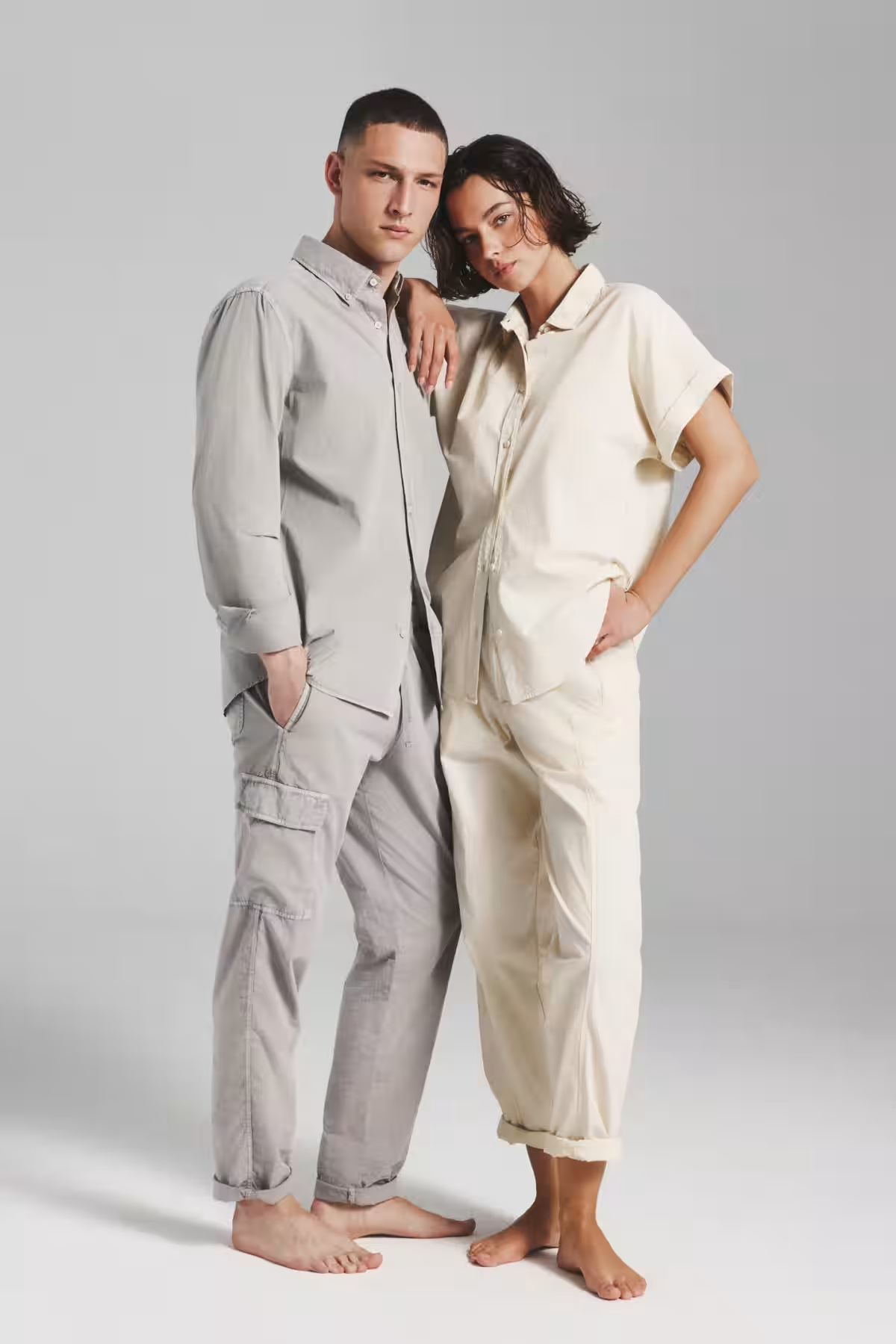
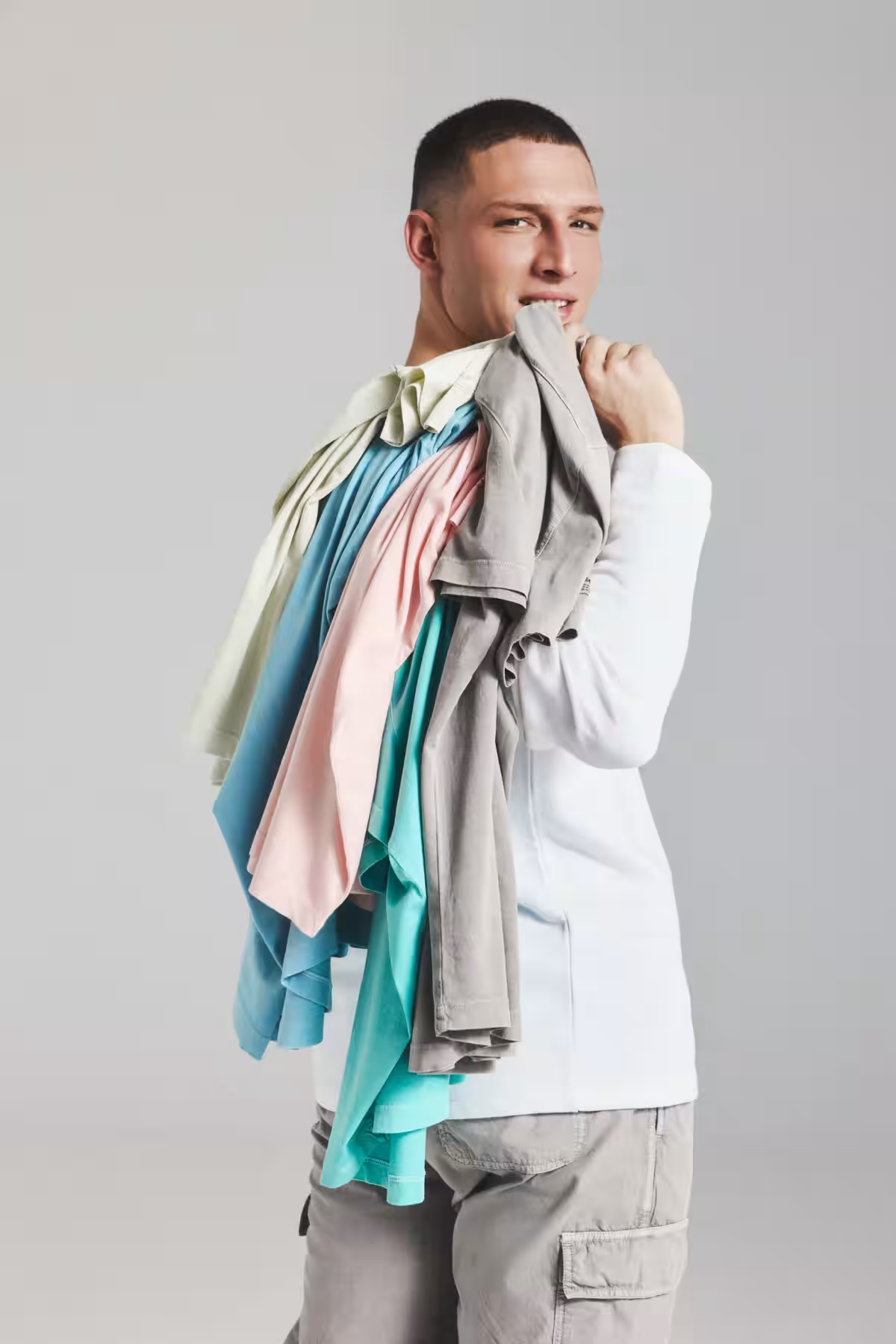
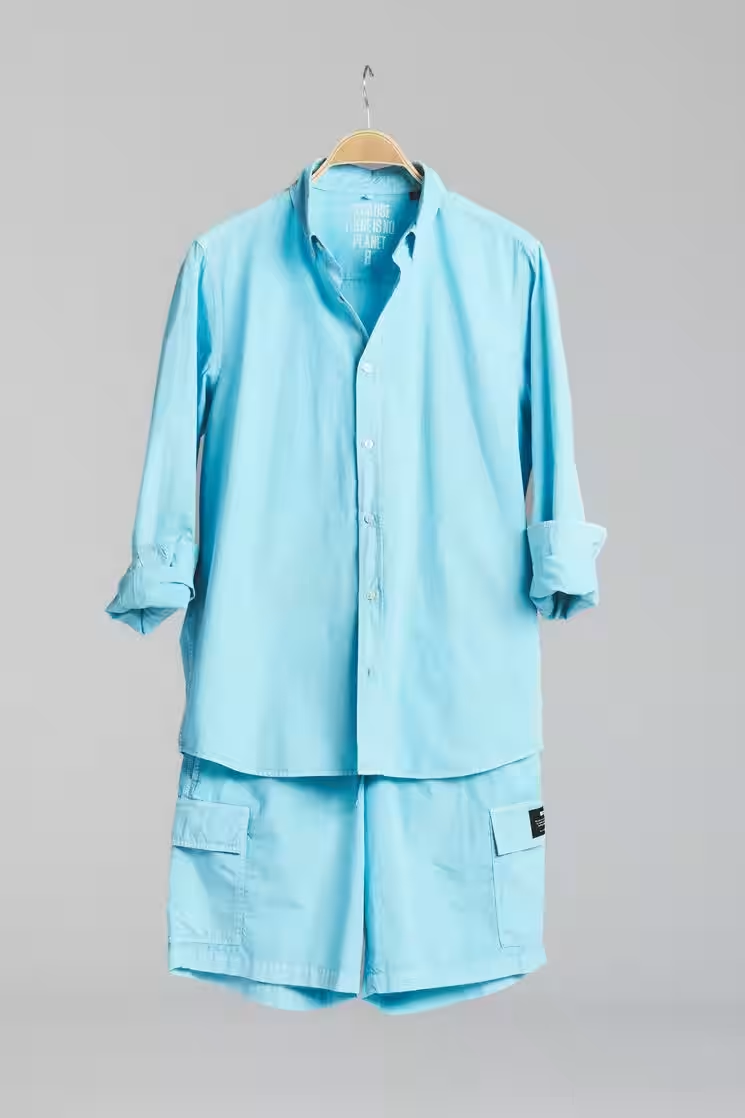
The Regenerative Cotton Collection features various garments, including t-shirts, shirts, and pants, all crafted from 100% regenerative cotton. The dyeing processes utilize natural materials that lend fresh colors like blue, green, and pink, while maintaining a clean and simple design. The aim is not only to offer aesthetically pleasing products but also to reflect the material's natural texture and the changes that occur with use.
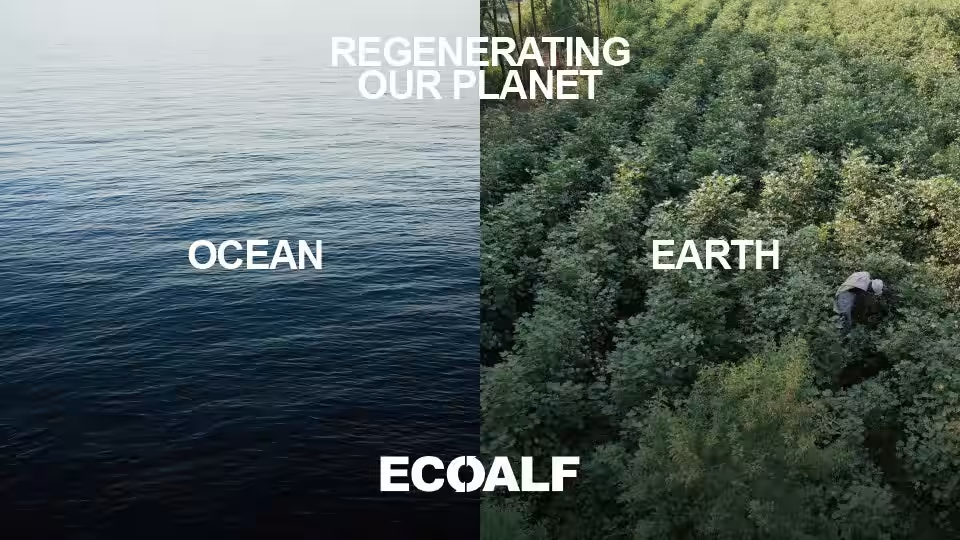
ECOALF seeks to create a business model in the fashion industry that demonstrates the potential for environmental restoration. The brand's future plans also include the launch of a Regenerative Wool Collection for the Fall-Winter 2026 season, emphasizing its dual focus on revitalizing both marine and soil ecosystems.
About ECOALF
Founded in 2009 by Javier Goyeneche, ECOALF operates under the slogan, “Because there is no planet B®.” The brand specializes in utilizing recycled and eco-friendly materials, transforming discarded goods—such as ocean waste—into new fabrics. With a commitment to making fashion a force for good, ECOALF has developed over 400 types of materials to reduce the fashion industry's ecological footprint.
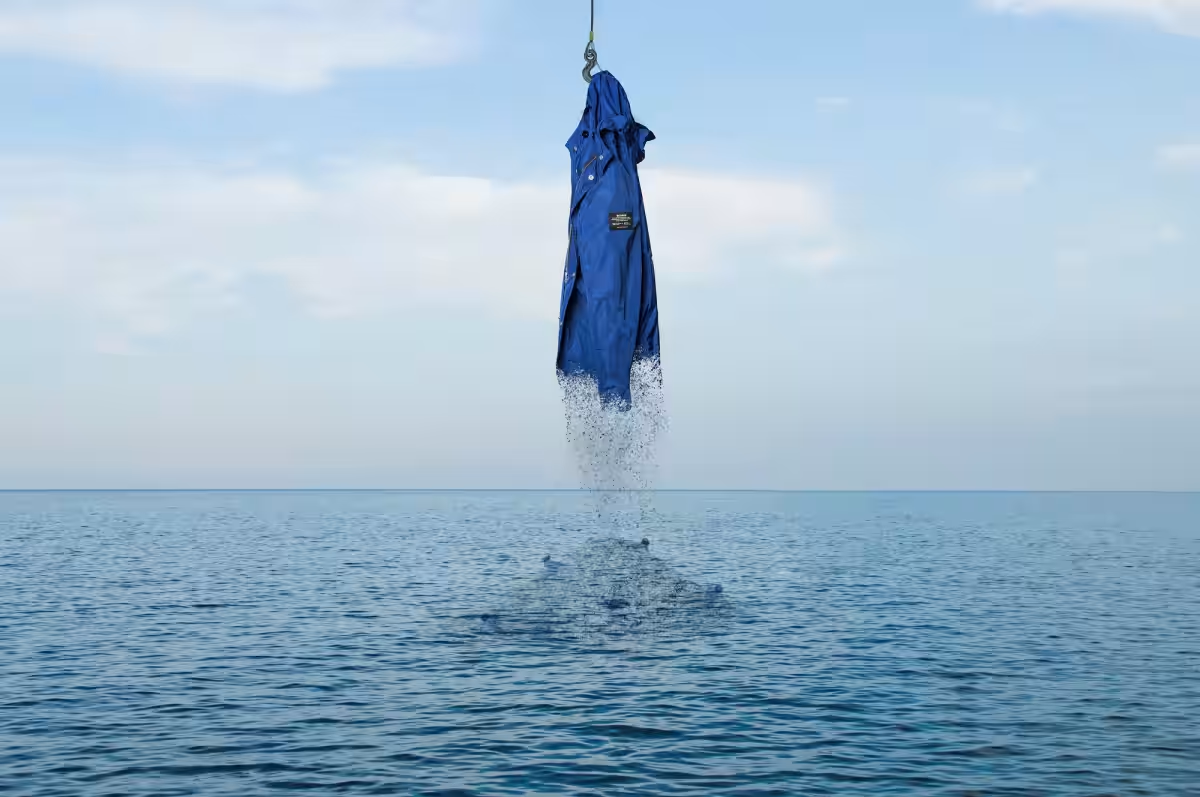
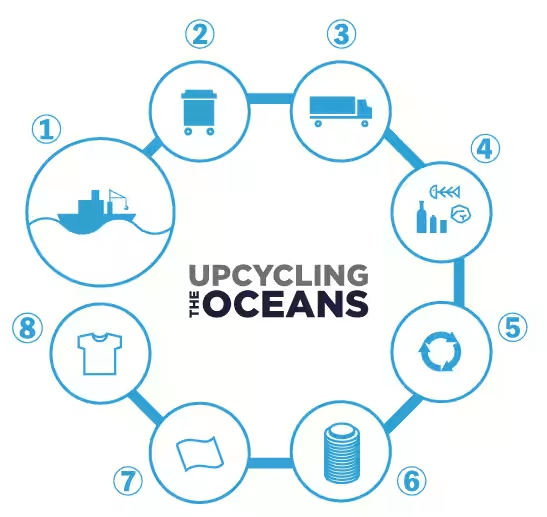
Through initiatives like UPCYCLING THE OCEANS, ECOALF works to collect and repurpose marine debris into wearable items, showcasing the potential for fashion to engage in environmental conservation.
For more about ECOALF and their latest collection, visit their official website.



Topics Consumer Products & Retail)
【About Using Articles】
You can freely use the title and article content by linking to the page where the article is posted.
※ Images cannot be used.
【About Links】
Links are free to use.