



A Special Mother's Day Survey: 87.2% of Mother-Daughter Pairs Report Genetic Skin Issues
Understanding Genetic Influences on Skin Issues
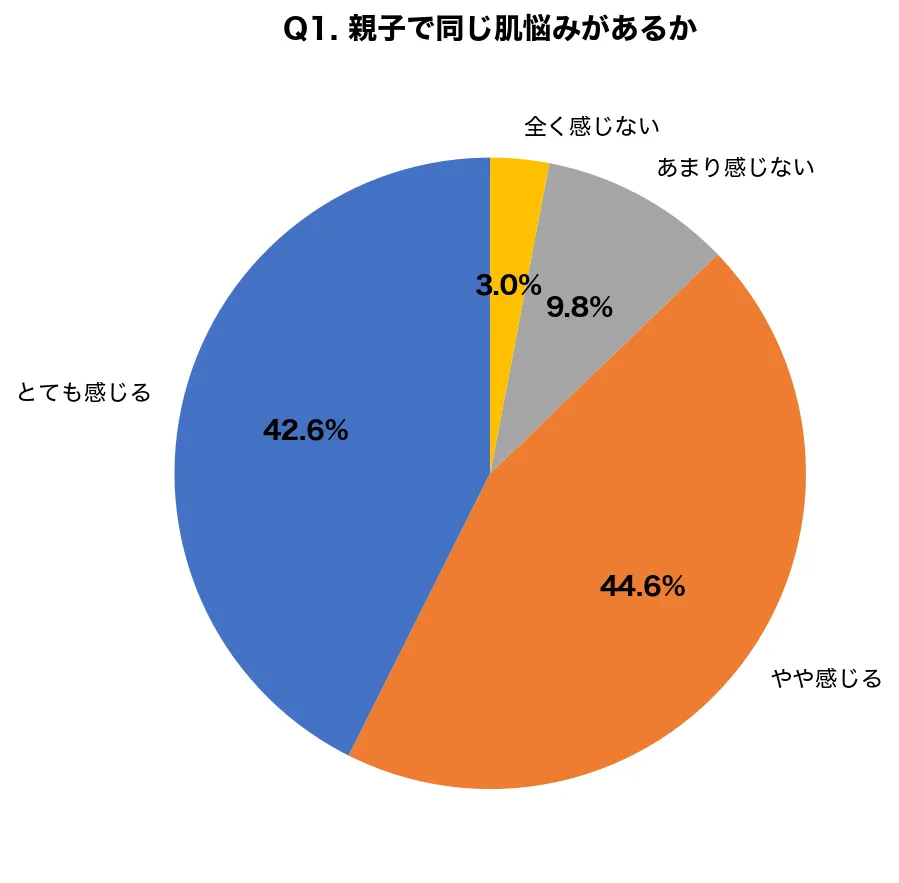
As Mother's Day approaches, a new survey conducted by the IC Clinic sheds light on genetic skin problems faced by mothers and their daughters. This study, which included 500 pairs, revealed that a significant majority—87.2%—of mothers and daughters experienced similar skin concerns, especially hyperpigmentation and moles.
Key Findings of the Survey
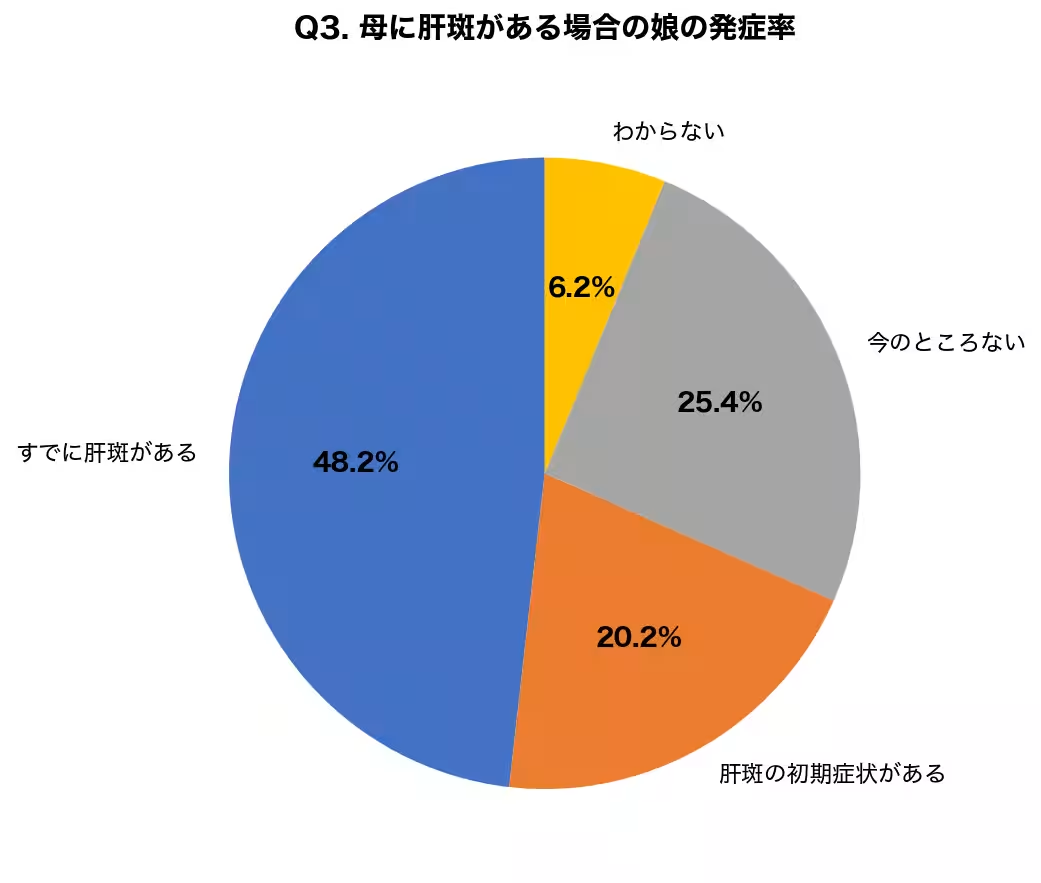
The survey illustrates that the susceptibility to skin conditions like freckles and moles is significantly influenced by genetics. Notably, 68.4% of daughters whose mothers suffer from melasma also exhibit similar symptoms. The implications of these findings highlight how crucial awareness of genetic predisposition can be.
Common Skin Issues Among Mothers and Daughters
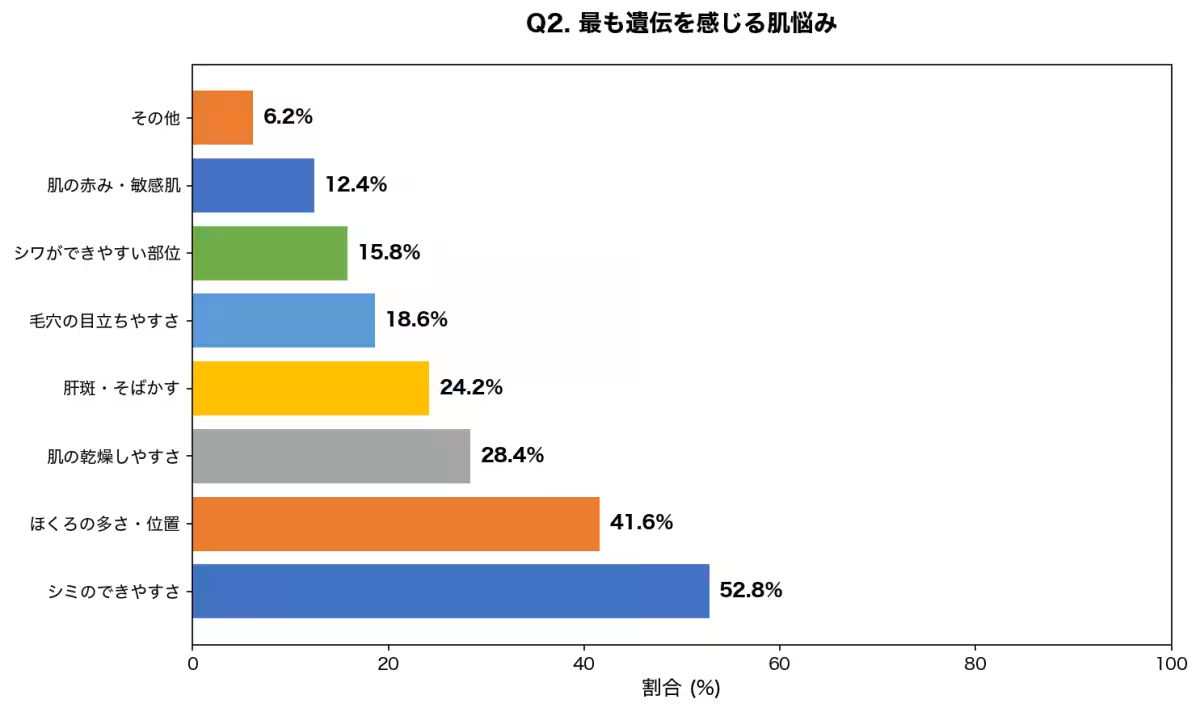
1. Freckles: Genetic factors account for over 80% of occurrences.
2. Moles: The heritability factor is noted to be between 70% and 80%, making these marks highly hereditary.
3. Melasma: This condition shows a genetic influence of 50% to 70%. The hormonal fluctuations common among women, particularly during pregnancy, can exacerbate melasma symptoms, necessitating awareness and preventive measures.
The Role of Genetics in Skin Conditions
- - Melanin Production Ability: The genetic capacity of skin cells to produce melanin largely determines an individual’s susceptibility to pigmentation disorders. Higher production capabilities often lead to increased severity under UV exposure.
- - Photoaging: Long-term UV exposure leads to skin damage manifesting as wrinkles and pigmentation, separate from natural aging processes, particularly prominent in genetically sensitive skin types.
Precautions and Preventive Strategies
Despite the daunting prospect of inheriting skin concerns, preventive strategies can effectively minimize risks:
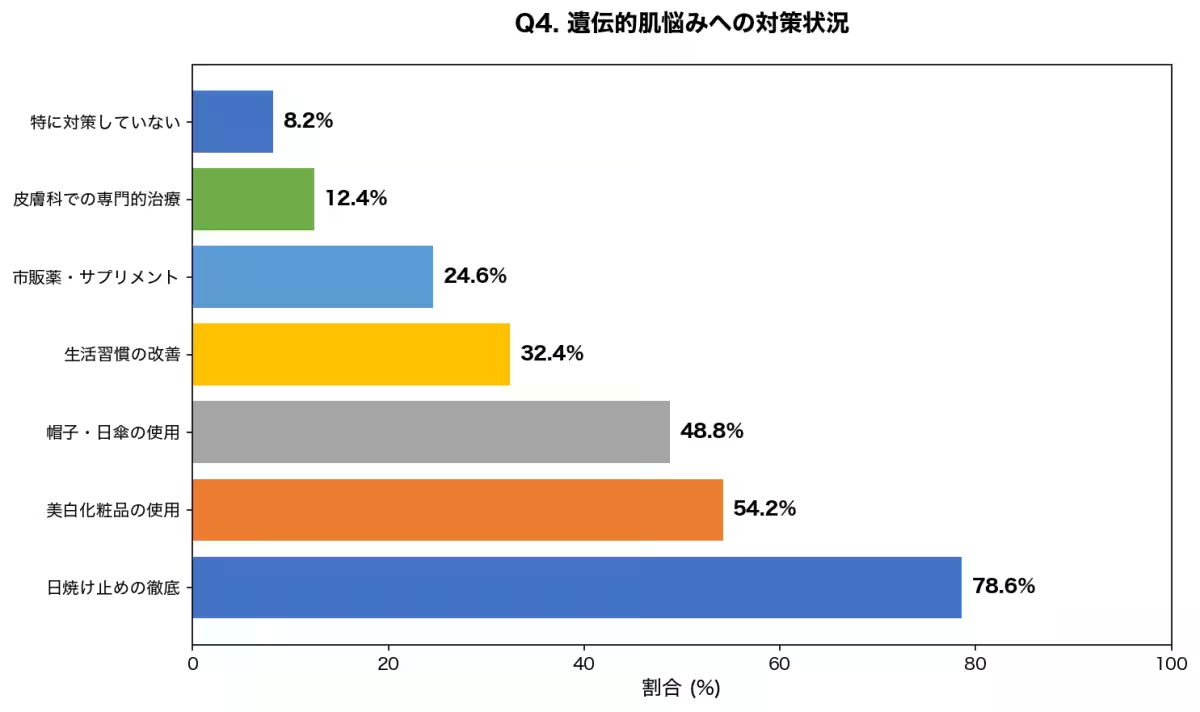
- - Sun Protection: Implementing rigorous UV protection measures can drastically diminish the likelihood of developing pigmentation issues. A staggering 78.6% of those surveyed have started using sunscreen.
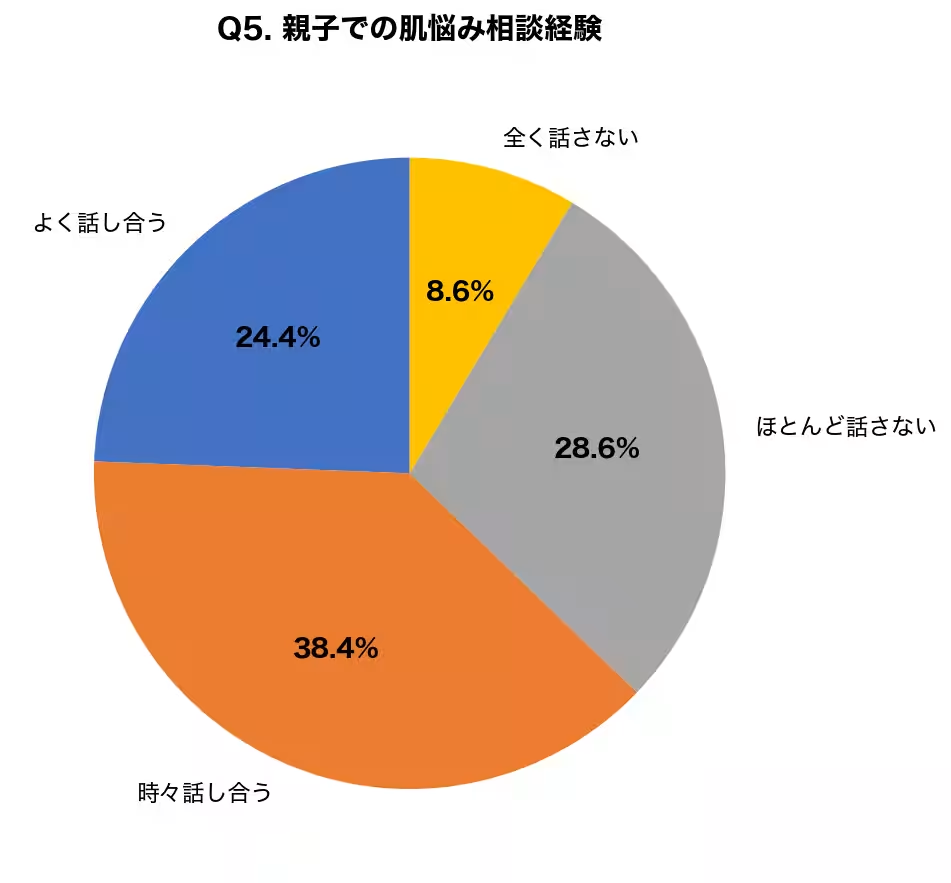
- - Consultation with Professionals: Despite the awareness of genetic predisposition among 62.8% of mother-daughter pairs who have discussed their skin issues, only a small fraction—12.4%—sought professional treatment. This gap indicates a need for increased awareness regarding the importance of dermatological advice and intervention.
An Open Conversation
The survey also emphasizes the importance of family communication regarding skincare. Encouraging mothers and daughters to share their experiences and preventive strategies helps foster better proactive skin health management.
Patient Insights from Dr. Kouta Takakuwa, IC Clinic
Dr. Kouta Takakuwa, a seasoned dermatologist, states, “Even with genetic predisposition to skin conditions, various effective treatments and preventive measures are available. For instance, while melasma is inherently linked with hormonal changes, appropriate skincare and lifestyle adjustments can significantly mitigate its effects.”
The Future of Skin Health Education
As the present study illustrates, understanding the interplay between genetics and skin health is essential. The emphasis on empowerment through knowledge and discussion around hereditary skin issues may reduce the future incidence of these conditions.
Conclusion
This Mother’s Day, instead of simply celebrating the bond between mothers and daughters, let’s also prioritize conversations about shared skin health concerns, focusing on prevention strategies and professional consultation options. Active participation in skincare discussions can lead to better-informed decisions and healthier skin for future generations.
Topics Health)


【About Using Articles】
You can freely use the title and article content by linking to the page where the article is posted.
※ Images cannot be used.
【About Links】
Links are free to use.