



Samsung Expands Sustainability Efforts with New Environmental Goals for 2030
Samsung Expands Its Commitment to Sustainability
On February 26, 2026, Samsung Electronics, headquartered in South Korea, announced new environmental goals set under their initiative, "Galaxy for the Planet." This initiative was launched in 2021, and since then, Samsung has successfully met all four environmental impact reduction goals originally planned for 2025.
"Galaxy for the Planet" serves as the cornerstone of sustainability within Samsung's Mobile eXperience (MX) division. It signifies a long-term commitment to driving sustainability, with ongoing advancements in technological innovation, material development, and operational foundations.
Samsung's CEO and head of Device eXperience (DX) division, TM Roh, stated, "The achievements we’ve secured through 'Galaxy for the Planet' are the result of the continuous efforts of the Samsung team and our partners over many years. Sustainability is central to our business operations and innovation. It influences product design, resource management, and the creation of value that extends beyond just devices. Looking towards 2030, we plan to expand our efforts beyond products and operations to broader initiatives."
Key Progress Under 'Galaxy for the Planet'
Samsung has successfully met its goals aimed at reducing the environmental impact of mobile products and operations, achieving all targets set for 2025.
One focal area has been the increased use of recycled materials across all Samsung Galaxy products. Currently, a total of ten recycled materials are being employed in both external and internal components after thorough research, trials, and verifications.
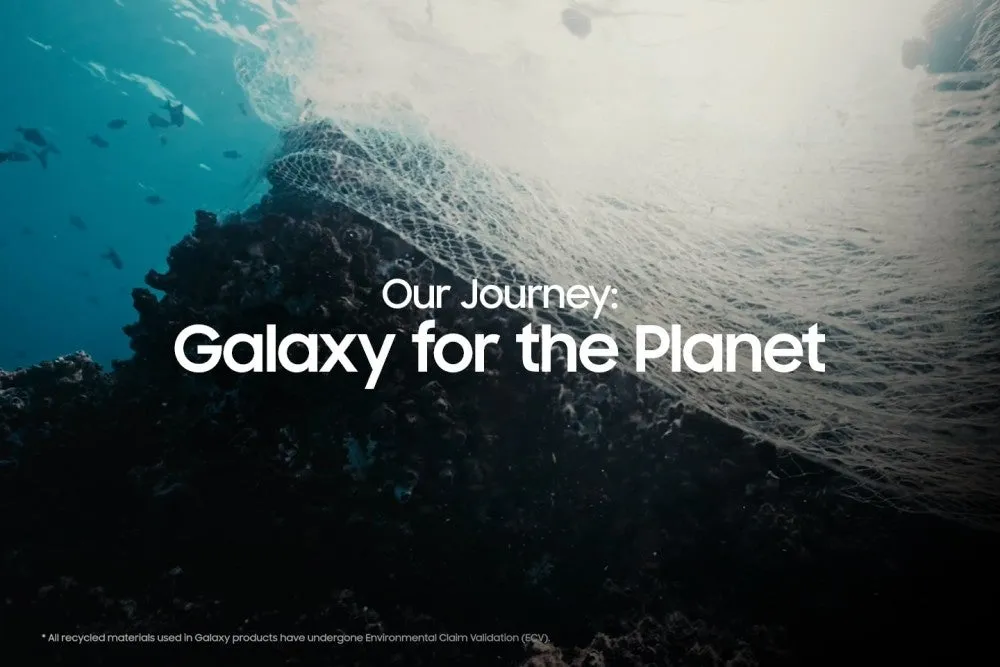
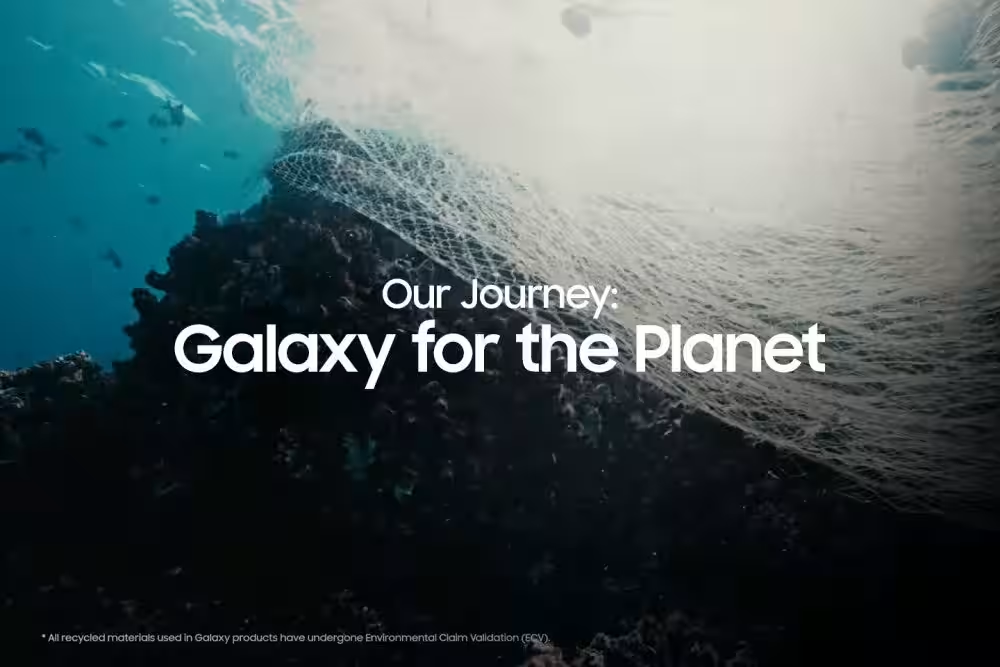
Additionally, the company has made significant strides towards improving recyclability through material innovation. This includes the use of recycled plastic sourced from discarded fishing nets, which are at risk of creating marine waste, as well as establishing a “circular battery supply chain” that recovers and reuses materials from used batteries of Galaxy devices.
Samsung has also made the critical shift from single-use plastics to paper materials and recycled materials for mobile product packaging. In tandem, the company has advanced research and development into low standby power technologies, reducing standby power to nearly zero levels for Samsung Galaxy smartphone chargers. This innovation applies to multiple output model chargers.
In its manufacturing sites, Samsung globally promotes its “Zero Waste to Landfill (ZWTL)” initiative, making significant strides in reducing landfill waste. All ten targeted mobile manufacturing plants have obtained ZWTL platinum certification based on UL Solutions standards, achieving a waste diversion rate of 100%. These waste management initiatives are adapted to the local regulations and infrastructure of each region.
These accomplishments signify steady progress in Samsung's commitment to 'Galaxy for the Planet,' providing a solid foundation for further expansion of their initiatives. Following the successful completion of initial goals, Samsung is now setting new environmental objectives for 2030, aiming to enhance their efforts further.
Strengthening Environmental Commitment
As Samsung moves into the next phase, they will expand the scope of 'Galaxy for the Planet' beyond just product-level initiatives to encompass broader impacts on the environment and ecosystems resulting from their global business activities. The new goals for 2030 target three key areas: promoting a circular economy, water resource management, and biodiversity.
- - Promoting a Circular Economy: Samsung aims to incorporate at least one type of recycled material in all modules of their mobile products as part of ongoing resource circulation efforts. This commitment demonstrates Samsung's intention to enhance responsible and efficient material procurement across the entire Galaxy ecosystem.
- - Enhancing Water Resource Management: The company plans to strengthen its water resource management efforts in the mobile sector, with a goal of returning 110% of the water used back to local watersheds. They also aspire to achieve top-level ratings for international responsible water management certification, AWS.
- - Conserving Ecosystems: Recognizing that their business activities may impact surrounding ecosystems, Samsung has set goals to conserve ecosystems affected by their mobile business’s environmental footprint. This includes promoting the protection and restoration of natural environments, thereby enhancing biodiversity and ecosystem resilience.
Samsung's 'Galaxy for the Planet' embodies the belief that environmental responsibility is essential to their innovation, business operations, and long-term value creation. The company is committed to integrating sustainability at the core of its business practices.
For a detailed account of the journey of 'Galaxy for the Planet,' you can view the video linked here. Further information regarding this initiative, Samsung's sustainability metrics and verification processes, and progress can be found on Samsung Electronics' sustainability website.
Topics Consumer Products & Retail)
【About Using Articles】
You can freely use the title and article content by linking to the page where the article is posted.
※ Images cannot be used.
【About Links】
Links are free to use.