



The Importance of Self-Determination in Children's Experiences and Well-Being
Importance of Self-Determination in Children's Experiences
A recent survey conducted by the certified NPO Florence, based in Chiyoda, Tokyo, sheds light on the significant relationship between children’s self-determined experiences and their overall well-being. Between April and May, and in September 2025, they surveyed families utilizing the "Children's Adventure Bank," aiming to address experience disparities in children. The results reveal valuable insights.
Survey Overview
The survey targeted all families using the Children's Adventure Bank, which provides support for economically disadvantaged families, single-parent households, and families with disabled children. In total, 600 responses were collected during the first phase and 890 during the second phase.
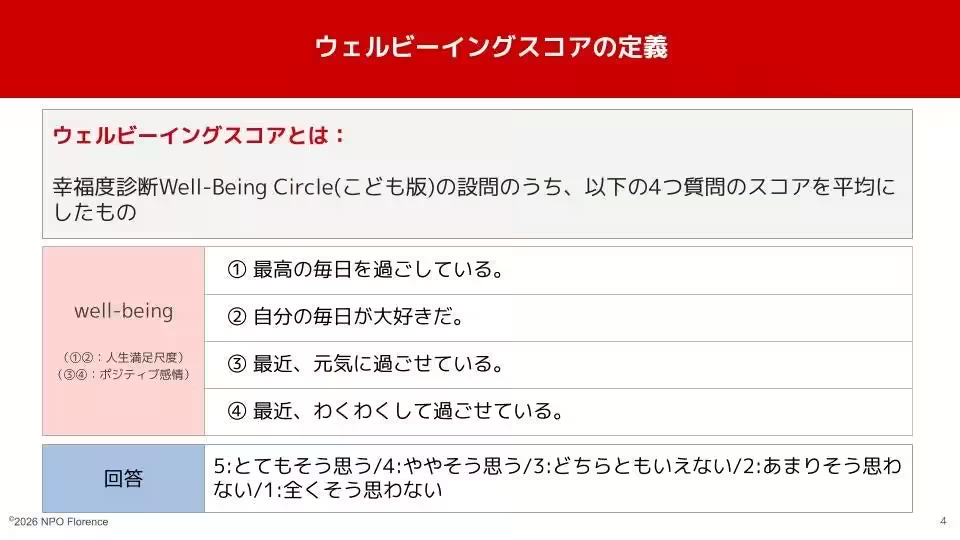
The survey utilized the Well-Being Circle for children, provided by Hapitec, and included additional original questions.
Key Findings
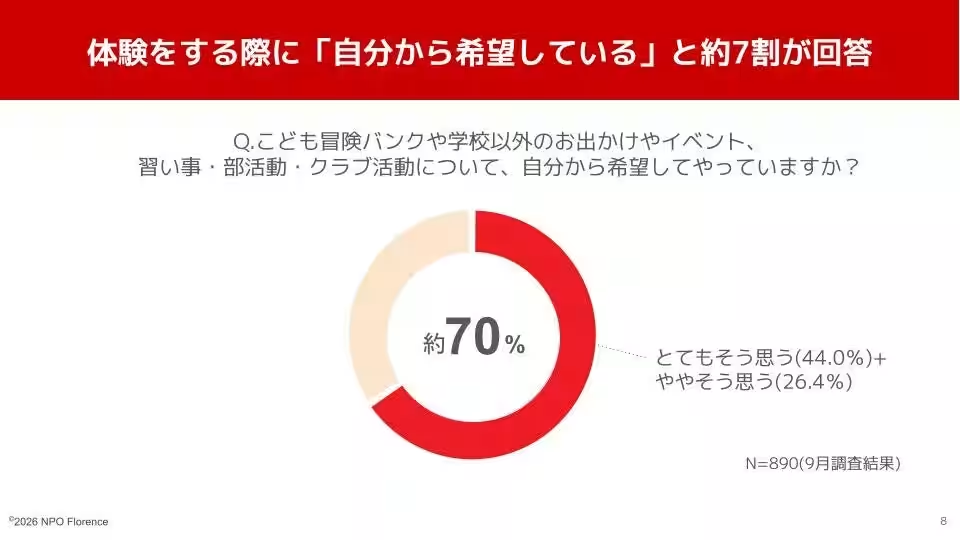
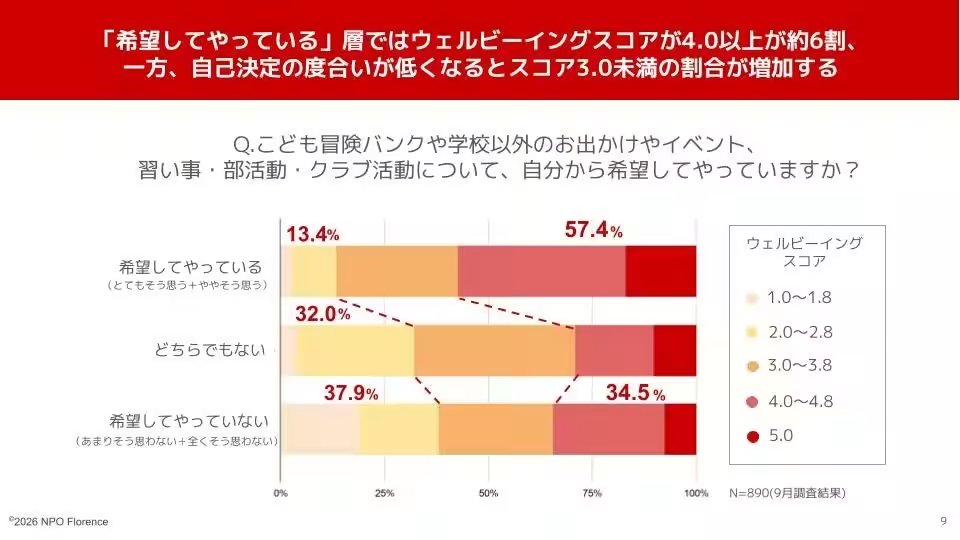
1. Desire to Participate: Approximately 60% of children, who expressed that they wished to participate in activities, had a well-being score of 4.0 or higher (on a scale of 5), compared to those who did not express such a desire, whose scores were significantly lower (1.7 times less likely to score high).
2. Self-Determination Impact: The analysis indicated that as the degree of self-determination decreased—moving to responses of "neither agree nor disagree" or "do not wish to participate"—there was a noticeable increase in the percentage of children scoring below 3.0 in well-being assessments.
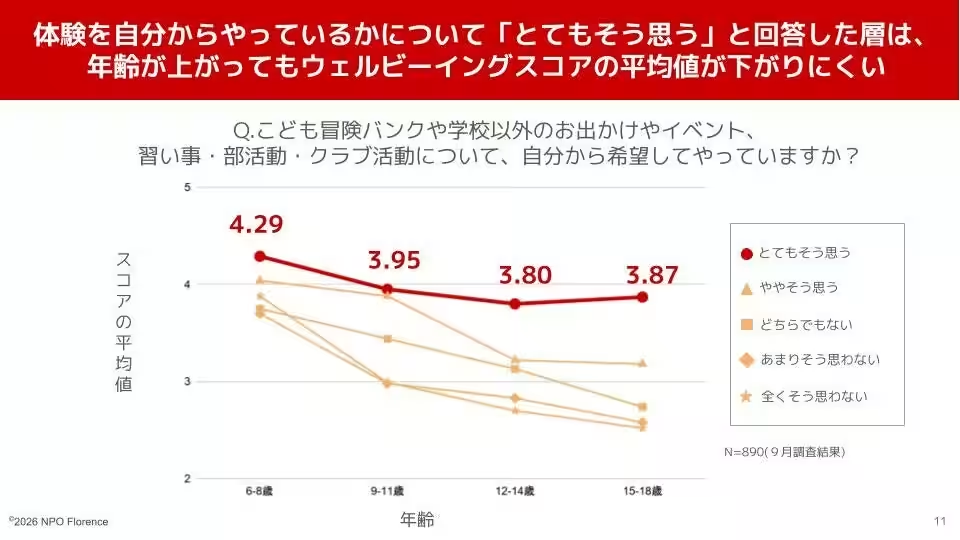
3. Age Implications: Interestingly, while the average well-being score tended to decrease with age, the scores for children who indicated they wished to participate remained stable, even as they grew older.
Discussion on Experience Disparities
The issue of "experience inequality" among children is being increasingly recognized as a social challenge. Despite the heightened interest in the frequency and quality of experiences available to children, this survey emphasizes the essential role that children's autonomy plays in their well-being.
Florence’s Kids’ Adventure Bank provides underprivileged families access to rich experiences that may otherwise be out of reach. Yet, this investigation primarily highlights the importance of children making their own choices regarding these experiences.
Survey Background
The "Well-Being Research for Children and Parents" was conducted in two phases: from late April to May and in September. Children from various homes where economic hardships exist, including single-parent households and families with disabilities, were surveyed. The responses reveal a broader narrative regarding emotions and experiences, suggesting a strong correlation between self-directed participation in activities and positive mental health outcomes.
Well-Being Score Explained
Well-being is defined as a state that encompasses physical, mental, and social health, leading to not just immediate happiness but also long-term life satisfaction and purpose. This definition underlines the importance of shaping a sustainable environment for children, focusing not solely on individual happiness but also on the broader context of community and society.
Self-Determination Trend Among Age Groups
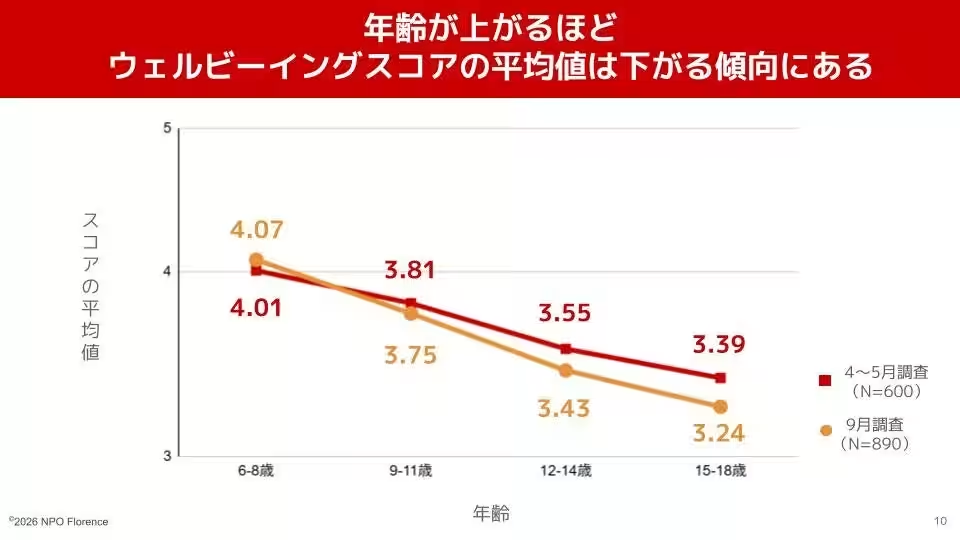
The results revealed that children's well-being scores tend to decline from the ages of 6 to 8 down to 15 to 18 years old, but those who self-reported high wish to engage in activities maintained consistently higher scores than their peers. This distinction showcases that agency and decision-making power significantly buffer against the drops in well-being typically observed as children grow older.
Additionally, even when comparing to the 2025 survey regarding happiness among children in Tokyo, it showed a similar pattern where positive affirmations of happiness decreased with rising grades, while self-determined children remained more resilient in their well-being scores.
Final Remarks
Florence’s Kids' Adventure Bank team emphasizes the need to recognize the dire effects of lost play and decision-making opportunities for children. In a landscape with escalating disparities, creating environments conducive to children's self-determining experiences is essential.
Through this lens, there are calls for collaborative action across sectors—NPOs, government bodies, and corporations—to enhance children’s opportunities for self-selected experiences that foster their growth and well-being. The plight of children today, including increasing isolation and diminished free play underscored by today’s societal changes, requires urgent attention.
The complete results of the survey can be downloaded from Florence's website. Understanding these insights can encourage us all to rethink how we can provide children the chance to choose, explore, and thrive in their formative experiences.

Topics People & Culture)

【About Using Articles】
You can freely use the title and article content by linking to the page where the article is posted.
※ Images cannot be used.
【About Links】
Links are free to use.