



Shadow AI and Governance: Challenges Companies Face in Adopting Next-Gen AI Technologies
Shadow AI and Governance: Challenges Companies Face in Adopting Next-Gen AI Technologies
The rapid advancement of powerful AI technologies such as GPT-4o and Claude Mythos has brought significant changes to the business landscape. However, many organizations are finding it difficult to keep pace with these advancements in terms of governance and regulations. A recent survey conducted by ISO Pro, a Tokyo-based firm, revealed alarming trends regarding the prevalence of "shadow AI"—the unauthorized use of AI tools by employees without company approval.
Understanding the Rise of Shadow AI
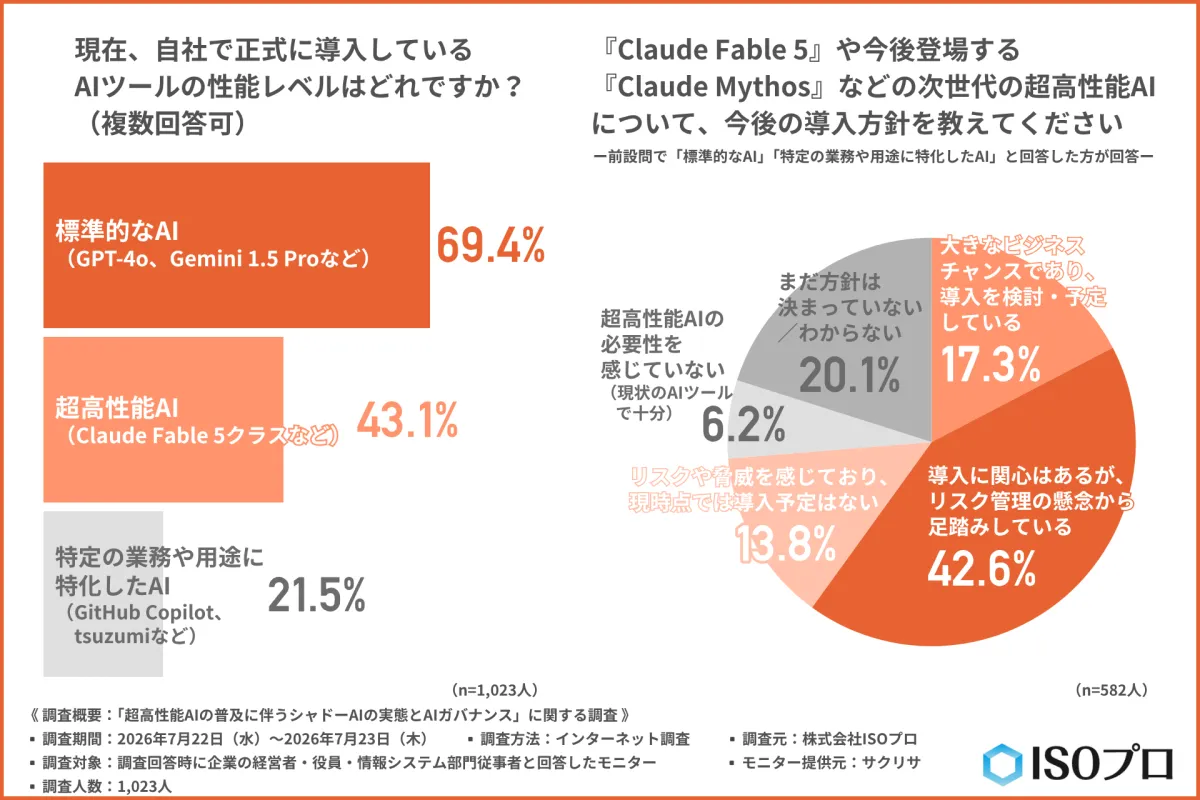
The findings indicate that nearly 70% of companies have implemented standard AI tools, while around 40% are utilizing advanced AI technologies. This suggests that AI is firmly taking root in business operations. Yet, as organizations strive to harness the undeniable efficiency of these AI tools, they often lag behind in establishing clear usage guidelines, creating a breeding ground for shadow AI practices that could lead to data breaches and other severe risks.
The Need for Effective AI Governance
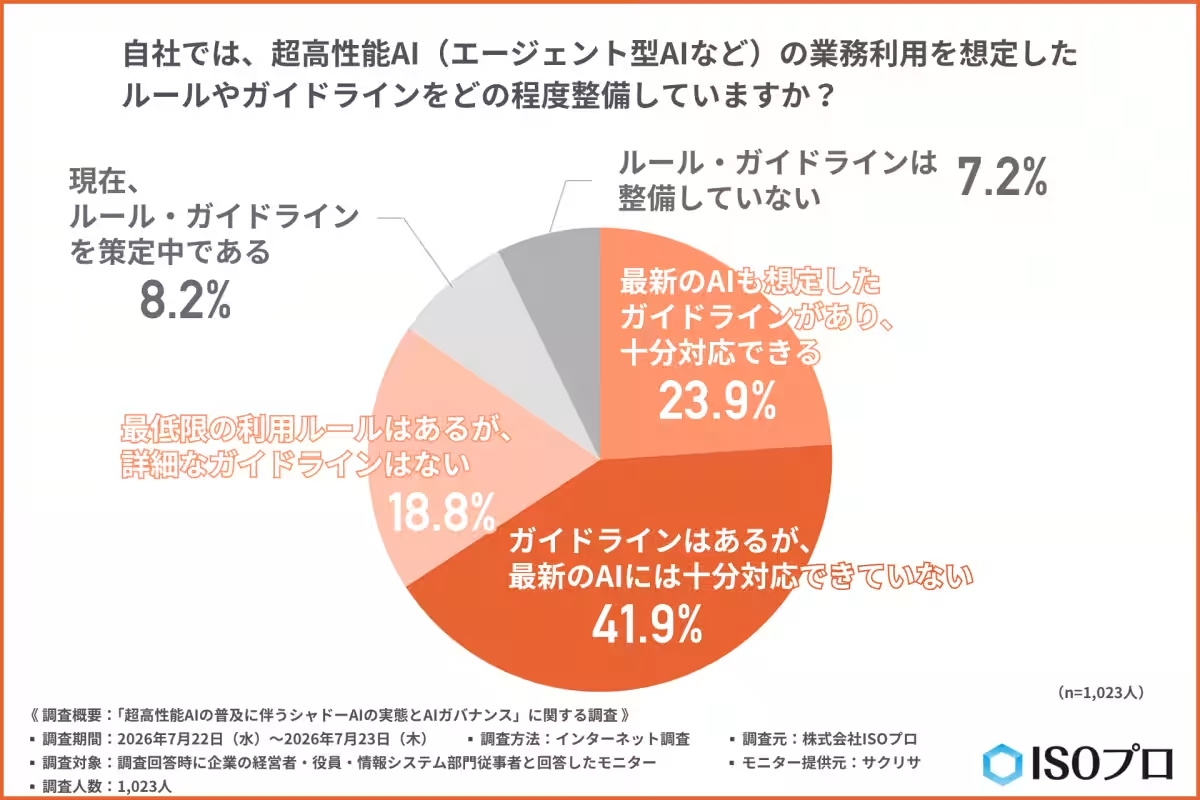
The survey posed the question of how many organizations are aware of the risks associated with shadow AI and whether they are preparing to create a robust AI governance structure. The results were concerning: only about 25% of organizations feel they have sufficient guidelines in place for the latest AI technologies, while nearly 70% express concerns regarding their ability to manage and mitigate risks effectively.
In light of these findings, many businesses recognize the potential of ultra-high-performance AI and see it as a significant business opportunity. However, nearly 43% of respondents indicated hesitation due to concerns over risk management, suggesting that these worries are hindering adoption despite evident enthusiasm for advancements.
Benefits and Risks of Advanced AI
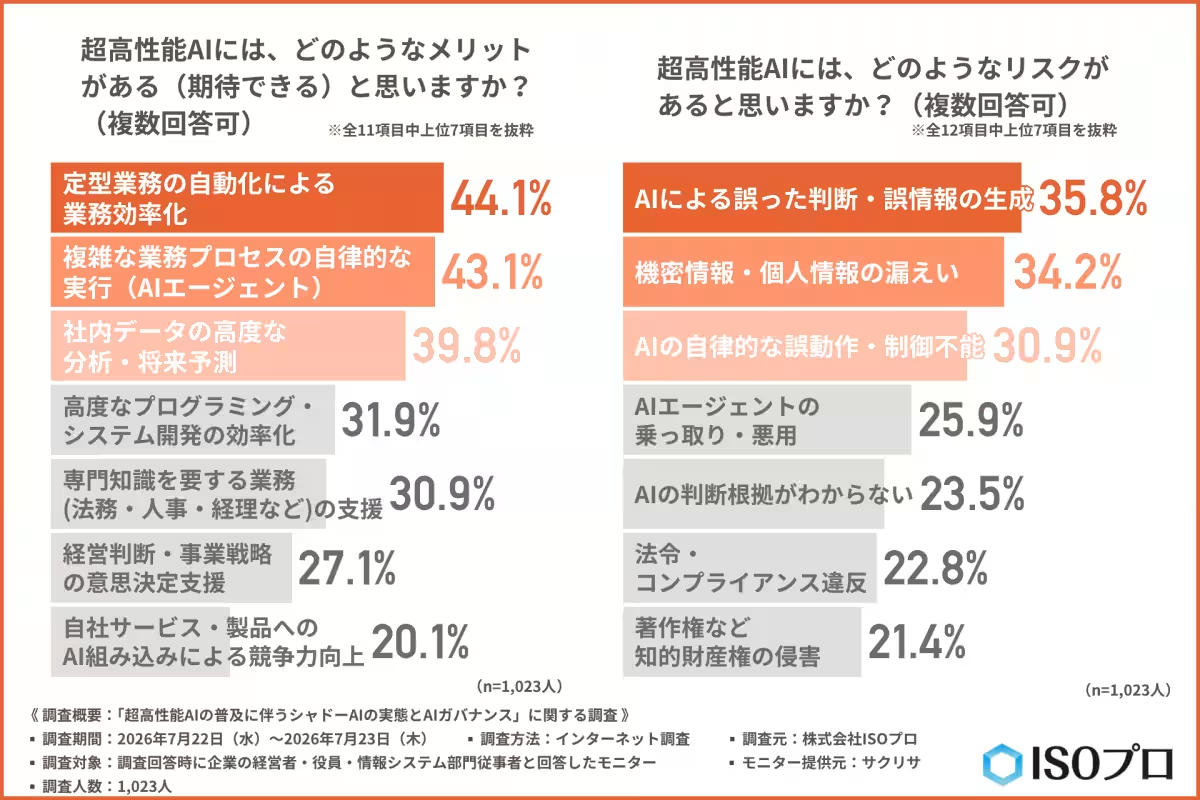
When asked about the expected benefits of high-performance AI, respondents highlighted automation of routine tasks, independent execution of complex processes, and advanced data analysis. However, concerns about the risks posed by these AI systems, including erroneous decision-making, data leaks, and autonomous misbehavior, were top of mind for many organizations.
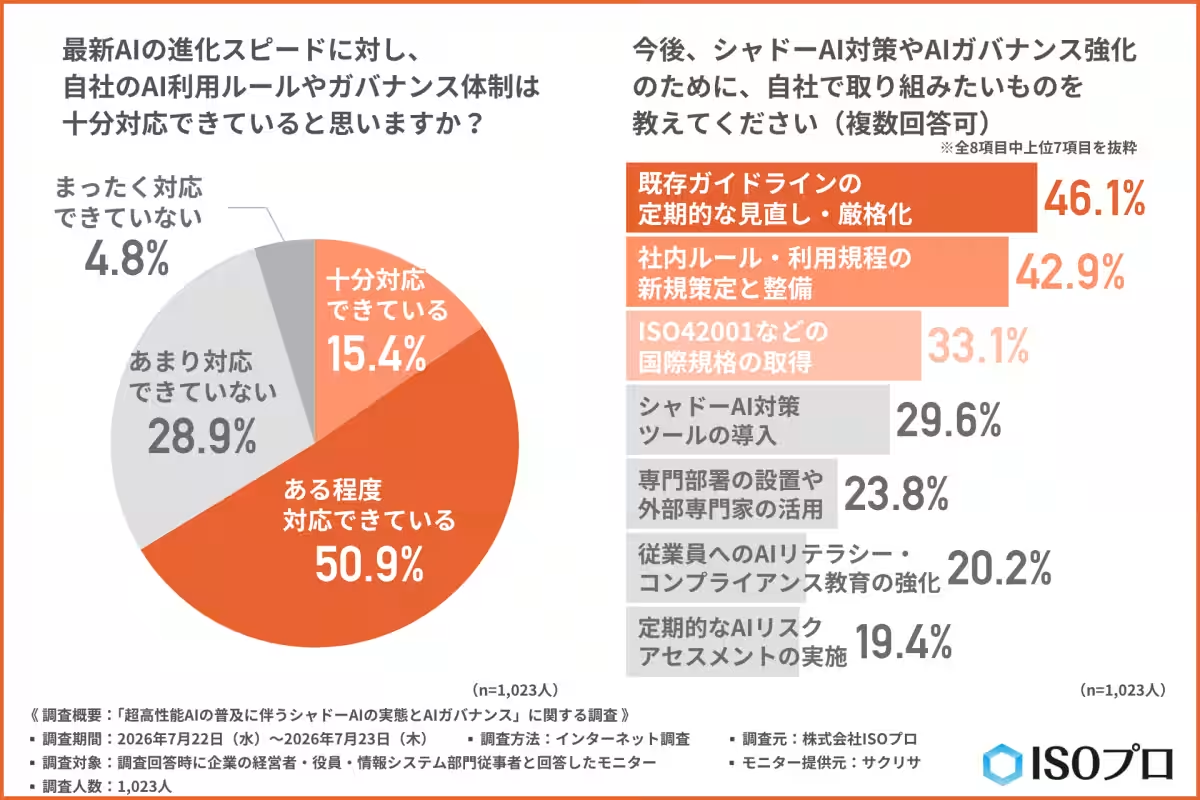
As companies grapple with these risks, they are realizing the importance of establishing governance frameworks that can keep pace with the rapid evolution of AI technologies. The survey revealed that while many firms have some guidelines in place, the majority lack sufficient detail to address the complexities introduced by new AI models.
The Dynamics of Employee AI Usage
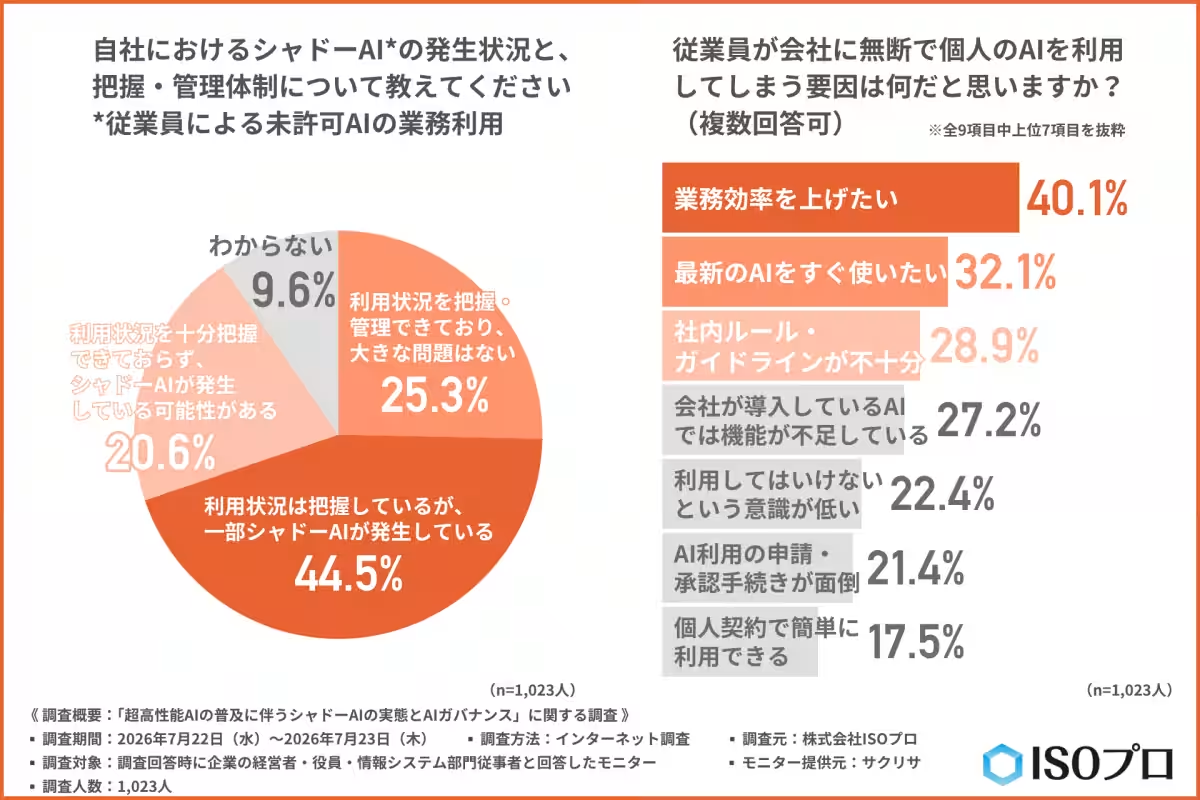
A critical area of concern arises from the motivations behind employee use of shadow AI. The top reasons reported for using unapproved AI tools included a desire to enhance operational efficiency and immediate access to advanced technologies, highlighting a significant gap between employee needs and organizational governance.
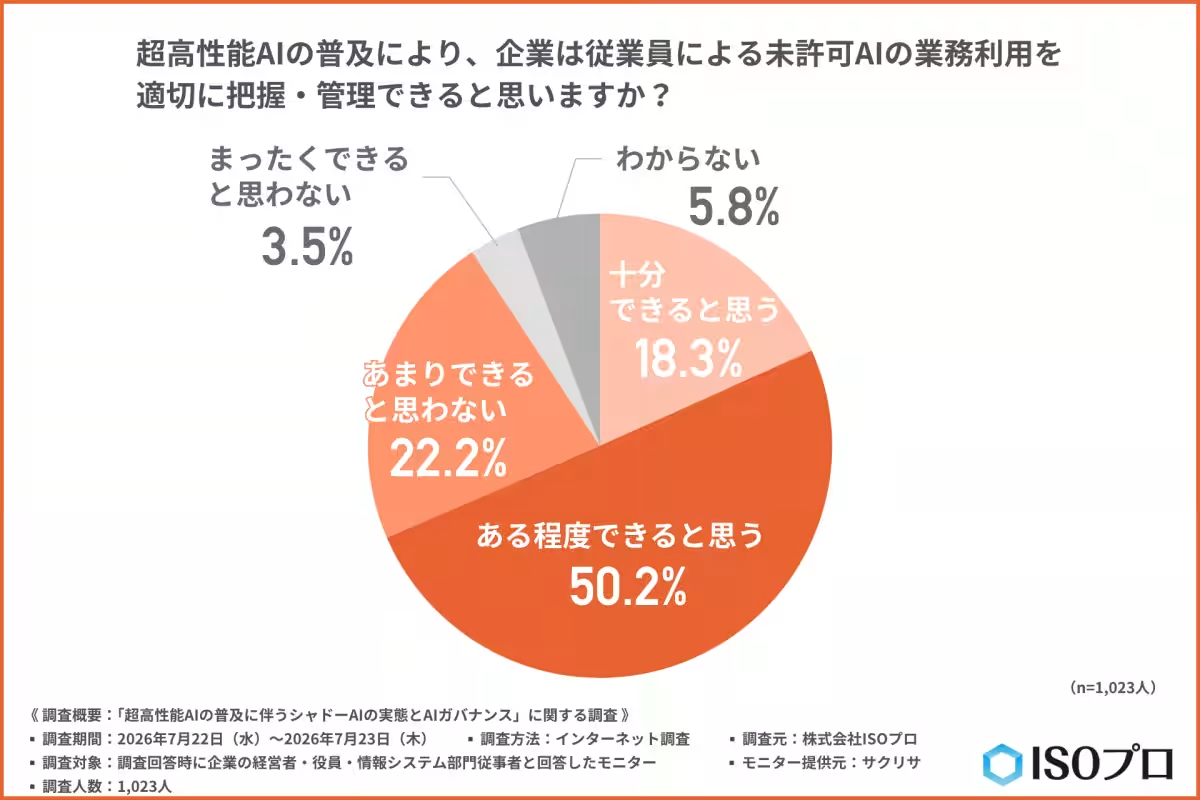
Interestingly, about 70% of survey participants still believe that their organizations can adequately monitor and manage unauthorized AI usage. However, the answers also revealed an ongoing struggle; while they recognize usage patterns, companies are still unable to fully prevent unauthorized practices.
Moving Forward: Strategies for Improvement
To address the challenges of shadow AI, many firms are focusing on revising and strengthening existing guidelines. Approximately 46% of respondents expressed the need for regular reviews and updates to their rules, while about 33% showed an interest in obtaining certifications for international standards such as ISO 42001, which pertains to AI management systems.
These findings underscore a growing awareness among organizations of the necessity to shift from mere surveillance of AI usage to creating environments where employees can safely leverage new technologies. This approach entails fostering a culture that encourages innovation while maintaining robust controls to prevent unauthorized use.
Conclusion: Bridging the Gap Between Technology and Governance
The evolution of AI is undeniably reshaping industries, yet it also exposes gaps in governance that must be addressed. Organizations face dual challenges: reinforcing their operational framework and fostering a culture of safety regarding AI deployment. The development of credible governance frameworks, as highlighted by the increasing interests in ISO certification, is essential to harness the power of AI while safeguarding against the risks associated with shadow AI practices. As companies navigate the complexities of adopting next-generation AI technologies, the call for an effective and comprehensive governance infrastructure has never been more critical.
For companies aiming to implement sound AI governance strategies, the ISO Pro platform provides support for acquiring and maintaining ISO certifications, including those relevant to AI management systems.

Topics Business Technology)
【About Using Articles】
You can freely use the title and article content by linking to the page where the article is posted.
※ Images cannot be used.
【About Links】
Links are free to use.