



The Call for Support from Fukushima's Nuclear Disaster Affected Regions
Exploring the Needs of Fukushima's Nuclear Disaster Communities
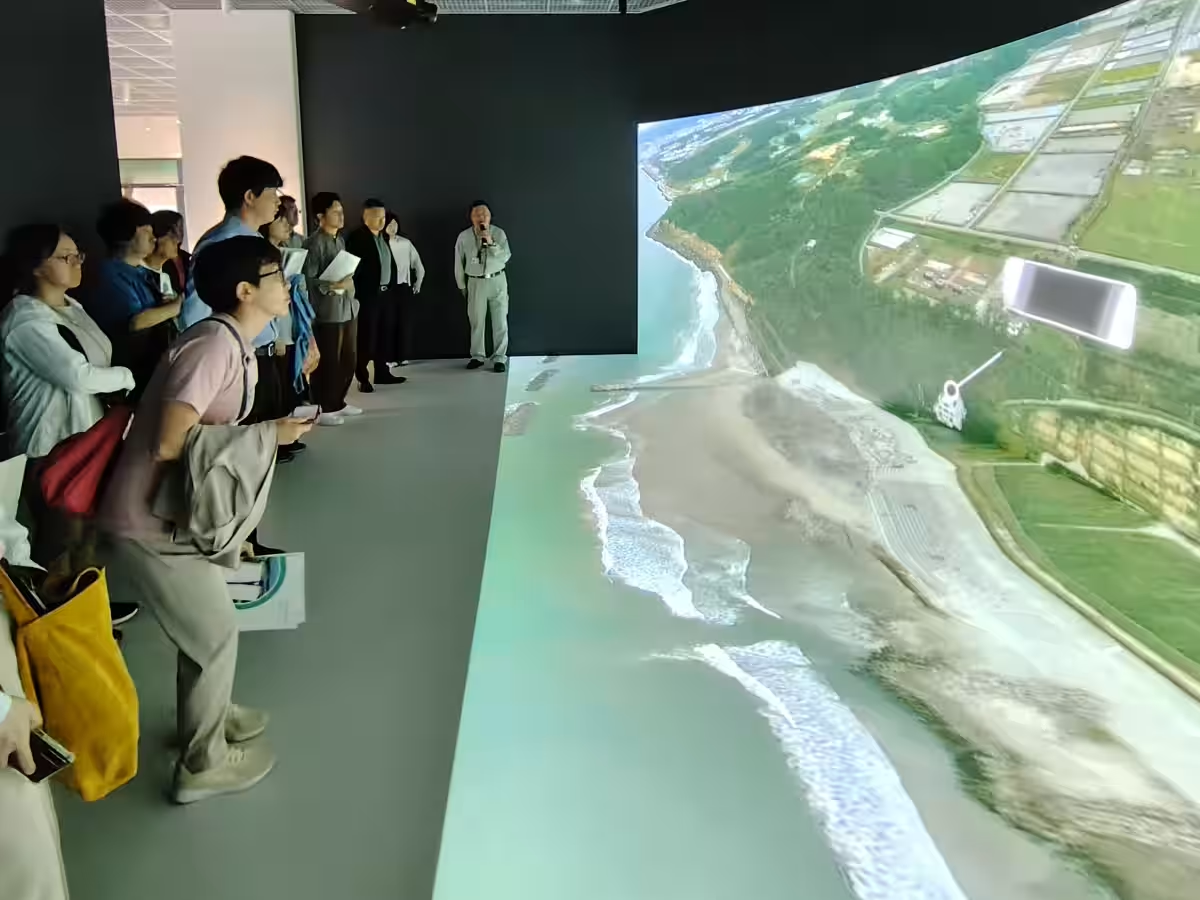
On June 6th, 2026, representatives from the Pal System Union, including a group of 24 staff members, conducted an inspection of the areas affected by the nuclear disaster in Fukushima Prefecture. The objective was to gain firsthand insights into the challenges faced by the local population in Ōkuma and Futaba towns and to deliberate on future support for the victims.
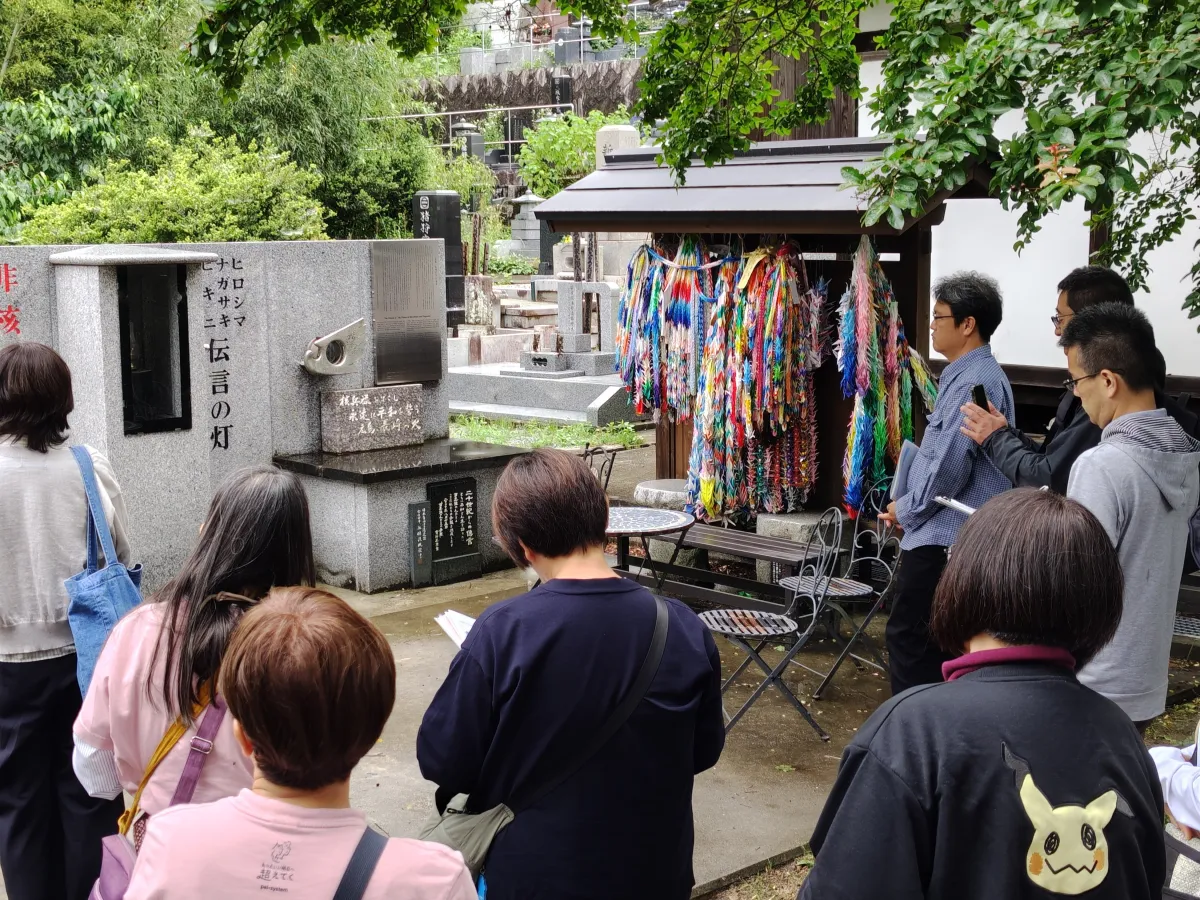
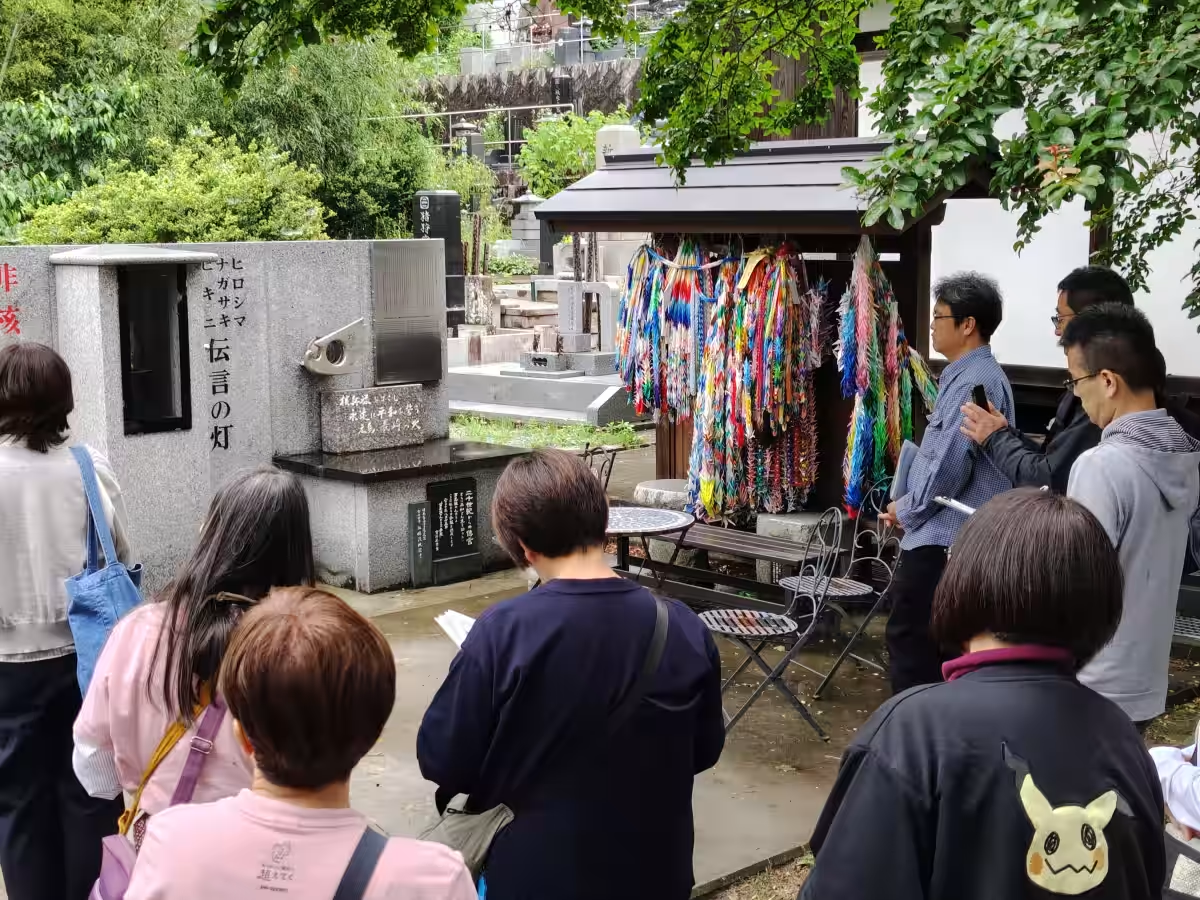
As part of the "Peace and Community Activities Committee," the group visited key sites, including the "CREVA Ōkuma" industry exchange facility and the "Hiroshima-Nagasaki-Bikini-Fukushima Message Hall" in Naraha. These sites offered a deep dive into the current state of the affected areas and the persistent struggles that remain 15 years after the incident.
At CREVA Ōkuma, both local residents and facility operators provided reports on the interim storage site for decontamination soil that emerged following the nuclear disaster. This facility spans an area approximately equivalent to the city of Shibuya in Tokyo, surrounding the Tokyo Electric Power Company's Fukushima Daiichi Nuclear Power Plant.
Personal Stories from the Community
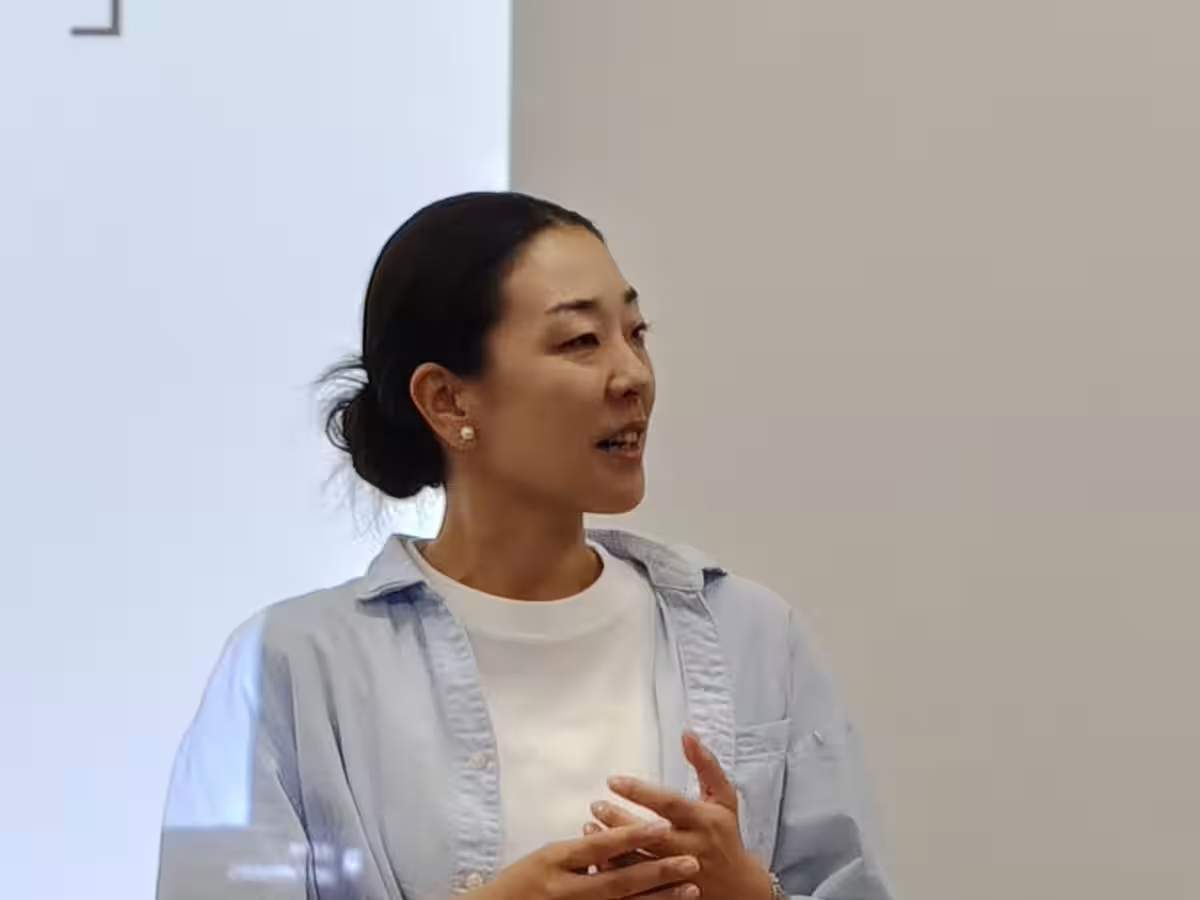
During the visit, community members voiced their feelings regarding the traumatic dislocation caused by the disaster. Hideaki Matsunaga, a landowner who provided land for the interim storage facility, shared the loneliness he felt due to the evacuation. He expressed that local relationships have fragmented, with many neighbors now out of touch. "Even now, I struggle to come to terms with my decision to provide land for the facility," he said.
Aki Sato, who relocated to Ōkuma after marriage, revealed that her motivation to move stemmed partly from her anger over the disaster. She explained her current commitment to preserving the community's way of life through agriculture and supporting local cultural initiatives such as the preservation of traditional performances like the Kumagawa Shikoma dance. Both Matsunaga and Sato echoed the sentiment, stating they felt truly grateful when visitors came to see them, even if just to listen and share experiences.
Challenges of the Interim Storage Facility
Further insights were gathered during discussions at the "Interim Storage Project Information Center", operated by JESCO, which oversees waste management. The facility has consolidated soils and wastes generated from decontamination efforts across Fukushima. Reports suggested that the quantity of decontaminated soil received is equivalent to 11 Tokyo Domes, with 75% of this being treated and classified as "restoration soil", while 25% will be disposed of outside the prefecture.
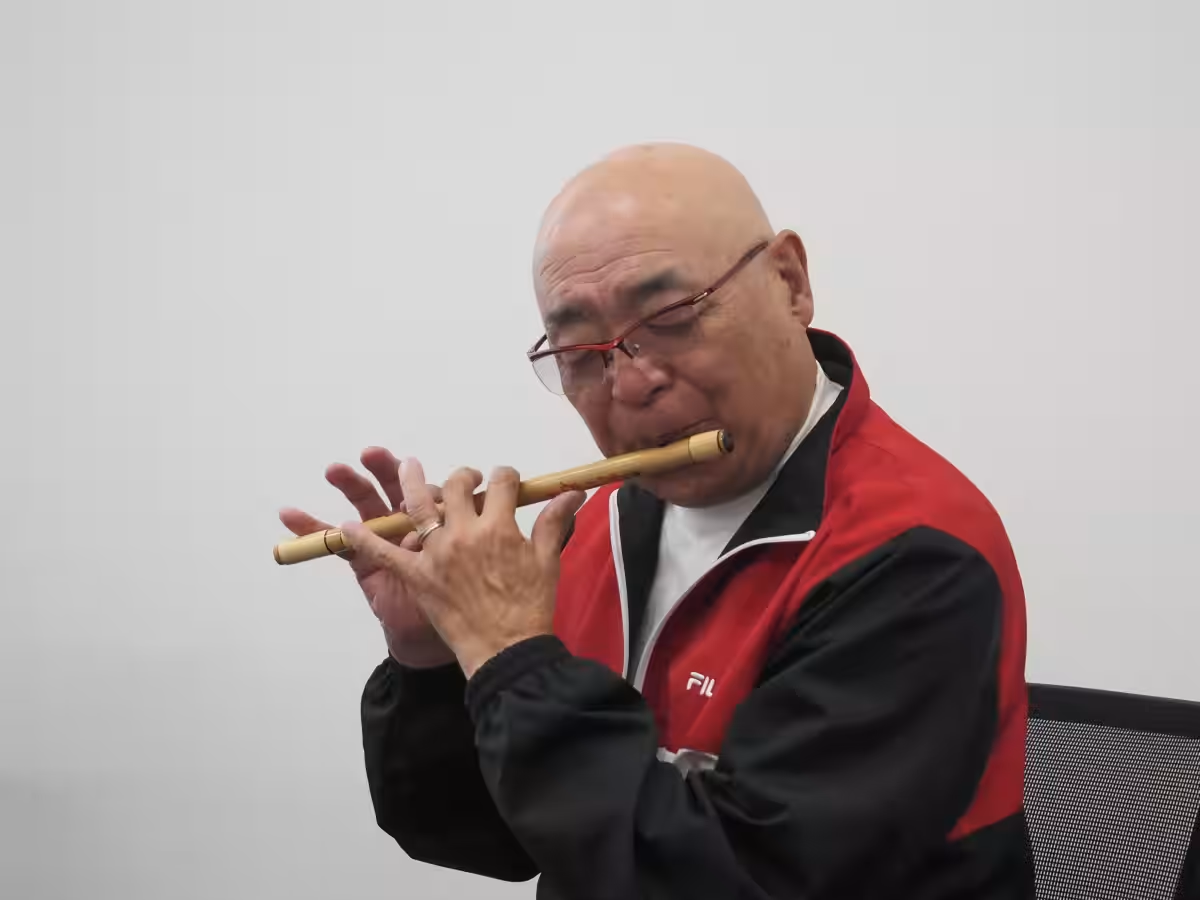
Matsunaga's hope is to share positive messages about visits to Ōkuma with those unable to return to their hometowns. A poignant moment occurred when he demonstrated his flute skills upon Sato's encouragement, showcasing the resilience of local culture amidst adversity.
Remembering the Past for Future Awareness
At the Hiroshima-Nagasaki-Bikini-Fukushima Message Hall, participants learned about the history behind nuclear power installation and the current aftermath of the disaster, as explained by director Sugie Tanji. Alarmingly, the population residing in areas where evacuation orders have been lifted stands at only 20% of pre-disaster levels, with school enrollment far less than 10%.
Tanji emphasized the socio-economic impacts of disaster preparedness and reconstruction efforts, declaring that nuclear power and weapons fundamentally promote high costs while disregarding human life and well-being. Participants engaged with exhibits, including the "Non-Nuclear Flame," a legacy piece formerly known as the "Atomic Bomb Flame", fostering a deeper connection to history.
Conclusion
The visit by the Pal System Union to Fukushima's disaster-stricken regions illuminated the ongoing struggles of the residents fifteen years post-accident. Their stories reflect resilience, hope, and a demand for continued support and recognition of the challenges they face. As the conversation about nuclear power continues, it’s imperative to remember the human stories behind the statistics, ensuring that the needs and voices of the Fukushima community remain heard and addressed.
For more information about the Pal System Union and their initiatives, visit their official website.
Topics Policy & Public Interest)
【About Using Articles】
You can freely use the title and article content by linking to the page where the article is posted.
※ Images cannot be used.
【About Links】
Links are free to use.