




Diversity and Inclusion in the Workplace: Insights from a 2025 Survey
Understanding the Current State of Diversity and Inclusion in Workplaces: 2025 Survey Insights
In May 2025, Re-Current Inc. conducted a comprehensive survey focusing on workplace diversity and inclusion (D&I) involving 420 employees nationwide. The findings reveal a concerning trend regarding how diversity is perceived and embraced in various organizations.
Key Findings
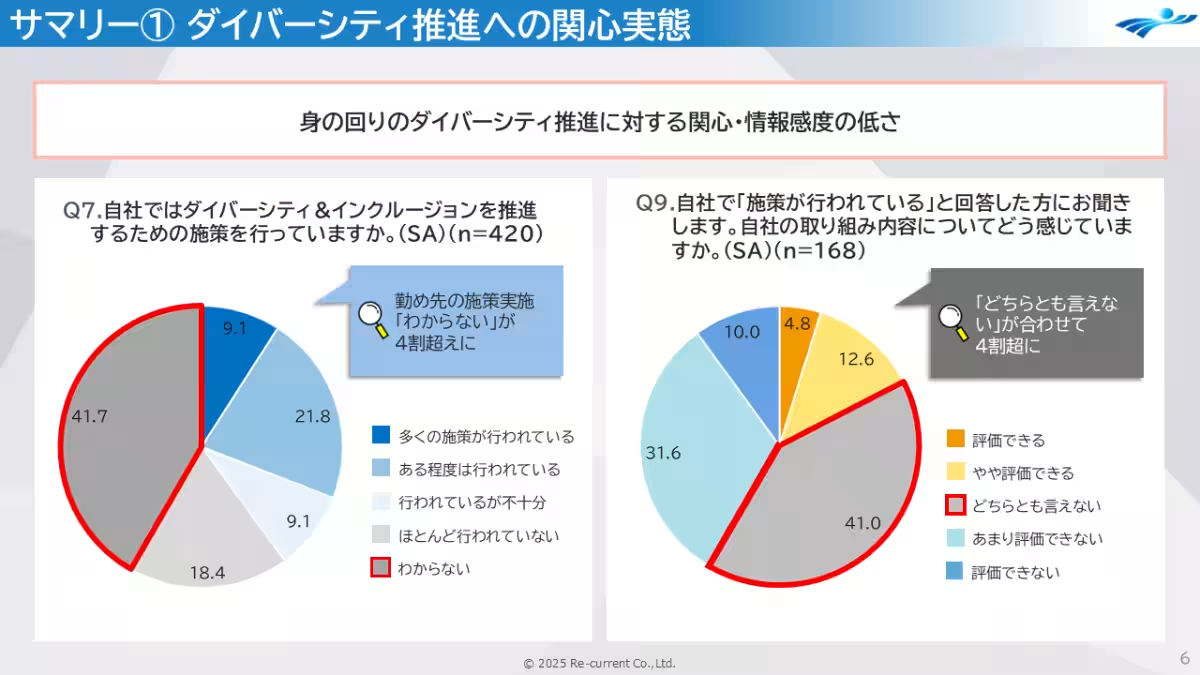
1. Awareness of D&I Initiatives: A staggering 41.8% of respondents were uncertain whether their companies had implemented any D&I initiatives, signaling a significant gap in awareness. Those who acknowledged the presence of such initiatives expressed ambivalence, with 41.0% indicating they felt neutral about their effectiveness.
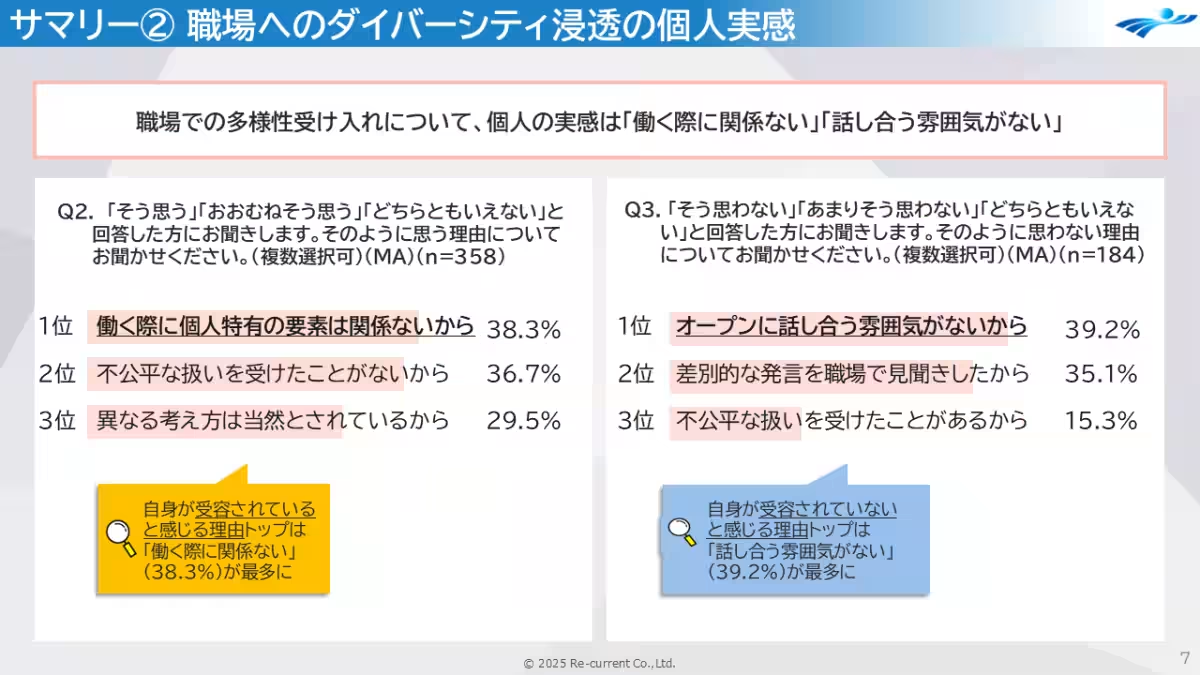
2. Perception of Acceptance: When asked about their personal experiences regarding acceptance of diverse backgrounds at work, responses indicated a troubling lack of engagement. The majority noted that discussions surrounding diversity were either irrelevant to their work or absent entirely.
In-Depth Analysis of Survey Results
1. Lack of Awareness
Among the survey respondents, the predominant sentiment was confusion over the existence and implementation of D&I initiatives within their companies. The consultation revealed that a notable proportion of employees (over 41%) reported being unaware of any active programs. This indicates a crucial need for companies to communicate their diversity policies effectively and transparently.
2. Mixed Feelings Towards Initiatives
For those who recognized that D&I efforts were in place, many expressed uncertainty about their impact, as evidenced by the significant number marking ‘neutral’ when asked to evaluate the initiatives. This skepticism presents a critical area for growth. It highlights the necessity for organizations to convey the tangible benefits and outcomes expected from D&I programs.
3. Acceptance at a Personal Level
In terms of personal feelings towards workplace acceptance of diverse backgrounds, 32.3% believed they were generally accepted, while 29.0% felt neutral. The dichotomy here is noteworthy: some respondents believed their attributes (e.g., gender, nationality) held no relevance to their work environment, while others felt a distinct absence of openness in discussing diversity, indicating systemic issues in communication and inclusion practices.
The Implications of the Findings
The survey results suggest that while many companies claim to be prioritizing D&I, there remains a considerable divide between policy and practice. The fact that a significant number of employees feel that their backgrounds are irrelevant to their work might seem positive at first glance. However, it ignores the potential challenges faced by underrepresented groups who may find it difficult to navigate an environment that subtly discourages open discussion of diversity-related issues.
One critical observation is that those who feel accepted may be in the majority and represent a less diverse perspective, while voices of minority groups may remain unheard within the current organizational frameworks. The feedback underlines a stark recommendation for organizations to evaluate not only the existence of D&I policies but their effectiveness and reach at every level.
Recommendations for Organizations
To move towards a truly inclusive work environment, organizations must revisit their D&I strategies with a commitment to transparency and engagement. Here are several actionable insights derived from the survey:
- - Enhance Communication: Clear and ongoing communication regarding D&I programs is essential. Regularly update employees about initiatives and progress to build a more inclusive atmosphere.
- - Encourage Open Dialogue: Foster an organizational culture that emphasizes open conversations about diversity. This could include workshops, discussion groups, or dedicated forums to discuss D&I topics.
- - Evaluate and Adapt: Organizations must not be complacent once initiatives are in place. Continuous evaluation of program effectiveness through feedback mechanisms can help adapt strategies to meet employee needs better.
- - Inclusivity Training: Consider offering training sessions focused on fostering inclusivity, emphasizing the importance of understanding different backgrounds and perspectives.
Conclusion
The findings from this survey provide profound insights into the current state of D&I practices within workplaces. While steps are being made towards fostering a more diverse work environment, significant improvements in awareness, acceptance, and communication are crucial for true inclusivity. In a rapidly changing workplace landscape, the urgency to address these aspects cannot be overstated.
For further details on the survey and D&I initiatives, you can access the full report and explore insights provided by Re-Current, a prominent HR company committed to fostering a more inclusive employment landscape.

Topics People & Culture)


【About Using Articles】
You can freely use the title and article content by linking to the page where the article is posted.
※ Images cannot be used.
【About Links】
Links are free to use.