



Innovative AI Solutions Co-Developed to Tackle Manufacturing Challenges
Innovative AI Solutions Co-Developed to Tackle Manufacturing Challenges
In a groundbreaking initiative, Sapeet, a Tokyo-based company, is collaborating with Sunnet from Hiroshima to address critical challenges faced by the manufacturing sector. The contemporary manufacturing landscape is grappling with various structural issues, including labor shortages, the transfer of skills from aging workers, and the cultural and linguistic diversity of a multicultural workforce. Recognizing that these challenges significantly hinder operational efficiency, the two companies have embarked on the joint development of an innovative AI solution aimed at effectively bridging these gaps.
Background and Challenges
Manufacturing in Japan is experiencing a crisis as seasoned professionals retire and the younger workforce lacks the experience needed to seamlessly take over. Additionally, the constant influx of workers from different cultural and linguistic backgrounds complicates workplace interactions. Although daily reports and work records are produced, they often remain underutilized due to outdated methods like Excel spreadsheets. These issues create a significant burden for workers, obscuring valuable knowledge that could improve operational processes.
Conversely, despite the increasing expectations for AI technology to solve these issues, many manufacturing operations encounter obstacles to successful implementation. Common criticisms of past AI deployments include a lack of integration into daily workflows and projects that stall at the proof of concept stage without delivering tangible results. Addressing these concerns, the newly developed AI aims to naturally integrate into existing operations without relying heavily on individual effort. This approach seeks to reduce administrative burdens on both operational staff and managers while fostering a circular data-use model that contributes to the AI's growth.
Implementing AI Starting with Daily Reports
To leverage the knowledge generated from the shop floor, the project has made the digitization of daily reports a starting point for AI implementation. Daily reports are integral to the routine activities of manufacturing personnel, making them a practical entry point for seamless AI integration. By simplifying the reporting process, companies can encourage continuous use and the accumulation of valuable data.
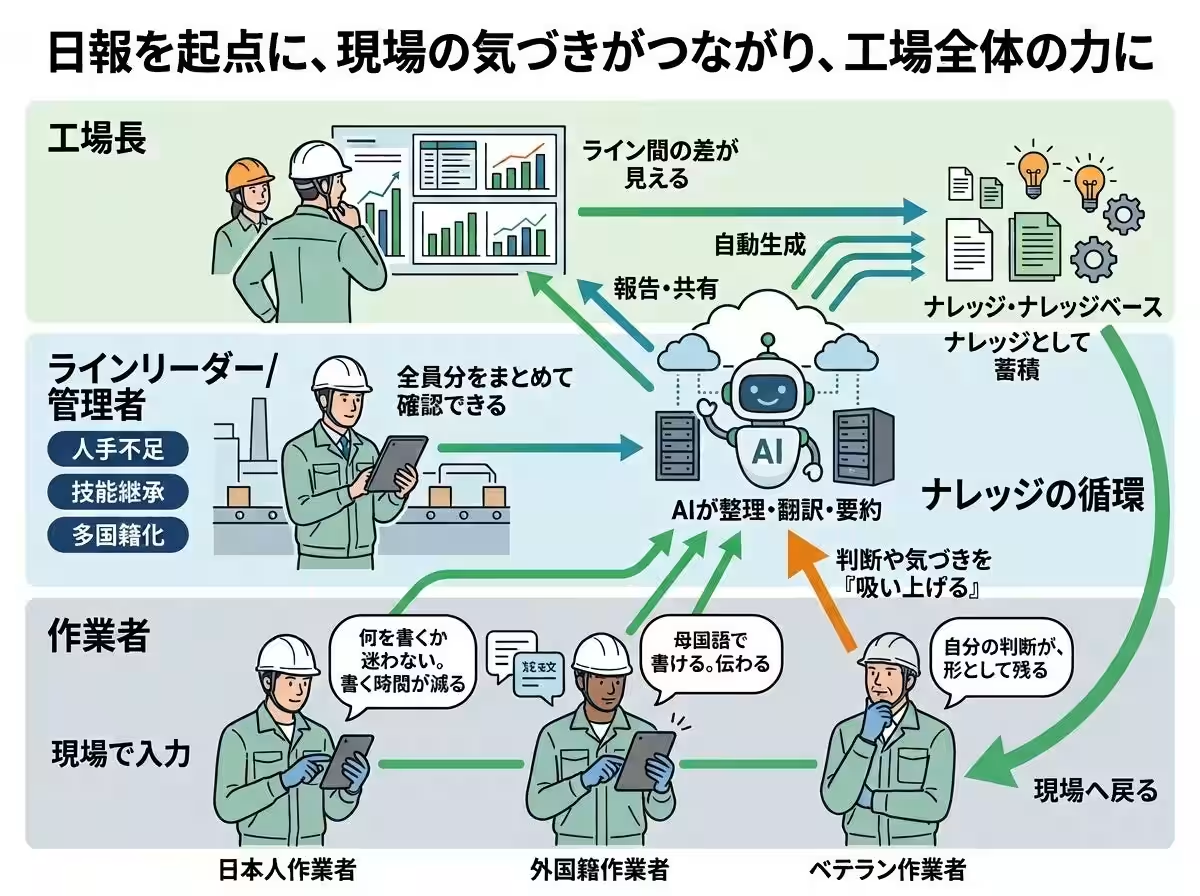
The proposed AI solution supports multiple input methods, including voice and multilingual options, enabling workers of all backgrounds—whether experienced veterans, newcomers, or international employees—to document high-quality records with minimal strain. This not only establishes a more conducive environment for accurate data collection but also lays the foundation for transforming this data into actionable knowledge for future decision-making.
Enhancing Job Experiences with AI
This innovative approach tailors AI interaction according to the specific roles and responsibilities of each worker:
1. Assisting Young Workers with Structured Input: To support young workers struggling with what to include in their reports, the AI will suggest relevant fields and perspectives, enabling them to better organize their thoughts and observations.
2. Supporting International Workers in Their Native Languages: By allowing non-native speakers to record their thoughts in their own language, the solution aims to eliminate issues relating to language barriers and inconsistent information transfer.
3. Extracting Insights from Veteran Workers: Recognizing the invaluable insights veteran workers possess regarding troubleshooting and operational efficiencies, the AI seeks to systematize and document their knowledge for broader use.
4. Facilitating Review by Team Leaders and Managers: Managers will benefit from reviewing daily reports, adding comments and insights, and ensuring that recorded knowledge is shared and utilized across the organization.
5. Streamlining Overall Factory Operations: This solution also aims to equip factory managers with the tools needed to assess and standardize operations, ultimately enhancing productivity and sustaining operational viability.
6. Ensuring Effective Reporting of Incidents: A separate avenue for immediate communication will be established to report critical incidents and insights, guarding against the potential loss of vital information.
Future Developments
Looking ahead, the team anticipates launching this AI solution tailored to the practical needs of manufacturing environments by autumn 2026. This initiative does not target solely advanced firms but aims to be a viable product for mid-sized companies grappling with labor shortages, skill retention issues, and the inclusion of diverse workforces.
By promoting an AI solution that facilitates not just document creation but also comprehensive data management, the hope is to nurture an AI system that evolves, learns, and becomes integral within manufacturing processes. Ultimately, Sapeet and Sunnet aspire for their endeavors to democratize AI technology, transforming it from a luxury of cutting-edge corporations to an accessible tool that addresses the everyday challenges faced by the manufacturing industry.
Topics Consumer Technology)
【About Using Articles】
You can freely use the title and article content by linking to the page where the article is posted.
※ Images cannot be used.
【About Links】
Links are free to use.