



Awareness and Treatment of Ota's Nevus: A Study on PSRs and Laser Therapy
Understanding Ota's Nevus: Study Insights and Treatment Options
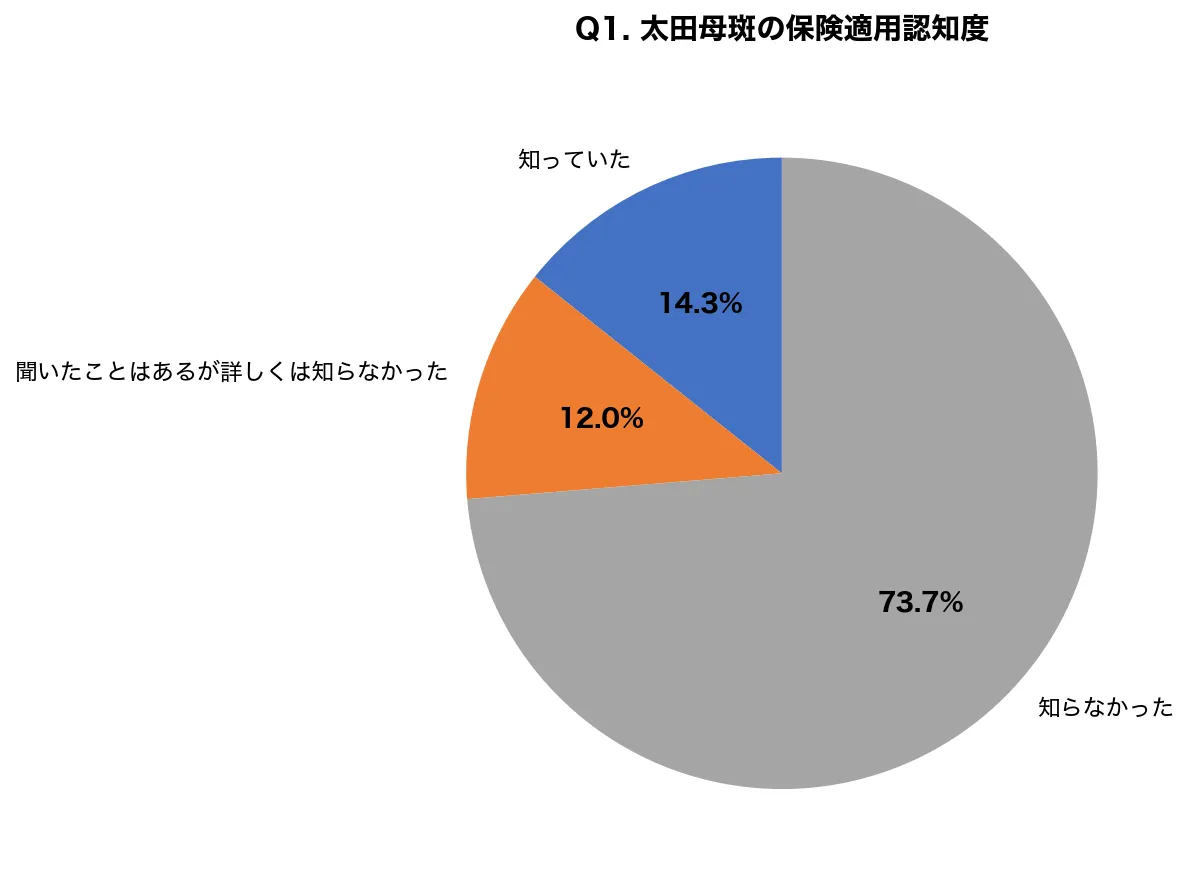
Ota's Nevus, characterized by blue-grey to brownish discoloration on the face, particularly around the eyes, cheeks, and forehead, remains largely misunderstood. A recent awareness survey conducted by the I.C. Clinic in Tokyo highlights staggering gaps in public knowledge regarding this skin condition, its treatment options, and the availability of health insurance coverage. The results indicate that 73.7% of respondents were not aware that Q-Switched laser therapy for Ota's Nevus is covered by health insurance.
Key Findings from the Study
The survey collected responses from 300 people aged between 20 and 60 years across Japan who reported experiences with facial discoloration. Noteworthy points from the findings include:
1. Insurance Awareness: Only a small fraction, 26.3%, were informed that laser treatment for Ota's Nevus is insurance-covered. This lack of awareness might prevent individuals from seeking necessary treatment, fearing high costs.
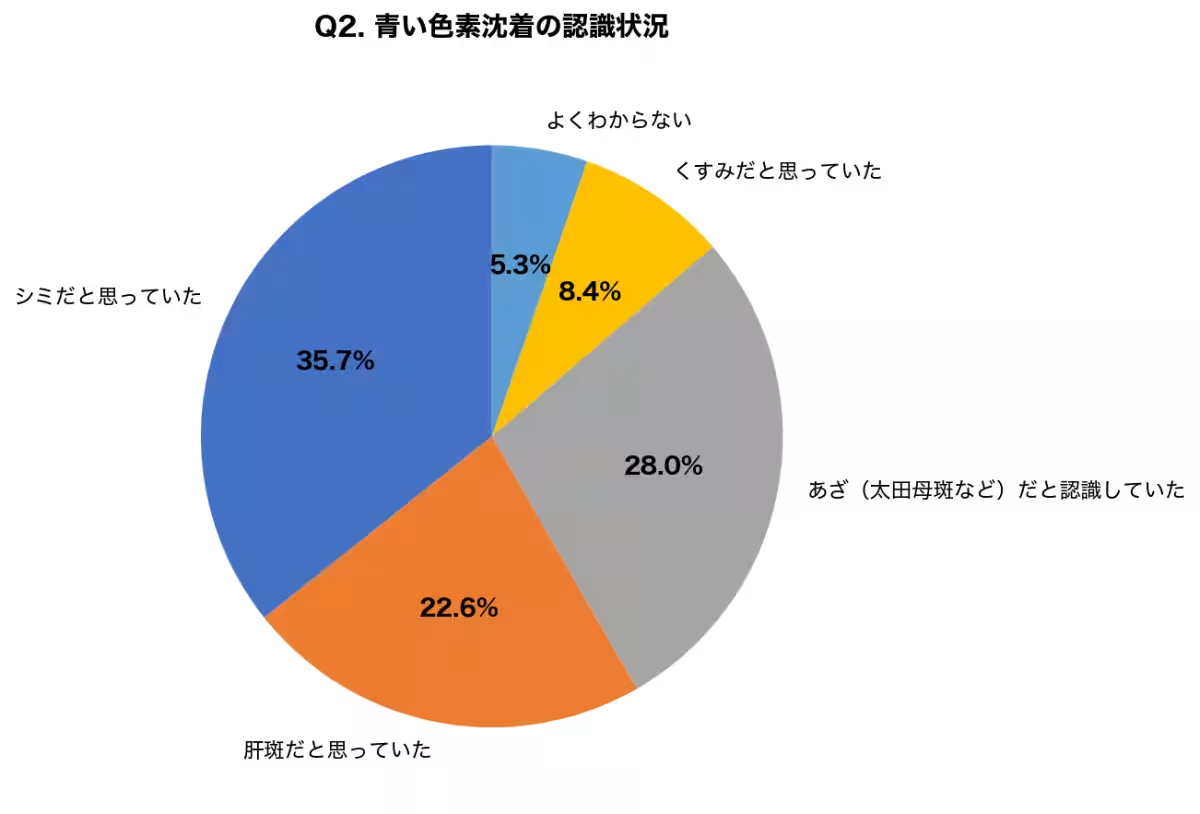
2. Misunderstanding the Condition: About 58.3% of participants mistook the blue lesions for common age spots or melasma, leading to inappropriate treatments that often yielded no results.
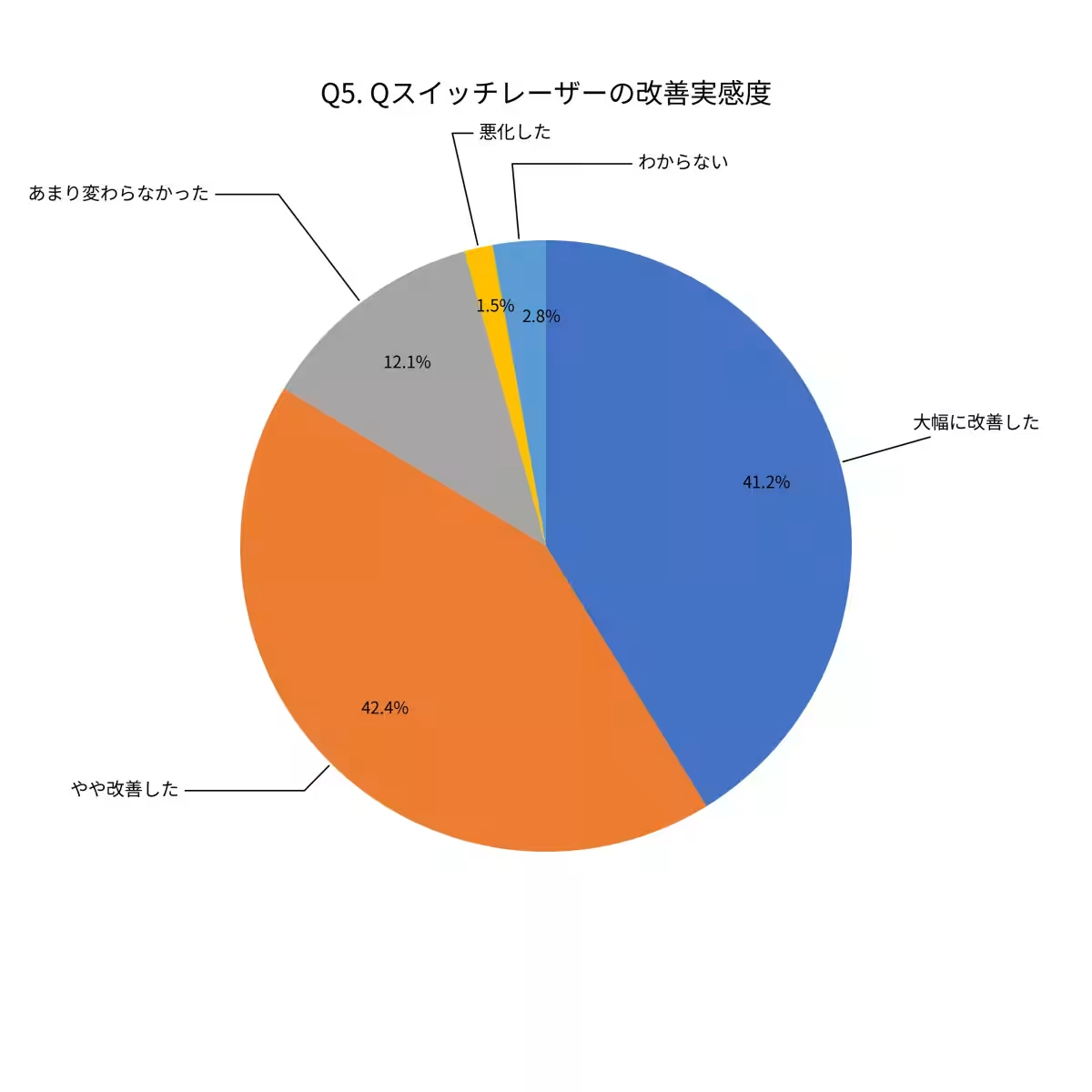
3. Improvement After Treatment: An encouraging 83.6% of those who underwent Q-Switched laser treatment reported significant improvements in their skin condition.
What is Ota's Nevus?
Ota's Nevus, also known as congenital dermal melanocytosis, typically presents at birth or during puberty and is characterized by the presence of melanocytes (pigment cells) in the dermal layer of the skin. The condition primarily affects individuals of Asian descent, including many Japanese.
In contrast, acquired dermal melanocytosis (ADM) appears later in life, usually between the ages of 20 and 40, with similarly located bluish-grey or brown spots that can easily be confused with melasma or age spots.
The Role of Q-Switched Laser Therapy
Q-Switched laser is a medical device that emits short bursts of laser energy, specifically targeting melanin without damaging surrounding tissues. It has shown high efficacy in treating deep-set discoloration inherent in Ota's Nevus and ADM. As indicated by the survey results, a staggering 83.6% of respondents who have undergone this treatment noted palpable improvements in their complexion, underscoring the laser's effectiveness when performed by a trained professional.
The procedure is generally recommended to be conducted over multiple sessions, with an average of 5-10 treatments required for optimal results. Patients often see a success rate of 70-90% improvement in pigmentation after consistent treatments.
Disparities in Public Awareness
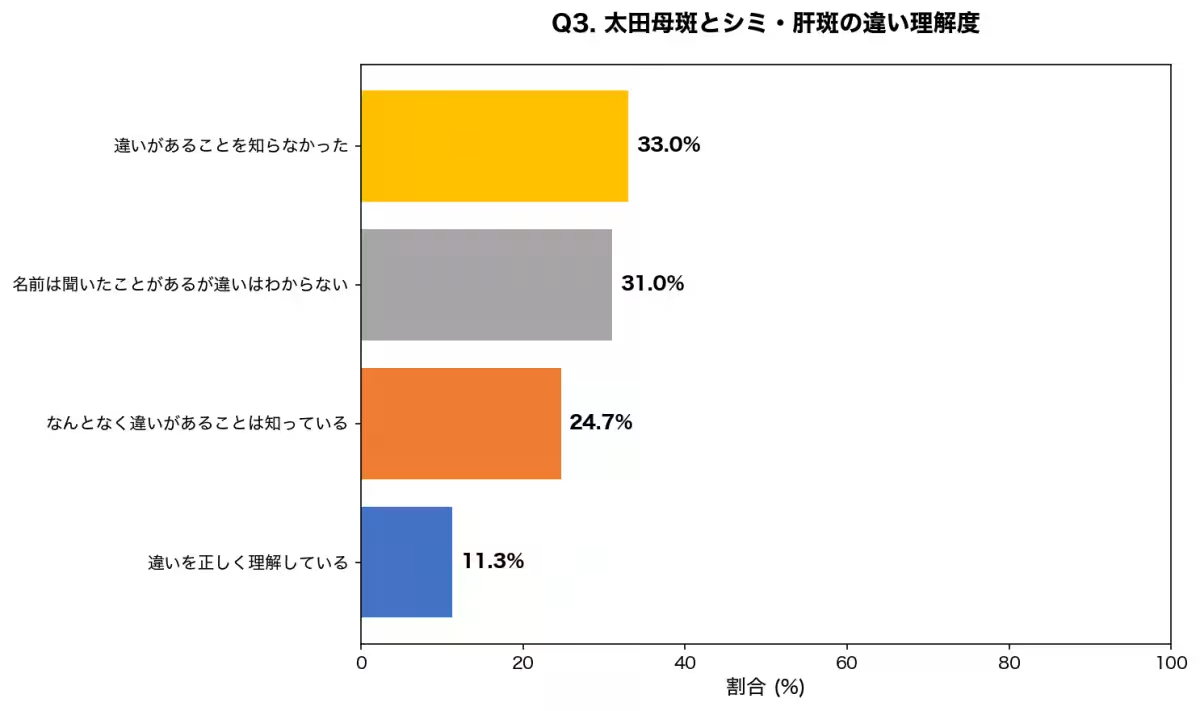
The findings of the survey reflect a significant misunderstanding regarding the nature of Ota's Nevus, and the difference between it and more commonly known conditions like age spots and melasma. While 36.4% recognized that treatment methods differ, only 11.3% could accurately describe the distinctions among these skin conditions.
Physicians emphasize the need for proper diagnosis, as using standard treatments for melasma or age spots could potentially exacerbate the symptoms of Ota's Nevus. Additionally, inappropriate laser treatment on melasma can lead to adverse effects such as post-inflammatory hyperpigmentation.
Importance of Early Diagnosis
The low awareness and understanding of Ota's Nevus present a barrier to treatment that could help many. There's an urgent need for educational initiatives aimed at increasing public knowledge about this condition, insurance coverage, and effective treatment pathways. Early detection and treatment not only lead to better cosmetic outcomes but also alleviate psychological distress for individuals coping with skin pigmentation concerns.
Conclusion
In summary, the significant proportion of individuals unaware of insurance coverage for laser treatments represents a critical area for improvement in patient education. Enhanced understanding of the condition and the treatments available through proper channels, such as dermatological clinics, is essential for those affected by Ota’s Nevus and similar conditions. By raising awareness and providing accurate information, it is possible to remove barriers to effective treatment, ensuring better health outcomes for affected individuals.
Topics Health)
【About Using Articles】
You can freely use the title and article content by linking to the page where the article is posted.
※ Images cannot be used.
【About Links】
Links are free to use.