



Understanding Skin Risks in Hiking: UV Protection and Bee Sting Awareness
Introduction
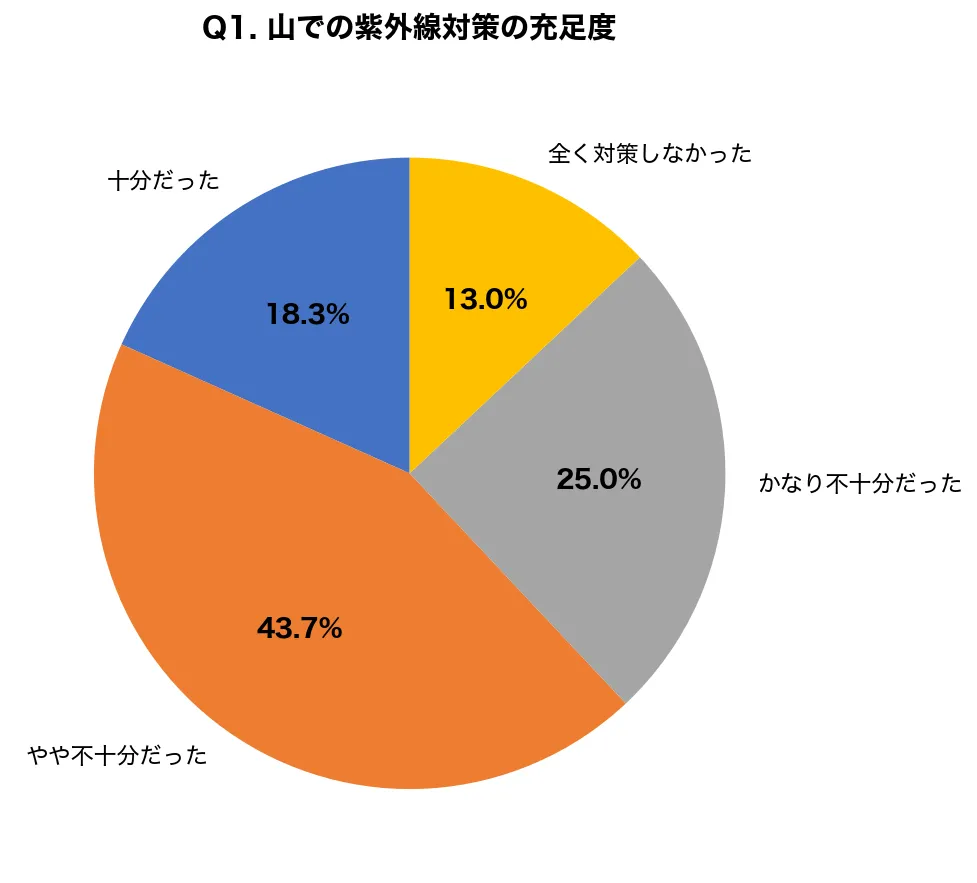
In a recent study conducted by the I.C. Clinic, a dermatological medical corporation with extensive experience, it was found that a staggering 68.7% of hikers and mountaineers feel they have not taken adequate measures against ultraviolet (UV) rays. The study highlights the urgent need for awareness regarding the significant increase in UV exposure as one climbs in altitude, revealing that for every 1,000 meters ascended, UV radiation increases by approximately 10 to 12%. These findings emphasize the pressing need for hiker education about skin risks and effective preventive strategies.
The Findings
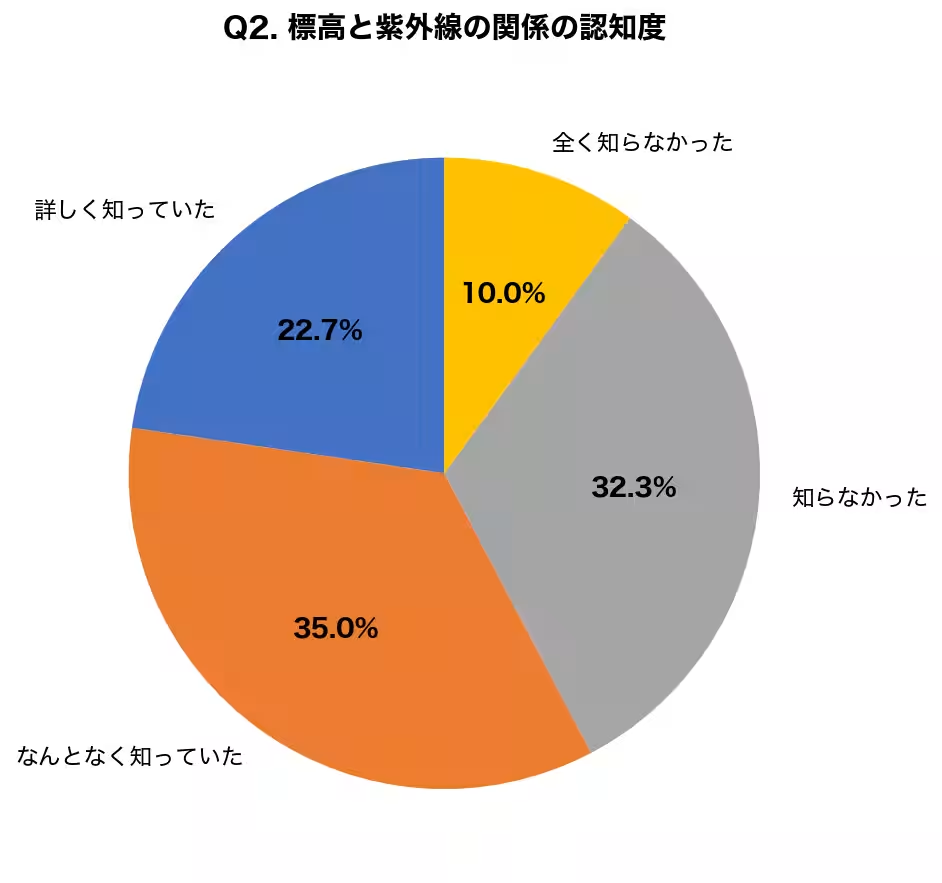
- - UV Awareness: Among surveyed individuals who had hiking experience within the last three years, about 78% admitted to getting sunburned unexpectedly at higher altitudes, indicating that many are unaware of the pronounced effects of UV radiation that intensifies with elevation.
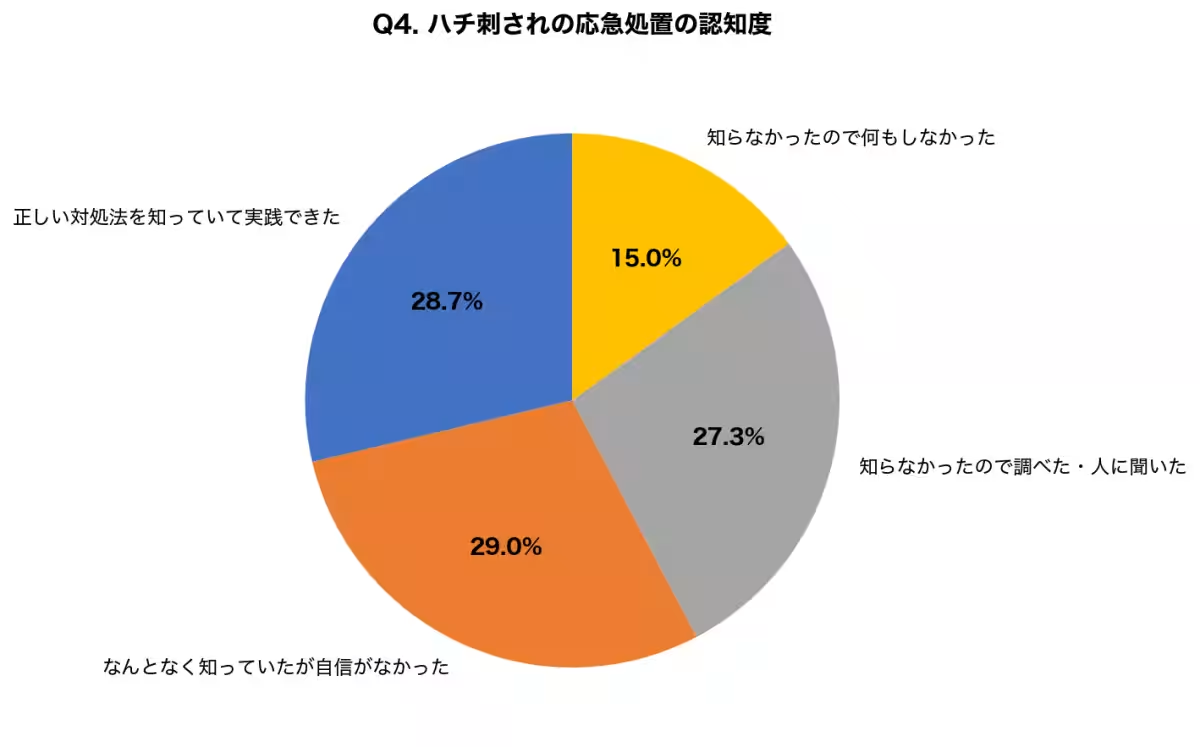
- - Bee Sting Knowledge Gap: Alarmingly, around 42.3% of those who have experienced bee stings lacked knowledge about proper treatment methods. Common misconceptions still linger; for example, some individuals mistakenly attempt to suck out the venom, a process that can aggravate the reaction.
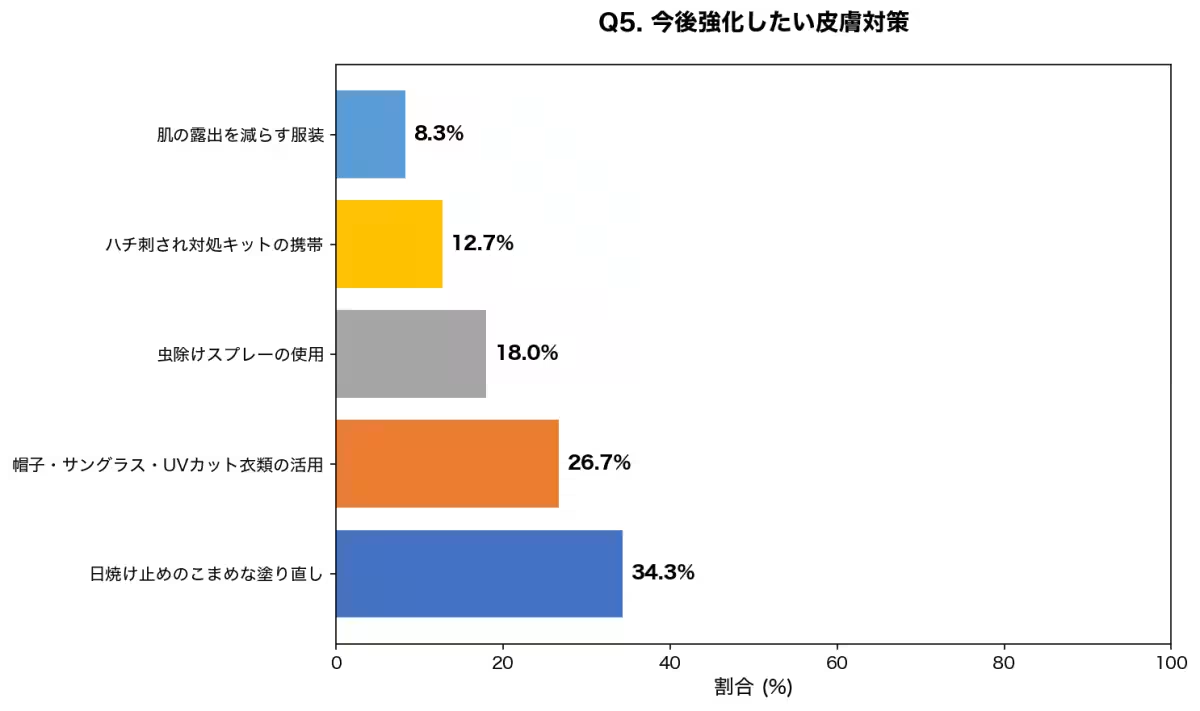
Despite the risks, only 34.3% expressed wishes to increase their use of sunscreen during outdoor activities, leaving significant room for improvement in safety awareness. It is imperative to instill correct preventive measures in future adventurers.
What is Anaphylaxis?
Anaphylaxis is a severe, potentially life-threatening allergic reaction that can occur in response to bee stings (or other allergens). Symptoms can progress rapidly, necessitating immediate medical attention. Understanding how to recognize and react to these symptoms is crucial for the safety of individuals planning mountain excursions.
Deepening Insights on UV Radiation
What is UV radiation? UV radiation consists of electromagnetic waves with wavelengths between 10 to 400 nm, of which UVA (320-400 nm) and UVB (280-320 nm) can severely damage skin cells. Mountaineers need to recognize that as they climb, the atmospheric layer becomes thinner, thus increasing the amount of UV radiation that reaches their skin.
Bee Stings and Their Impact
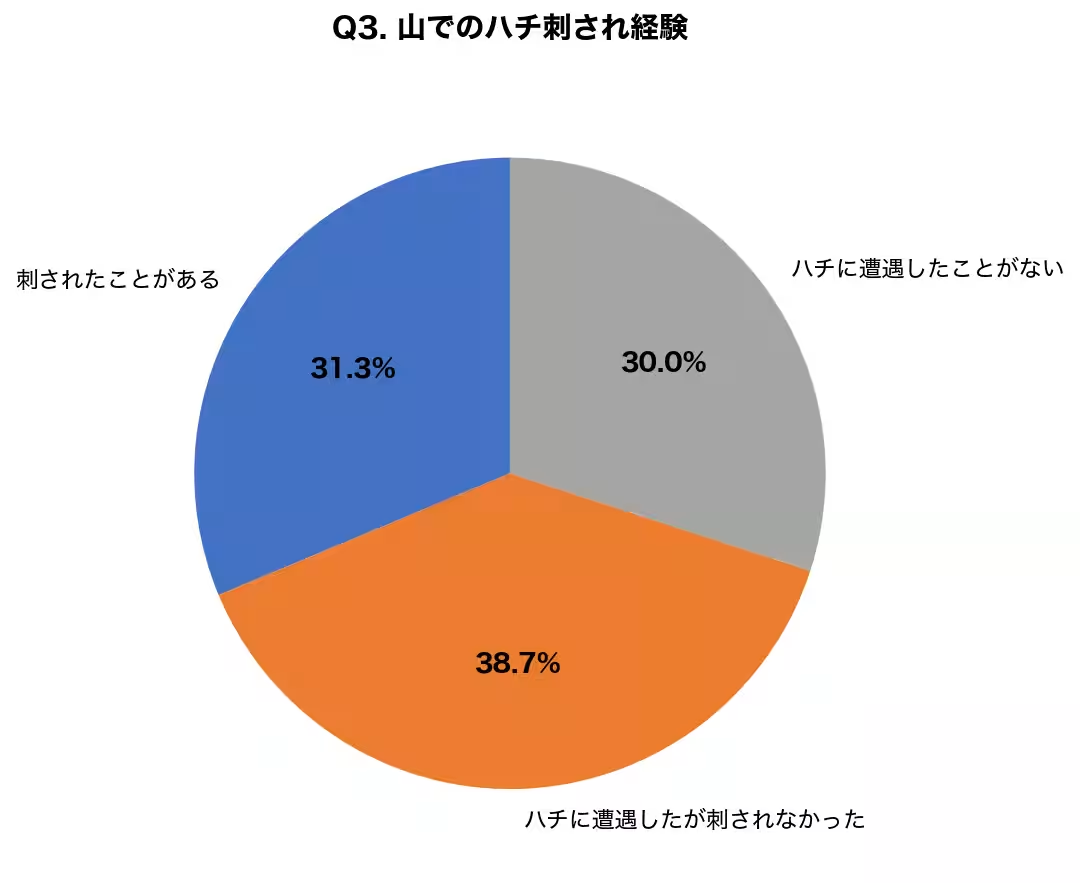
Bee stings, particularly from species like hornets and yellow jackets, are prevalent in mountainous regions during summer months. A recent survey found that approximately 31.3% of hikers reported they have suffered a bee sting. Notably, the risk significantly increases during peak summer months (August to October) when bee activity amplifies.
Recommended First-Aid Measures
The survey respondents expressed uncertainty regarding necessary first aid for bee stings. Here’s a guide to help individuals prepare for the unexpected:
| Symptom Level | Main Symptoms | Recommended Response |
|---|---|---|
| ---- | ---- | ----- |
| Mild | Local pain/redness/swelling (diameter < 10cm) | Remove stinger, wash with running water, cool with ice pack, apply over-the-counter bite remedies |
| Moderate | Widespread swelling (diameter > 10cm) lasting over 48 hours | Visit a dermatologist for antihistamines or steroid ointments |
| Severe | Hives, difficulty breathing, dizziness, low blood pressure, consciousness loss | Call emergency services immediately (possible anaphylaxis) |
Essential Safety Tips for Hikers
1. Sunscreen Application: Use SPF 50+ sunscreen, and reapply every two to three hours to account for sweating.
2. Clothing Choices: Wear UV protective clothing, including hats and sunglasses, to minimize direct sun exposure.
3. Recognition of Symptoms: Be vigilant of symptoms that may arise from bee stings or excessive sun exposure. Quick action can save lives.
4. Emergency Preparedness: Carrying an EpiPen is advised for those with known allergies.
Conclusion
The insights gathered from this survey underscore a significant gap in knowledge among hikers regarding UV exposure and bee sting management. As the summer hiking season approaches, it's essential for outdoor enthusiasts to prioritize skin safety and recognize the specific risks associated with elevation and insect encounters. Proper education and serious consideration of recommended practices can enhance the hiking experience while minimizing health risks. Those planning to take on nature's trails should arm themselves with the knowledge and tools necessary for a safe journey into the wild.
Topics Health)

【About Using Articles】
You can freely use the title and article content by linking to the page where the article is posted.
※ Images cannot be used.
【About Links】
Links are free to use.