



Exploring the Rich History of Shimoda Aquarium: 70 Years of Oceanic Wonders
The Evolution of Shimoda Aquarium: A Celebration of Oceanic Marvels
Fujita Kanko Co., Ltd., known for its dedication to creating enriching experiences and providing warm hospitality, marked a significant milestone in November 2025 with its 70th anniversary. As we gear up for 2026, a crucial year marking the centenary of the Showa era, the company is set to reflect on its legacy, beginning with its fifth installment highlighting the Shimoda Aquarium.
The Birth of a Landmark: The World’s First Floating Aquarium
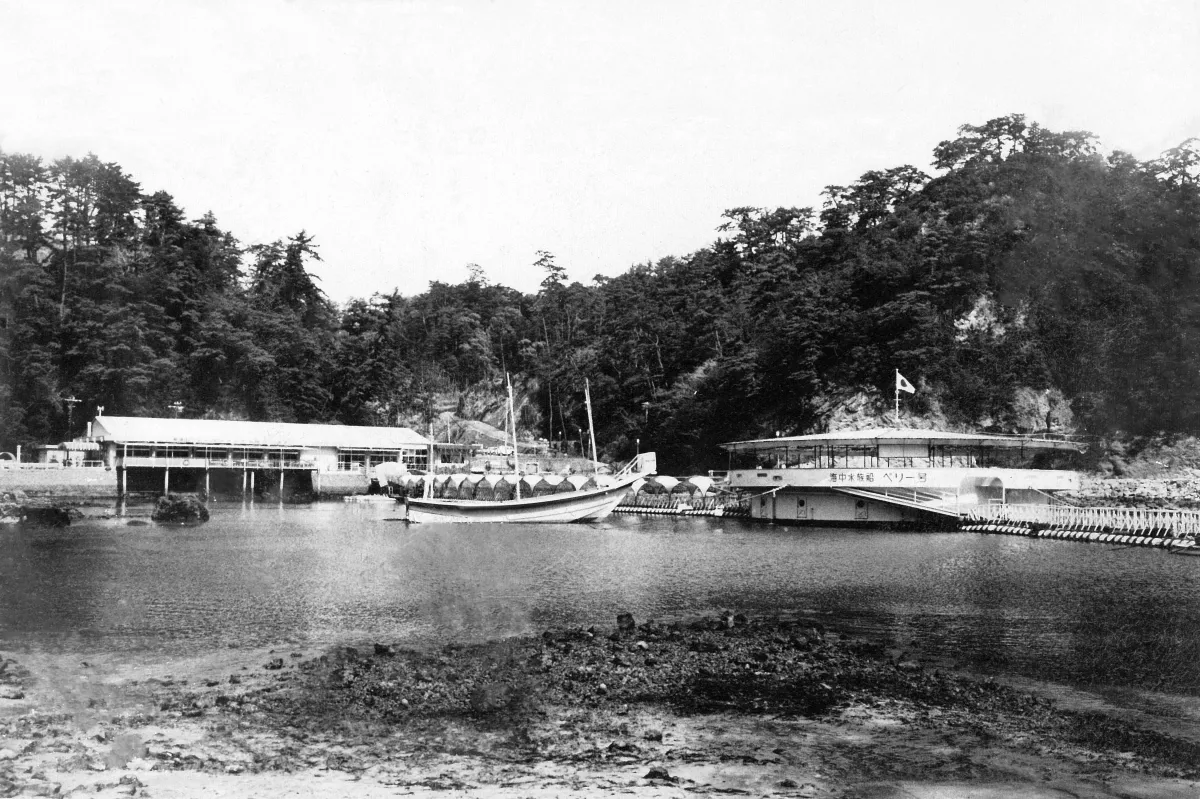
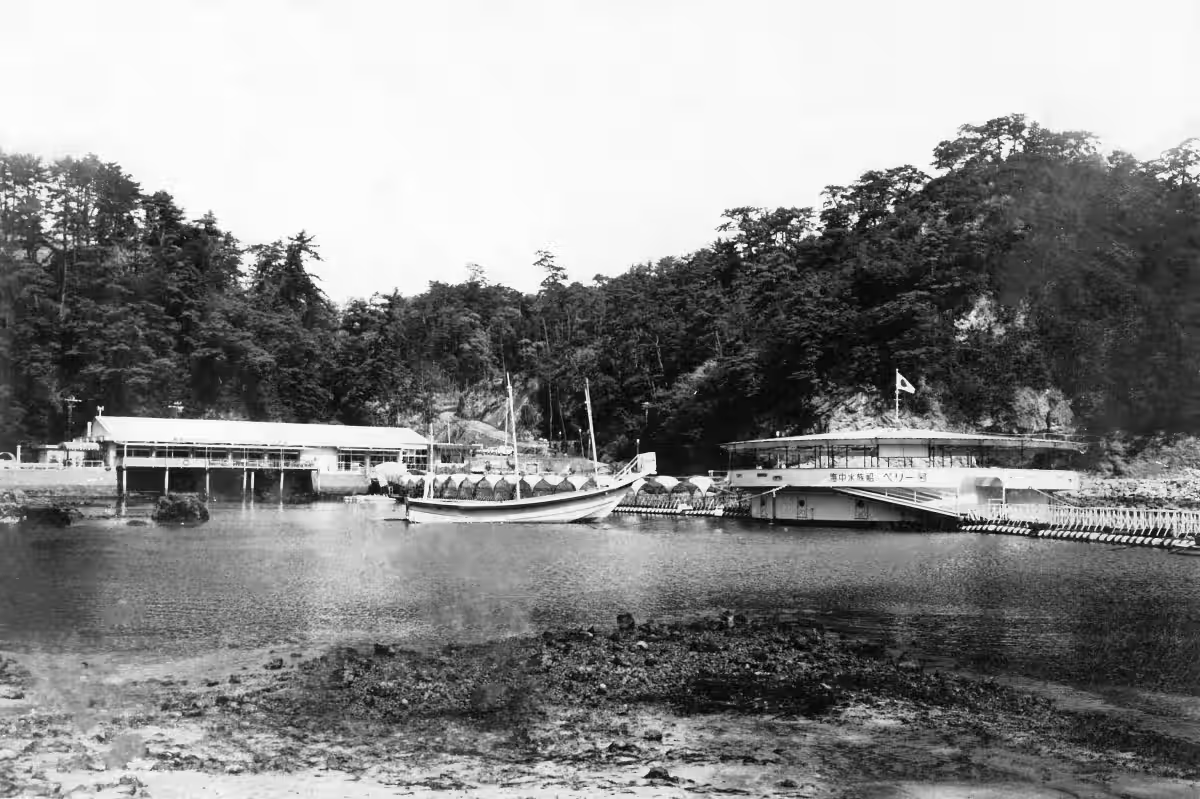
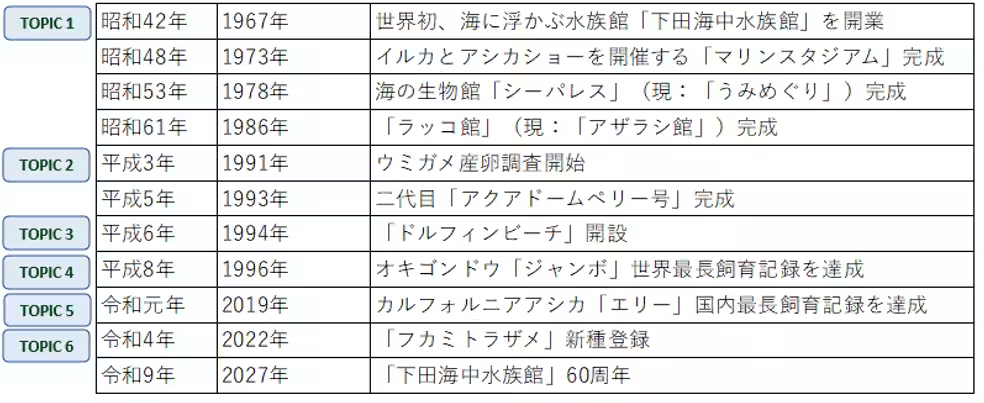
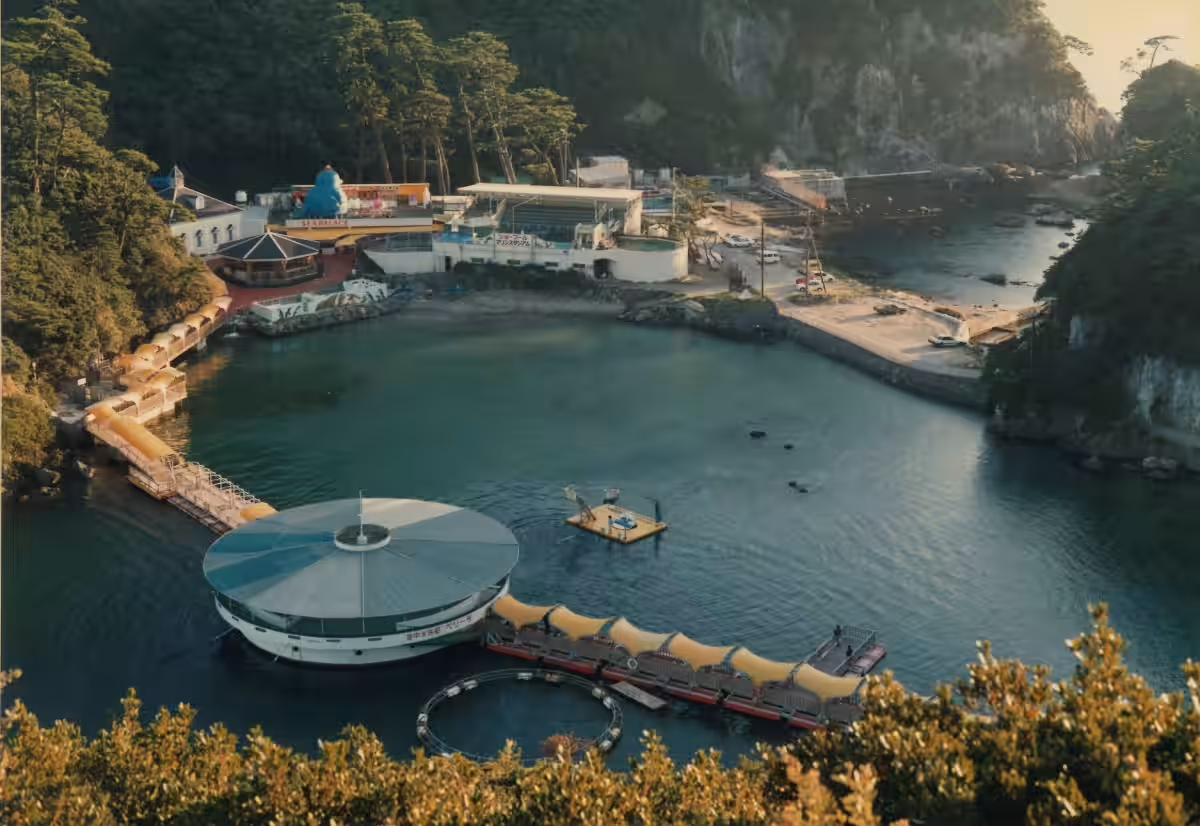
In March 1967, the Shimoda Aquarium made its debut as the world’s only floating marine facility on the southern tip of the Izu Peninsula, in Waka no Ura, Shimoda. This innovative establishment showcased a unique design: a circular, three-story structure made of steel that floated on a natural cove, allowing visitors to gaze straight into the ocean's depths through glass windows. Such a concept differentiated it from traditional aquariums, which were typically landlocked.
The aquarium's name, inspired by its historical significance as the landing point of Commodore Perry, was a nod to the area's heritage. Eiichi Ogawa, the founding president of Fujita Kanko, expressed his vision: "Japan, being an island nation, must rely on the ocean for its prosperity, and this aquarium is a means to contribute to that effort." This ambitious project sparked excitement among locals, establishing the aquarium as a key attraction in Shizuoka Prefecture.
Protecting Sea Turtles: A Commitment to Conservation
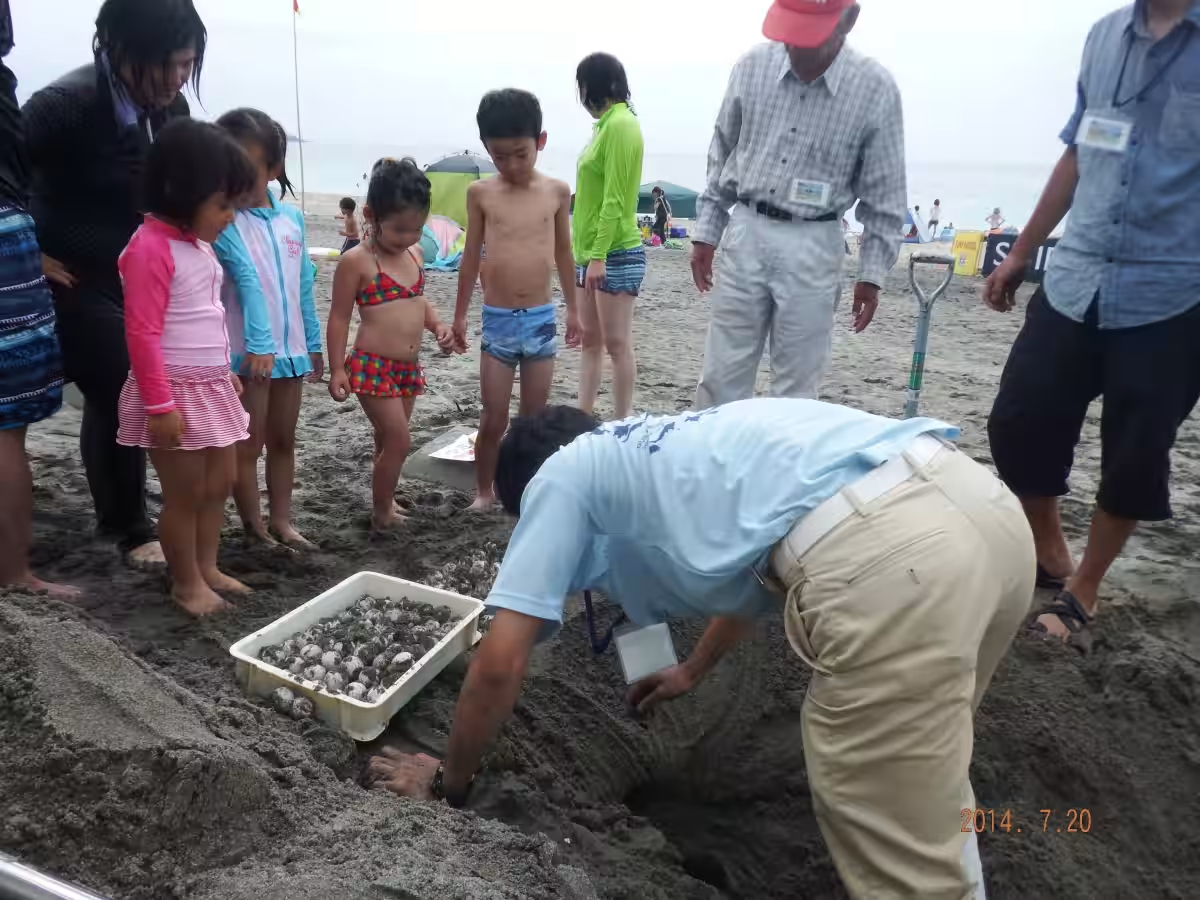
In 1991, the aquarium initiated a sea turtle nesting survey after observing nesting activity on the beaches of Shimoda. Research revealed a worrying decline in nesting numbers. Turtles often ceased nesting when encountering debris, prompting the aquarium to collaborate with local communities to clean beaches proactively. Additionally, studies demonstrated that hatchlings mistook artificial lights for celestial bodies, leading them away from the ocean. As a response, the community rallied to dim streetlights during nesting seasons, which positively impacted subsequent nesting confirmations. In 1995, they received approval from Shizuoka Prefecture to continue their research and conservation efforts, which remain active today.
Dolphin Beach Opens: Encouraging Interaction with Marine Life
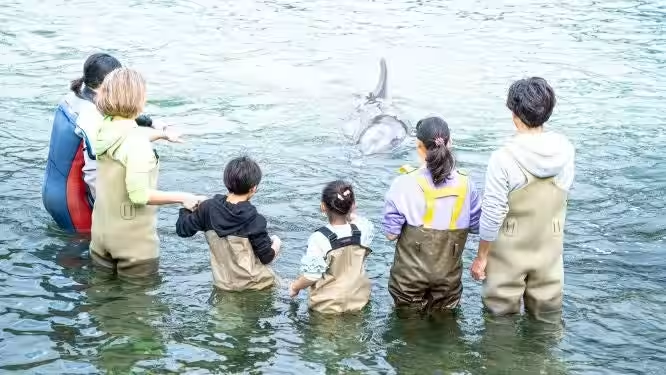
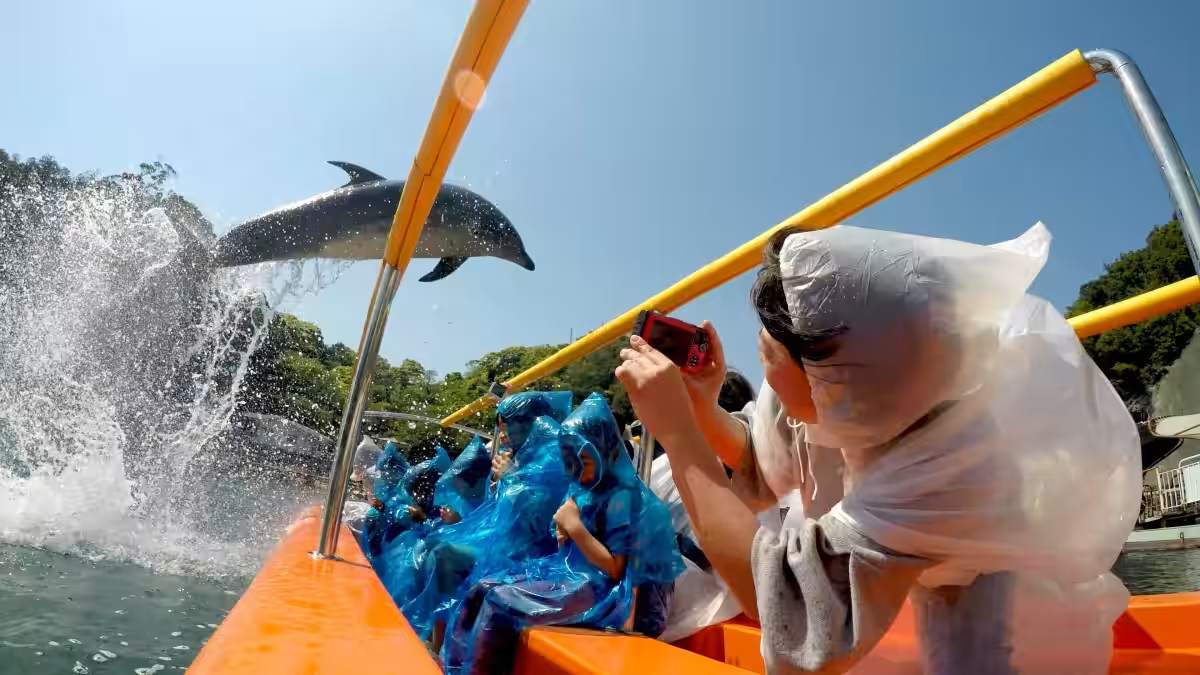
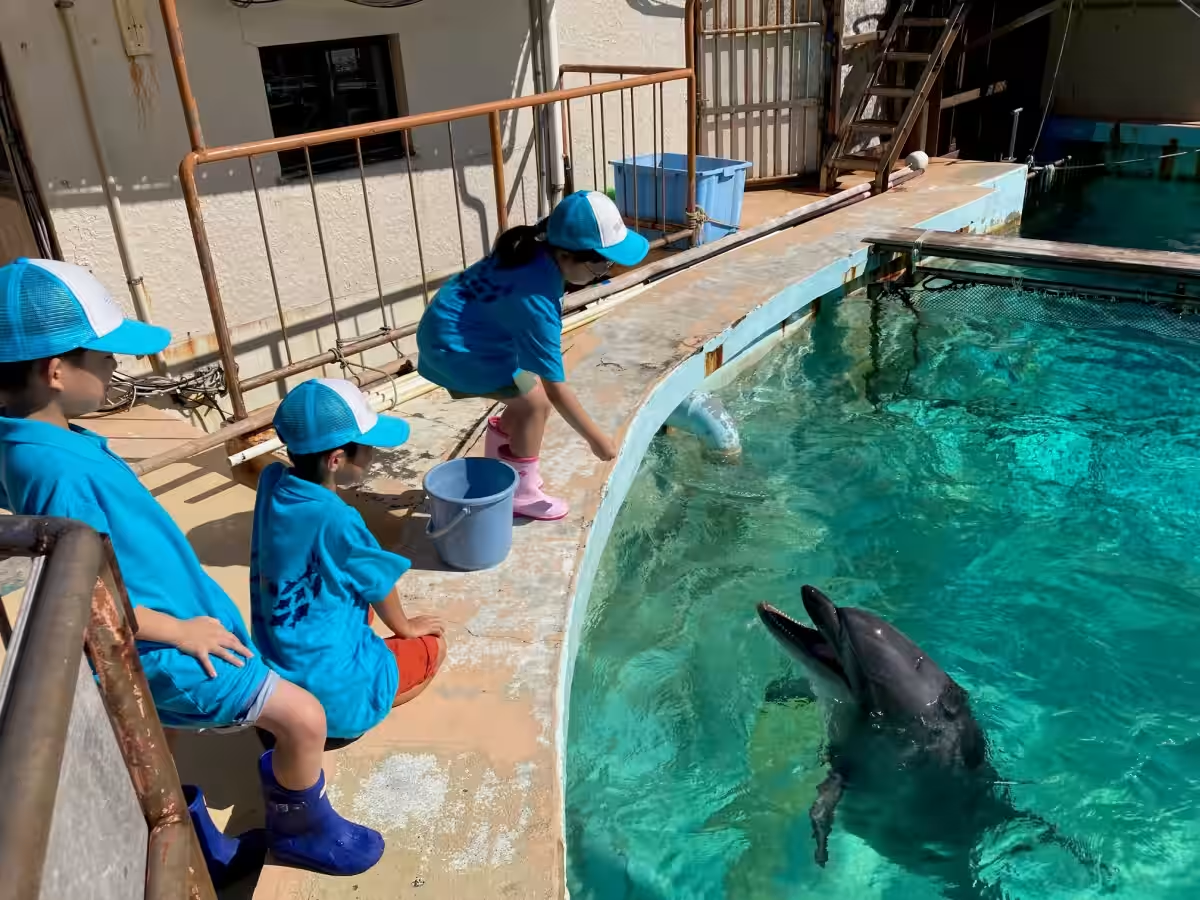
In 1994, the aquarium launched "Dolphin Beach," allowing visitors to interact closely with the dolphins. Responding to public demand for a more intimate dolphin experience, this initiative enabled guests to quietly observe these magnificent creatures as they approached freely from the ocean, providing a unique opportunity to touch and learn about them.
Celebrating Lifelong Companions: Jumbo and Ellie
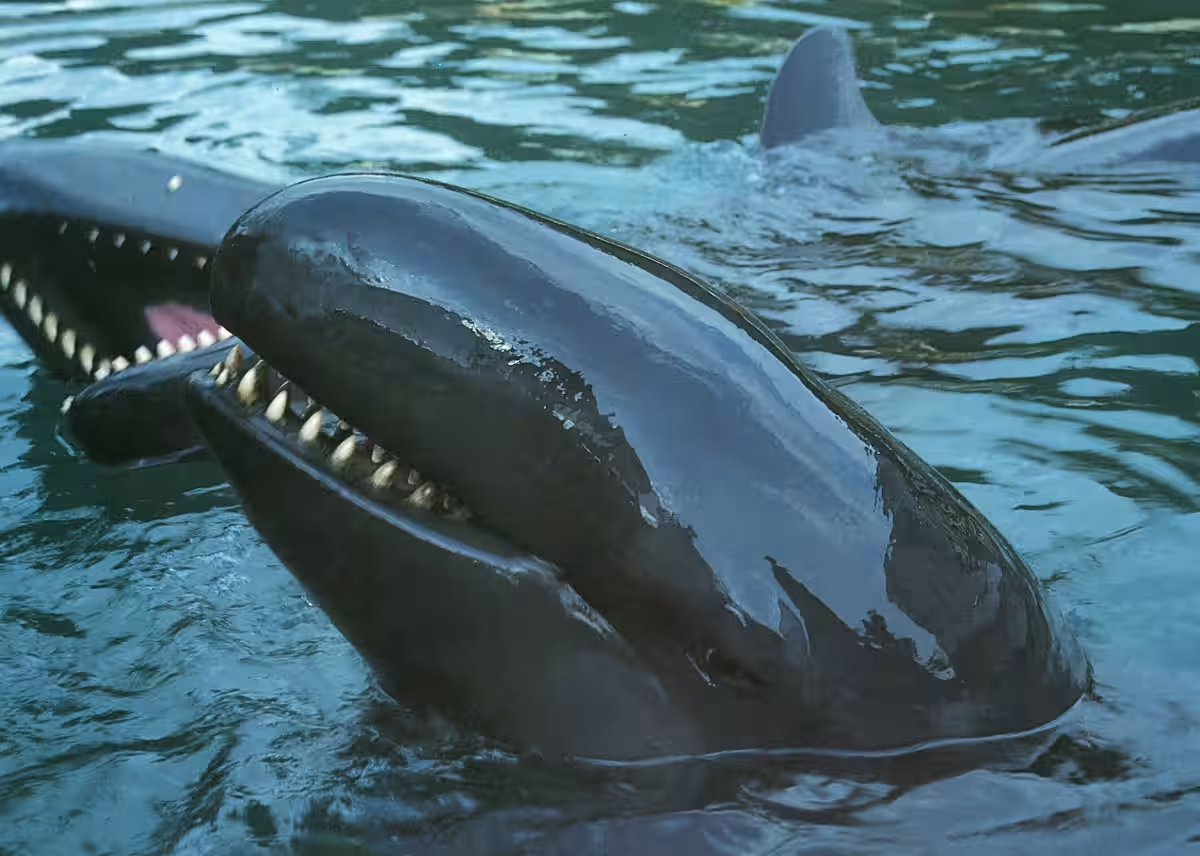
September 17, 1996, marked a remarkable achievement when Jumbo, a false killer whale, set the world record for the longest captivity of its kind, at 9,409 days. Captured in 1970, Jumbo delighted audiences with spectacular jumps in shows and received the Special Citizen Award from Shimoda City in 2003. He inspired many visitors and staff until his passing at an estimated age of 40 in 2006.
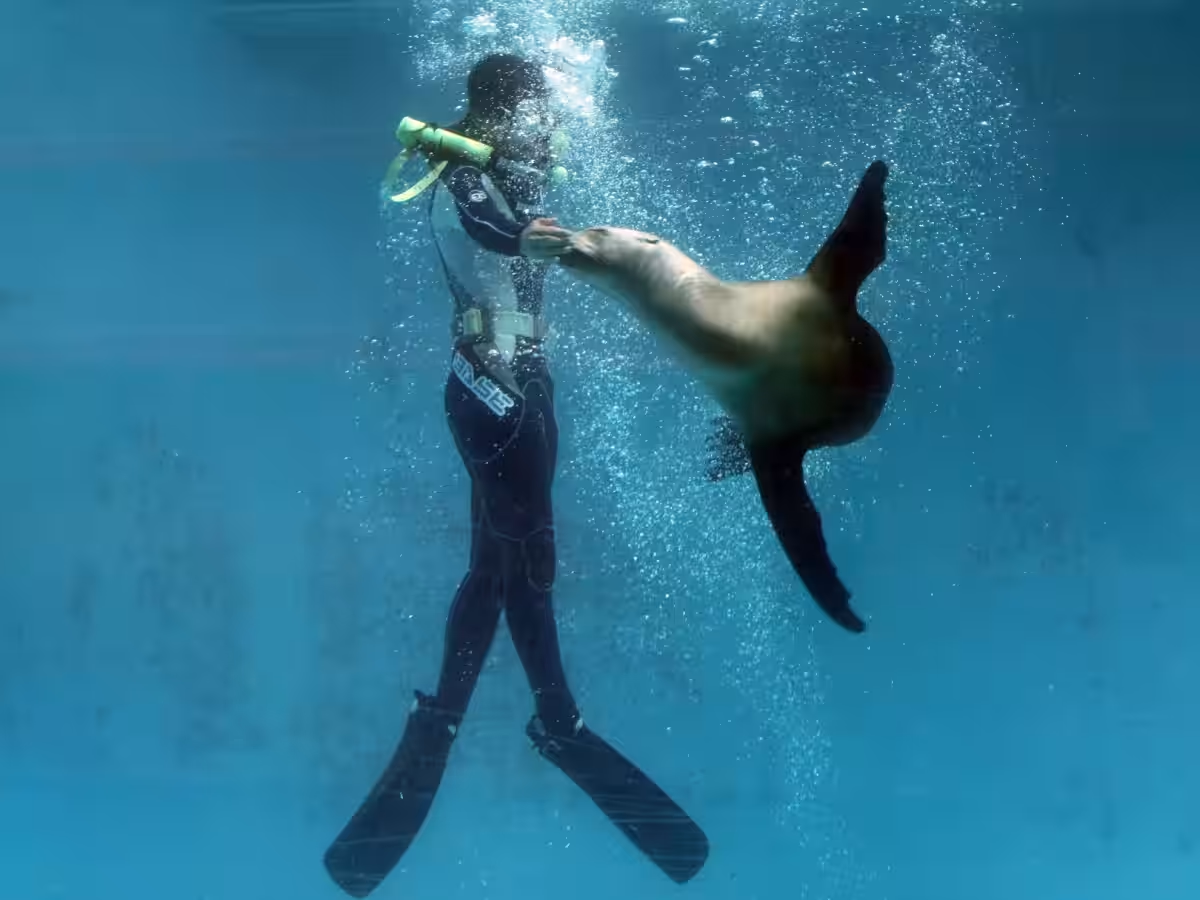
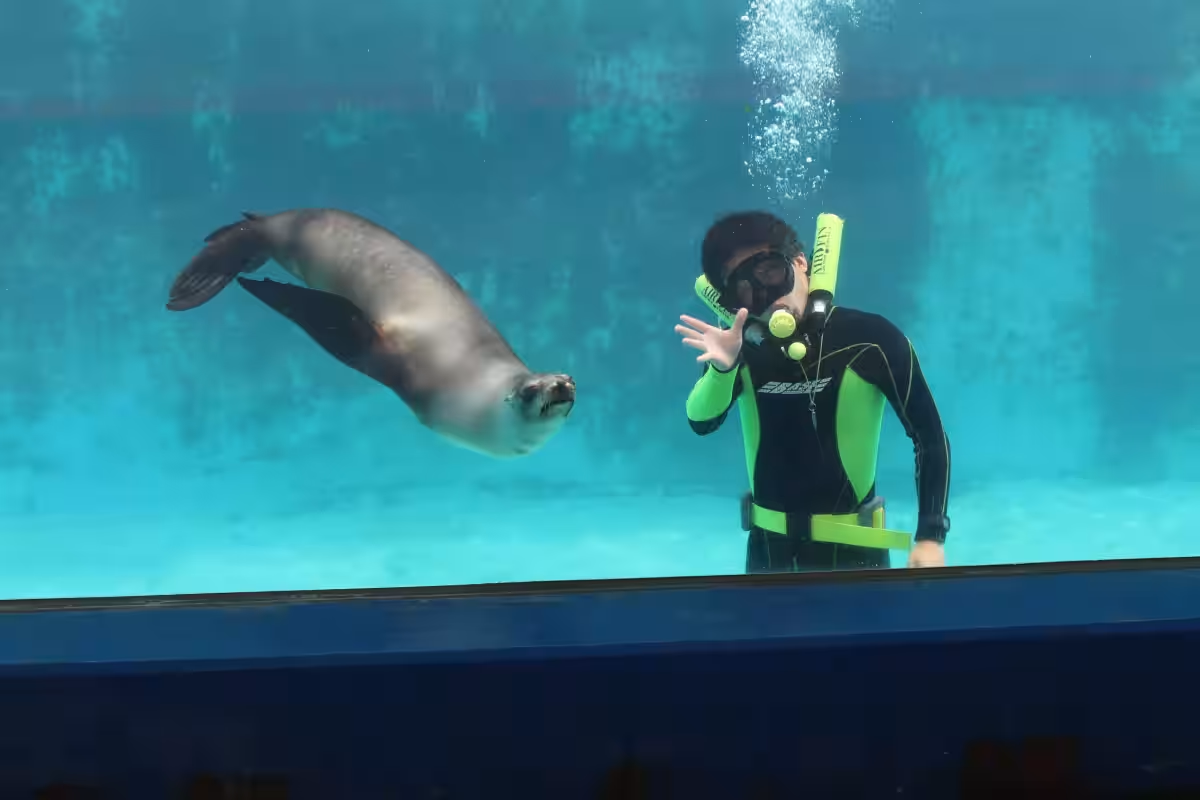
In a similar vein, Ellie, a California sea lion, made waves in the marine community by achieving a record-breaking captivity of 12,139 days on September 8, 2019. Known for her groundbreaking underwater sea lion shows, Ellie captivated audiences until her death in February 2020, leaving behind cherished memories.
Breakthrough Discoveries: The Discovery of a New Shark Species
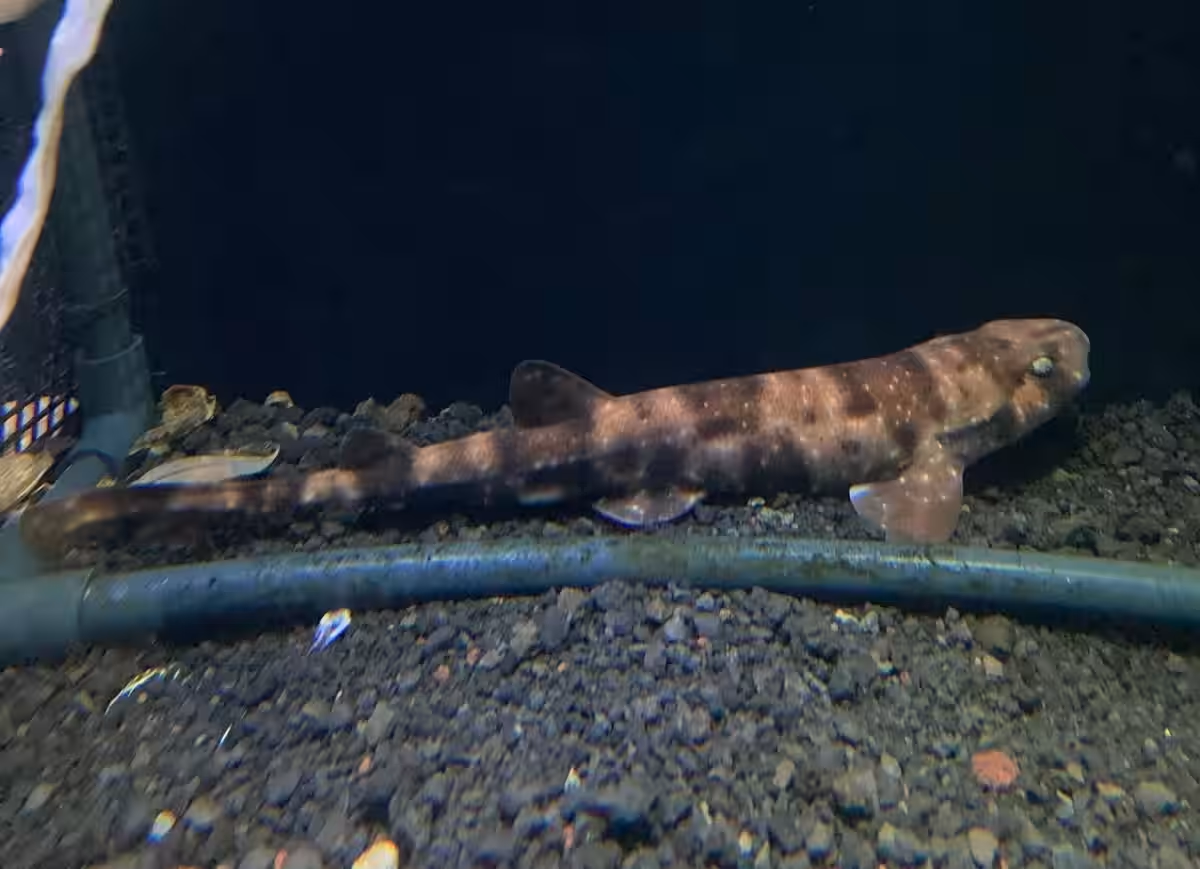
In January 2022, a new species of shark, known as the Fukami tiger shark, was formally recognized. For roughly four decades, the aquarium housed this fish thought to be a typical tiger shark. However, distinctive features prompted researchers from Tokai University’s Marine Science Department to investigate further, confirming its status as a new species.
Looking Ahead: Educational Summer Programs and Conservation Efforts
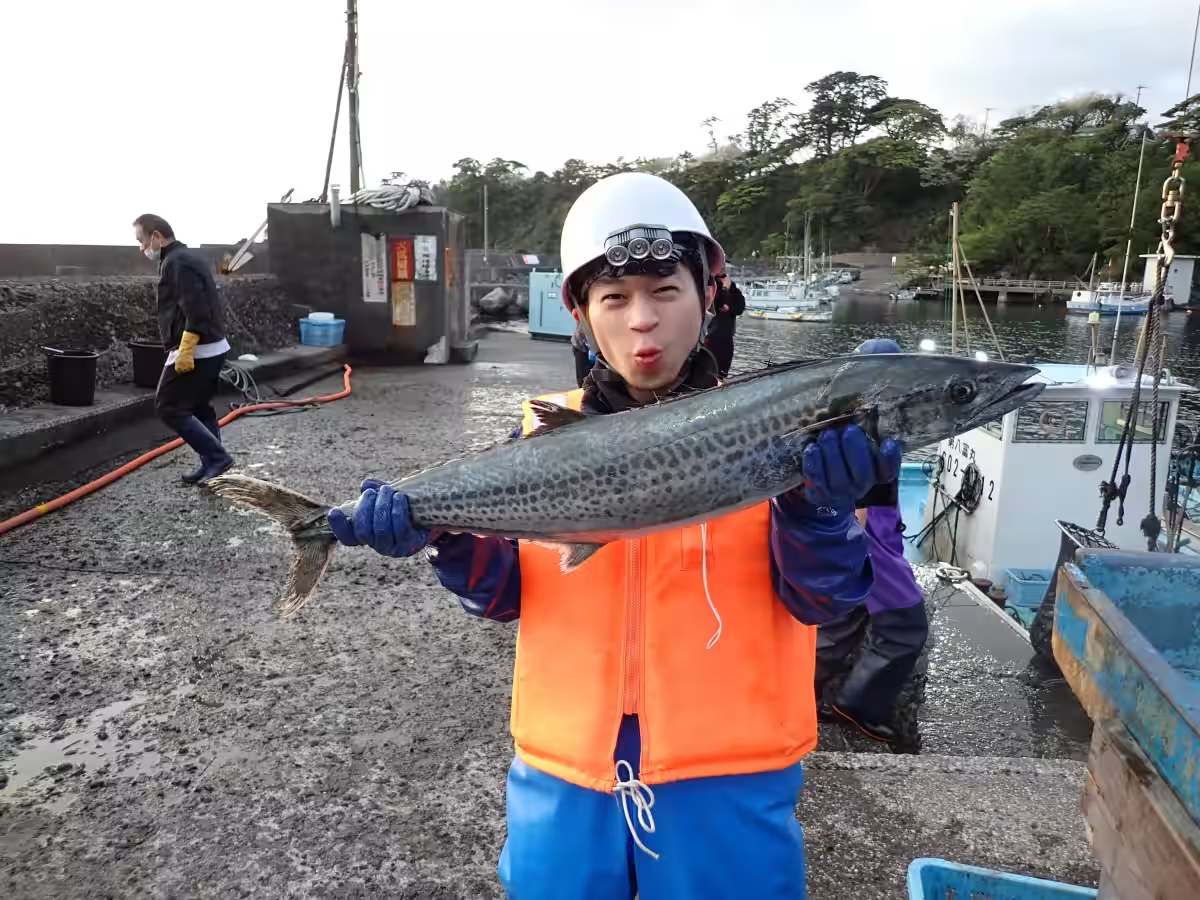
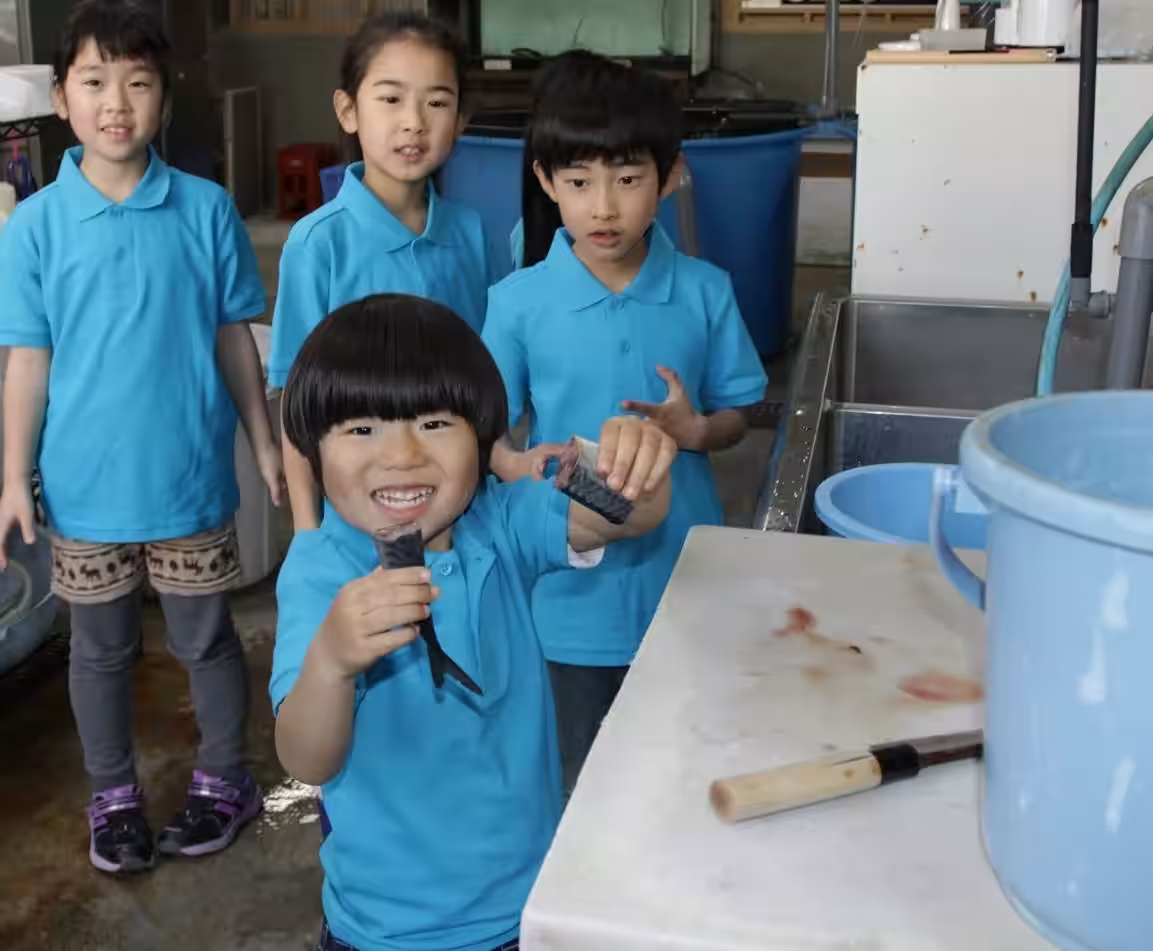
The aquarium, emphasizing interaction and education, has lined up a variety of summer programs for 2026 to further engage families. One highlight includes a special exhibition on the local fishing technique known as “fixed net” that showcases its significance and encourages sustainability.
Additionally, the educational programs such as
Topics Entertainment & Media)
【About Using Articles】
You can freely use the title and article content by linking to the page where the article is posted.
※ Images cannot be used.
【About Links】
Links are free to use.