



Achieving Zero Carbon Emissions in Construction with 100% Recycled Aluminum: A New Initiative
Achieving Zero Carbon Emissions in Construction with 100% Recycled Aluminum: A New Initiative
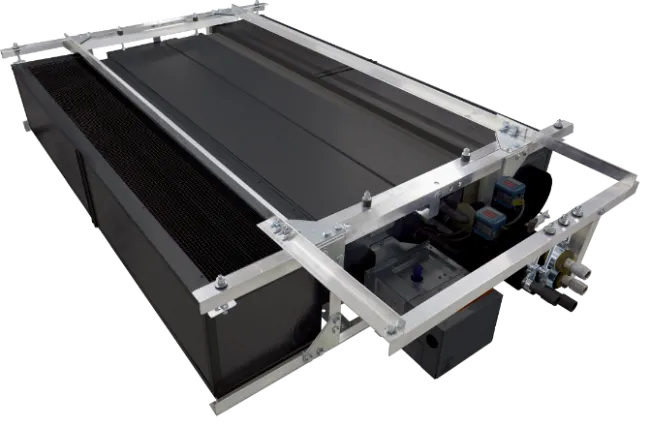
In a groundbreaking collaboration, Takasago Thermal Engineering Co., YKK AP, and Hanwa Co., are leading a project known as the T-Base® initiative, aimed at utilizing 100% recycled aluminum materials in the manufacturing of mechanical equipment units. This ambitious project is set to commence full-scale operations in June 2026 and is poised to mark a first in the building equipment industry, as confirmed by Takasago itself. By integrating these recycled materials within an aluminum frame construction method, the team aims to achieve a significant reduction in CO₂ emissions during the installation phase, specifically a 10.8% decrease as compared to traditional methods.
This innovative approach is not merely a solitary effort but rather a strategic collaboration among three powerhouse companies, each bringing their specific expertise in materials manufacturing, supply chain, and installation. The initiative primarily targets reductions in environmental impact associated with the installation phases of mechanical equipment units. By employing 100% recycled aluminum, the partners enhance the consistent procurement and efficient use of recycled materials, all while improving quality and productivity in installation processes.
Notably, the measurement of CO₂ emissions reductions focuses on 'upfront carbon'—the kind of emissions released during the manufacturing and installation of building materials before project completion. The initiative also boasts a limited assurance certification obtained from an independent third party, compliant with the international assurance standards ISAE3000 and ISAE3410, as of April 1, 2026.
The collaboration intends to build upon the knowledge and insights gained through this project to further advance the decarbonization of mechanical equipment units utilizing the T-Base® system. Additionally, a focus on creating a circular economy within the construction sector through efficient resource management of aluminum is a significant goal going forward.
Roles of Participating Companies
Takasago Thermal Engineering will deliver mechanical equipment units comprising recycled aluminum to clients, directly implementing environmental value through reductions in CO₂ emissions during installation. As an 'Environmental Creator,' the company aims to develop decarbonization solutions in the construction equipment sector.
YKK AP will provide support through its industrial product division, dedicated to the manufacturing and sale of aluminum extrusions for a variety of applications. YKK AP will supply 100% recycled aluminum under the brand name 'Re·AL,' contributing to the project's environmental goals.
Hanwa Co. will leverage its expertise in material distribution to develop a procurement, processing, and supply scheme for recycled aluminum aimed at the building equipment sector. This will ensure a stable supply of materials, further bolstering sustainable supply chains.
About the T-Base® Project
Established under the company’s guiding philosophy of 'Innovating the Environment to Pave the Future of Our Planet,' Takasago Thermal Engineering views the various challenges facing the construction industry—such as decreasing populations, changes in work styles, productivity improvements, and environmental impact reduction—as opportunities for growth. The T-Base® program is designed to tackle these issues by transforming not only site construction processes but also the entire lifecycle of construction projects—covering sales, design, procurement, production, operation, and more.
Through collaborations across extensive supply chains and advancing production management, the project aims to facilitate the contribution of diverse talent and expertise within the industry.
Differences between Traditional Construction Methods and T-Base® Units
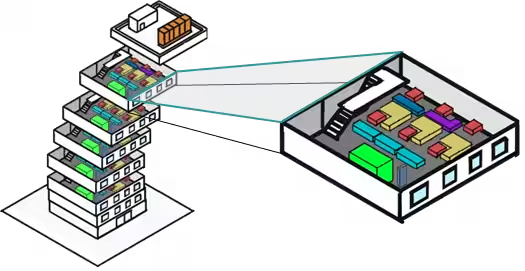
Historically, construction involving building equipment has revolved around a process termed 'one-off construction,' where specifications and designs vary widely from one project to another, resulting in unique procurement practices for materials. This variability has posed challenges for the reliable and efficient use of environmentally friendly materials like recycled aluminum.
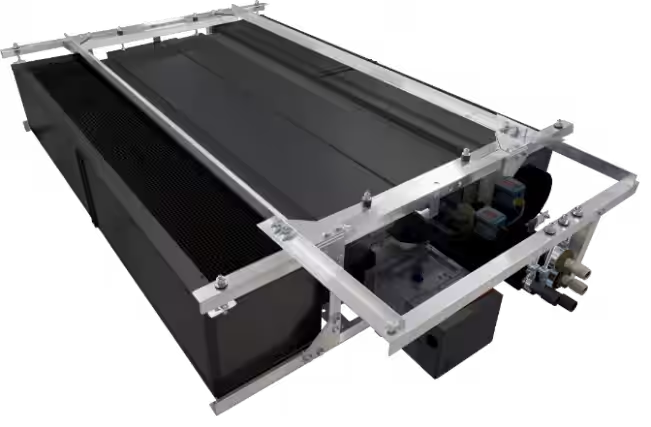
In contrast, the T-Base® initiative transitions toward an 'off-site' production model, allowing for the construction process to become standardized and modularized. By employing the BLOCKS® methodology—which involves utilizing standardized units, or 'blocks,' produced off-site—the project enhances consistent production quality while ensuring the planned and stable procurement of the same specifications and materials.
This operational shift not only ensures the secure utilization of eco-friendly materials, like recycled aluminum, but also establishes a reliable procurement process, ultimately striving for environmentally responsible construction practices.
Closing Thoughts
As Takasago Thermal Engineering, YKK AP, and Hanwa Co. embark on this revolutionary initiative, they set the stage for transforming the construction industry towards a more sustainable future. By employing recycled materials and focusing on reducing emissions, they are paving the way for a circular economy within the sector and contributing to a greener society overall. The T-Base® project exemplifies how collaborative efforts can effectively tackle pressing environmental issues while driving innovation and efficiency in construction processes.
Topics Consumer Technology)
【About Using Articles】
You can freely use the title and article content by linking to the page where the article is posted.
※ Images cannot be used.
【About Links】
Links are free to use.