




Lessons from the Great East Japan Earthquake: A Tale of Resilience and Preparedness
Lessons from the Great East Japan Earthquake
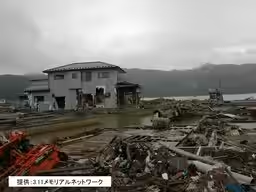
Fifteen years have passed since the devastating Great East Japan Earthquake on March 11, 2011. This tragedy taught many vital lessons about disaster preparedness and response, especially for those who lived through the catastrophe in Ishinomaki, Miyagi Prefecture. In particular, the experiences of individuals who operated evacuation shelters are invaluable. This article unfolds the narratives of Jinmi Asano and Masako Takahashi, survivors who share insights from their time as speakers and educators on disaster readiness.
The Call to Action for Community Leaders
In the immediate aftermath of the earthquake, the community mobilized quickly through announcements broadcasted from schools using emergency power. Jinmi Asano recalls how she felt compelled to join the efforts at her daughter's school, where teachers and local residents collaborated to manage the evacuation center. As time went on and people began to leave the shelters, many of those vital to operations were departing, leading to a shortage of leadership. Recognizing this, Jinmi took charge, feeling responsible for maintaining the shelter's function amidst growing challenges.
The Most Pressing Challenges Faced
One of the most significant issues was not just the lack of running water but also the damaged sewage systems, which rendered toilets unusable. In a desperate workaround, Jinmi's team had to utilize water from the school’s swimming pool to flush toilets, an unsustainable solution that required constant vigilance. Eventually, temporary outdoor toilets were installed, but with up to 5,000 daily users, the cleanliness quickly deteriorated, placing a heavy burden on the evacuees to maintain sanitation through collaborative efforts.
Fairness in Food Distribution
While the arrival of rice balls delivered by the Self-Defense Forces provided some relief, coordinating food supplies proved to be particularly strenuous. The aroma of cooked rice created tensions among local residents who questioned why the evacuees received preferential treatment. Jinmi learned the importance of communication and transparency in managing food resources and decided to only accept donations when there was enough to share equitably with both evacuees and local residents.
Her story of hardship illustrated the complexities involved in food support during emergencies, emphasizing the broader need for fairness and transparency.
Impactful Initiatives and Future Lessons
Jinmi highlights that laying tatami mats throughout the gymnasium was one of the most effective measures taken. Initially, the area was filled with mud and debris, causing respiratory issues among displaced individuals. However, the introduction of tatami significantly improved the indoor air quality, and soon, people were able to remove masks. This collaboration among evacuees eased both physical and psychological burdens.
She concludes that disaster preparedness requires continuous adaptation and a recognition that past experiences may not suffice in the face of future disasters. Engaging with the community, local governments, and national bodies is vital in understanding current shelter needs and ensuring that citizens are well-prepared for future events.
Personal Stories of Evacuation and Adaptation
Masako Takahashi shares her own experiences, stressing the significance of preparedness. Though she had a disaster supply kit ready at home, circumstances on the fateful day rendered her unable to access it, compelling her to evacuate with just the clothes on her back. Her story serves as a poignant reminder of the unpredictability of disasters and the critical importance of having supplies at multiple locations.
At the evacuation center where she stayed, circumstances were dire. Masako spoke of how the environment, particularly following a tragedy that claimed many young lives, weighed heavily on everyone. Despite limited supplies, community collaboration emerged, demonstrating how sharing resources was essential in alleviating the varying levels of need.
Hygiene, Nutrition, and Information Amid Crisis
The hygiene situation left much to be desired, with a general lack of clean water affecting health standards. Masako identified the importance of non-perishable food items and easy-to-prepare meals in such contexts, highlighting how these essentials can aid survival. Information dissemination was another key subject, as Masako shared how the collective efforts to communicate son’s safety through a whiteboard effectively connected families in distress.
Her teachings in disaster preparedness in schools emphasize respect, gratitude, and critical lessons on survival, aiming to instill a spirit of resilience in future generations.
Conclusion: The Importance of Proactive Disaster Preparedness
As both survivors emphasized, preparedness is only effective when individuals understand that disasters can strike without warning. It is not just about immediate survival during a calamity but also maintaining the ability to thrive in the aftermath. Proper disaster kits, education, and proactive planning are paramount in ensuring personal safety and community resilience. With ongoing collaboration between organizations like Onisi Foods and community members, a sustainable future can be cultivated.
The Role of Onisi Foods
Founded as a leader in the production of long-term food storage, Onisi Foods is committed to promoting disaster awareness and preparedness. With features like their disaster preparedness columns on their website, they continue to risk awareness within different communities. Their dedication emphasizes the need for ongoing education and support in building safer environments.
For more informative resources on disaster preparedness, check their column here: Onisi Foods Disaster Column.


Topics Policy & Public Interest)
【About Using Articles】
You can freely use the title and article content by linking to the page where the article is posted.
※ Images cannot be used.
【About Links】
Links are free to use.