



Analyzing Cost Management Practices in Hospitals: A Study by Eucalia
Overview of Cost Management in Hospitals
In recent years, the financial landscape for healthcare facilities has become increasingly challenging. Rising labor costs and inflation have pressured hospitals to seek effective cost management strategies. Eucalia, a company based in Chiyoda, Tokyo, conducted a survey involving 100 hospital executives engaged in cost management within facilities that have over 20 beds. The findings unveil critical insights into current practices and the challenges faced by these healthcare leaders.
Background of the Survey
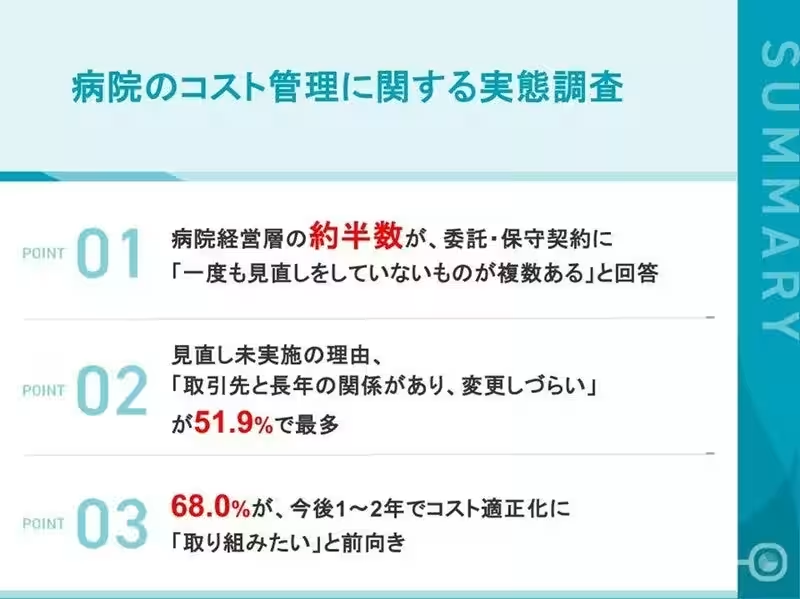
The survey highlights that nearly 50% of hospital executives have never reviewed certain contracted services or maintenance agreements. This lack of adequate review processes signifies a pressing need for better cost optimization efforts in the sector. Although labor costs are often perceived as non-negotiable, material costs, outsourcing expenses, and equipment-related expenditures (which account for about 30% of healthcare facility spending) present opportunities for improvement. However, hurdles such as the need for specialized knowledge in contracts and longstanding relationships with suppliers can complicate efforts to implement necessary changes.
Survey Findings: Key Insights
1. Management Structure
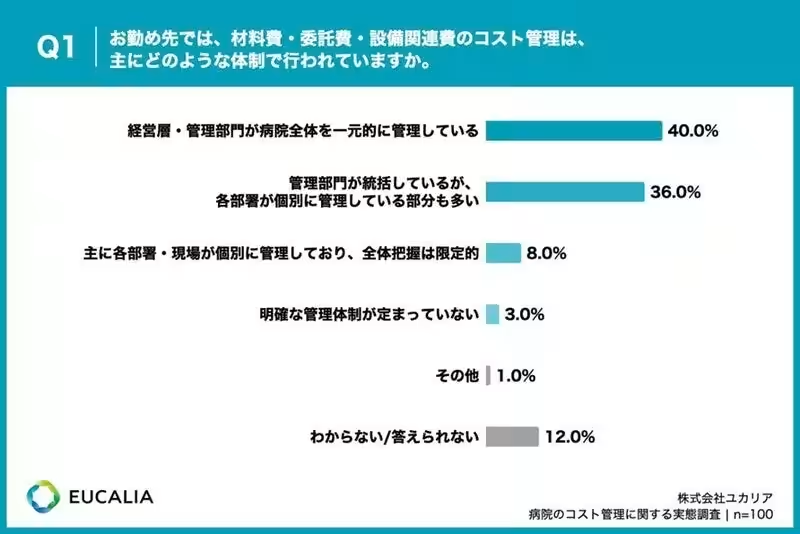
When inquired about the structure of cost management for materials, outsourcing, and equipment, 40% of respondents indicated that hospital management oversees these areas centrally, while 36% reported that individual departments also manage aspects independently. This finding suggests a mixed approach to managing costs, which may hinder cohesive strategies across departments.
2. Decision-Making Authority
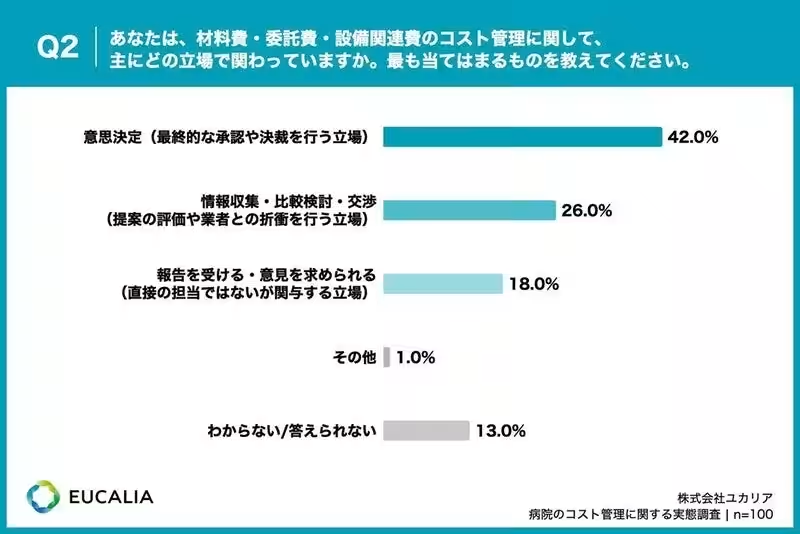
The survey revealed that 42% of participants hold decision-making power within their organizations, indicating a substantial portion of executives directly influence cost-related decisions. Meanwhile, 26% are involved in gathering information, evaluating proposals, and negotiating terms with suppliers.
3. Contract Reviews
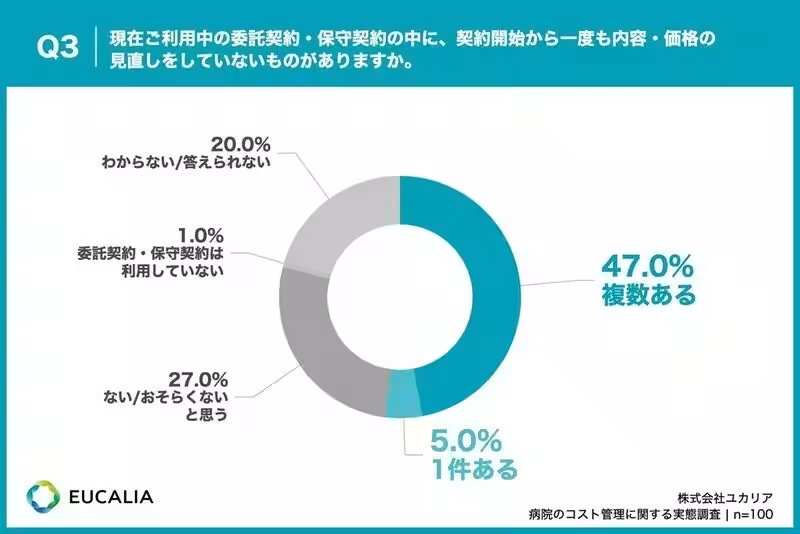
A staggering 47% of respondents reported having multiple service and maintenance contracts that have not been reviewed since their initiation. This revelation raises concerns about the adequacy of financial oversight and suggests that many hospitals are potentially overpaying for services due to stagnant agreements.
4. Barriers to Review
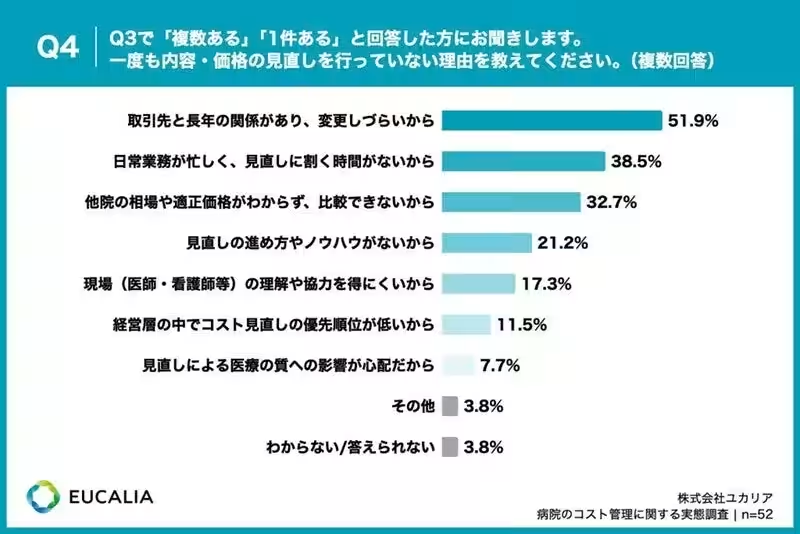
Among those who reported unreviewed contracts, 51.9% cited long-standing relationships with suppliers as a major barrier to renegotiation. Other impediments included time constraints due to busy operational schedules (38.5%) and lack of awareness regarding market standards and fair pricing (32.7%).
5. Cost Management Challenges
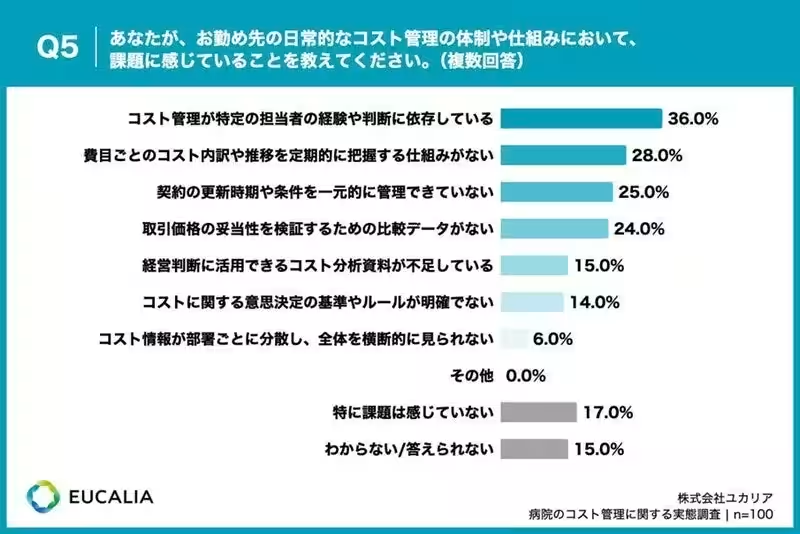
From the survey, 36% of executives indicated that their cost management practices overly rely on individual experiences and judgments of designated personnel. Additionally, 28% noted the absence of systems to monitor cost breakdowns and trends, which poses risks for sustainable management practices.
6. Industry-Specific Challenges
Respondents articulated difficulties faced in the sector, such as monopolistic conditions that obscure fair price assessments and the urgency of daily operations that divert attention from comprehensive cost reviews.
7. Pricing Strategies
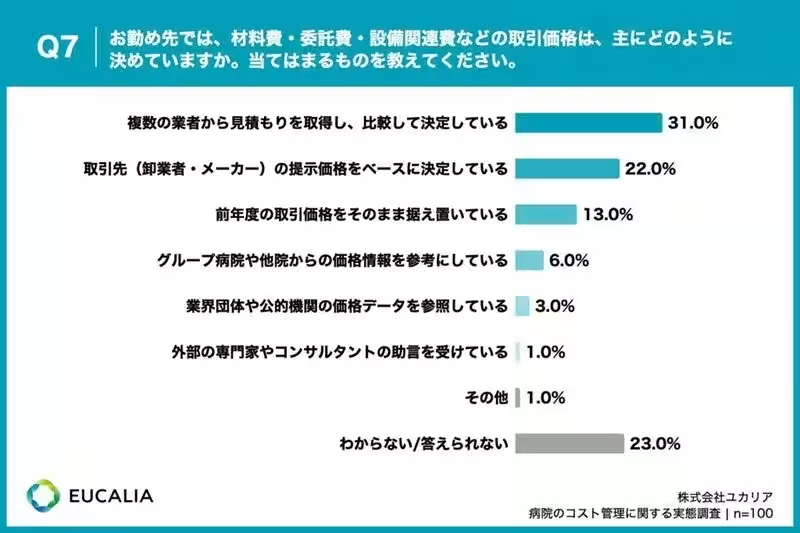
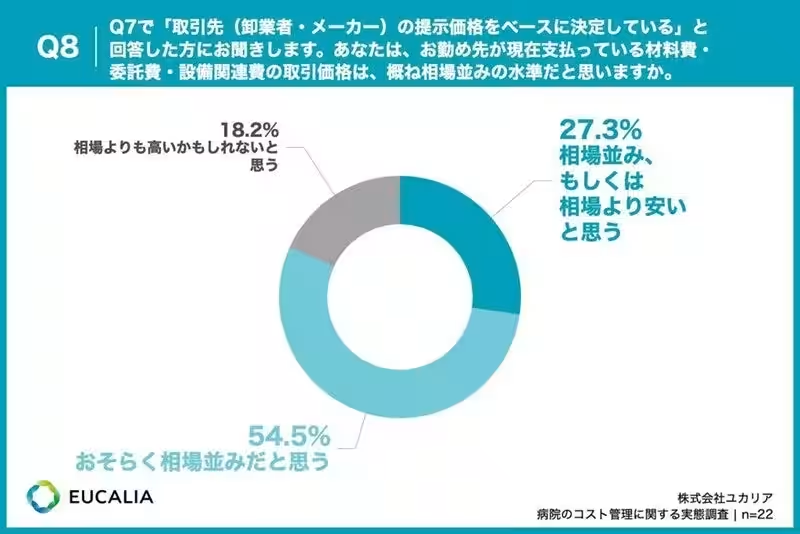
On pricing strategy assessments, 31% of executives reported that they obtain quotes from multiple vendors before making decisions, while 22% based their purchasing decisions on suppliers' suggested prices. This reliance on vendor pricing can further complicate efforts to ensure fair market value.
8. Desire for Cost Optimization
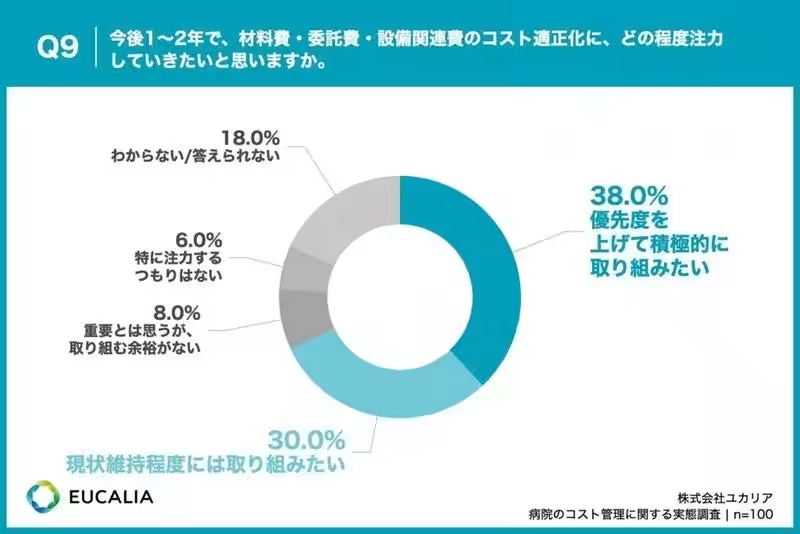
Notably, 68% of executives expressed intentions to focus on cost optimization in the coming one to two years, with 38% indicating a willingness to prioritize these efforts.
Conclusions
The survey results indicate that hospitals recognize the need for reviewing materials, outsourcing, and equipment contracts. However, the complexity of existing relationships and time constraints prevent decisive actions. The research highlights the duality of aspiration versus action—while there is a clear interest in reform, structural limitations hinder progress. Addressing these gaps requires a commitment to transparency in pricing data and the development of streamlined contract management systems, ensuring that cost-reduction efforts do not compromise the quality of healthcare provided.
Eucalia's Role
Eucalia aims to bridge this gap by supporting hospitals in understanding their cost management landscape and implementing actionable solutions. Through partnerships, Eucalia offers comprehensive assistance from identifying issues, designing strategies, to executing negotiations.
Eucalia's Support Features:
1. Leveraged Experience - With support to 31 partner hospitals, Eucalia utilizes practical methods that have proven effective in similar settings.
2. Maintaining Quality - Eucalia emphasizes designing cost optimization strategies that do not compromise the quality of care.
3. Comprehensive Execution - Beyond mere consultation, Eucalia assists with negotiations and agreement structures to foster sustainable cost management practices.
For more details, visit Eucalia's Website.
Topics Health)


【About Using Articles】
You can freely use the title and article content by linking to the page where the article is posted.
※ Images cannot be used.
【About Links】
Links are free to use.