



The Challenges of Home Working: Insights from BIZcomfort's Survey on Focus and Productivity
Understanding the Remote Work Landscape
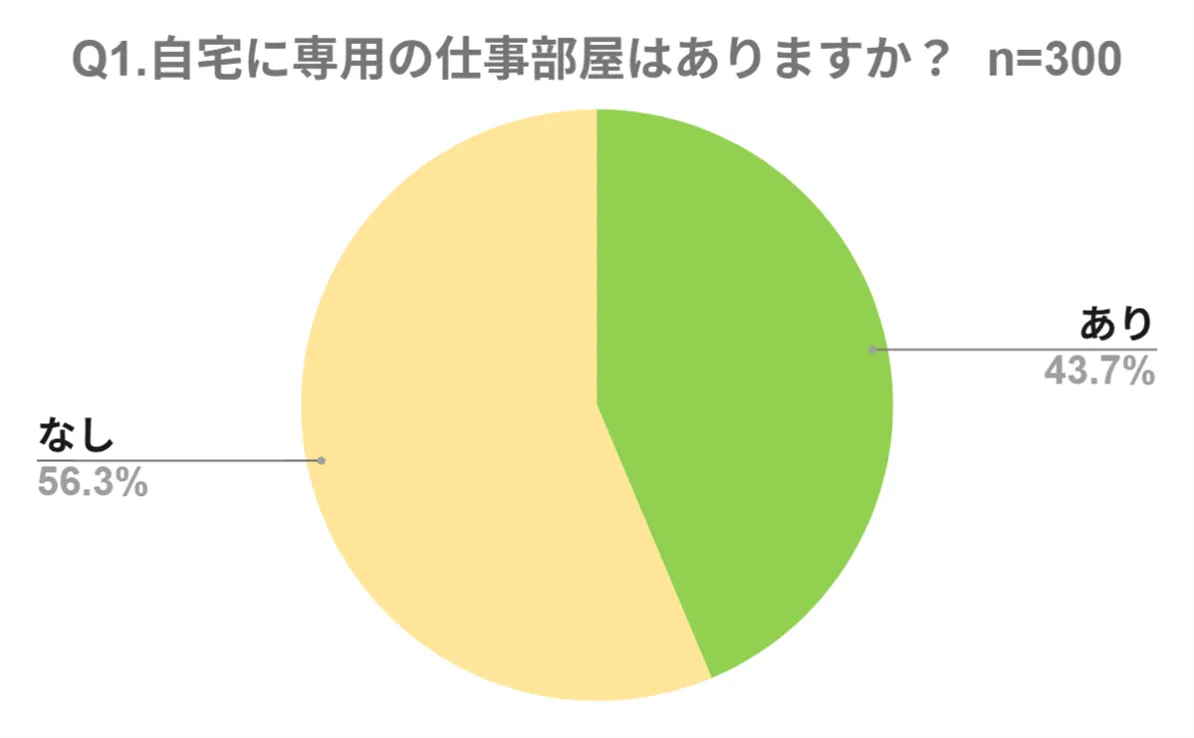
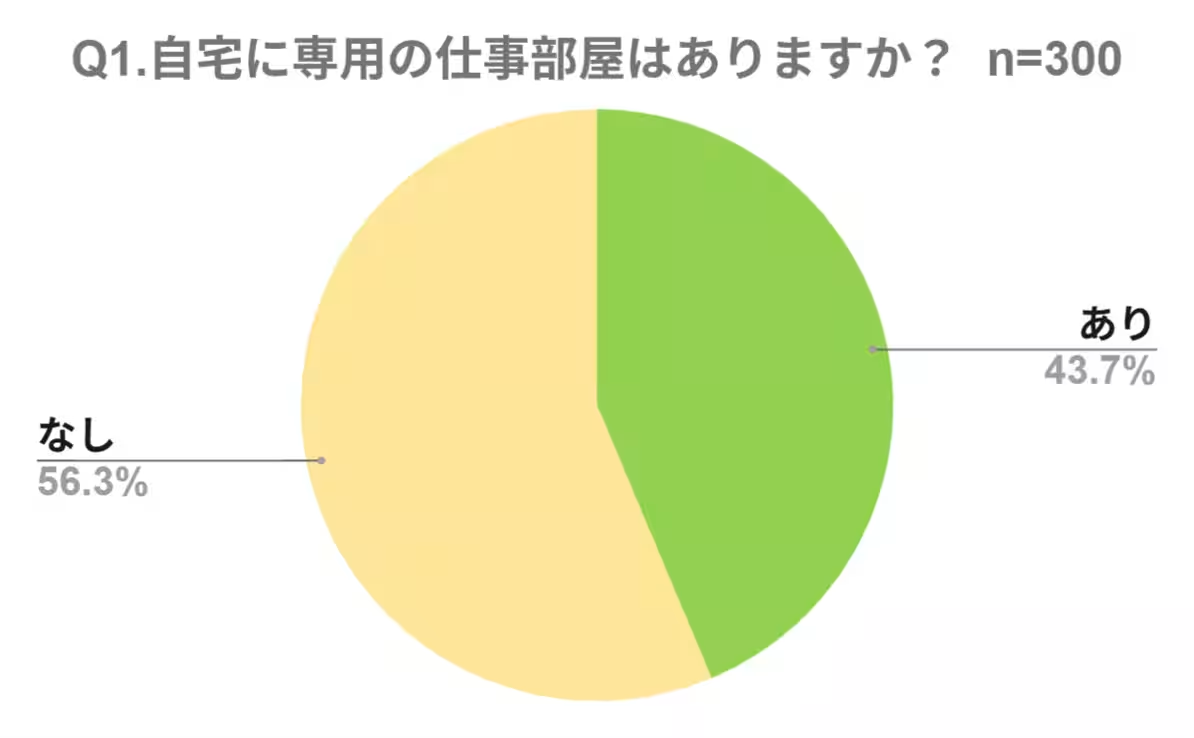
In the wake of the global pandemic, remote work has become an integral part of the modern work culture. With many employees now accustomed to working from home, a recent survey conducted by BIZcomfort, a subsidiary of WOOC, highlights the struggle for focus that many face despite having a designated workspace. This comprehensive study sheds light on the relationship between home work environments and productivity, drawing insights from 300 business professionals who work from home at least once a week.
Background of the Study
The survey, conducted between February 10 and February 13, 2026, aimed to explore how the evolving nature of work impacts focus and productivity in home settings. It was born out of necessity, as many employees found the line between their professional and personal lives blurring. With increased reliance on remote work, understanding how to create an effective workspace at home has never been more critical.
Key Findings from the Survey
Challenges of Focus
A striking result from the survey indicates that even among those equipped with dedicated workspaces, a significant 39.7% report difficulties concentrating at home. Surprisingly, those with specific home offices are more likely to feel this way compared to those without such spaces. This finding counters the common assumption that a separate room automatically ensures productivity.
Popular Work Locations
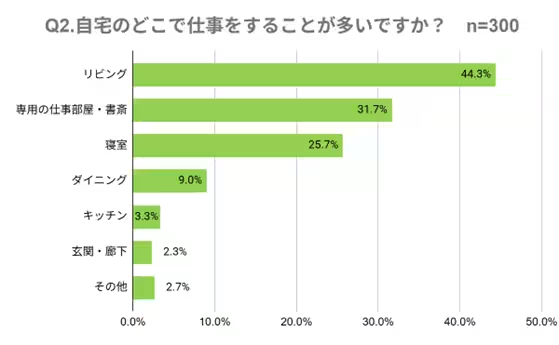
When it comes to work locations, 44.3% of respondents revealed they primarily work in their living rooms. This statistic underscores the reality that many remote workers share their living spaces for both work and leisure, which can lead to distractions and reduced focus.
Strategies for Improvement
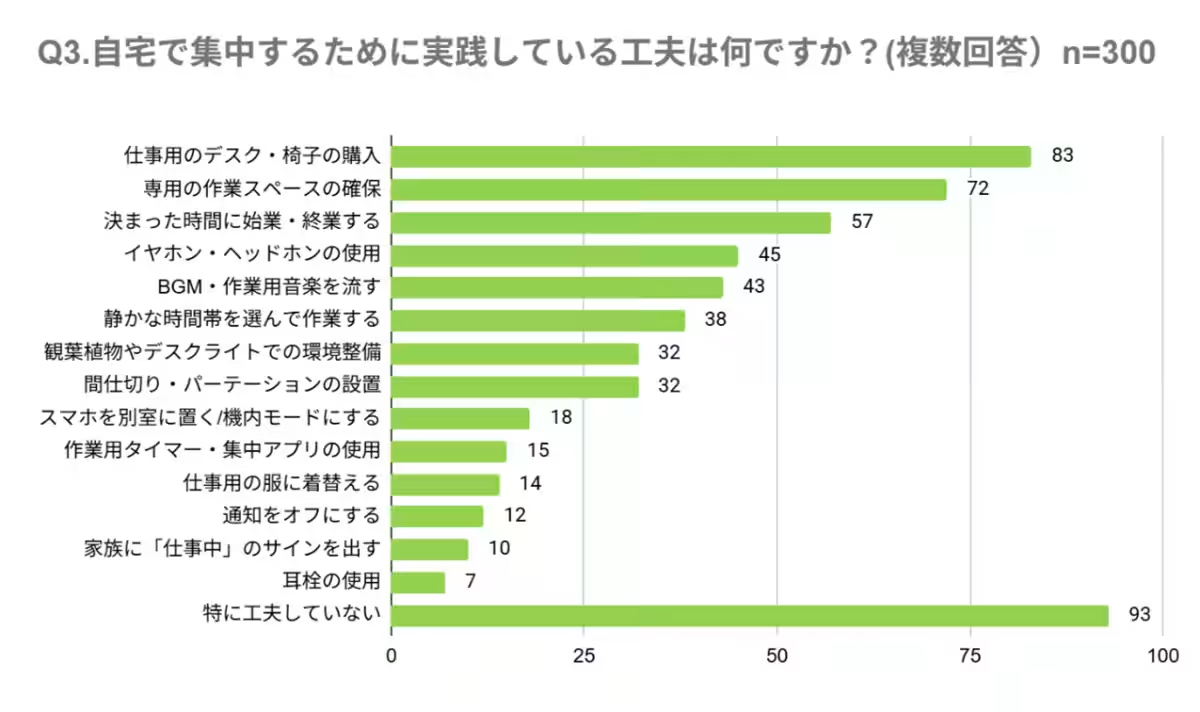
The survey also queried participants on how they attempt to enhance their concentration. The top three strategies included purchasing a proper desk and chair, allocating a dedicated workspace, and setting fixed hours for starting and ending work. These approaches reflect an understanding that creating a conducive work environment involves not just physical arrangements but also the establishment of routines.
Persistent Obstacles
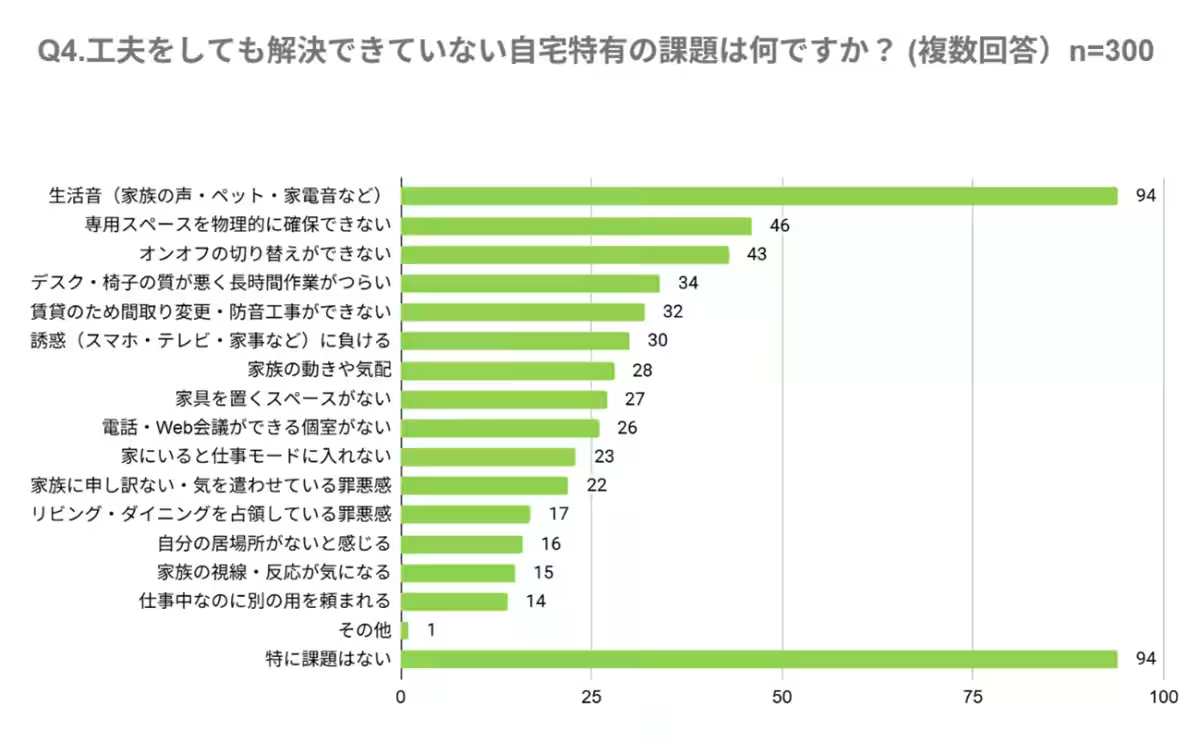
Despite these efforts, noise from daily life emerged as the most significant challenge to maintaining focus, with many respondents indicating that they struggle to control environmental distractions. This reality became apparent when approx. 60% of those living with family reported that they could concentrate better when their family members were absent.
These findings illustrate that improving focus at home is not merely about improving furniture or layout; the structural and social dynamics of the living environment are equally influential.
The Need for Flexible Working Environments
As remote work solidifies its place in our professional lives, the survey calls attention to the need for not just physical spaces but also a psychological perspective in the design of work environments. Employees are seeking flexibility in where and how they work, which suggests that companies need to adopt a more holistic approach to facilitating productivity in various settings, whether at home or in coworking environments.
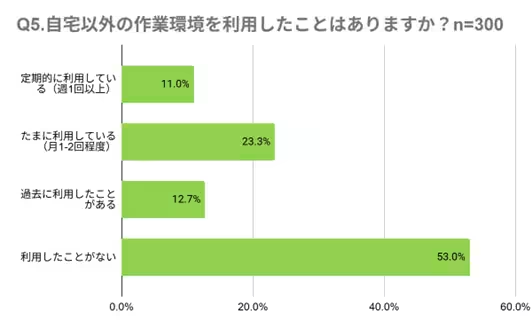
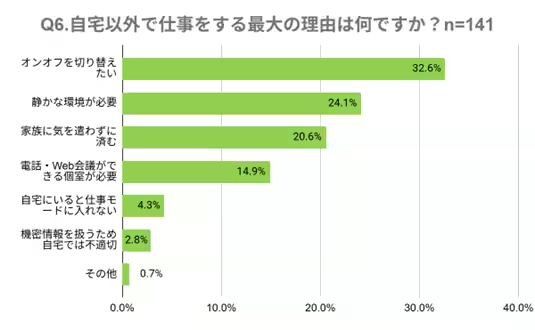
Additionally, of those surveyed, 47% have utilized alternative workspaces outside their homes. The chief reasons cited include the ability to separate work and home life and the need for quieter environments, further validating the survey's findings on the limitations of home workspaces.
Conclusion
The insights gained from this survey are vital as businesses and individuals adapt to this new era of work. While many home workers strive to create optimal environments for focus and productivity, it’s clear that challenges remain that cannot be overlooked. As work-life balance becomes more critical, BIZcomfort aims to address these challenges by providing innovative and productive shared workspaces, ensuring that individuals can work comfortably and efficiently. As we move forward, organizations must prioritize the mental and physical well-being of their employees, promoting flexible work arrangements that benefit the workforce.
For more insights on creating effective workspaces and the benefits of coworking, visit BIZcomfort's website.



Topics Other)
【About Using Articles】
You can freely use the title and article content by linking to the page where the article is posted.
※ Images cannot be used.
【About Links】
Links are free to use.