



Misunderstanding of Painful Bumps: Understanding Hidradenitis Suppurativa
Misunderstanding of Painful Bumps: Understanding Hidradenitis Suppurativa
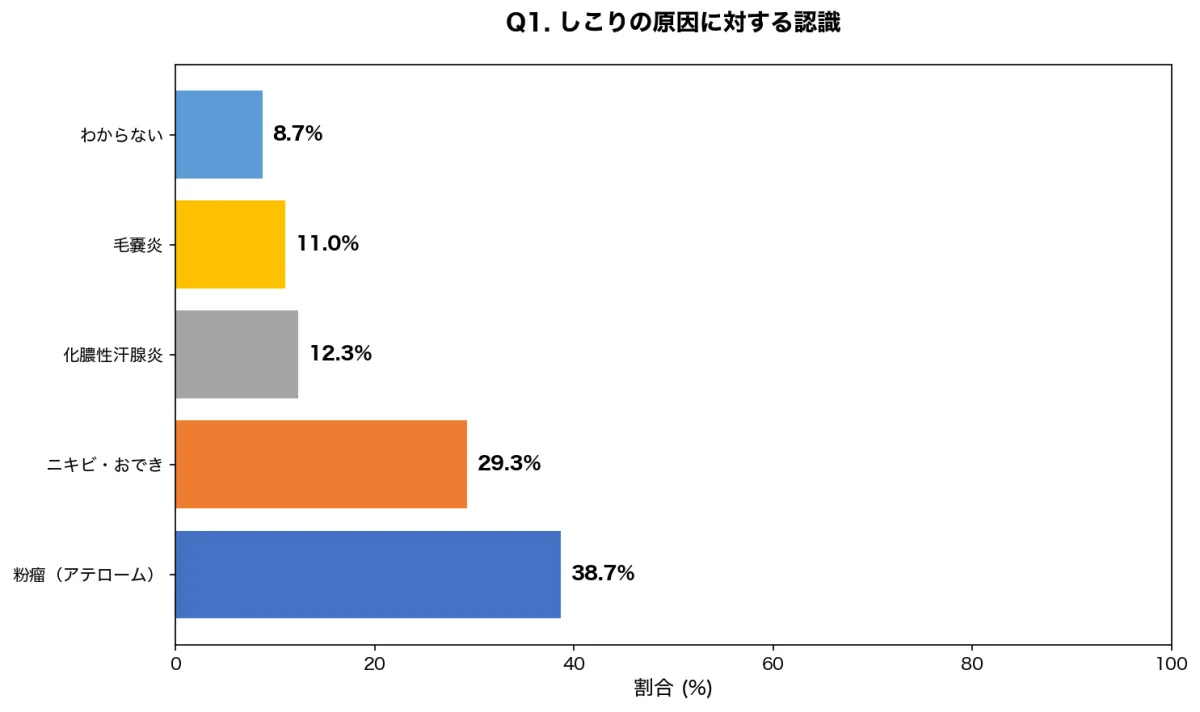
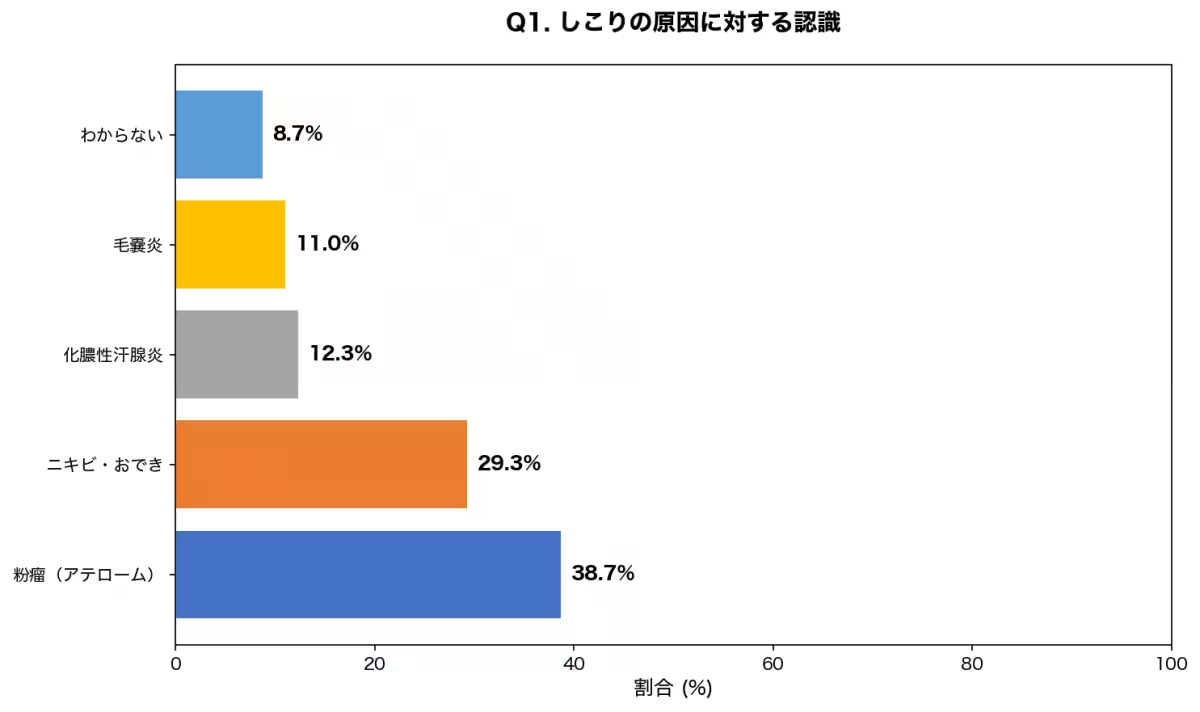
Recent findings have opened up an important conversation about a frequently misunderstood skin condition. A survey conducted by IC Clinic unveiled that approximately 68% of respondents erroneously classify painful lumps found under arms and near the buttocks as either cysts or acne. Shockingly, only 12.3% of the participants correctly recognized this condition as Hidradenitis Suppurativa (HS).
Hidradenitis Suppurativa is a chronic inflammatory skin disorder characterized by recurrent painful lumps and abscesses primarily in areas rich in apocrine glands such as the armpits, buttocks, groin, and under the breasts. This condition is distinct from cysts, which are benign tumors characterized by a single sac filled with keratin and sebum. In contrast, HS is marked by chronic inflammation of the hair follicles leading to multiple lesions.
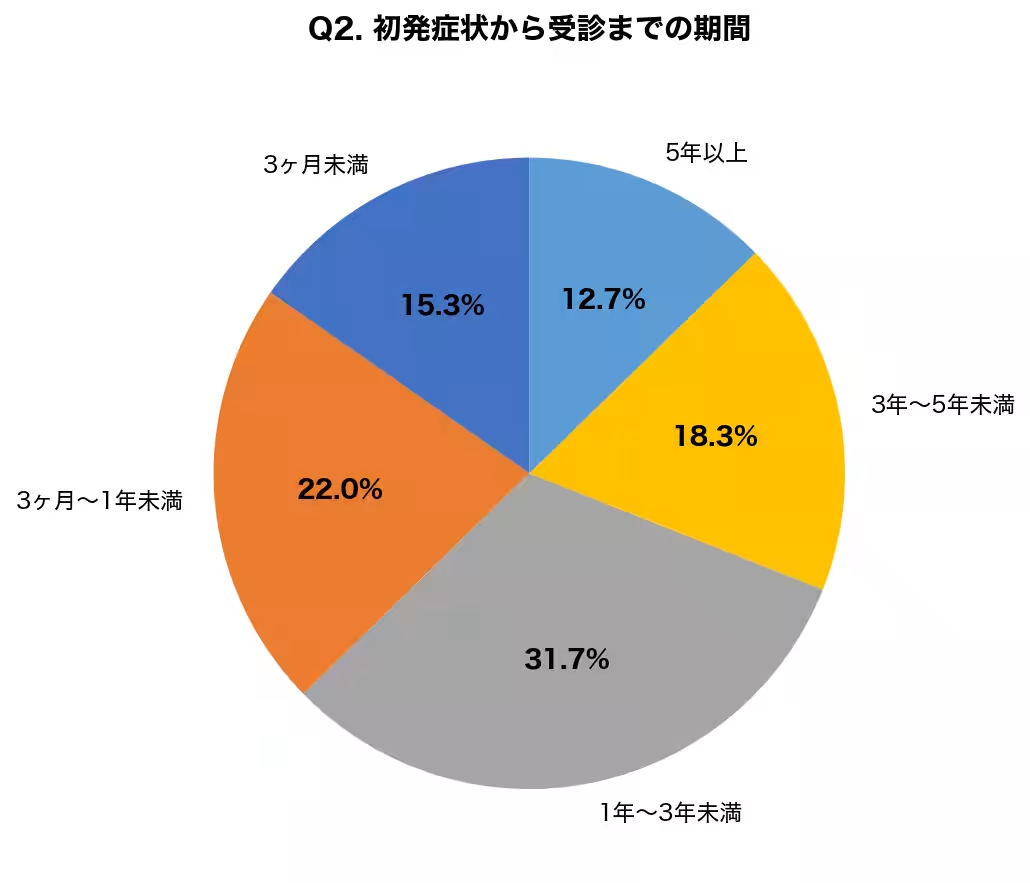
The survey emphasized the significant misconceptions regarding HS. Many participants mistook the condition for benign cysts or acne, which resulted in delayed treatment. On average, it took participants 2.8 years to seek medical help after symptoms first appeared, with 74.7% of them experiencing worsened symptoms during this waiting period. The consequences of neglecting this condition can be severe, as those who wait more than three years for treatment may find their surgical needs expand to over three times the initial extent of the disease.
Understanding Hidradenitis Suppurativa
HS is caused by the blockage and rupture of hair follicles, leading to chronic inflammation and the potential formation of sinus tracts beneath the skin. It typically peaks in individuals in their 30s and is more prevalent among women. In contrast, cysts, or epidermoid cysts, can form anywhere on the body and are generally painless unless infected. HS is characterized by multiple painful lesions, often resulting in severe discomfort, pus, and potential scarring.
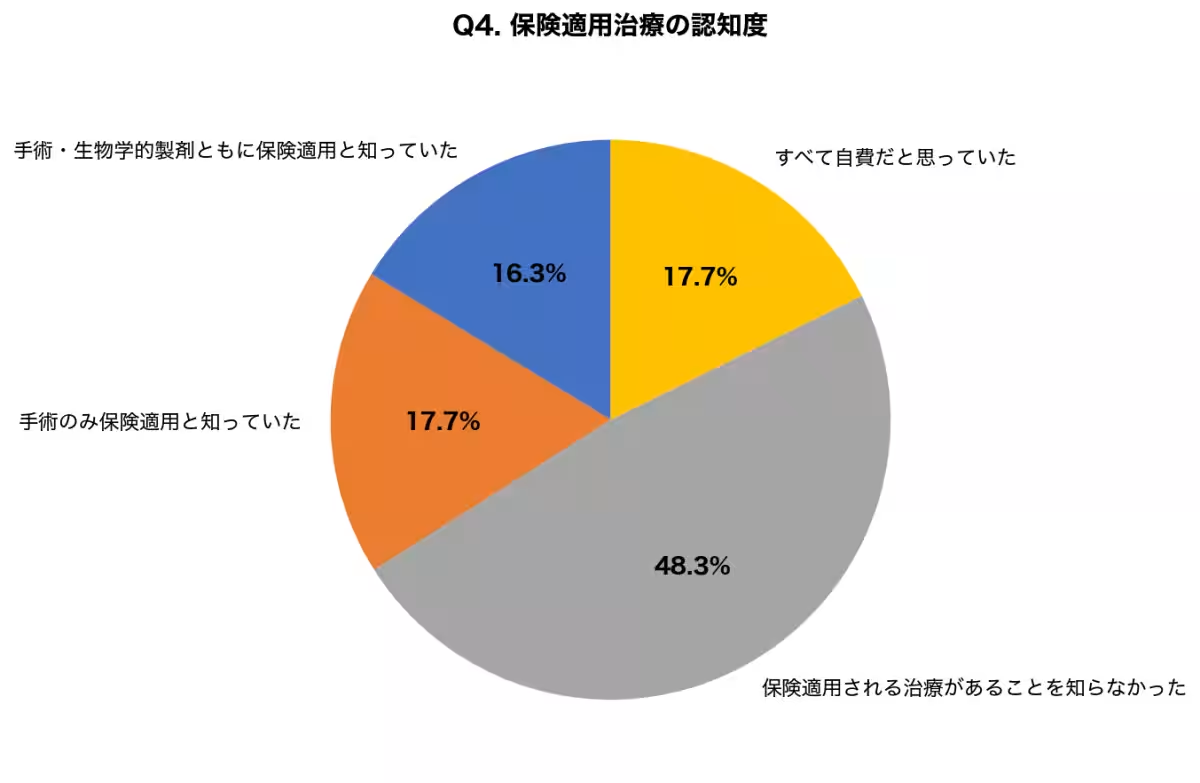
The study sheds light on the urgent need for improved awareness around HS. Many patients are unaware that insurance-covered treatments, including surgical interventions and biological agents, are available. Despite the introduction of biologics in 2024, only 34% of the participants recognized that treatments for HS could be insurance-covered. A staggering 66% believed they would have to pay out of pocket.
Implications of Delaying Treatment
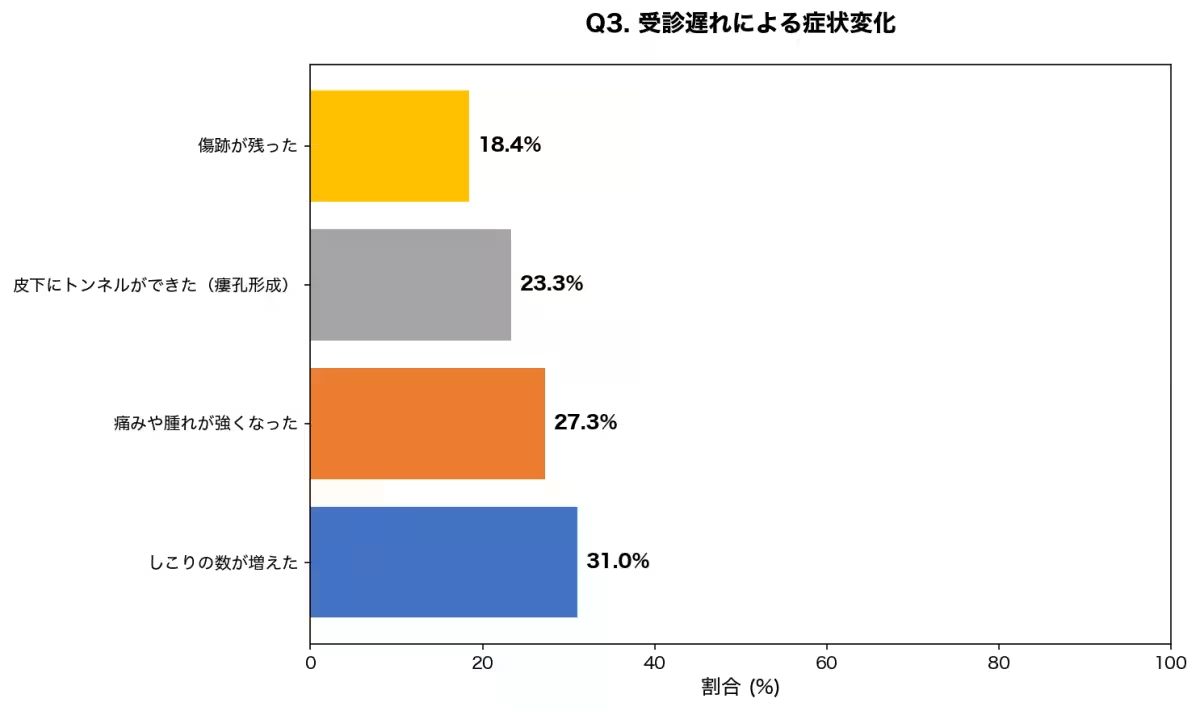
The consequences of delayed treatment can be drastic. The survey found that 74.7% of participants experienced deteriorating conditions, and 23.3% developed sinus tracts, which complicate the treatment process. Surgical interventions become essential when these tracts form, as conservative treatments such as topical medications become ineffective.
On the brighter side, early treatment appears to yield positive outcomes. Among those who sought treatment early, satisfaction levels stood at an impressive 82.3%. In contrast, individuals who postponed treatment experienced expanded surgical requirements, averaging three times greater than those who began treatment promptly.
Conclusion: The Importance of Early Diagnosis
The survey emphasized the critical need for education on Hidradenitis Suppurativa. Recognizing the symptoms and seeking timely medical intervention could significantly alleviate suffering. The medical community must foster awareness to dispel myths surrounding HS while ensuring that patients understand the available resources, including insurance-covered treatments.
Dr. Kota Takakuwa, a leading physician at IC Clinic, highlighted that appropriate diagnosis and treatment can help many patients control their symptoms. Early recognition of HS is crucial, as it allows for better management and a higher quality of life for those afflicted.
If you are experiencing recurrent lumps in the armpits, buttocks, or groin, do not hesitate to consult a healthcare provider. Timely action can prevent further complications and lead to effective management of this chronic condition.
Topics Health)
【About Using Articles】
You can freely use the title and article content by linking to the page where the article is posted.
※ Images cannot be used.
【About Links】
Links are free to use.