



FelicitySolar Engages in the Critical LFP vs Sodium-Ion Battery Debate on ENF Trade TV
FelicitySolar's Insights on Battery Technologies
FelicitySolar, a global leader in hybrid and off-grid energy storage systems, recently participated in a thought-provoking discussion with ENF Trade TV regarding the ongoing debate between lithium iron phosphate (LFP) batteries and sodium-ion batteries. As the global demand for energy storage escalates, the chemistry behind battery technology becomes increasingly essential for investors and end-users alike.
Global Energy Storage Landscape
The energy storage market is experiencing unprecedented growth, particularly in North America and Europe. This trend largely stems from rising electric costs, the need to diversify energy sources, and ambitious carbon reduction goals. By 2025, LFP batteries are expected to constitute over 60% of primary storage installations worldwide, owing to their proven reliability, strong supply chains, and competitive cost structures. Meanwhile, sodium-ion batteries are gaining traction due to their abundant raw materials and potential for lower costs.
Technical Analysis: LFP vs. Sodium-Ion
1. Energy Density: Sodium-ion batteries typically offer energy densities ranging from 100 to 160 Wh/kg, while LFP systems can reach 160 to 200 Wh/kg. This higher energy density translates to more electricity contained in a smaller space, making LFP batteries preferable for residential and commercial applications.
2. Thermal Stability and Safety: Safety is paramount in residential and commercial energy storage. While sodium-ion chemistry performs well, LFP batteries continue to dominate the industry in terms of thermal stability, ensuring safer operations under high loads and extreme conditions.
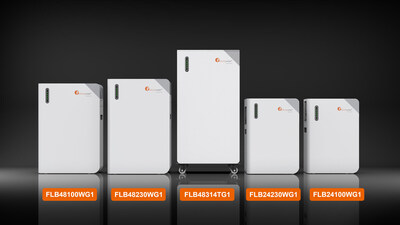
3. Low-Temperature Performance: Sodium-ion batteries excel in low-temperature performance, maintaining high power output down to -20°C. However, LFP technology is closing this gap. The FLB series from FelicitySolar incorporates optional heating modules that retain battery efficiency in extreme cold, making them suitable for harsh climates.
4. Longevity and ROI: LFP batteries can withstand 4,000 to 8,000 cycles, significantly outperforming the 1,000 to 3,000 cycles of sodium-ion batteries. FelicitySolar’s FLB series boasts a lifespan of 6,000 to 8,000 cycles, providing long-term reliability, reduced replacement costs, and better ROI for both homeowners and commercial operators.
5. Long-Term Storage Efficiency: LFP batteries have low self-discharge rates (around 3%), making them ideal for seasonal storage or emergency backup. The higher self-discharge rates of sodium-ion batteries can compromise efficiency when systems remain unused for extended periods.
6. Environmental Impact: Sodium-ion batteries reduce reliance on rare metals and leverage the abundance of sodium, though they incur higher energy production costs per unit. Conversely, the iron and phosphate composition of LFP batteries benefits from low-emission manufacturing and stable raw material supply, allowing for large-scale sustainable deployment.
Conclusion
With incentives for residential and commercial energy storage systems being adopted in North America and Europe, LFP batteries are well-positioned to meet increasing demand. While sodium-ion technology shows promise for cost-sensitive applications, its adoption will depend on ongoing validation of performance and application-specific requirements.
LFP technology remains the cornerstone of reliable energy storage solutions. Innovations such as optional heating modules in FelicitySolar's FLB series ensure optimal battery performance, even in low-temperature environments, making them an ideal choice for residential and commercial users during winter months. Though sodium-ion batteries hold future potential, LFP batteries continue to provide proven value today.
For more information, visit FelicitySolar.
Topics Energy)
【About Using Articles】
You can freely use the title and article content by linking to the page where the article is posted.
※ Images cannot be used.
【About Links】
Links are free to use.