



Revolutionizing the Industrial Waste Management with AI: Introducing WasteOS for Small Operators
Transforming Industrial Waste Management with AI
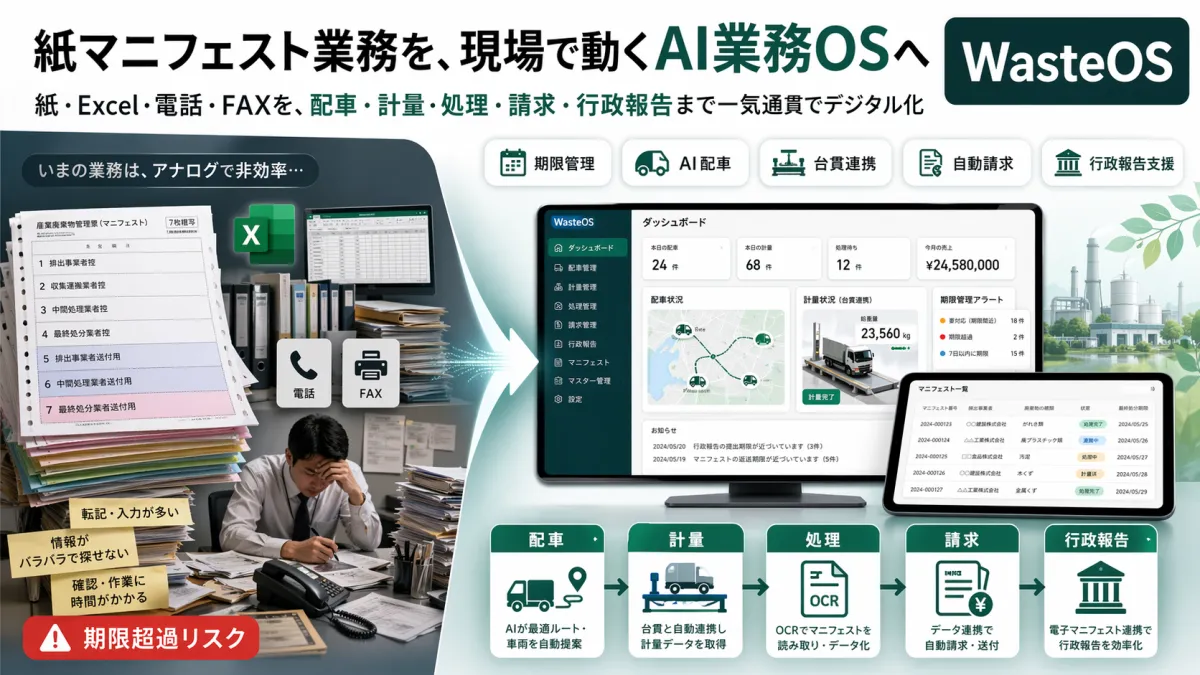
In a bold move, Leach Inc., located in Tokyo and led by Takuya Tominaga, has announced the pre-registration for WasteOS, an innovative AI-driven management system tailored for the industrial waste sector. With over 70% of waste disposal companies having 30 employees or fewer, the introduction of WasteOS represents a significant shift towards modernizing the industry, which is still burdened by outdated methods such as paper manifests, Excel spreadsheets, and FAX communication.
The Challenges of Traditional Waste Management
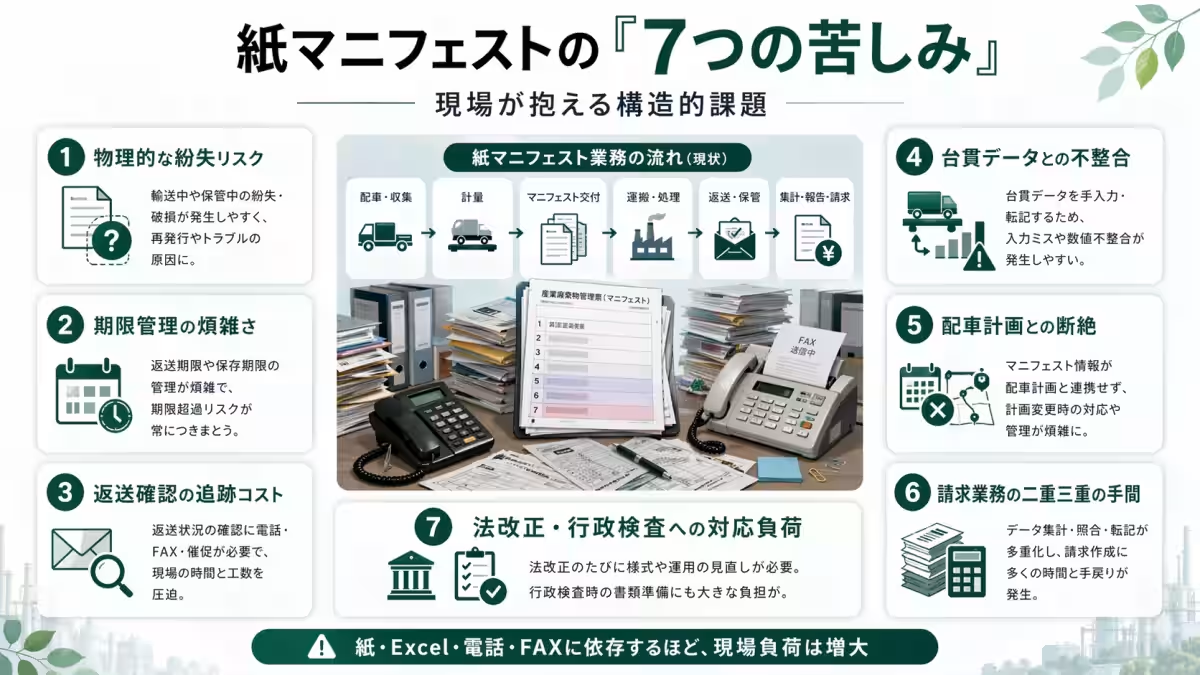
Many small waste management businesses operate in a landscape dominated by cumbersome manual processes. Tasks such as scheduling pickups, weight reporting, billing, and compliance with government regulations are often mired in inefficient paperwork. Deficiencies in these processes are common, leading to administrative headaches and potential legal penalties. For example, missing critical deadlines for returning manifests can result in hefty fines and reputational damage.
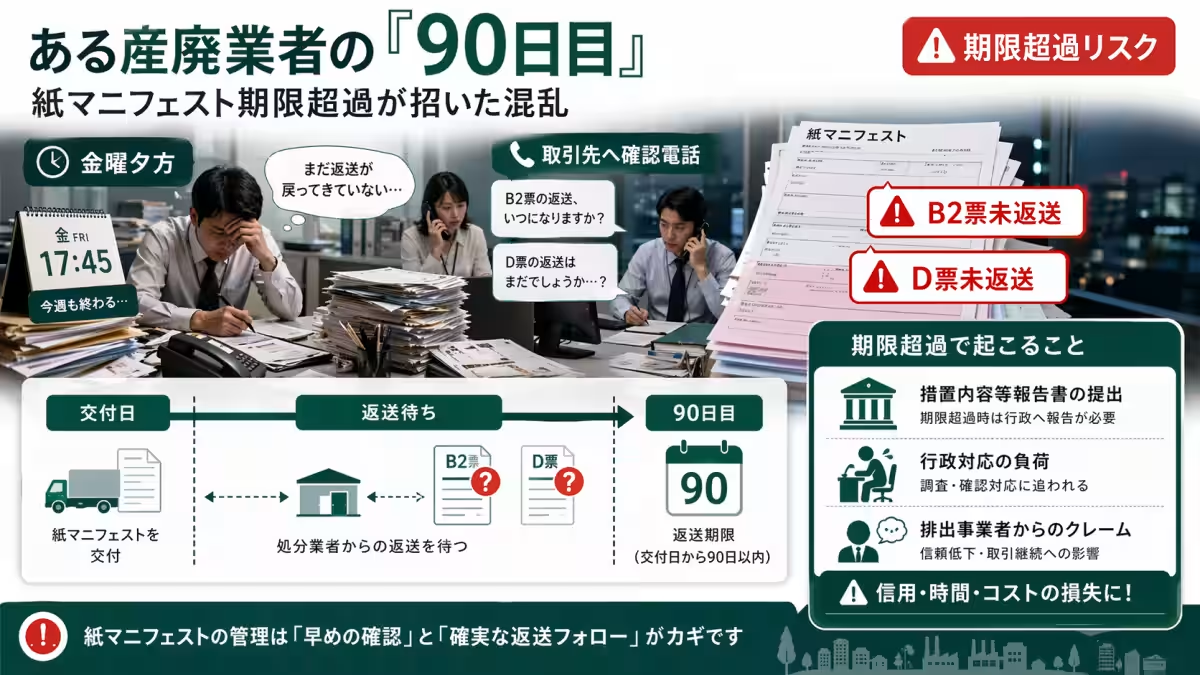
One representative incident illustrates the urgency for change:
'We have three B2 tickets that haven't been returned. Tomorrow is the 90-day deadline.'
In this scenario, the failure to manage necessary documentation within strict timeframes can lead to significant complications for businesses.
Understanding Waste Manifest Complexity
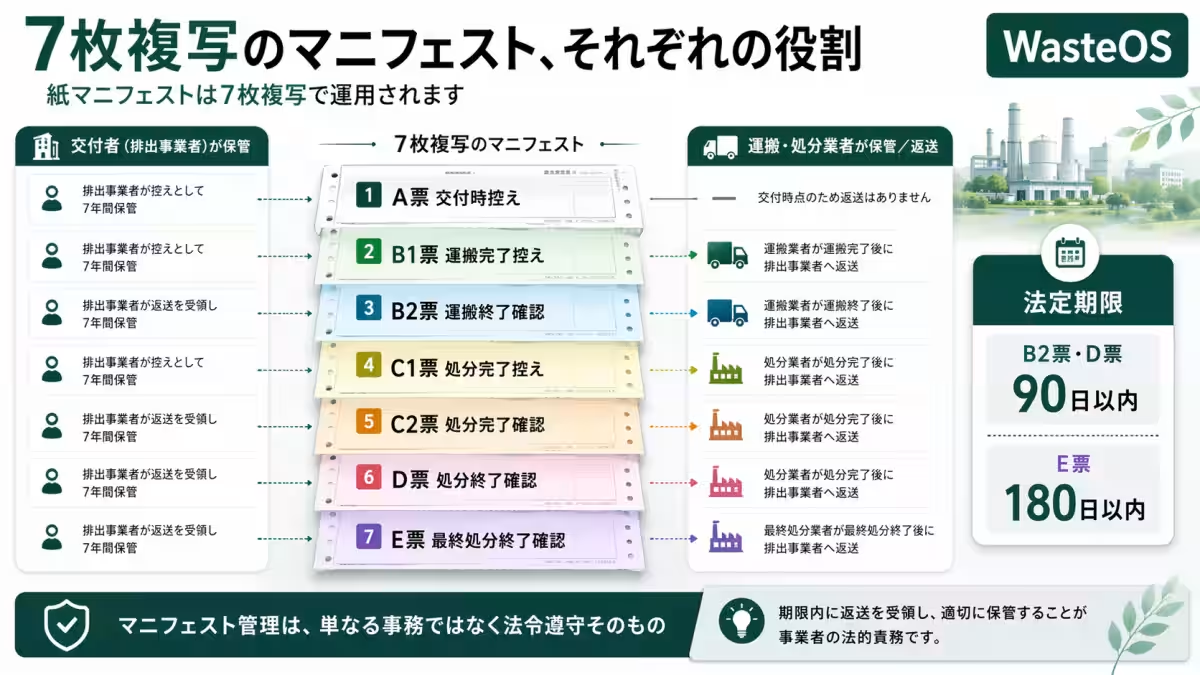
The current waste management system consists of a seven-part paper manifest, established under Japan's Waste Management and Public Cleansing Law amended in 1993. The complexity arises from the vast quantity of paperwork required for each transaction, making tracking and managing compliance increasingly challenging. For instance, once a document is issued, it has to go through a complex web of distribution among the waste producer, hauler, and disposal operator. If any link in this chain breaks, it risks leading to serious compliance issues.
Why Digital Solutions Are Not Enough
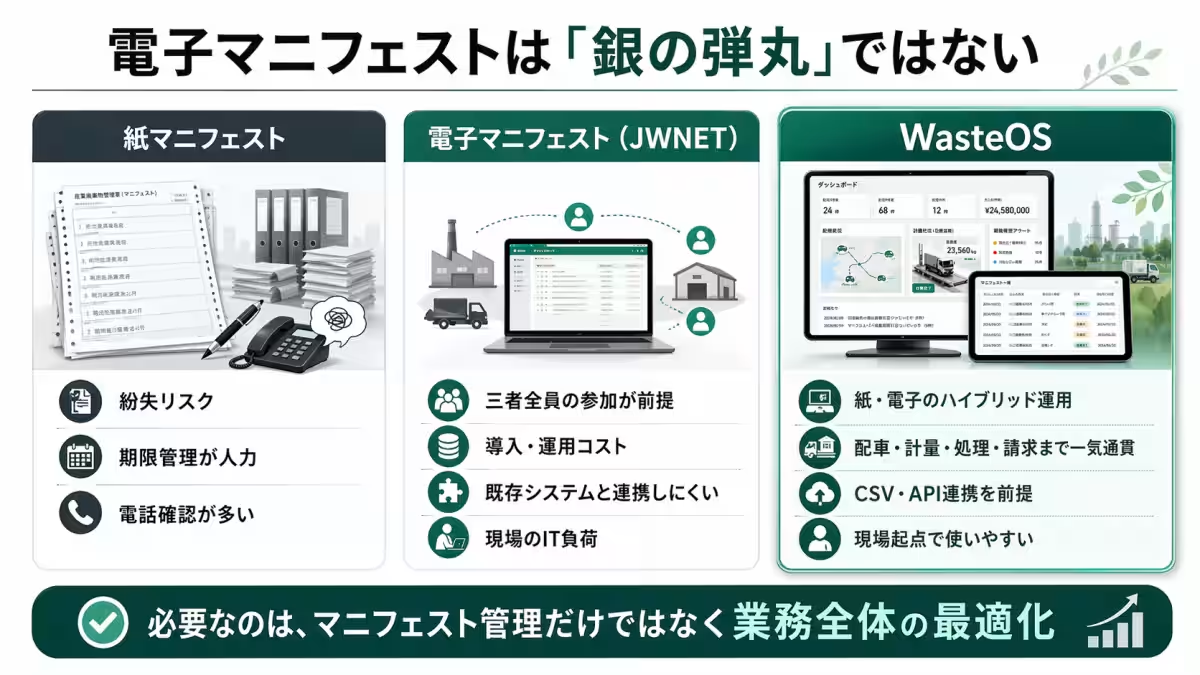
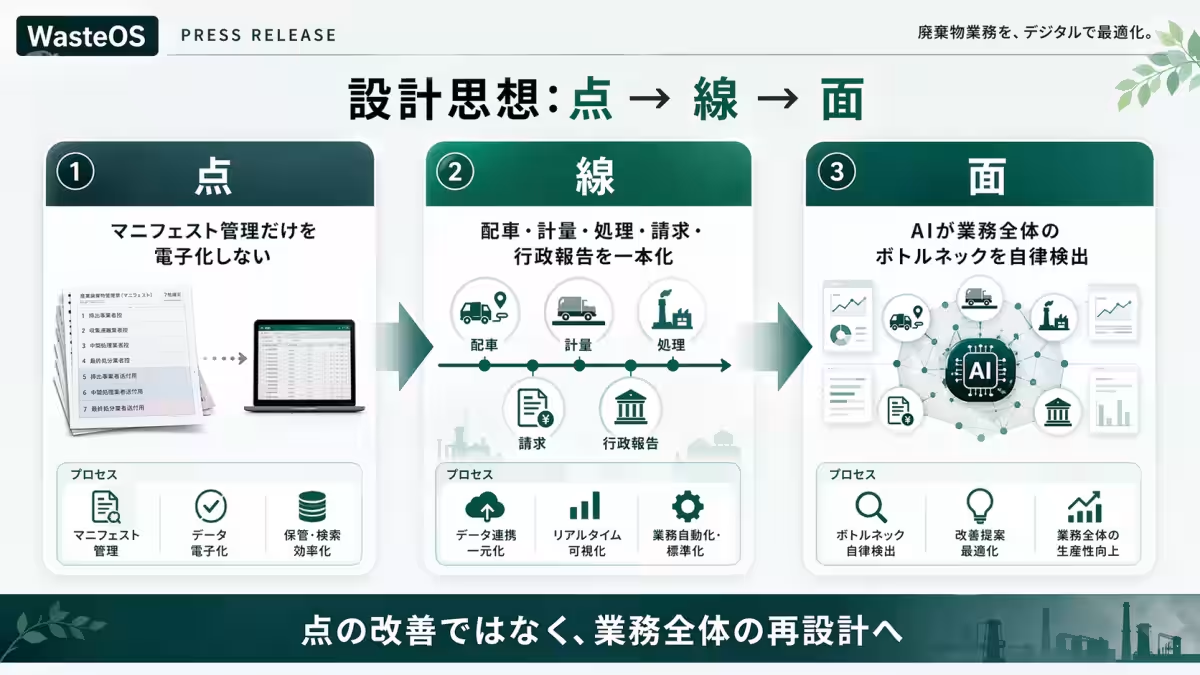
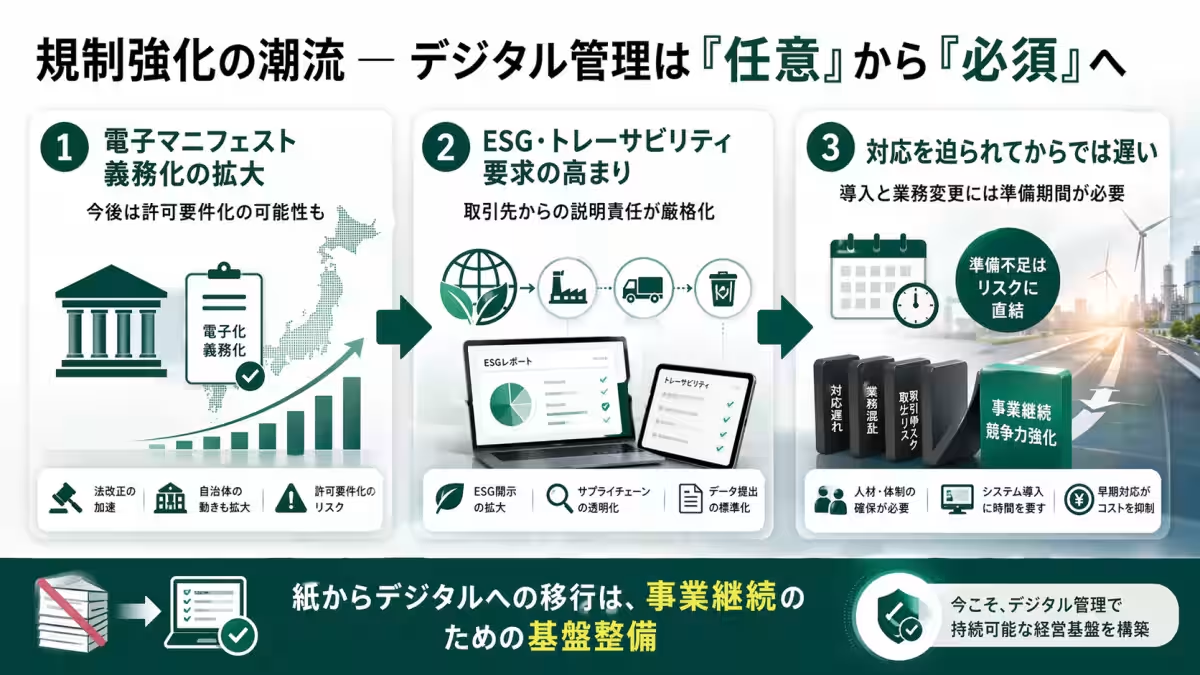
While initiatives such as the JWNET electronic manifest system seek to modernize document handling, many small operators continue relying on paper methodologies. This is due to limited participation, upfront costs, and the inadequacies of existing systems. Merely digitalizing manifest management without integrating it into a holistic operational platform hinders true operational efficiency.
Introducing WasteOS: A Comprehensive Digital Solution
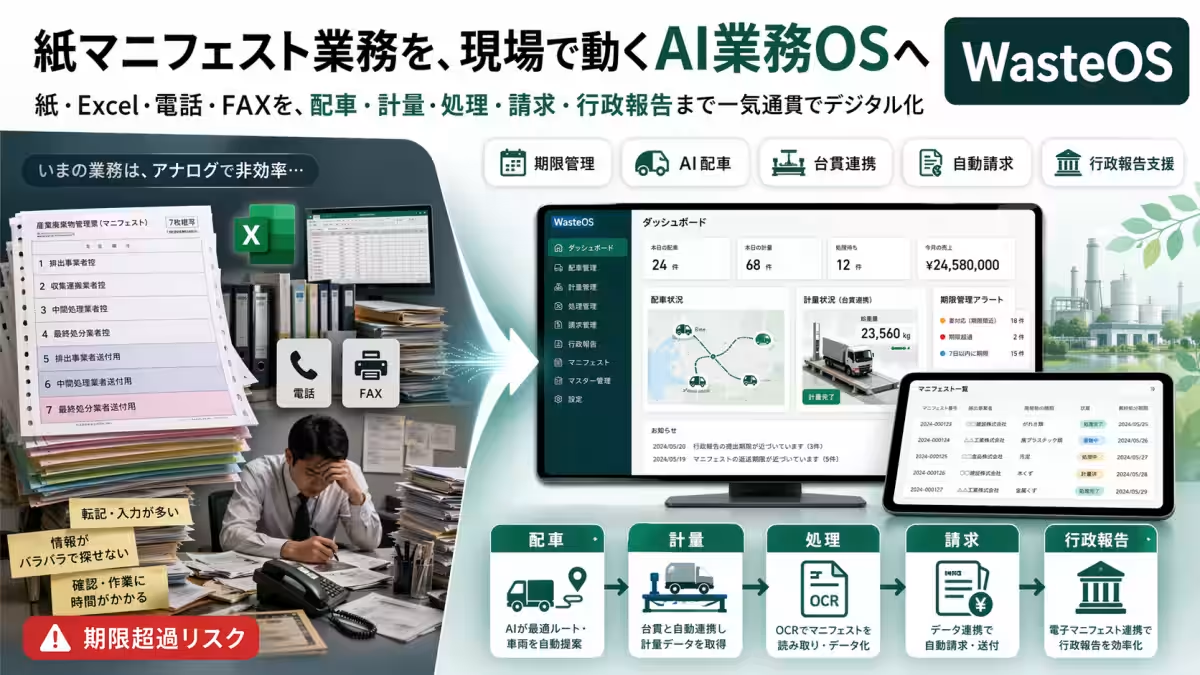
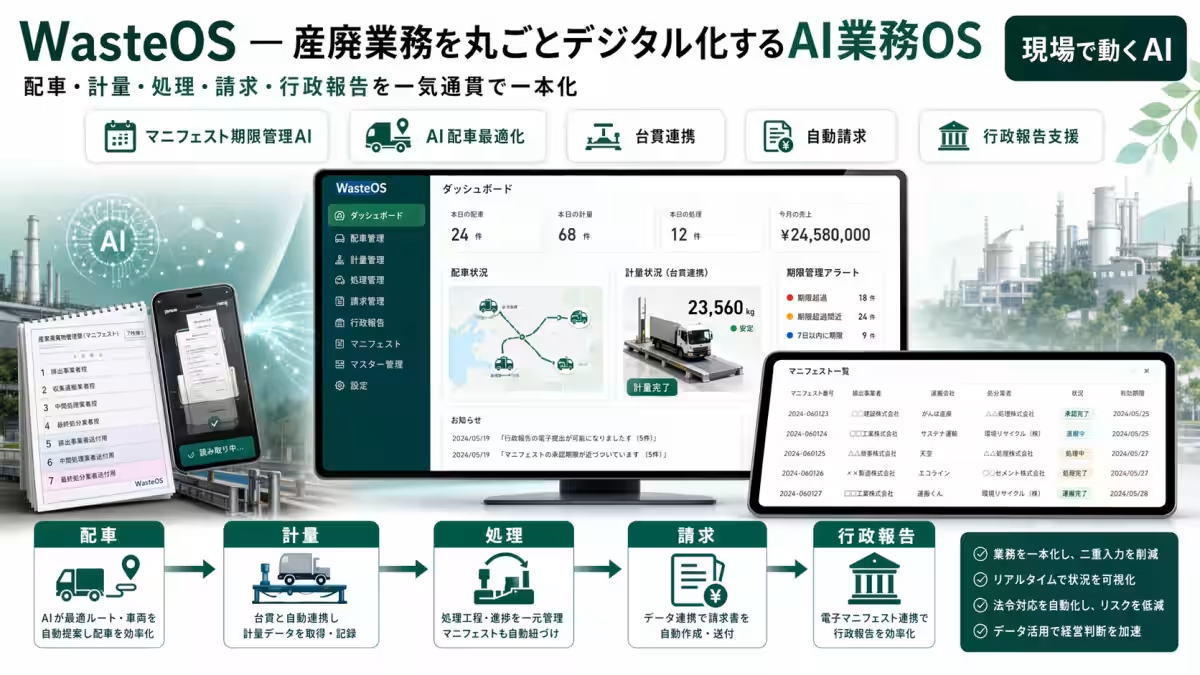
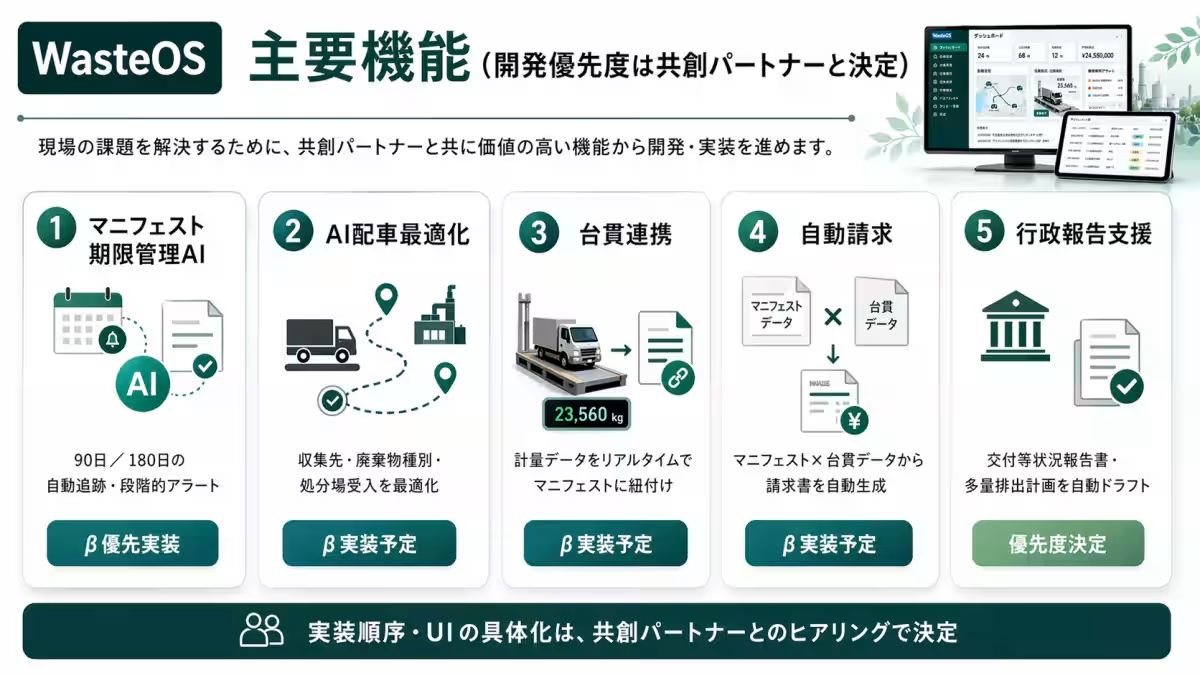
WasteOS is designed to revolutionize the waste management industry by fully integrating key functions into one seamless AI-driven system. Unlike piecemeal solutions, WasteOS will encompass:
- - Automated Manifest Deadline Management: An AI component tracks and generates alerts for manifest submission deadlines, significantly reducing human error.
- - AI-Optimized Routing: Offers real-time suggestions based on parameters like waste type and disposal site capacity.
- - Seamless Weight Data Integration: Connects measurement data directly with manifest documentation to ensure accuracy.
- - Automatic Invoice Generation: Leveraging manifest and weight data for swift creation of billing documents.
- - Admin Report Support: Provides drafts for necessary compliance reports to streamline interactions with authorities.
Leach Inc. is focusing on cooperative development with initial users to not only refine these features based on direct feedback but also to prioritize implementation according to actual field needs.
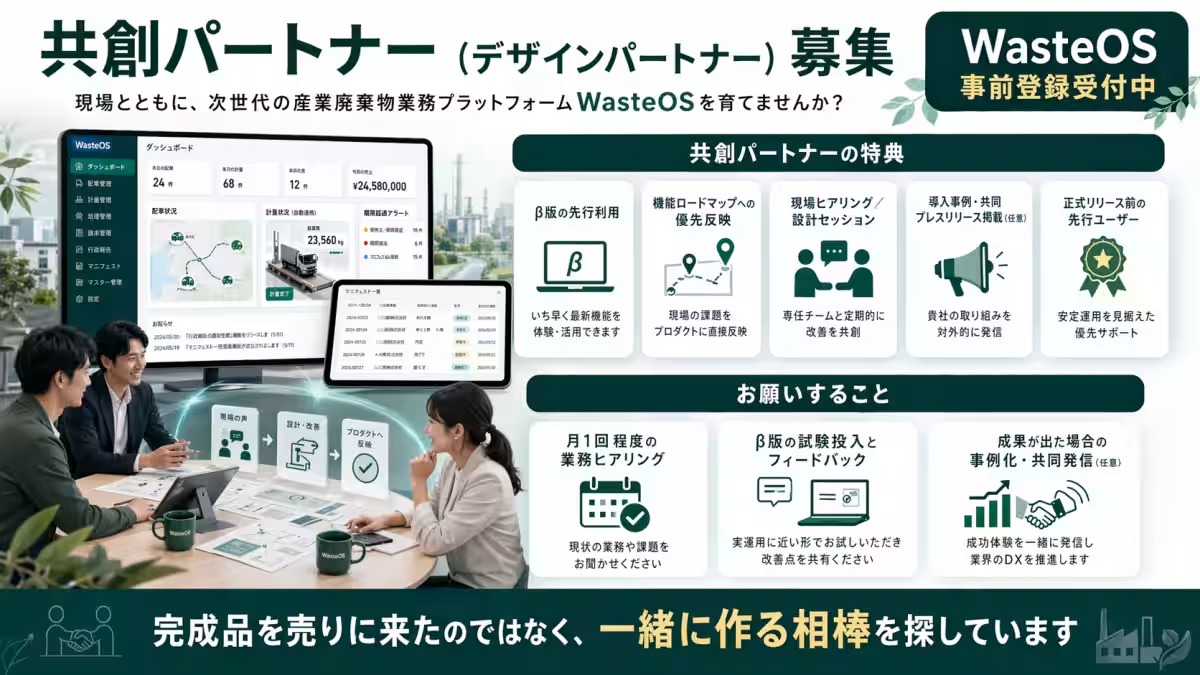
Call for Co-Creation Partners
Leach Inc. urges smaller waste management companies to join as co-creation partners as they roll out the beta version of WasteOS. Engaging directly with industry stakeholders ensures that the platform is designed to meet the needs of its users. Partners will have the advantage of early access and the ability to shape the future development direction of WasteOS. The goal is to make AI not just another buzzword in the industry but a functional tool that genuinely transforms operational processes.
The path toward digital transformation is evolving. While many might still cling to traditional practices due to the daunting change, embedding digital frameworks, like WasteOS, presents an essential step towards sustainable business operations.
In conclusion, the WasteOS initiative provides a timely and critical opportunity for small waste management businesses to transition into the digital age, ensuring compliance, efficiency, and improved operational experience—one that is crafted to meet their specific needs. With upcoming registration and collaboration sessions on the horizon, the call to action is clear: it's time to embrace innovation in the waste management industry.
Topics Consumer Technology)
【About Using Articles】
You can freely use the title and article content by linking to the page where the article is posted.
※ Images cannot be used.
【About Links】
Links are free to use.