



Transforming Websites with Generative AI: A New Era of Management
Introduction to AI-Driven Website Management
As the digital landscape evolves, the integration of generative AI into website management processes is reshaping how businesses communicate and operate online. In these times, human intervention is limited to decision-making, while AI takes the lead in execution. One company that has embraced this shift is Axia Corporation, which successfully updated its stagnant website to reflect current trends using generative AI.
The Challenge of Outdated Website Management
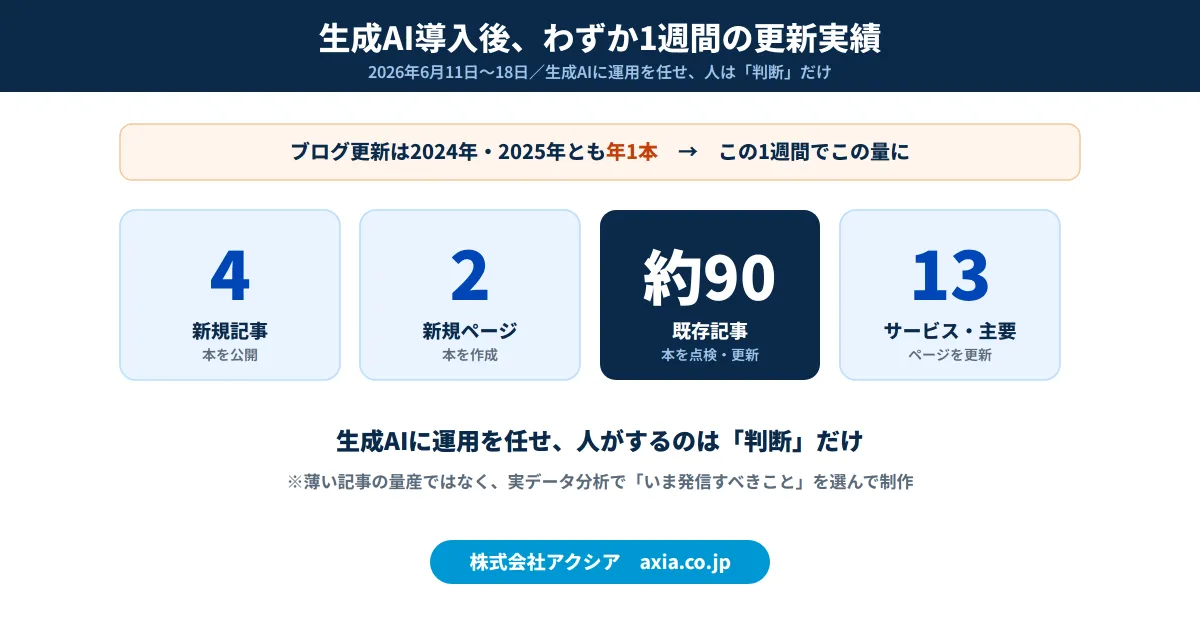
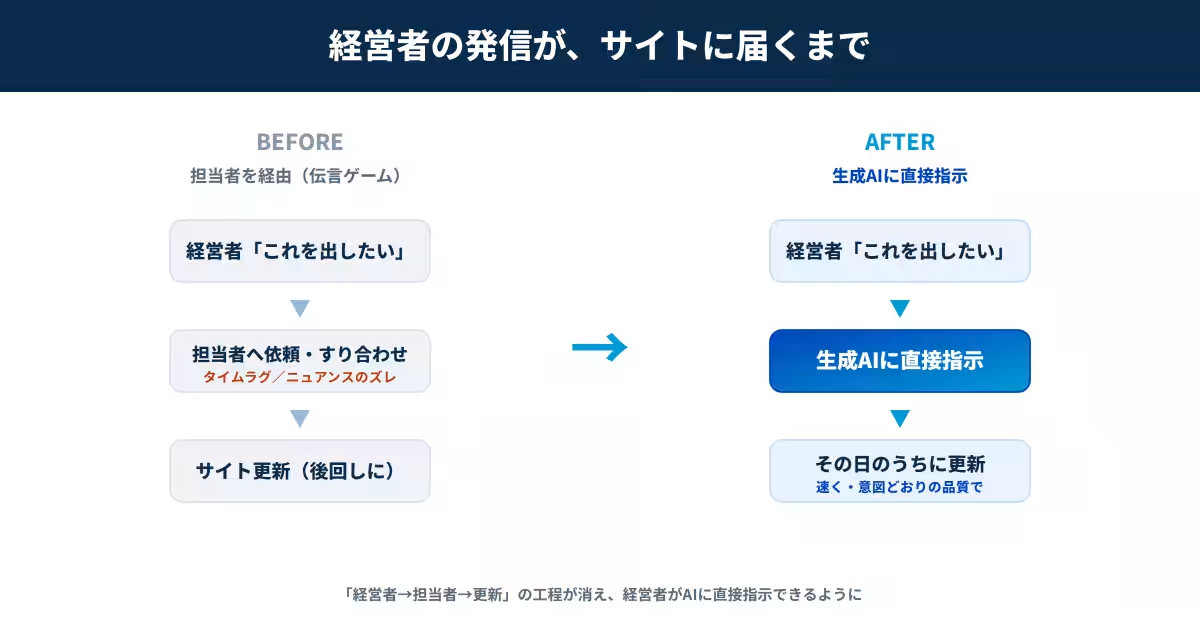
For many organizations, maintaining a dynamic and up-to-date website is a daunting task. It's not merely about launching a site; ongoing updates and content management are crucial for achieving visibility and engagement. However, the traditional process often involves layers of bureaucracy—executives must communicate their vision to team members, draft content, and endure revisions, which frequently results in delays and diluted messages. Axia experienced this firsthand, with the release of blog articles dwindling to just one per year in 2024 and 2025.
Designing with AI Collaboration in Mind
In refreshing their online presence, Axia’s primary focus was to create a website architecture optimized for generative AI functionality. The goal was to facilitate direct communication between executives and the AI, ensuring that the insights generated from their conversations could seamlessly integrate into the website. This led to the adoption of Markdown, a format that's become standard for AI text processing, as the foundation for content delivery.
By eliminating the middleman, the process was streamlined: executives could convey their thoughts directly to the AI, allowing for rapid updates without the usual lag. Following this strategy, Axia transitioned from WordPress to a robust static site generator called Astro, integrating Claude Code for AI-driven content creation and management.
Results Achieved Through AI Implementation
The results of this innovative approach were remarkable:
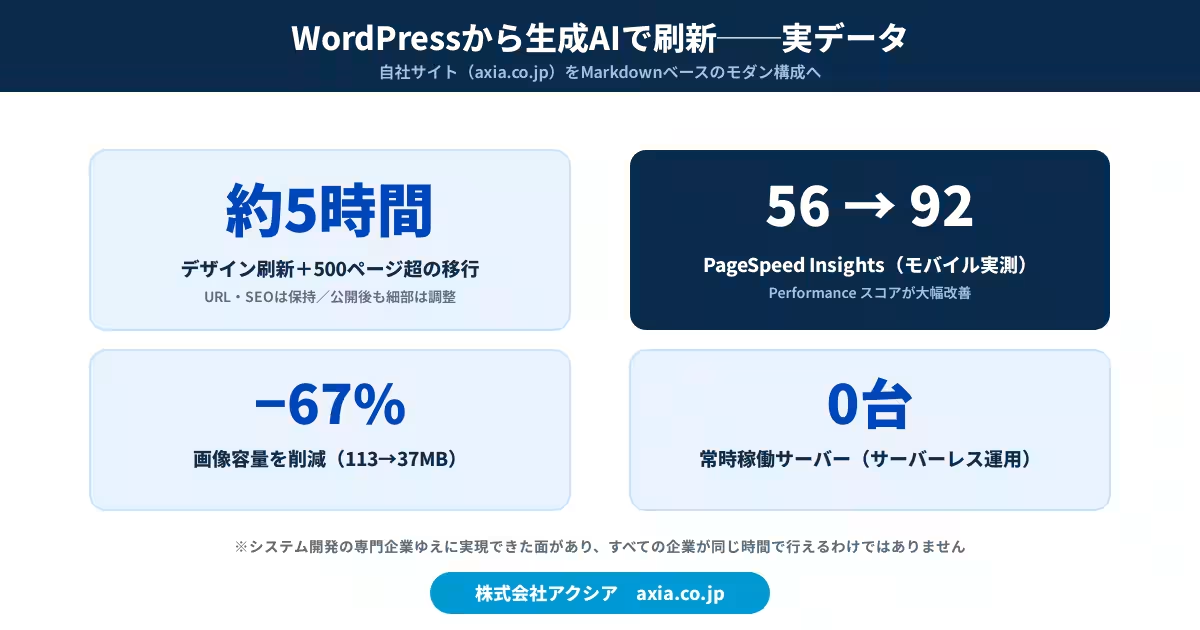
- - A complete redesign and migration of over 500 pages were achieved in approximately five hours, retaining SEO integrity while adjustments continued post-launch.
- - Axia improved its mobile PageSpeed Insights score from 56 to an impressive 92.
- - Additionally, image sizes were greatly reduced, cutting storage from 113MB to 37MB.
- - They achieved a serverless operational model, lowering maintenance burdens and enhancing security.
While such rapid transformation was made possible largely due to Axia’s specialization in system development, what they aimed to highlight was not the speed but the sustainability of continuous updates following the redesign.
Significant Updates in Just One Week
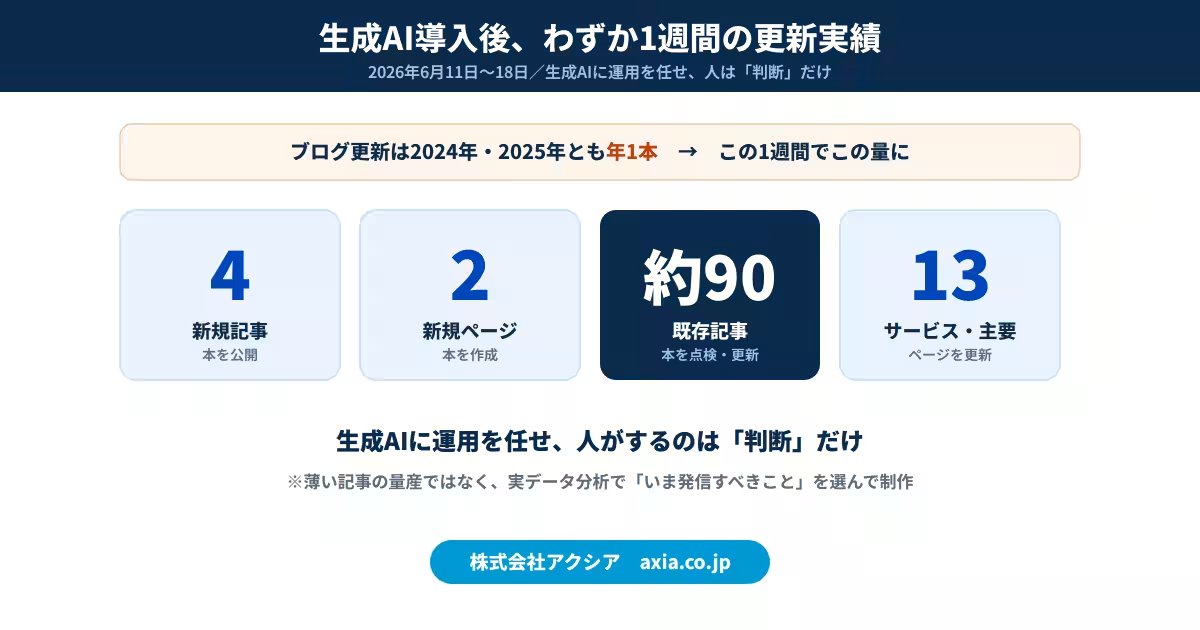
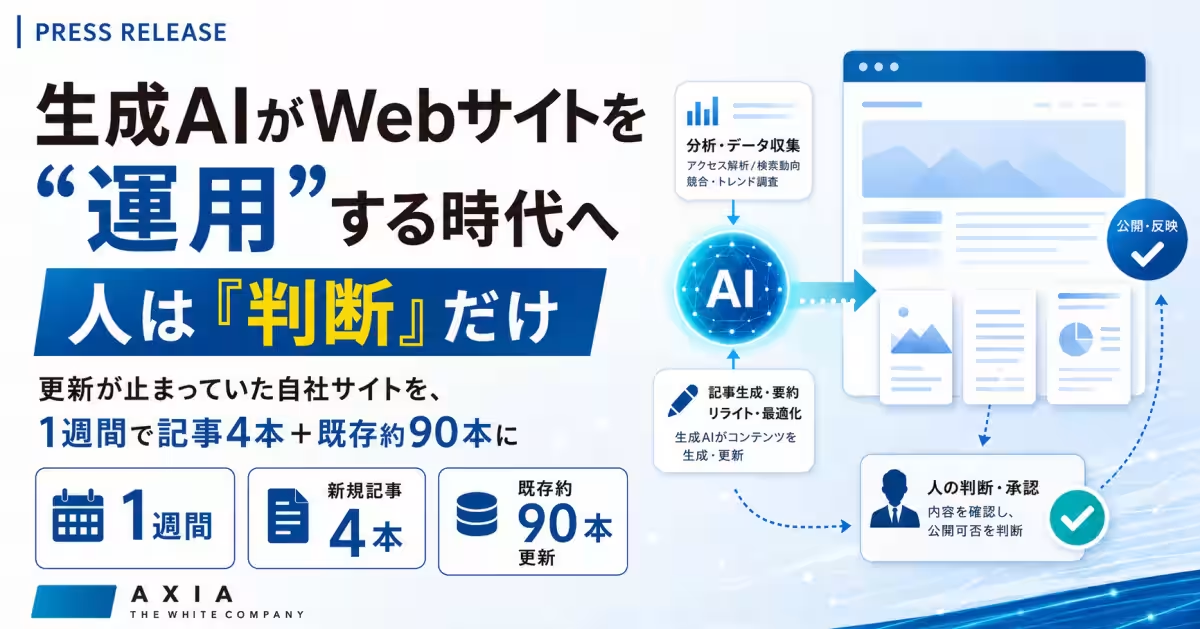
With the new infrastructure in place, Axia harnessed generative AI for extensive updates in just one week. The outcomes of this effort were transformative:
- - Four new articles published.
- - Two new pages created.
- - Around 90 existing articles audited and updated for current relevance.
- - Thirteen significant pages updated in line with evolving services and priorities.
This influx of content marked a stark contrast to the previous year's stagnant output. What's noteworthy is that all updates were managed solely by CEO Yonomura, who interacted directly with AI (Claude Code) for content directives. This approach eliminated the traditionally cumbersome communication channels and allowed more efficient and accurate updates.
AI and Data-Driven Decisions
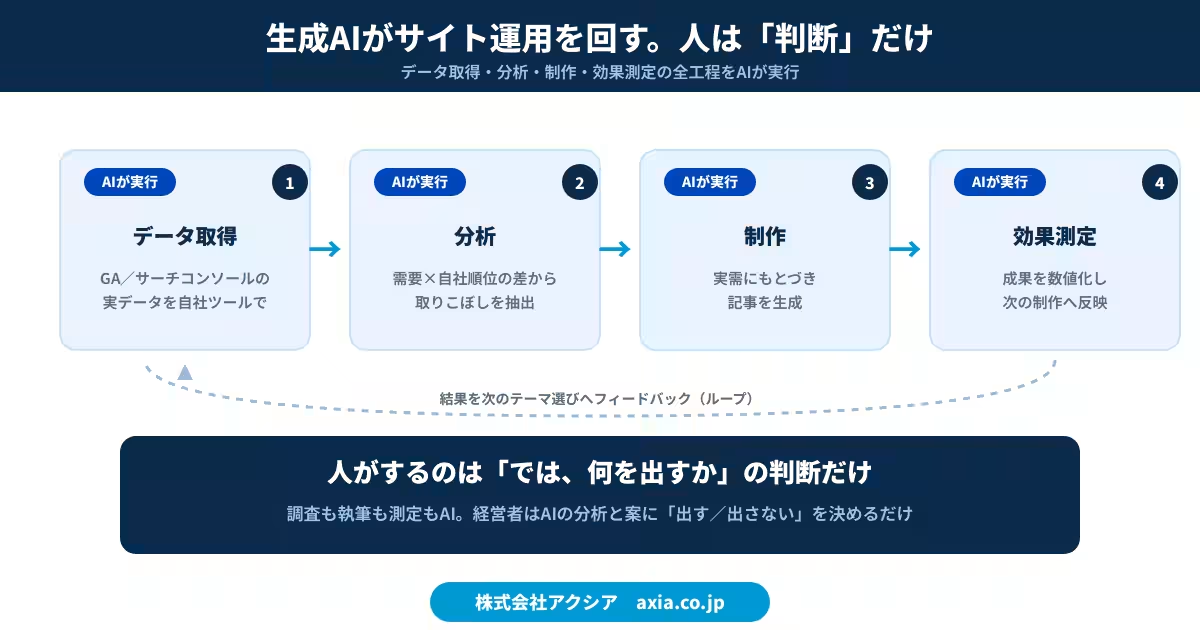
A standout feature of Axia’s method is the degree of automation involved in their website management process. Generative AI handles everything from data collection using Google Analytics to analyzing market demands, creating content, and measuring post-publication effectiveness.
1. Data Acquisition: Real-time insights are obtained through AI tools.
2. Analysis: AI identifies content opportunities by comparing search demand and current rankings.
3. Production: Articles are created based on identified needs.
4. Feedback Loop: Post-publication analysis quantifies engagement, aiding future decisions.
In this highly automated model, human involvement is limited to making decisions on what content to publish, based on AI’s recommendations. This paradigm shifts the focus from lengthy investigations and writing processes to rapid, informed decision-making.
The Broader Implications for Business Leaders
The core of this initiative lies in the direct reflection of executives' intentions on their websites, without intermediary distractions. By commanding generative AI directly, leaders can achieve their communication goals swiftly, enhancing their value over time. This streamlined approach appeals to businesses of all sizes, especially nimble small and medium-sized enterprises that thrive on quick decision-making.
Axia aims to extend this model beyond its website to support other businesses in transitioning away from traditional content management systems like WordPress, capitalizing on the benefits of generative AI.
Conclusion: Leveraging AI for Continuous Improvement
The experience at Axia demonstrates that a well-designed website, coupled with generative AI capabilities, can revolutionize the way businesses present themselves online. By embedding organizational knowledge and insights into AI interactions, companies can curate timely, relevant content effectively. This ‘conversational CMS’ concept is just the beginning, as Axia envisions broader systems to empower leaders to communicate their offerings with unprecedented agility and precision.
For further insights into Axia's website transformation, including detailed performance metrics and project outlines, visit Axia Corporation's corporate website.
Topics Business Technology)
【About Using Articles】
You can freely use the title and article content by linking to the page where the article is posted.
※ Images cannot be used.
【About Links】
Links are free to use.