



Invisible Heat Stroke Risks for Kids Participating in Sports: What Parents Should Know!
Rising Heat Stroke Concerns
With global temperatures escalating, heat stroke among student athletes has surfaced as a crucial public health concern. In response to this alarming trend, Taisho Pharmaceutical conducted a survey involving 814 parents of children attending junior high and high schools in Japan. The objective was to examine breakfast habits on sports days, as well as the preventive measures being taken against heat stroke.
Survey Insights
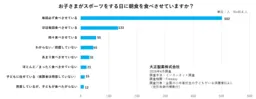
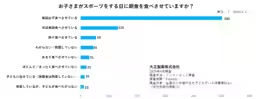
The survey revealed that about 60% of parents (502 participants) reported feeding their children breakfast every time they have sports activities. Including those who said they do so most of the time, the percentage rises to roughly 80%. Despite this positive response, disparities were evident. Some parents indicated that they occasionally (55 participants), do not know (45 participants), or rarely (31 participants) manage to provide breakfast for their children on sports days, highlighting that breakfast habits vary widely among families.
Parents' Concerns About Heat Stroke
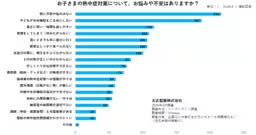
Additionally, the survey highlighted top concerns parents have regarding their children's risks of heat stroke. The leading worries included:
1. No particular anxiety or worries (216 participants).
2. Children not staying hydrated (187 participants).
3. Sensitivity to heat or frequent illness (116 participants).
4. Children overexerting themselves (109 participants).
5. Difficulty in consuming breakfast (106 participants).
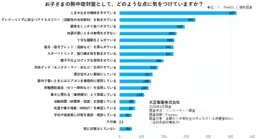
The survey also examined the implementation of heat-stroke preventive actions. Alarmingly, many parents are not strictly enforcing essential practices like consistent hydration and pre-cooling techniques. Out of the surveyed population, only 527 reported ensuring adequate fluid intake for their kids. Usage of ice slurry drinks—recommended by Japan’s Ministry of Health—was acknowledged by a mere 340 parents. Other findings included 292 parents providing substantial breakfast, and 255 ensuring that their children aren’t overexerting themselves when feeling unwell.
Understanding Heat Stroke
Heat stroke can occur unexpectedly and can affect anyone under the right conditions. Quick recognition of its symptoms can be life-saving. Children, in particular, have a limited ability to communicate discomfort or the urgency to halt activities, thus necessitating proactive measures by parents and guardians.
Dr. Hideki Taniguchi, an expert in heat stroke prevention, offers insights. He emphasizes that heat stroke is not merely a reaction to heat but a serious condition resulting from disturbed water and electrolyte balance, which impacts the body's temperature-regulating capabilities. Kids are especially vulnerable due to their higher body water percentage and immature temperature-regulating mechanisms.
Dr. Taniguchi elaborates on the importance of breakfast. Skipping breakfast leads to beginning the day under mild dehydration and energy deficiency. Overnight, children lose fluids through respiration and skin evaporation, ending up in a deficit by morning.
Without appropriate hydration and nourishment before engaging in physical activities, they risk exacerbated dehydration as exercise-induced sweating further depletes their fluid reserves. This imbalance becomes dangerous, particularly when electrolytes like sodium are involved.
Nutritional Guidance for Breakfast
It’s critical that children consume a balanced breakfast containing water, electrolytes, and sugars, alongside proteins and vitamins. Here are specific recommendations:
- - Hydration: Water, miso soup, milk, yogurt, fruits (like watermelon and oranges).
- - Electrolytes (e.g., Sodium): Miso soup, pickled vegetables, salted rice balls, sports drinks.
- - Sugars (Energy Source): Rice, bread, bananas, honey, nutrient jelly.
- - Proteins (BCAAs): Chicken, beef, fish, eggs, dairy products.
For quick mornings, perhaps due to a lack of appetite, a nutrient-rich jelly can be effective—especially one marketed as “heat-stroke preventive,” ensuring a balanced intake of salt and sugar suitable for hydration.
Water Intake During Sports
During athletic activities, children should hydrate consistently. Drinking large amounts at once leads to rapid excretion without sufficient retention in the body. Thus, hydration should be spaced out before, during, and after exercise.
It's vital to supplement with electrolytes and sugar during physical activities. Adequate hydration prevents performance deterioration which could lead to heat stress.
Use of Ice Slurry
Innovatively, ice slurry—a semi-frozen beverage containing tiny ice particles—is recommended for use during sports. It efficiently cools the body from the inside out, lowering core temperature more effectively than regular cold beverages. Additionally, varieties containing electrolytes help maintain fluid and electrolyte balance.
Post-Activity Vigilance
Post-activity, parents should monitor their children for signs of fatigue or excessive flushing that might indicate latent heat stroke, known as “delayed heat stroke.” Symptoms may not manifest until hours after physical exertion. If such symptoms appear, providing cool surroundings and meticulous hydration becomes paramount, preferably with electrolyte replenishments.
Importance of Educating Coaches
Coaches and sports leaders also play a significant role. They must understand effective heat-stroke preventative measures by managing the environmental impact during activities, ensuring hydration before thirst occurs, and recognizing early signs of heat-related distress in children.
Overall, combating heat stroke requires proactive, multifaceted strategies from both parents and athletic coaches. The focus should lie in prevention rather than mere reactive responses. By cultivating the right habits and awareness, we can better protect our youth during athletic endeavors.

Topics Health)



【About Using Articles】
You can freely use the title and article content by linking to the page where the article is posted.
※ Images cannot be used.
【About Links】
Links are free to use.