



Zespri Launches Japan's First Nutrition Hazard Map to Promote Healthy Eating Understanding
Zespri Unveils Japan's First Nutrition Hazard Map
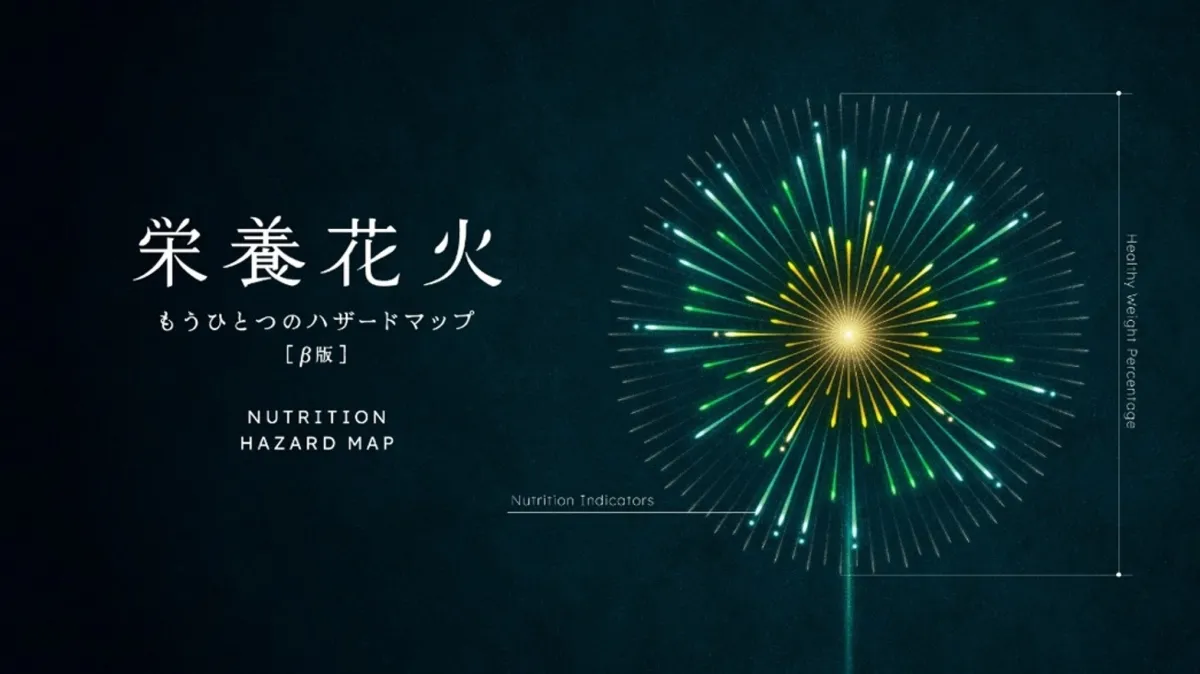
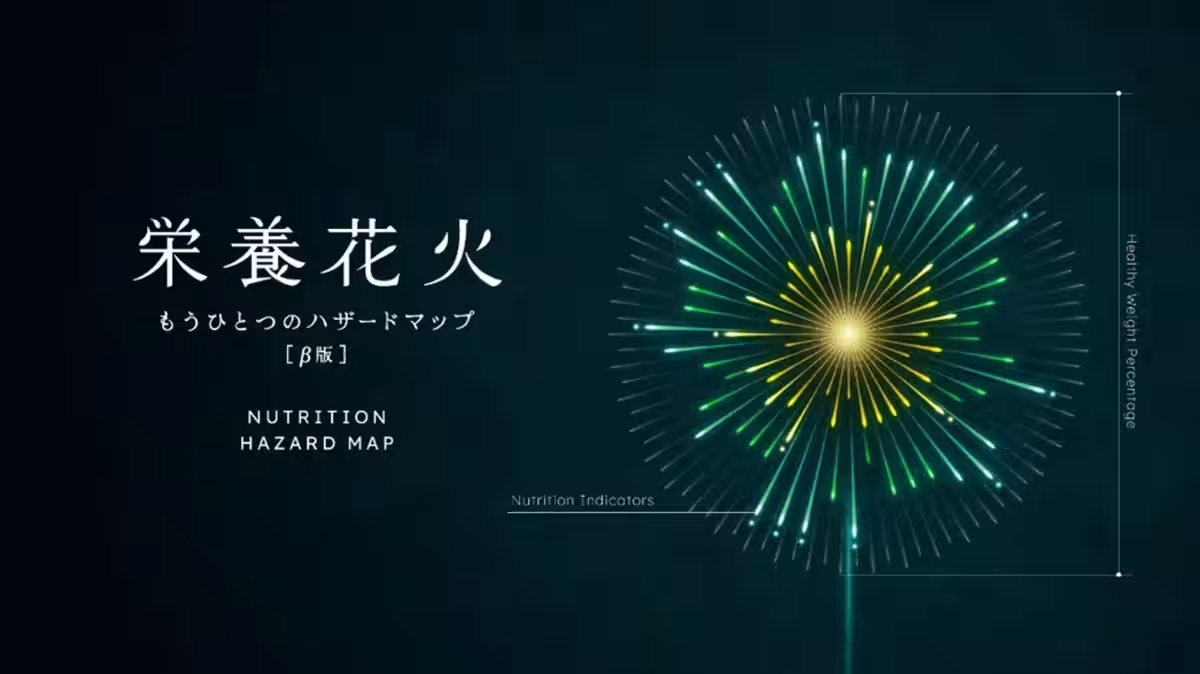
Zespri International Japan has taken a significant step toward addressing nutritional issues across Japan by launching the country's first Nutrition Hazard Map, known as "栄養花火" or "Nutrition Fireworks." This innovative web content allows users to visualize the nutritional status across all 47 prefectures, highlighting the hidden problems of nutritional deficiencies faced by many adults in the country. With one in three adults in Japan reportedly suffering from nutritional deficiencies, this project is crucial in fostering awareness and understanding of the challenges pertaining to nutrition and health.
Background of the Nutrition Hazard Map
In recent years, nutritional deficiencies have become a critical public health concern, significantly affecting individual well-being. While dietary habits undeniably influence personal nutrition status, external factors such as the local food environment, economic stability, and lifestyle conditions also play substantial roles. Unfortunately, these underlying issues often remain invisible to the general public, leading to gaps in understanding and addressing nutritional problems within communities.
Drawing parallels to the way hazard maps are utilized for disaster preparedness, Zespri aims to make nutritional deficiencies visible by showcasing the diverse nutritional conditions faced throughout Japan. To achieve this, Zespri conducted a comprehensive survey involving approximately 10,000 participants, analyzing 89 variables related to BMI, food accessibility, and dietary habits. The findings are presented through the artful representation of fireworks, a motif deeply connected to Japan's culture and historically associated with wishes for health and safety.
Features of the Nutrition Hazard Map
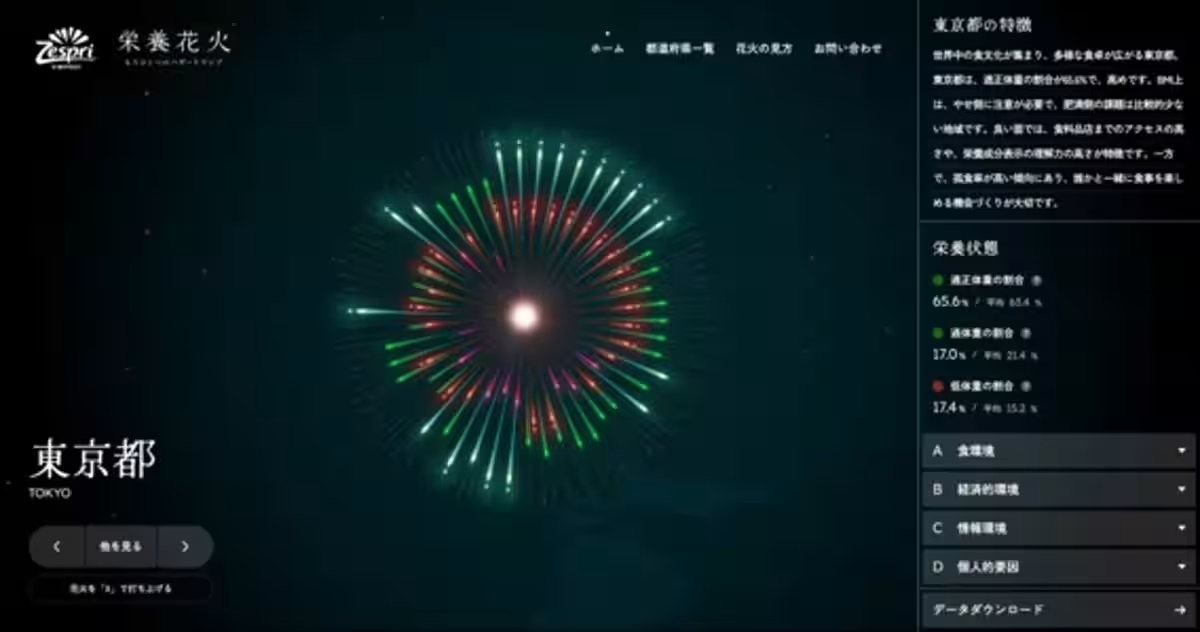
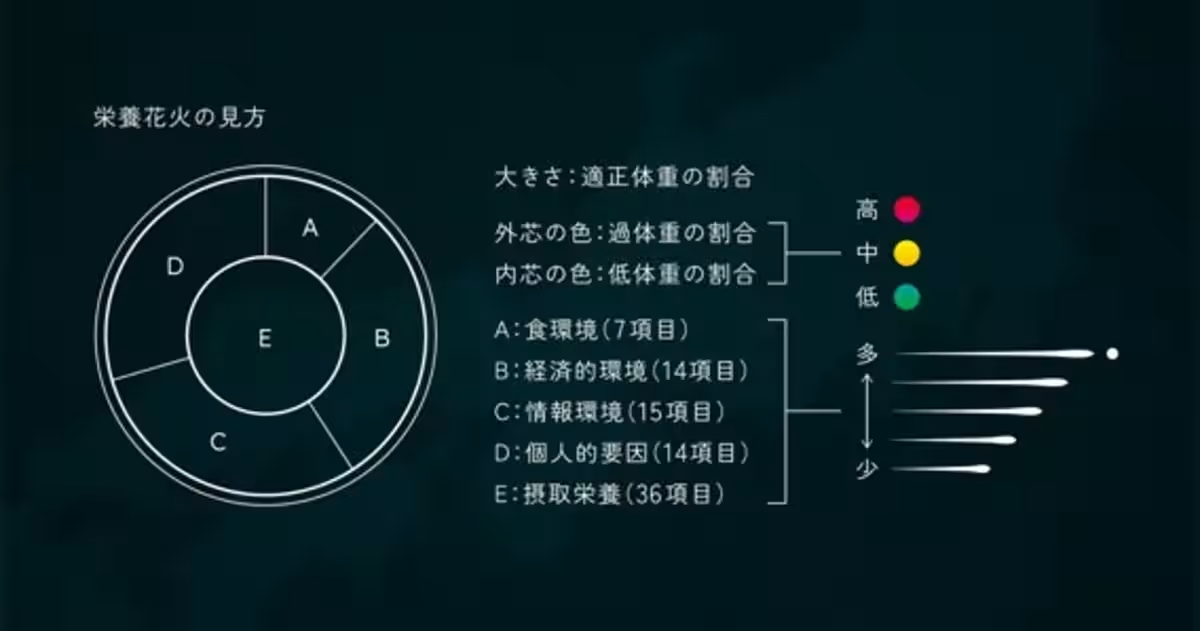
This web platform, supervised by the Japan Nutrition Practical Science Strategy Organization, utilizes distinctive designs to visually represent the nutritional data of each prefecture as fireworks. Users can explore individual prefectures' nutritional scores and in-depth analytical data while enjoying a captivating visual experience.
Key Characteristics of the Site:
1. Visual Representation of Nutrition: The site uses the structure of fireworks to depict key nutritional indicators such as the percentage of individuals with appropriate weight, dietary habits, and accessibility to food.
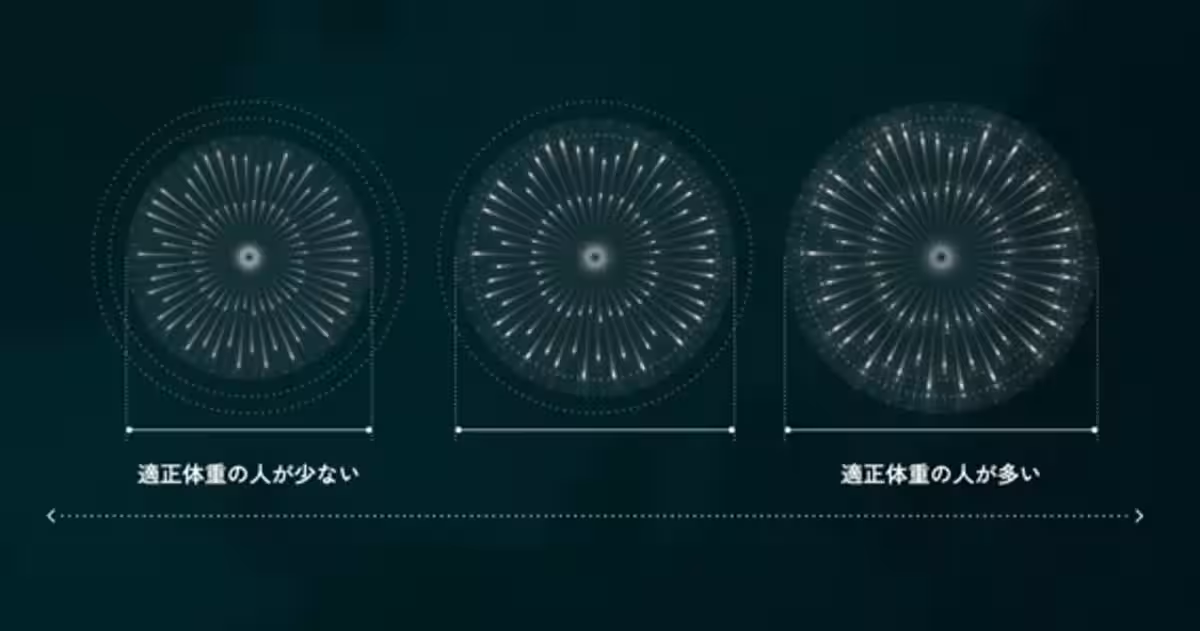
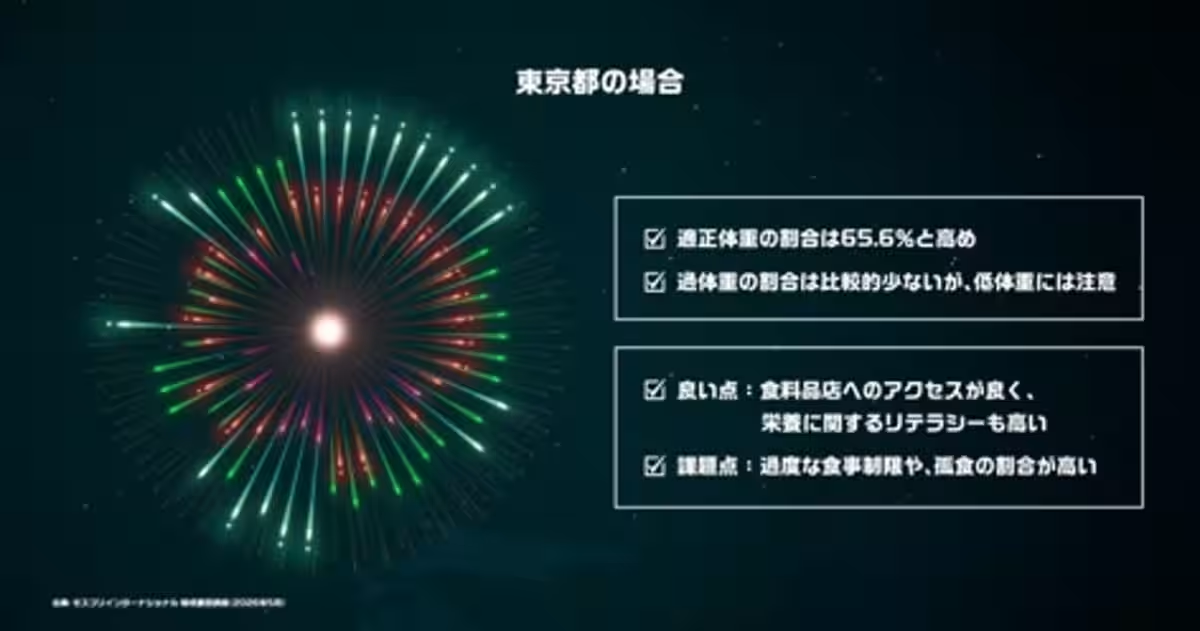
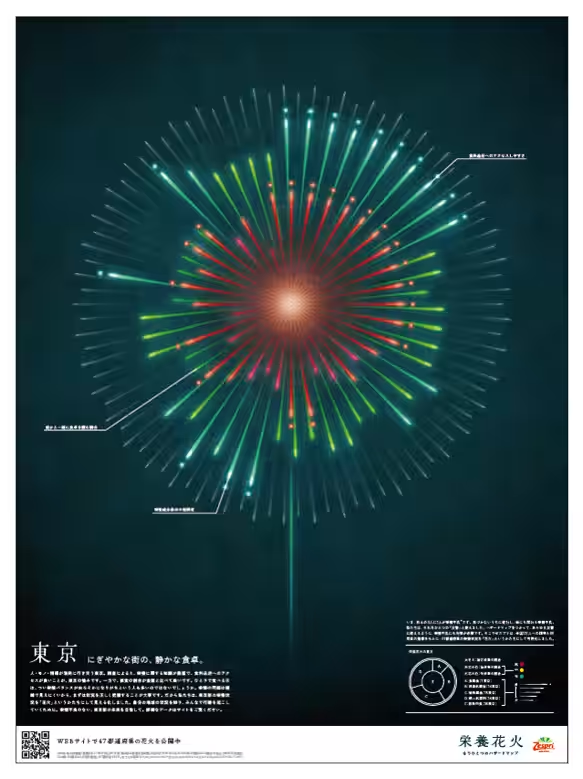
2. Dynamic Size and Color Indicators: The size of the fireworks represents the ratios of individuals with appropriate weight. A larger firework indicates a higher ratio, while color differences denote prevalence of underweight and overweight citizens.
3. Social Sharing Capabilities: Each prefecture has a shareable image summarizing its nutritional characteristics, making it easy for users to discuss local nutrition topics on social media.
4. Downloadable Data for Reference: Users can access detailed datasets, enabling various stakeholders, including municipalities and educational institutions, to utilize this open data for research and policy development.
Analyzing Nutritional Conditions Across Japan
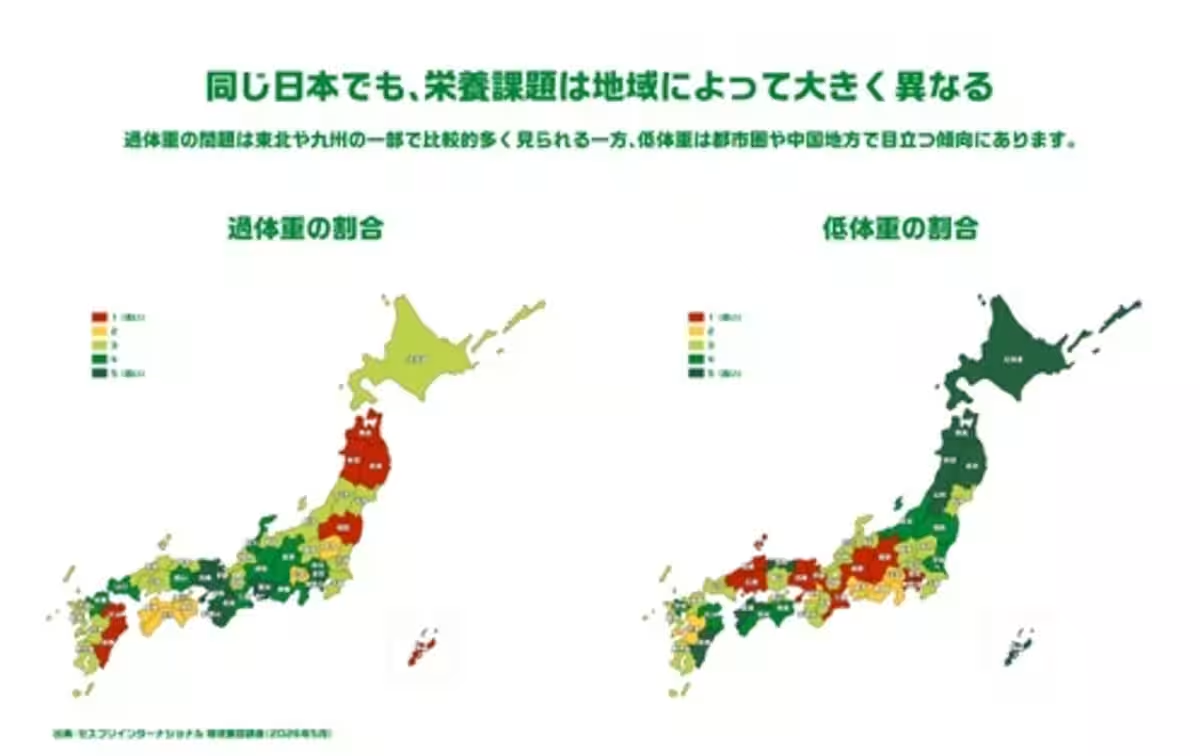
The survey revealed significant regional disparities in nutritional issues, indicating that challenges like overweight and underweight vary substantially across different areas. For instance, certain regions, particularly in Tohoku and Kyushu, reported higher rates of overweight individuals, while urban areas demonstrated notable cases of underweight citizens.
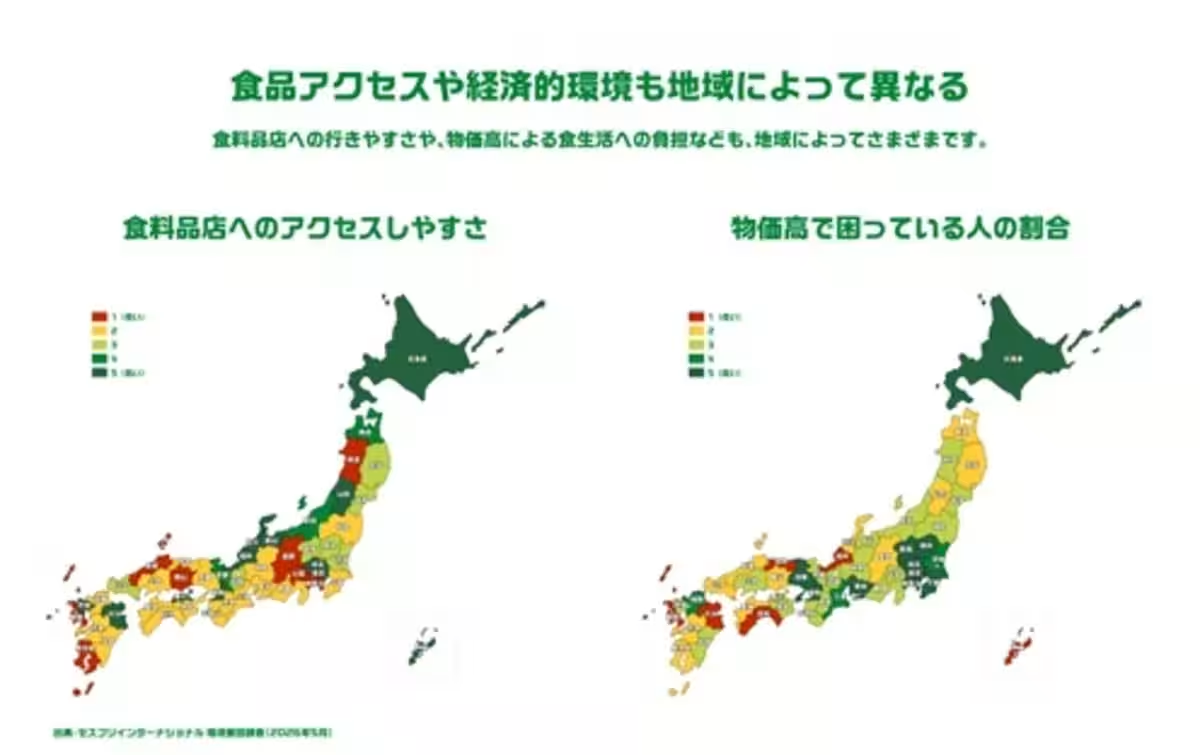
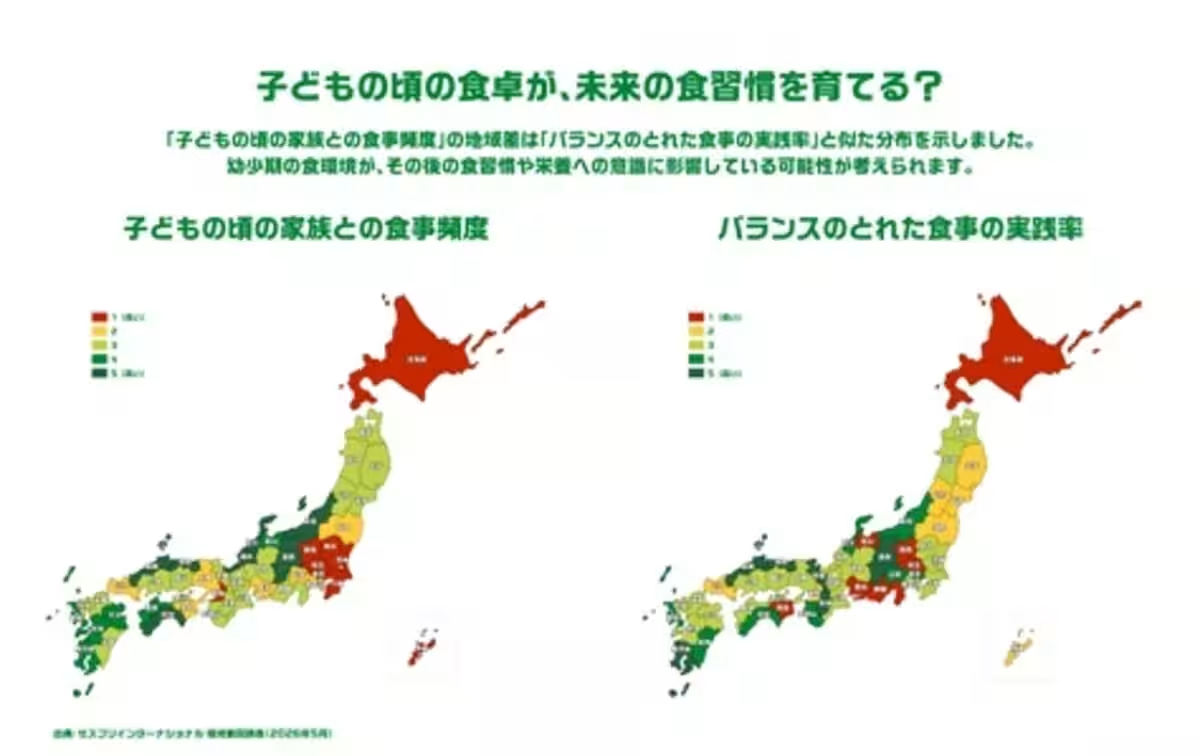
Furthermore, food accessibility varies; urban centers like Tokyo offer easier access to grocery stores compared to rural regions such as Shimane or Nagano, where residents face longer travel times to access food supplies. These discrepancies raise essential questions about how childhood dietary habits influence future nutritional awareness.
In Tokyo, for example, the survey indicated a good overall weight distribution, but it also highlighted a concerning trend of higher rates of food restriction and solitary eating, which points to areas needing improvement.
Future Directions of the Nutrition Reform Project
Zespri's long-term aspiration is to build a society where balanced nutrition is accessible and enjoyable for everyone. The findings from this project not only stimulate regional awareness but also challenge individuals to reevaluate their dietary habits and environment. By drawing attention to nutritional inadequacies, Zespri invites everyone to partake in the conversation around dietary health and communal support.
As part of ongoing initiatives, Zespri is committed to further analyses of nutrition-related factors including access to food and economic circumstances to unlock effective solutions tailored to specific communities. With this comprehensive approach, Zespri seeks to address the complex nutritional challenges that affect individual and community health across Japan.
Conclusion
Overall, the Nutrition Hazard Map represents a pioneering effort in visualizing nutrition issues across Japan. Through engaging design and thoughtful data representation, Zespri inspires individuals to become aware of local nutritional conditions while encouraging discussions and actions surrounding dietary habits. This initiative not only promises to make nutritious eating more appealing but also promotes collective well-being within communities throughout Japan.





Topics Health)
【About Using Articles】
You can freely use the title and article content by linking to the page where the article is posted.
※ Images cannot be used.
【About Links】
Links are free to use.