



Visual Bank Launches Qlean Dataset for AI Training with Real Conversations
Introduction to Qlean Dataset
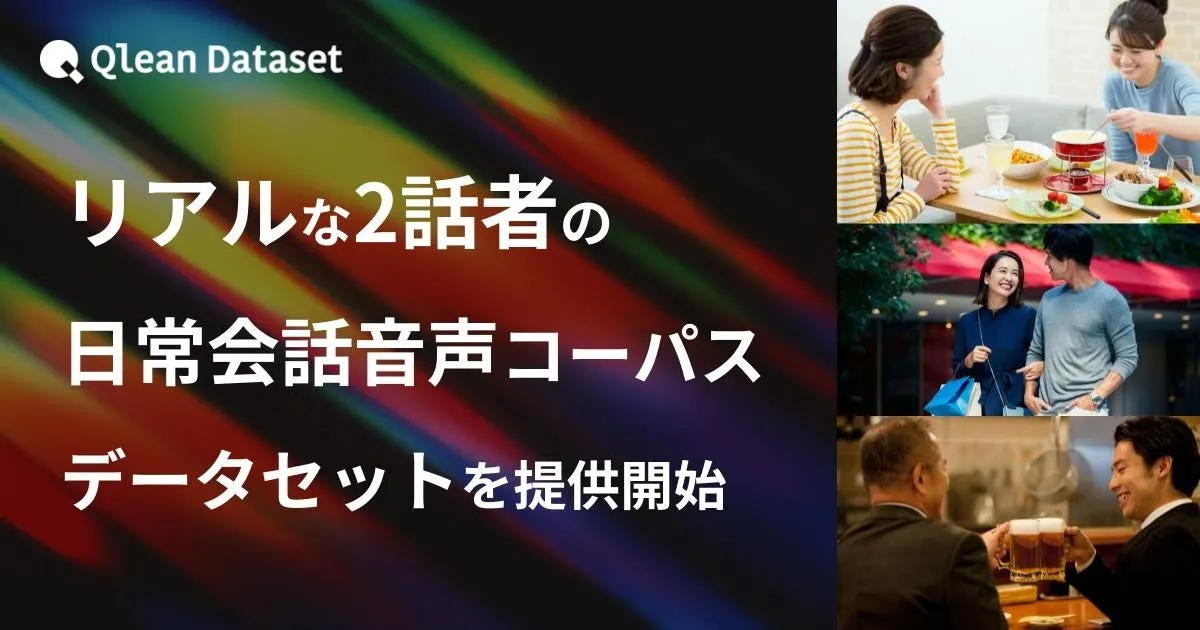
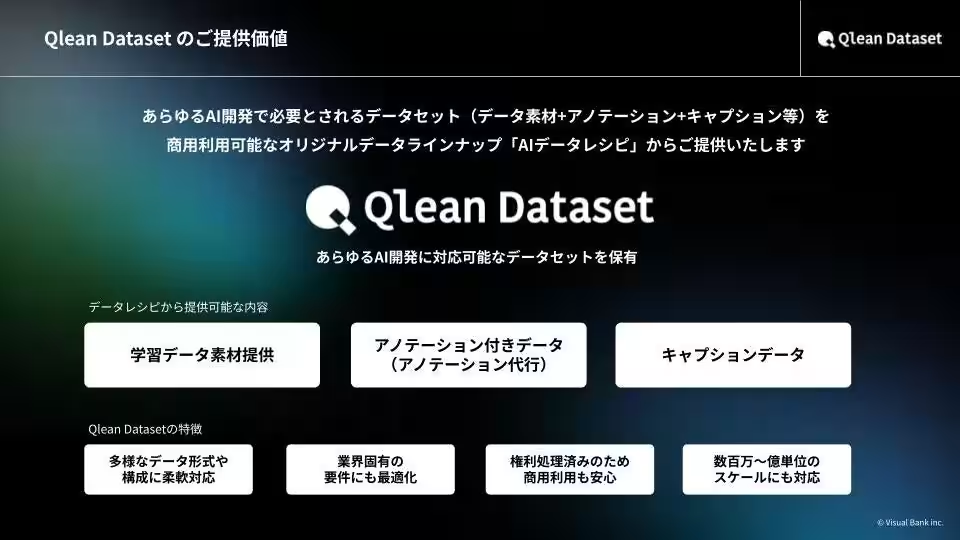
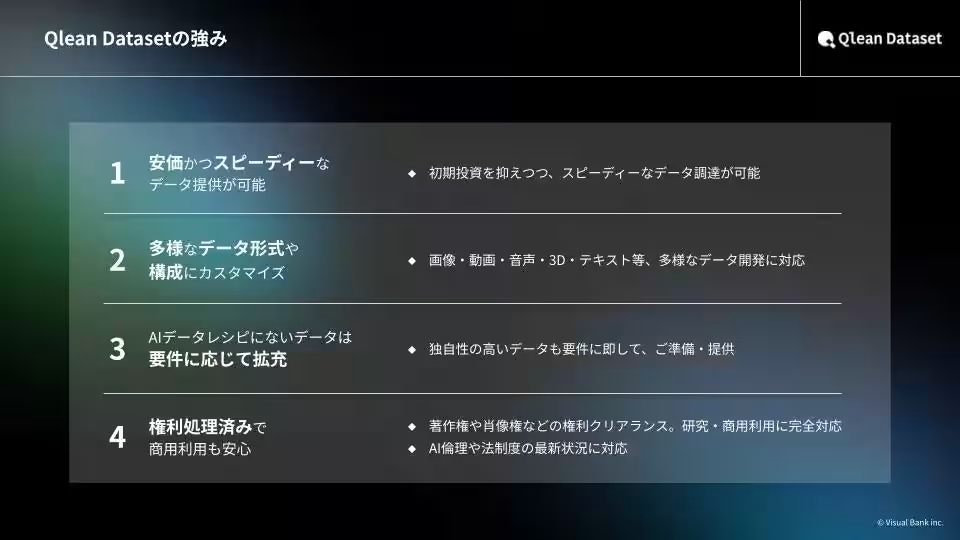
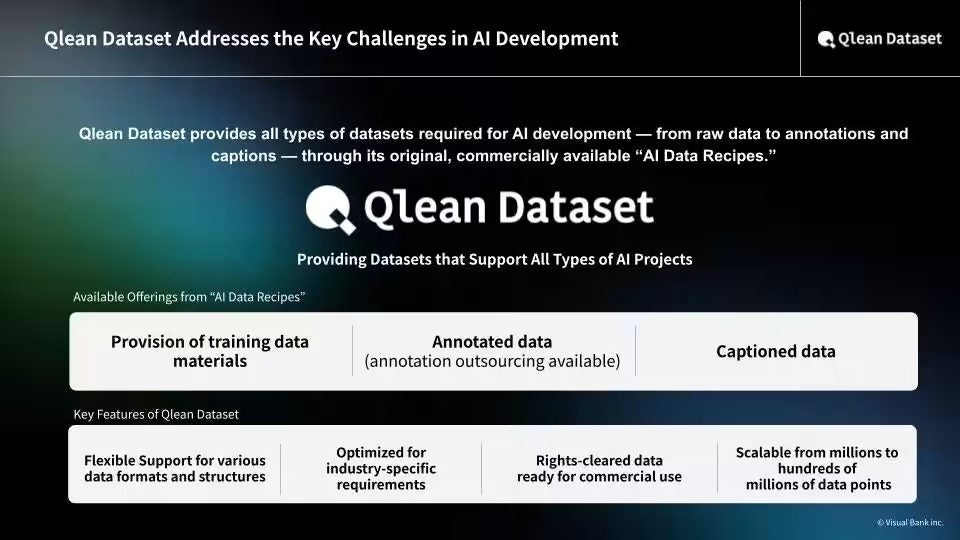
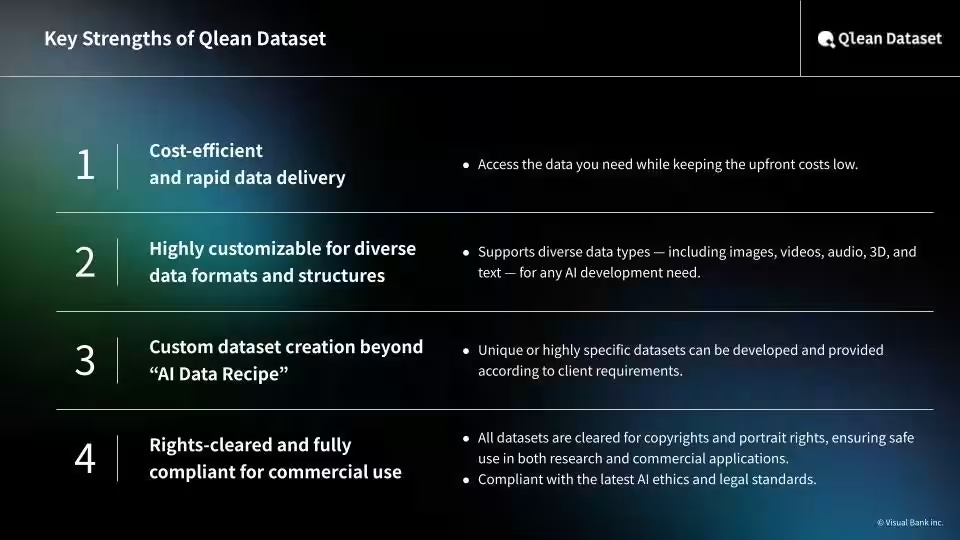
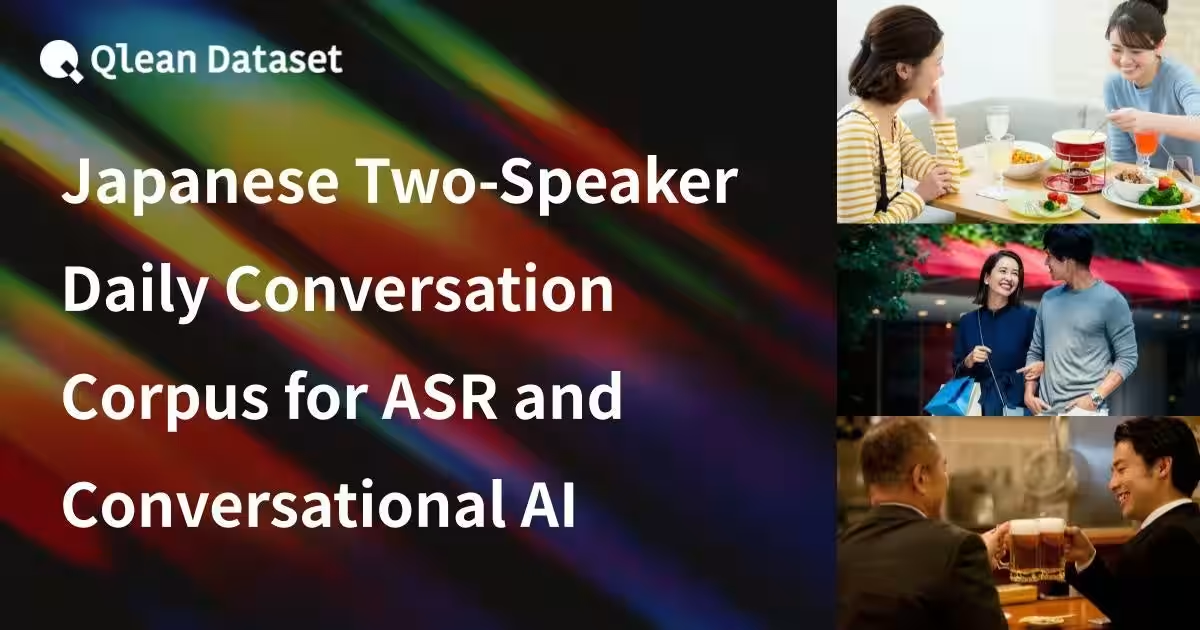
Visual Bank Inc., based in Minato-ku, Tokyo, has recently launched an innovative dataset called the Qlean Dataset. This dataset is designed for AI training and features real-world conversations in Japanese, making it an invaluable resource for various artificial intelligence applications. With a focus on daily interactions between two speakers, it provides a vivid glimpse into the nuances of human communication in a variety of contexts, such as family gatherings, friendships, and workplace discussions.
Features of the Qlean Dataset
The Qlean Dataset encompasses several key features that set it apart from traditional datasets:
- - Speaker Attributes: The recorded conversations include men and women between their 20s and 40s, ensuring a diverse representation of Japanese speakers.
- - Data Format and Specifications: The audio data is delivered in high-quality WAV format with stereo separation (L/R), enhancing the listening experience and making it suitable for complex analyses. Furthermore, the recording captures natural pacing, overlaps, and backchanneling that reflect authentic interactions.
- - Diverse Topics: The dataset features a wide array of subjects, covering everything from love advice and pet care to discussions about regional cuisines and culture. This versatility facilitates its application in multiple AI domains, including Automatic Speech Recognition (ASR) and Natural Language Processing (NLP).
- - Extensive Duration: With hundreds of hours of recorded conversations, researchers have ample material to train their AI models under realistic conditions.
Use Cases: Harnessing the Power of Real Conversations
The Qlean Dataset serves as a flexible resource for numerous applications. Here are some notable use cases:
1. Developing AI for Speech Recognition and Conversational Understanding
The natural dialogues included in the dataset enable developers to create robust speech recognition systems that reflect real-life verbal exchanges. Utilizing this dataset can significantly enhance the accuracy of ASR models, especially for smart devices and virtual assistants, by exposing them to realistic conversation dynamics.
Moreover, the dataset is ideal for training models that need to understand context and intent. By leveraging unscripted dialogues, researchers can refine AI capabilities in interpreting topic shifts and recognizing ellipsis in conversation.
2. Emotion and Communication Analysis
The Qlean Dataset is a rich resource for studying emotional and behavioral communication patterns. It captures varying speech rates, prosody, and pauses, which are essential features for emotion recognition models. Consequently, it can aid researchers in exploring psychological states and conducting communication analysis.
Additionally, educators can utilize the dataset for evaluating conversational skills and improving language learning through AI-assisted systems.
3. Real-World Applications and Social Implementation
With conversations spanning various aspects of daily life, the dataset is perfect for validating models that summarize dialogues or generate meeting minutes. Businesses can apply this data to automate customer support systems and enhance interaction analysis.
By scrutinizing conversational timing and patterns, researchers can develop models that mimic human interaction, contributing to advancements in social robotics and educational AI systems.
Conclusion
The launch of the Qlean Dataset marks a significant step forward in providing AI developers with access to real-world data that can help refine and enhance their models. Through this initiative, Visual Bank aims to contribute to the growth of the AI landscape in Japan and beyond, empowering creators and researchers alike with the tools they need to build meaningful and innovative solutions.
For more information about the Qlean Dataset, visit here.
Topics Consumer Technology)
【About Using Articles】
You can freely use the title and article content by linking to the page where the article is posted.
※ Images cannot be used.
【About Links】
Links are free to use.