



Unraveling the Great Oxidation Event: The Role of Nickel and Urea
Understanding the Great Oxidation Event
The Great Oxidation Event (GOE), which occurred approximately 2.1 to 2.4 billion years ago, marks a pivotal moment in Earth's history where significant amounts of oxygen began to accumulate in the atmosphere. A recent study conducted by researchers from Okayama University sheds light on the factors that contributed to this event, pinpointing the crucial roles of nickel and urea in oceanic environments.
Research Highlights
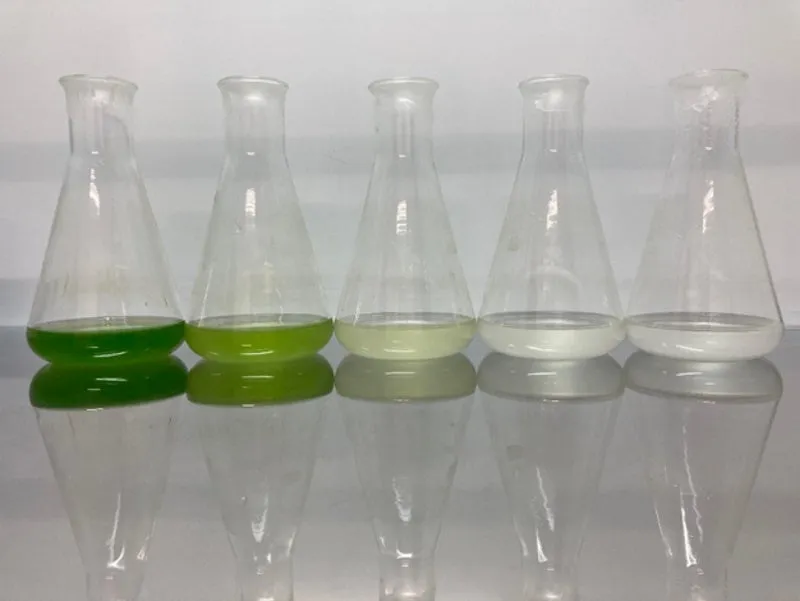
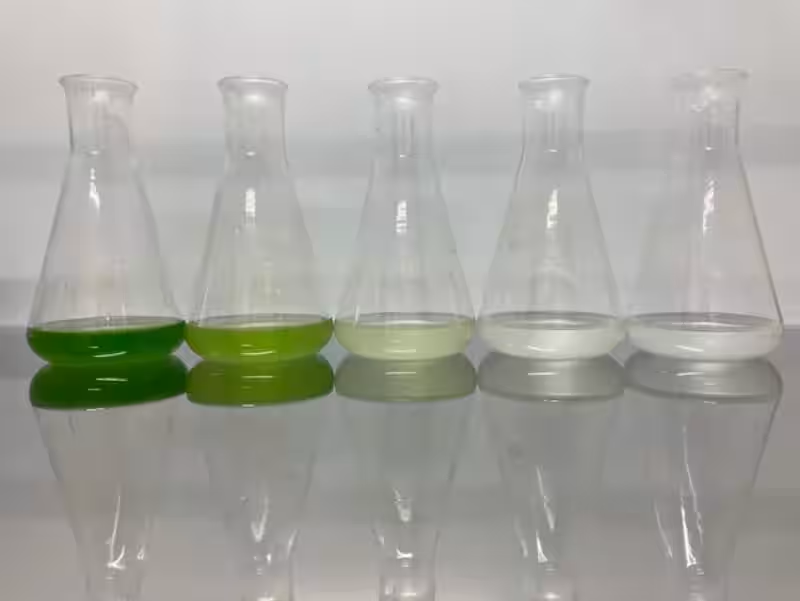
In the study led by Dilan M. Ratnayake, now a lecturer at the University of Peradeniya in Sri Lanka, and Professor Ryoji Tanaka, the research team focused on recreating ancient ocean conditions to better understand the biochemical processes at play during the time of the GOE. They discovered that under UV radiation, urea was generated in seawater, serving as a significant nitrogen source for early cyanobacteria, organisms pivotal to oxygen production through photosynthesis.
Interestingly, the team also found that elevated levels of nickel inhibited the growth of cyanobacteria. This suppression implies that a decrease in nickel concentrations in the ocean likely facilitated the proliferation of these organisms, ultimately leading to increased oxygen levels in the atmosphere. This study fills a critical gap in understanding why there was a time lag of about 1 billion years between the emergence of cyanobacteria and the onset of the GOE, suggesting that the balance of urea and nickel in seawater played a decisive role in regulating cyanobacterial growth and oxygen release.
Implications of the Findings
The implications of this research extend beyond just understanding Earth's past. The findings underscore the intricate balance of nutrients in marine ecosystems and their influence on atmospheric changes. The study indicates that this balance has been a significant factor in defining life's pathways on our planet.
The research team's findings were published in the online edition of "Communications Earth and Environment" on August 12, 2025, adding a substantial piece to the puzzle of Earth's geological and biological history.
Insights from the Researchers
Dilan Ratnayake shared his perspective on the research journey, describing it as akin to completing a massive jigsaw puzzle. The majority of the pieces were available, allowing them to conduct experiments relatively quickly. However, synthesizing the results and building models took considerable time. Ratnayake humorously noted that the only saving grace during those lengthy discussions was that thoughts come at no cost.
Professor Ryoji Tanaka reflected on the collaborative nature of their work, emphasizing their daily discussions spanning experimental planning to data evaluation. He expressed enthusiasm for Ratnayake's future contributions to scientific research, highlighting his passion for natural phenomena and innovative spirit.
Funding and Collaboration
This groundbreaking research was supported by the Japan Society for the Promotion of Science and the Japan Science and Technology Agency's Next-Generation Researcher Challenging Research Program. The study is a testament to the importance of collaborative efforts and funding in driving scientific discovery.
References
- - Original research paper: Biogeochemical impact of nickel and urea in the great oxidation event
- - Further information: Okayama University Press Release
The research not only elucidates a major historical transformation in Earth's atmosphere but also underscores the significance of marine biogeochemistry in shaping the planet's future dynamics.




Topics Environment)
【About Using Articles】
You can freely use the title and article content by linking to the page where the article is posted.
※ Images cannot be used.
【About Links】
Links are free to use.