



Analysis of COVID-19 Infection Status and Medical System in Okayama Prefecture as of June 2026
Overview
As of June 8, 2026, Okayama University has compiled data regarding the COVID-19 infection status and medical system from the Okayama Prefectural government's official website. This summary is supplemented by insights from various local experts. It will be updated weekly to keep the public informed about the current situation in Okayama Prefecture.
While the World Health Organization has officially declared the end of the COVID-19 pandemic, this article emphasizes the importance of maintaining awareness regarding local infections and healthcare responses. It aims to support residents in their daily infection prevention measures as normal life resumes following the pandemic.
Current Infection Status and Medical System Analysis
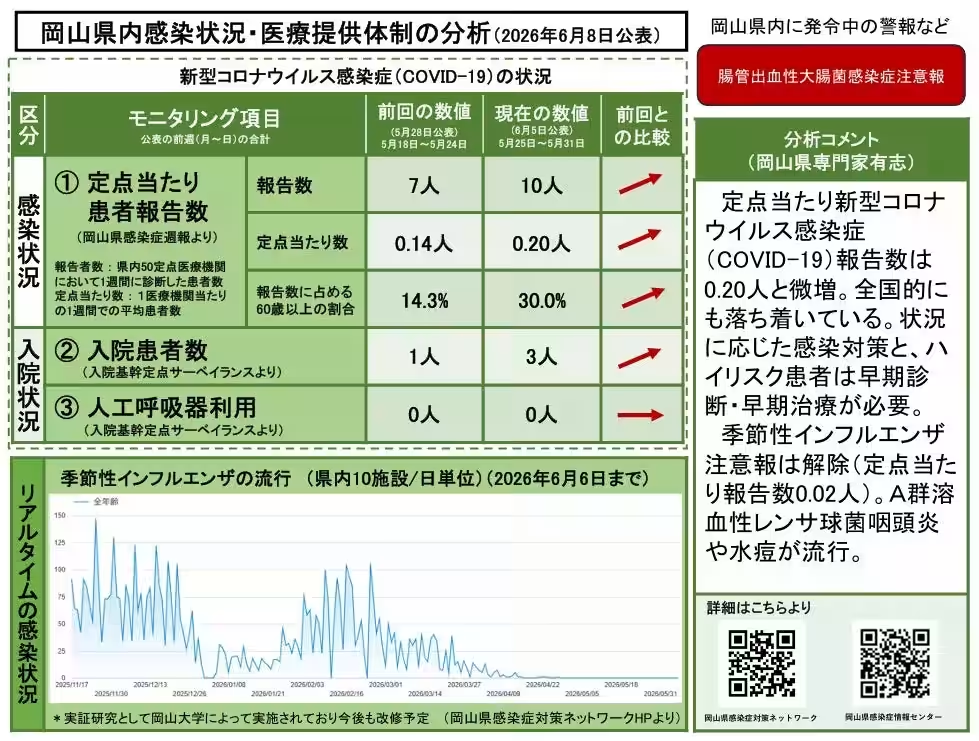
1. Infection Rates: The number of reported COVID-19 cases, adjusted for periodic measurements, is currently at 0.20 cases per contact point, showing a slight increase but remaining stable overall across the nation. Experts recommend continuous monitoring and strategic responses, especially for high-risk patients who require early diagnosis and treatment.
2. Influenza Report: The seasonal influenza alert has been lifted, currently recording 0.02 cases per contact point. However, cases of Group A Streptococcus pharyngitis and chickenpox have been on the rise, indicating the need for public awareness about these diseases as well.
Expert Contributions
A collective of local experts, including physicians and public health researchers, have provided comments and analyses to support this information. Notable contributors include:
- - Yasutoshi Ichimura (National Institute of Public Health)
- - Hidetaka Hagiwara (Okayama University Hospital, Infectious Disease Department)
- - Koji Fujita (Tsuyama Central Hospital, General Medicine & Infectious Diseases)
- - Harushi Yamada (Okayama City Hospital, Infectious Disease Department)
- - Daisuke Yoshioka (Kawasaki Medical University, Clinical Infectious Diseases)
- - Takashi Yorito (Okayama University Graduate School of Medicine, Dentistry, and Pharmaceutical Sciences)
The contributions of these experts are vital in understanding the current medical landscape and guiding the public health response.
Continuous Updates
The analysis reiterates a commitment to ongoing public health information dissemination with the aim of supporting community resilience. The infection and medical data will be continuously updated, in alignment with the recommendations from health authorities in Tokyo, ensuring clarity and accessibility for residents wishing to stay informed about their community's health status.
The data will also be presented in straightforward formats for ease of understanding, which could facilitate better public awareness and compliance with health measures.
For frequent updates and insight, residents are encouraged to follow the Okayama University and local government official channels where this data is routinely shared. Furthermore, essential links include:
In summary, the analysis underscores the ongoing necessity for vigilance against COVID-19 and other infectious diseases, while also fostering a supportive environment for early medical intervention, which is crucial for the well-being of all residents in Okayama Prefecture.
Conclusion
With routine updates and earned professional insights, the public is better equipped to navigate this period of recovery and back to daily life while remaining informed and cautious regarding public health. This collective effort will not only help in managing current infection levels but also in preparing for any potential future health crises.
Topics Health)
【About Using Articles】
You can freely use the title and article content by linking to the page where the article is posted.
※ Images cannot be used.
【About Links】
Links are free to use.