



Understanding Black Toenails in Runners: How to Differentiate Between Subungual Hematoma and Melanoma
Understanding Black Toenails in Runners: How to Differentiate Between Subungual Hematoma and Melanoma
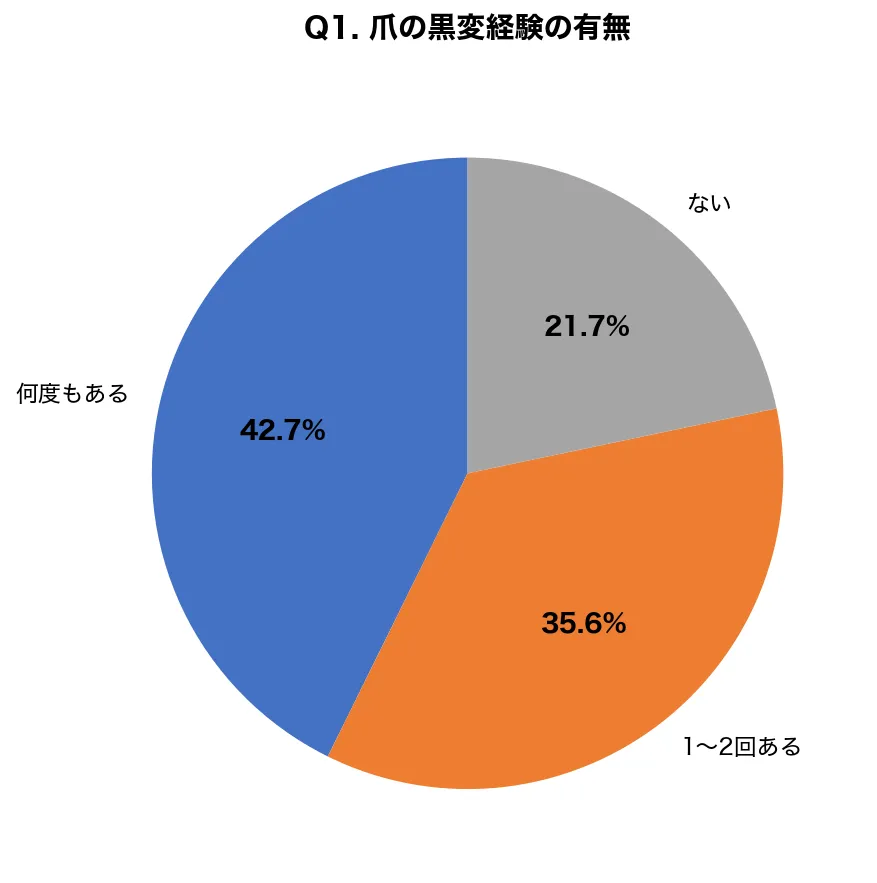
A notable survey among runners has revealed that a staggering 78.3% have faced the issue of black toenails, predominantly caused by subungual hematoma. This phenomenon results from blood pooling under the nail, typically due to recurrent trauma during activities like running. Fortunately, these black marks generally heal on their own within a few weeks to months. However, it is essential for runners to be aware of the signs that warrant a visit to a dermatologist. This article will discuss the key differences between subungual hematoma and more serious conditions, such as melanoma, a type of skin cancer.
Key Findings from the Survey
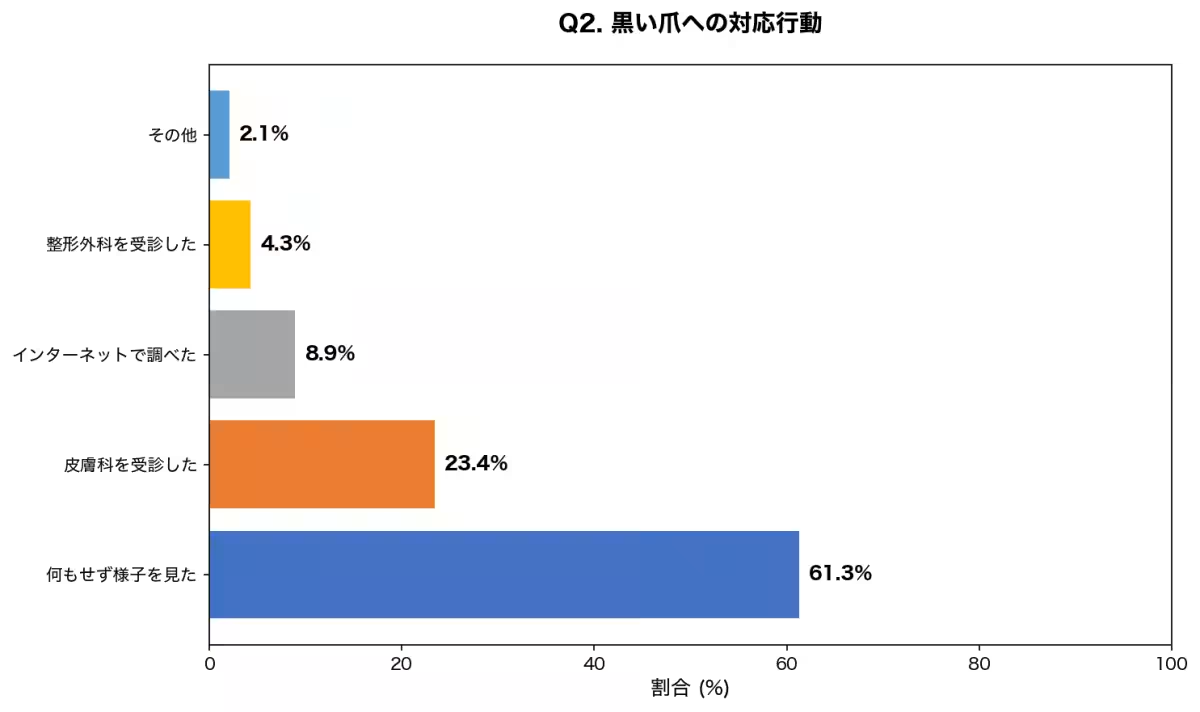
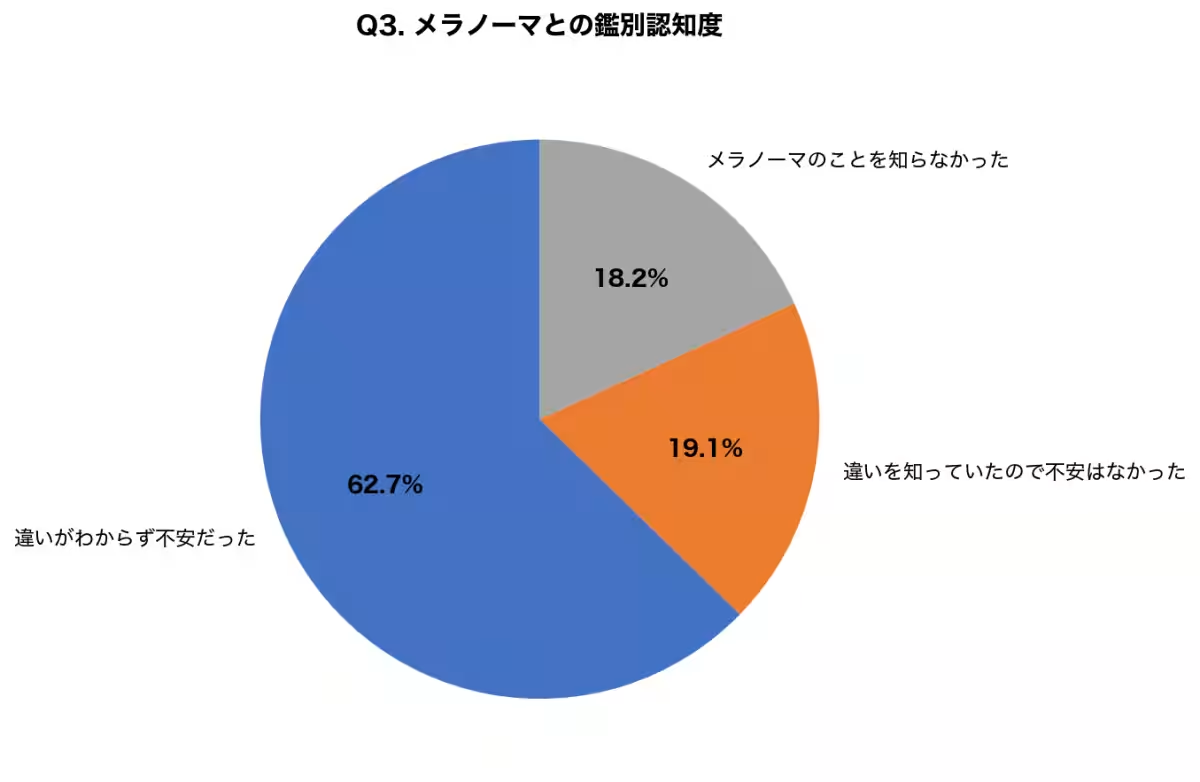
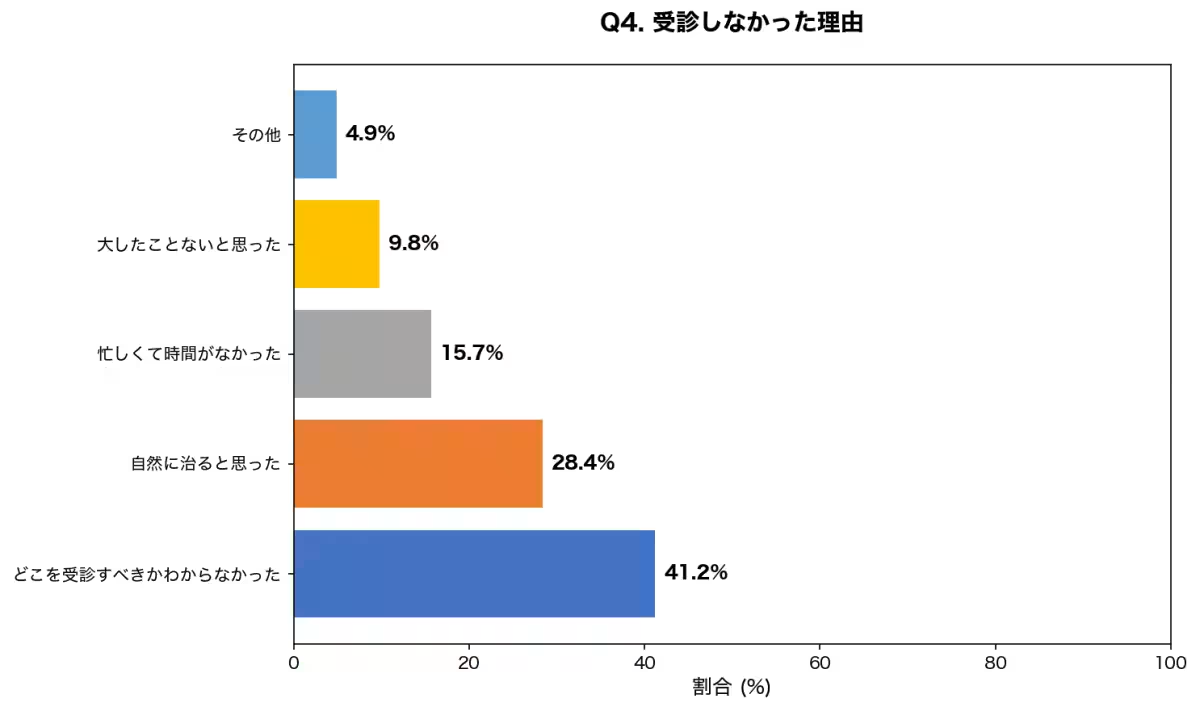
The survey highlighted that 62.7% of participants felt anxious about differentiating between hematoma and melanoma. Alarmingly, only 23.4% sought medical advice when their toenails turned black, mainly due to confusion over where to go for help (41.2%).
What is Subungual Hematoma?
Subungual hematoma denotes the accumulation of blood beneath the nail, leading to a blackish-purple hue. This usually results from trauma and is frequent among runners because of the consistent pressure from their shoes. It is commonly known as 'runner’s nail.' For most cases, this condition subsides on its own over a few weeks to months, but awareness is paramount to monitor any changes.
What is Melanoma?
Melanoma, on the other hand, occurs when melanocytes, the cells producing the pigment melanin, turn malignant. When affecting the nails, it is termed ‘subungual melanoma,’ representing about 10% of melanoma cases in Japan. Early detection is crucial, as melanoma can be life-threatening if not treated in time.
Important Warning Signs
Distinguishing between subungual hematoma and melanoma can be challenging, hence knowing specific indicators can aid in making timely decisions:
- - Causes and Onset: Hematomas usually develop following known trauma while melanomas can appear without prior injury.
- - Color and Distribution: Hematomas typically have a uniform dark color, whereas melanomas may show uneven discoloration.
- - Shape: Hematomas tend to be circular or oval, while melanomas can present as irregular or striped.
- - Borders: Hematomas have defined borders, whereas melanoma’s borders may appear blurred.
- - Changes Over Time: Hematomas move with nail growth and gradually fade; melanoma may remain stationary but expand.
When to Seek Medical Attention
If the toenail has turned black without a history of trauma, or if changes persist beyond three months, especially in individuals over 40, a visit to a dermatologist is strongly advised. Seek immediate help if you notice any of these red flags:
- - Undefined origins of discoloration
- - Vertical black lines extending from the nail matrix
- - Expanding areas of dark pigmentation
- - Spread of pigment to the surrounding skin (Hutchinson’s sign)
Preventing Subungual Hematoma
To mitigate the risk of developing hematoma, runners are encouraged to:
- - Choose shoes with ample toe space, ideally allowing for a 1 cm gap at the toes.
- - Ensure shoelaces are secure to prevent foot movement within the shoe.
- - Maintain nails at a suitable length, rounding them slightly.
- - Gradually increase running distance to avoid excessive strain on the nails.
Final Thoughts from the Experts
Dr. Kouta Takakuwa from IC Clinic states that most post-running black toenails are benign. However, if there’s uncertainty or persistent anxiety about the condition, consulting a dermatologist is paramount. Recognizing the importance of early detection, Dr. Takakuwa emphasizes that self-diagnosis can lead to overlooking serious conditions like melanoma.
As autumn approaches—a time when many runners prepare for marathons—understanding the common issues that come with running is crucial. Awareness and education can help runners differentiate between normal reactions and serious medical concerns, ultimately promoting better health management.
Topics Health)





【About Using Articles】
You can freely use the title and article content by linking to the page where the article is posted.
※ Images cannot be used.
【About Links】
Links are free to use.